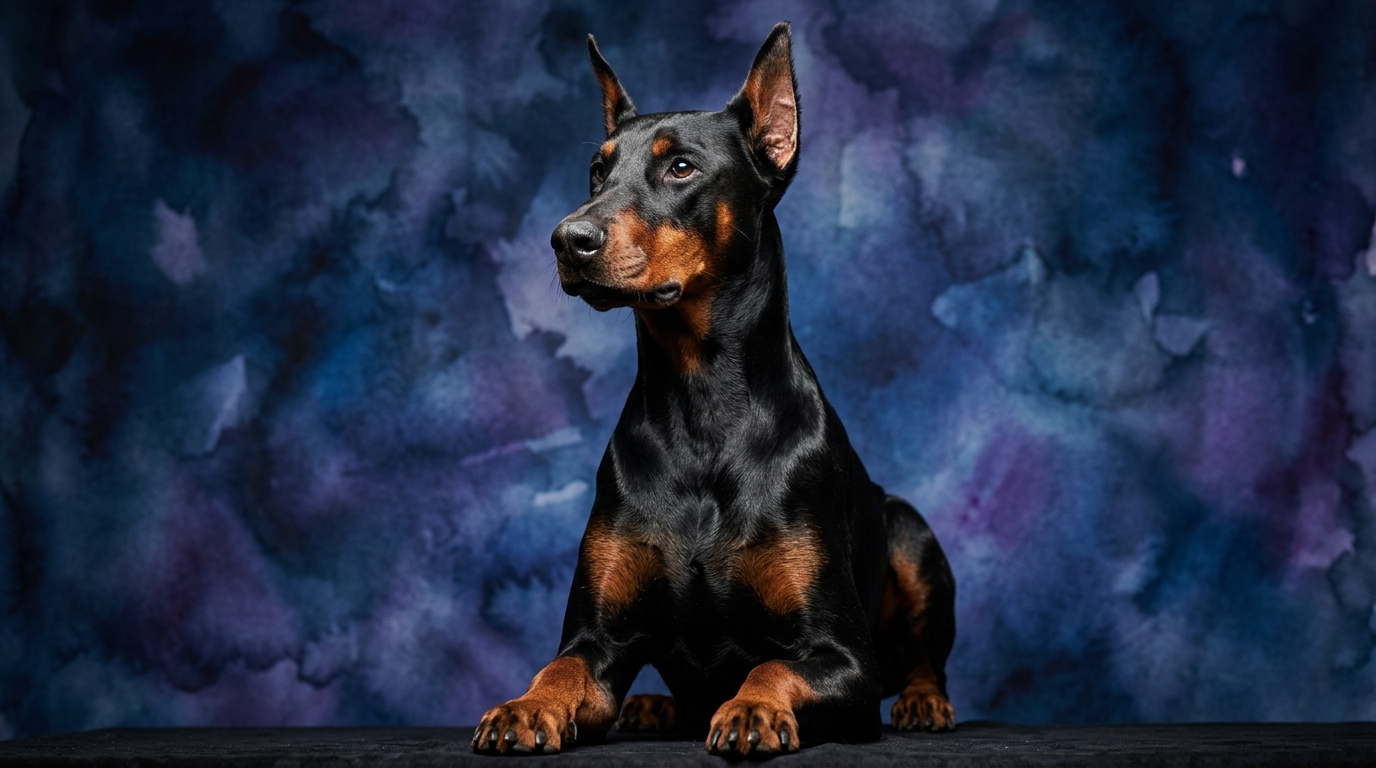
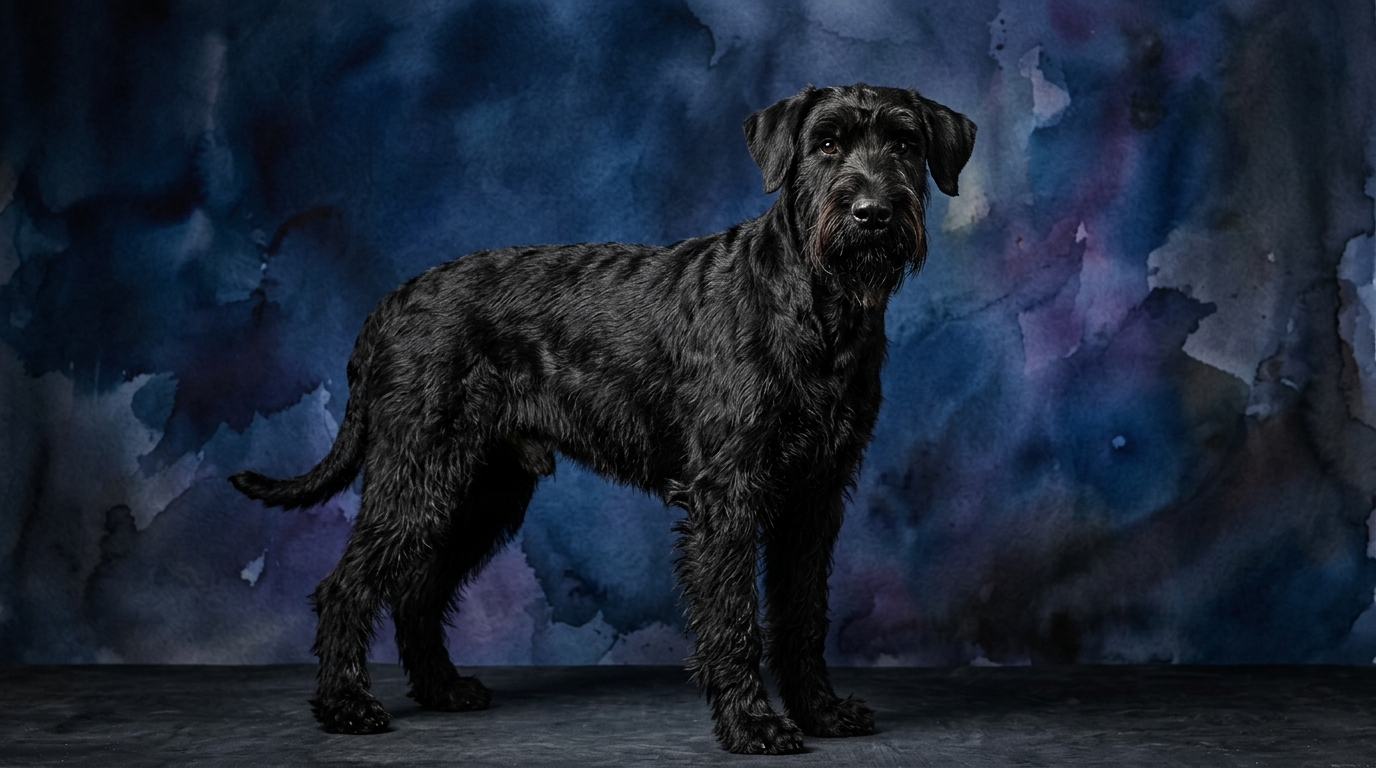
Side-by-Side IQ Profile: Doberman Pinscher vs. Giant Schnauzer
The Doberman Pinscher, holding a remarkable Coren rank of #5, showcases an impressive suite of cognitive abilities. Their Problem Solving is rated 5/5, indicating a remarkable capacity to quickly analyze novel situations and devise effective strategies, often with minimal guidance. This breed’s Training Speed also stands at a perfect 5/5, meaning new commands and complex sequences are absorbed with astonishing rapidity, requiring few repetitions for mastery. Social Intelligence, at 4/5, highlights their deep attunement to human cues and strong desire to bond and cooperate, though they maintain a discerning nature. Instinctive Drive is a powerful 5/5, manifesting as an intense focus on tasks, unwavering protective instincts, and a pronounced prey drive that fuels their work ethic. Finally, their Memory, a solid 5/5, ensures excellent retention of learned behaviors, commands, and experiences, making them incredibly reliable partners once trained.
The Giant Schnauzer, ranked #28 on Coren's scale, presents a different yet equally compelling cognitive profile. Their Problem Solving ability is rated 4/5, indicating a strong capacity to tackle challenges, though they might approach them with a more measured, trial-and-error method compared to the Doberman. Training Speed, at 4/5, suggests they learn effectively, but typically require more consistent repetition and a patient, engaging approach to solidify new commands. Social Intelligence, at 3/5, points to a more independent and reserved demeanor; while they form deep bonds with their chosen family, they are generally less overtly demonstrative and more discerning with strangers. Their Instinctive Drive, rated 3/5, indicates a protective nature and a moderate prey drive, present but less intense and all-consuming than the Doberman’s. Memory, at 4/5, ensures good recall of commands and experiences, though perhaps not with the instantaneous perfection seen in a Doberman.
Where the Doberman Pinscher Wins Cognitively
The Doberman Pinscher clearly shines in areas demanding rapid assimilation and decisive action. Their 5/5 Problem Solving means they don't just follow instructions; they proactively understand the intent behind a task and can adjust their approach on the fly, making them exceptional in dynamic roles like protection work or agility where split-second decisions are crucial. This cognitive agility allows them to quickly grasp complex scenarios and formulate appropriate responses with remarkable efficiency. Coupled with a 5/5 Training Speed, a Doberman can master intricate routines and complex behavioral chains with astonishing efficiency. Imagine teaching a multi-step obedience sequence; a Doberman often connects the dots faster, requiring fewer physical prompts or verbal cues to link behaviors seamlessly. This rapid learning, fueled by a 5/5 Instinctive Drive, translates into a dog that not only learns quickly but is also intensely motivated to perform, channeling their powerful drives into focused, purposeful action. Their superior 5/5 Memory ensures these complex learnings are retained with remarkable fidelity, minimizing the need for constant refreshers and reinforcing their reliability.
Where the Giant Schnauzer Wins Cognitively
While the Doberman excels in sheer speed and intensity, the Giant Schnauzer’s cognitive profile offers a different kind of strength, rooted in resilience and deliberate thought. Their 4/5 Problem Solving, though not as lightning-fast, is often characterized by a more robust and persistent approach. This can manifest as a certain stoicism; they might not immediately grasp a solution, but they will methodically persist, trying different methods until they succeed, often developing a deeper, more ingrained understanding of the task. Their 3/5 Social Intelligence, while making them less overtly people-focused than a Doberman, fosters a greater sense of self-reliance and independence. This means they are less prone to being "velcro dogs" and can be more content with their own company for periods, provided they are adequately stimulated. This thoughtful independence, combined with a 3/5 Instinctive Drive, means their protective instincts are present and reliable, but often expressed with a more measured discernment rather than the Doberman's intense, always-on vigilance. They approach tasks with a steady resolve, building competence through consistent effort rather than immediate brilliance, which can lead to a very dependable, self-assured partner.
Which Is Easier to Train and Why?
Based on The Cosmic Pet Pet IQ Lab metrics, the Doberman Pinscher is unequivocally the easier breed to train in terms of raw speed and efficiency. Their 5/5 Training Speed means they pick up new commands and behaviors almost instantly, often after only a few repetitions. This is bolstered by their 5/5 Problem Solving, allowing them to quickly understand the desired outcome of a training exercise and adapt their responses with minimal guidance. For instance, teaching a Doberman a complex scent discrimination task might involve showing them the target object once or twice, and they’ll begin to generalize the concept across various environments. Their powerful 5/5 Instinctive Drive also means they are inherently motivated to engage in purposeful activities, making them highly responsive to directive training and eager to please their handler.
In contrast, the Giant Schnauzer’s 4/5 Training Speed suggests they learn well, but require more consistent reinforcement and patience. Their 4/5 Problem Solving means they might need more structured steps and a clearer demonstration of the 'why' behind an exercise, rather than immediately inferring it. A Giant Schnauzer might need more trials to solidify a new behavior, and their 3/5 Social Intelligence can mean they are less driven by the handler’s approval and more by their own assessment of the task. This requires a trainer to be particularly engaging and consistent, employing positive reinforcement techniques to maintain their focus and build a strong working relationship based on mutual respect rather than sheer compliance.
Which Suits Active vs. Relaxed Owners?
Both the Doberman Pinscher and the Giant Schnauzer demand active and engaged owners, but their specific needs cater to different styles of activity. The Doberman, with its 5/5 Problem Solving, 5/5 Training Speed, and intense 5/5 Instinctive Drive, thrives with owners who are prepared for advanced training, competitive dog sports, or dedicated protection work. These dogs require constant, complex mental stimulation and rigorous physical exertion; a truly 'relaxed' owner who cannot provide complex tasks, regular high-intensity exercise, and consistent mental challenges will quickly find themselves with a bored, potentially destructive Doberman. They need a job, a purpose, and an owner who can channel their formidable cognitive and physical energy into productive outlets, otherwise, their drives can become misdirected.
The Giant Schnauzer, while also a working breed, suits owners who appreciate a robust companion with a strong will and a slightly more independent streak. Their 3/5 Instinctive Drive means they still need regular exercise and mental engagement, but perhaps not the same relentless intensity or constant 'problem-solving' demands as a Doberman. They can be content with long walks, structured training sessions, and interactive play, rather than needing to constantly engage in high-octane tasks. Their 3/5 Social Intelligence means they form deep bonds but are less demanding of constant interaction, making them a good fit for owners who appreciate a discerning companion that is not always underfoot, yet still intensely loyal. They are not for truly sedentary owners, but rather for those who prefer a steady, determined partner over a high-octane dynamo.
The Verdict
Opt for the Doberman Pinscher if you are an experienced owner seeking a supremely trainable, intensely focused, and highly responsive partner for advanced obedience, competitive sports, or demanding protection roles. Be prepared to dedicate significant time to channeling their formidable cognitive and physical energy into purposeful activities.
Select the Giant Schnauzer if you desire a robust, independent, and steadfast working dog that thrives on consistent, patient training and appreciates a discerning companionship. They are ideal for owners who value a resilient partner with a strong will, capable of deep loyalty without constant overt demands for attention.
🧠 Find Your Pet's IQ Score
Our Pet IQ Lab assessment covers 25+ tests across 5 cognitive dimensions — personalized to your breed.
Take the Full IQ Test →Frequently Asked Questions
Is the Doberman Pinscher truly smarter than the Giant Schnauzer?
Based on The Cosmic Pet Pet IQ Lab metrics, the Doberman Pinscher exhibits higher scores across Problem Solving, Training Speed, Instinctive Drive, and Memory, suggesting a faster and more intense cognitive processing. However, 'smarter' is nuanced; the Giant Schnauzer's distinct profile offers qualities like deliberate problem-solving and self-reliance that some owners may prefer.
Which breed is better for a first-time dog owner?
Neither breed is typically recommended for first-time dog owners due to their strong working drives and demanding cognitive needs. Both Dobermans and Giant Schnauzers require experienced handlers who understand how to manage and channel their specific intelligence and energy effectively to ensure a well-adjusted companion.
Do Doberman Pinschers and Giant Schnauzers require similar amounts of exercise?
Both require substantial daily exercise and mental stimulation, but the Doberman's 5/5 Instinctive Drive often necessitates more intense, focused, and complex activities to prevent boredom and destructive behaviors. The Giant Schnauzer, with a 3/5 Instinctive Drive, still needs vigorous activity but might be satisfied with slightly less frantic or constant engagement.