Side-by-Side Cognitive Profile
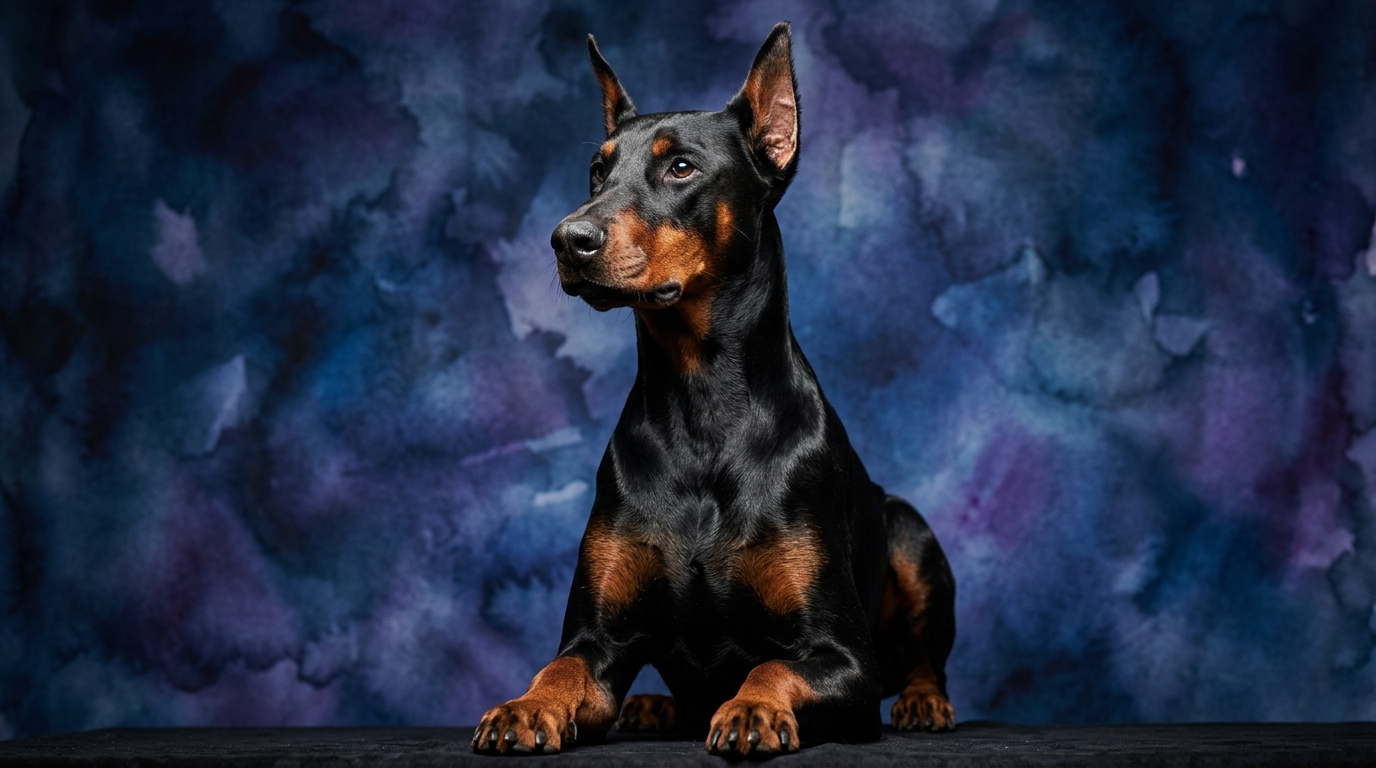
The Doberman Pinscher, ranked #5 by Coren, demonstrates a remarkable breadth of cognitive capabilities. Its Problem Solving is rated 5/5, indicating an exceptional capacity to navigate novel situations and figure out solutions independently. Training Speed is also 5/5, meaning this breed grasps new commands and routines with astonishing swiftness, requiring minimal repetition. Social Intelligence, at 4/5, suggests a strong awareness of human cues and social dynamics, allowing seamless integration into family structures and responsiveness to subtle directives. Their Instinctive Drive is a perfect 5/5, manifesting as a powerful desire to work and fulfill their breed purpose, often involving protection or service tasks. Finally, Memory, also 5/5, underpins their retention of a vast repertoire of commands, experiences, and associations.
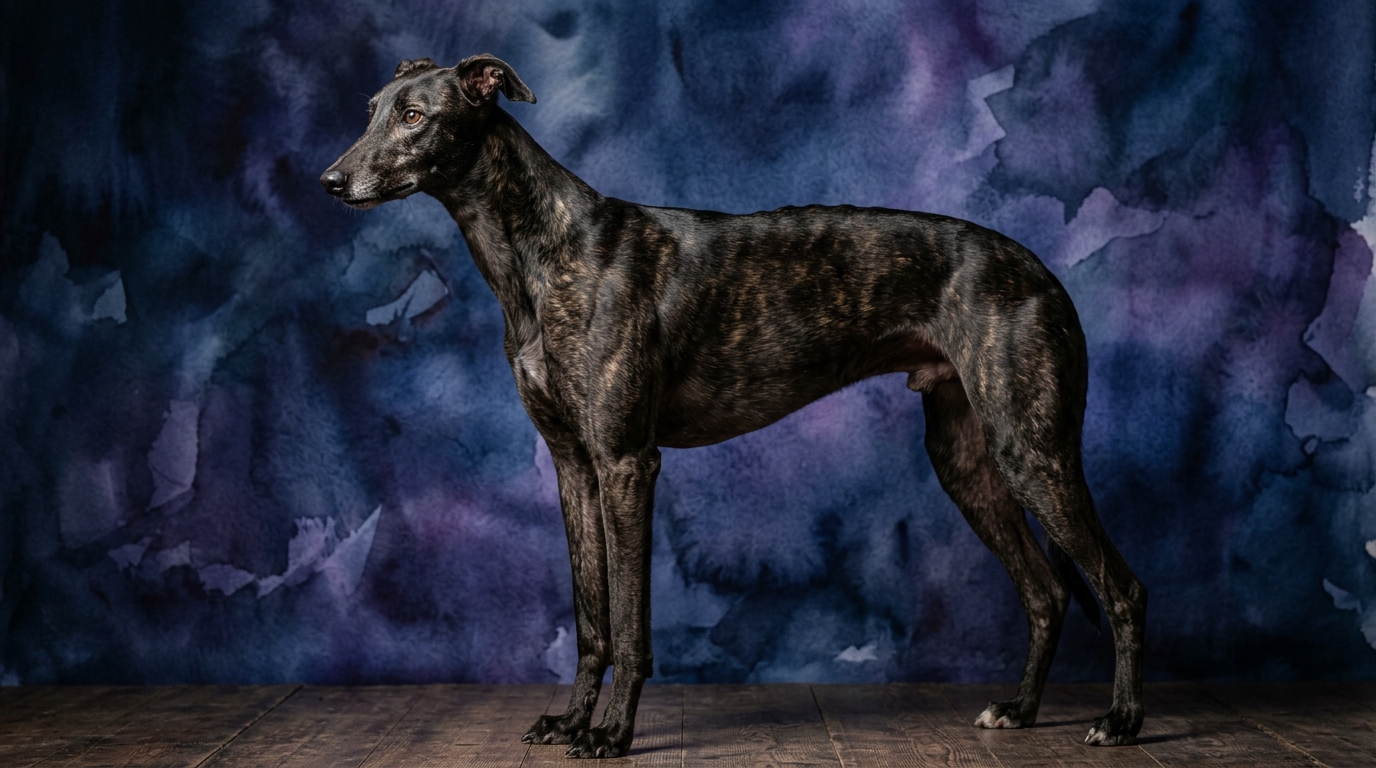
The Greyhound, with a Coren rank of #46, presents a more specialized cognitive blueprint. Its Problem Solving is rated 3/5, indicating a moderate ability to tackle new challenges, often relying on established patterns or primary instincts. Training Speed is 2/5, meaning they typically require more repetition and patience to learn new commands, due to their independent nature and selective focus. Social Intelligence, at 3/5, suggests they are generally aware of their human companions but might be less attuned to subtle social cues, preferring calmer, less demanding interaction. Their Instinctive Drive, a perfect 5/5, is overwhelmingly channeled into their prey drive and the exhilarating chase, a testament to centuries of selective breeding for speed and pursuit. Memory, at 3/5, indicates information retention, though perhaps not with the breadth of the Doberman, especially if unrelated to core motivations.
Where the Doberman Pinscher Excels Cognitively
The Doberman Pinscher's cognitive strengths clearly reside in its comprehensive and adaptable intellect. Its 5/5 Problem Solving score means it doesn't just follow orders; it can analyze environments and strategize, making it adept at complex tasks like search and rescue or intricate obstacle courses. Their 5/5 Training Speed attests to their eagerness and rapid information absorption, enabling mastery of vast command repertoires and intricate routines with precision. Furthermore, their 4/5 Social Intelligence allows them to deeply understand human intentions and moods, facilitating a nuanced partnership in activities ranging from competitive obedience to personal protection. Their 5/5 Memory ensures lessons and experiences are firmly etched, contributing to reliable, consistent learned behaviors. This combination of traits makes the Doberman an exceptional candidate for roles requiring sustained attention, rapid learning, and independent judgment.
Where the Greyhound Excels Cognitively
While the Greyhound's cognitive profile differs significantly from the Doberman's, it exhibits a distinct form of specialized brilliance, particularly in its Instinctive Drive. A perfect 5/5 in this dimension highlights an unparalleled focus and efficiency when it comes to their primary purpose: the chase. This involves acute movement perception, lightning-fast pursuit decisions, and unwavering commitment to the objective. Their strengths lie in the elegant simplicity and singular dedication to their breed's historical role. While their Problem Solving (3/5) and Training Speed (2/5) scores suggest they may not excel in abstract learning or complex obedience, these traits are often balanced by an efficient, low-maintenance approach to daily life once their exercise needs are met. Their moderate Social Intelligence (3/5) fosters a reputation as calm, independent companions appreciating quiet interaction without constant demands, a unique cognitive strength for owners seeking a less overtly 'needy' bond. The Greyhound's intelligence is often expressed through an almost Zen-like ability to conserve energy, alternating between explosive bursts of speed and profound periods of rest, a highly adaptive survival strategy.
Ease of Training: Doberman Pinscher vs. Greyhound
Based on their IQ profiles, the Doberman Pinscher is unequivocally easier to train than the Greyhound. The Doberman’s 5/5 Training Speed and 5/5 Memory are game-changers, meaning they absorb and retain commands with remarkable swiftness. Their desire to work and please, combined with their capacity for complex instructions, makes them highly responsive to consistent training. They thrive on mental stimulation and excel in structured learning environments, often picking up new tasks in just a few repetitions. In contrast, the Greyhound's 2/5 Training Speed and 3/5 Memory present a different training challenge. Their independent nature and strong focus on their instinctive drive (5/5 for prey chase) often mean they are less motivated by human approval and more by their own internal desires or environmental stimuli. Training a Greyhound typically requires greater patience, more positive reinforcement, and a deeper understanding of their sighthound motivations. While they learn, it often takes more repetition, and recall might be less reliable if a compelling chase arises, reflecting their deep-seated behavioral programming.
Matching Canine Intellect to Owner Lifestyles
The Doberman Pinscher, with its intense instinctive drive, exceptional problem-solving abilities, and high social intelligence, is an ideal match for active owners who can provide consistent mental and physical engagement. Owners enjoying dog sports, advanced obedience, protection work, or a highly interactive companion will find the Doberman thrives on challenges and structured routines. Their need for purpose means minimal stimulation from a relaxed owner could inadvertently foster behavioral issues from boredom or unchanneled energy. For the Greyhound, the picture is almost opposite. Despite their incredible speed, their daily energy needs are often surprisingly moderate once they've had their short, intense bursts of exercise. Their moderate social intelligence and lower training speed mean they generally prefer a quieter, less demanding home environment. They are often described as '45 mph couch potatoes,' making them a superb fit for relaxed owners who appreciate a calm, independent companion content with lounging after a good sprint. Owners seeking a dog not constantly demanding attention or complex tasks will find the Greyhound's disposition aligns with a tranquil lifestyle.
The Verdict
Choose the Doberman Pinscher if you seek a highly engaged, trainable partner for complex tasks, dog sports, or a vigilant family protector who thrives on intellectual challenges and a strong working bond.
Opt for the Greyhound if you desire a calm, independent companion who excels in short bursts of speed but is otherwise content with a relaxed, low-key home environment, appreciating quiet companionship.
🧠 Find Your Pet's IQ Score
Our Pet IQ Lab assessment covers 25+ tests across 5 cognitive dimensions — personalized to your breed.
Take the Full IQ Test →Frequently Asked Questions
Do Greyhounds need a lot of exercise despite their 'couch potato' reputation?
Greyhounds do need regular exercise, but it often manifests as short, intense bursts of running rather than sustained endurance. A secure, fenced area for daily sprints is usually sufficient, after which they are generally content to rest and relax indoors for extended periods.
Are Doberman Pinschers good family dogs, given their protective instincts?
Doberman Pinschers can be exceptional family dogs when properly socialized and trained from a young age. Their strong social intelligence and loyalty make them devoted companions, but their protective instincts require consistent guidance to ensure they are discerning and well-mannered.
Can a Greyhound be trained for complex obedience or dog sports?
While Greyhounds can learn basic commands, their lower training speed and strong prey drive mean they typically require more patience and creative motivation for complex obedience or dog sports. They may not excel in disciplines requiring sustained focus on human directives over their natural instincts.