Side-by-Side Cognitive Profiles
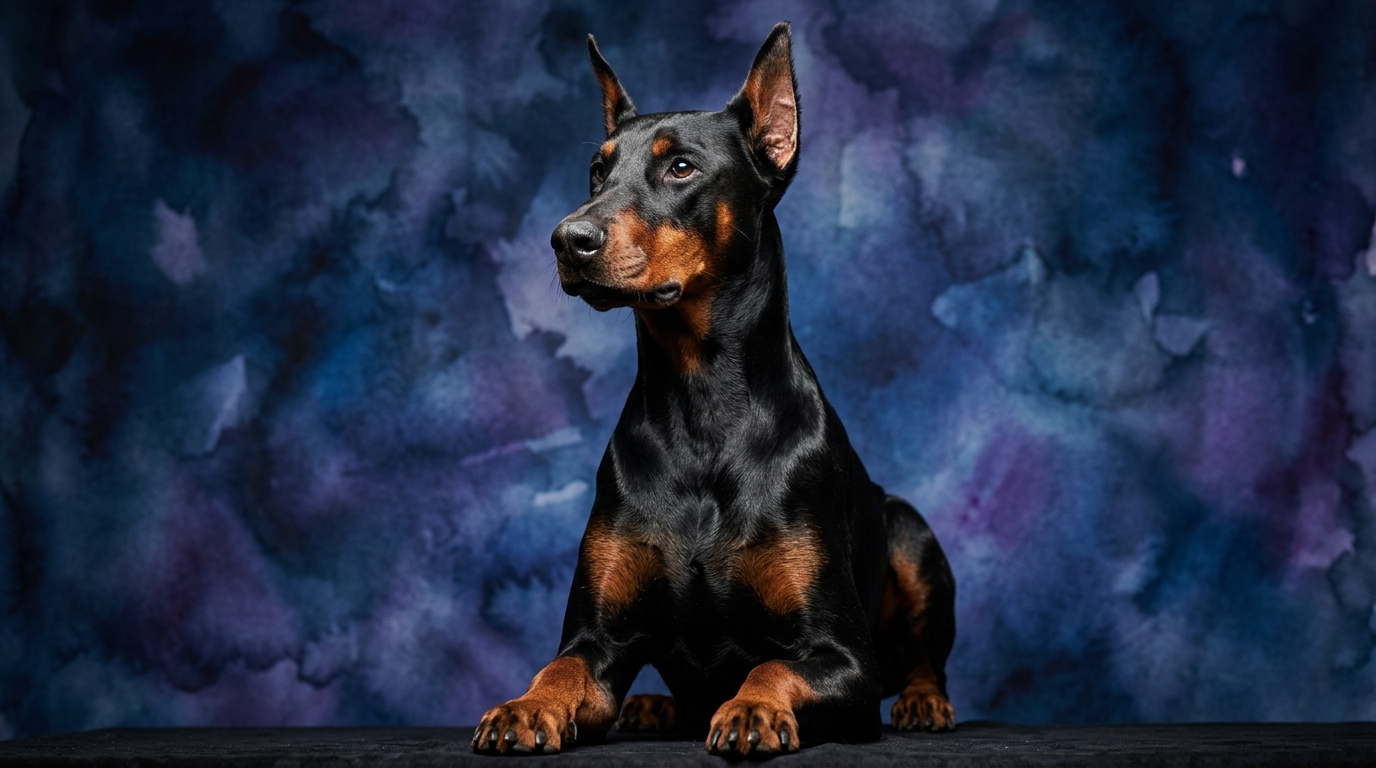
The Cosmic Pet Pet IQ Lab provides a detailed lens through which to view the Doberman Pinscher and the Harrier's cognitive capabilities. The Doberman Pinscher, a Working Group dog, holds a Coren rank of #5, indicating a strong capacity for understanding and executing commands. Its cognitive profile is marked by exceptional scores: Problem Solving 5/5, Training Speed 5/5, Social Intelligence 4/5, Instinctive Drive 5/5, and Memory 5/5. These scores paint a picture of a dog that quickly grasps new concepts, retains information, and possesses a robust drive for purpose-driven activity.
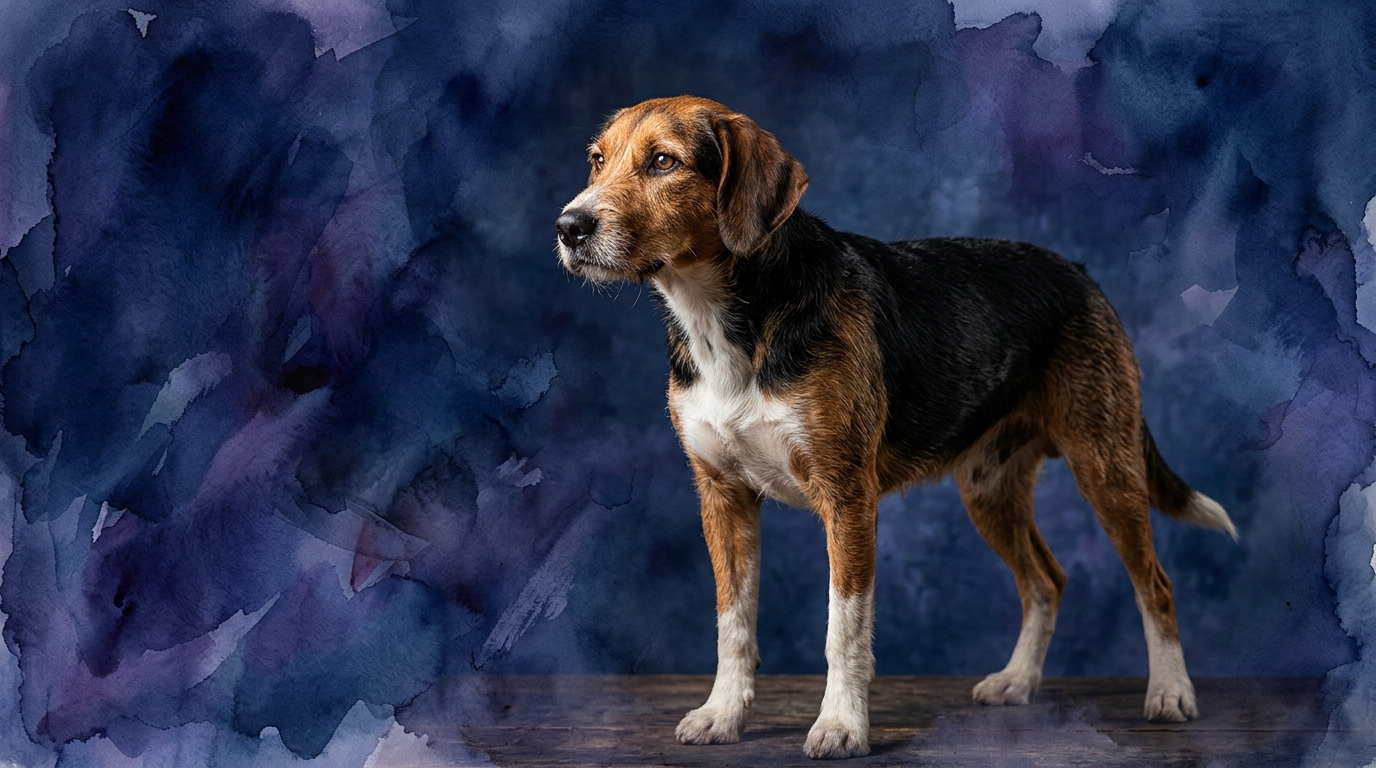
In contrast, the Harrier, a member of the Hound Group, does not appear on Coren's ranking, suggesting a different cognitive emphasis rather than a deficit. Its IQ scores reflect a more moderate, yet distinct, intellectual framework: Problem Solving 3/5, Training Speed 3/5, Social Intelligence 3/5, Instinctive Drive 3/5, and Memory 3/5. These figures suggest a breed that approaches challenges with a different methodology, often relying on its keen senses and independent decision-making rather than immediate human direction. Its instinctive drive, while not as high as the Doberman's, is still significant and primarily channeled towards scent-tracking.
Where the Doberman Pinscher Excels Cognitively
The Doberman Pinscher's cognitive strengths are evident across its entire profile. Its 5/5 Problem Solving score means it can quickly assess novel situations and devise effective solutions, whether it's navigating complex agility courses or understanding a multi-step command sequence. This breed doesn't just follow instructions; it processes and applies them strategically. The perfect 5/5 Training Speed score highlights its remarkable ability to learn and internalize new commands with minimal repetition, making it a favorite for advanced obedience, protection work, and competitive dog sports.
Furthermore, the Doberman's 5/5 Memory ensures that once a lesson is learned, it is retained for the long term, contributing to its consistency in performance and reliability in tasks. Its 4/5 Social Intelligence, while slightly lower than its other high scores, still indicates a strong capacity to interpret human cues and build deep, responsive bonds, making it highly attuned to its owner's intentions. The 5/5 Instinctive Drive fuels its dedication, providing the motivation necessary for sustained engagement in demanding roles. This combination of mental acuity and drive makes the Doberman a formidable and adaptable partner in a variety of working contexts.
Where the Harrier's Cognition Shines
While the Harrier's individual cognitive scores of 3/5 might appear less impressive when viewed through a lens designed for working breeds, they signify a different kind of operational intelligence honed over centuries of independent hunting. Its 3/5 Problem Solving isn't about solving abstract puzzles for human approval; it's about persistent, methodical tracking, interpreting subtle scent trails, and making autonomous decisions in varied terrain. A Harrier's 'problem' is often locating quarry, a task for which its nose and stamina are paramount, not its ability to fetch a specific item on command.
The 3/5 Instinctive Drive, while not as intense for human-directed tasks, is profoundly focused on its primary function: scent work. This drive means Harriers possess an unwavering determination when on a trail, often tuning out distractions that would deter other breeds. Their 3/5 Memory, though not photographic for obedience commands, is more than sufficient for remembering complex scent patterns, terrain features, and the locations of previous finds. Their 3/5 Social Intelligence, rather than signifying aloofness, suggests a dog that forms bonds but retains a degree of self-reliance, valuing its independence while still enjoying companionship. The Harrier's cognitive strengths are deeply rooted in its ancestral purpose, manifesting as focused perseverance and sensory mastery.
Which is Easier to Train and Why
Based on their cognitive profiles, the Doberman Pinscher is definitively easier to train in the traditional sense of obedience and command-following. Its 5/5 Training Speed means it picks up new commands rapidly, often understanding what's expected after only a few repetitions. The Doberman's 5/5 Memory ensures these lessons stick, leading to reliable recall and consistent performance. Their high Social Intelligence and Instinctive Drive also mean they are typically eager to please their human companions and find satisfaction in engaging in structured activities, making them highly receptive students.
The Harrier, with its 3/5 Training Speed and Memory, presents a different training challenge. While certainly capable of learning, Harriers often require more patience, consistency, and creative motivation. Their strong instinctive drive is primarily directed towards scent work, meaning they may be easily distracted by interesting smells during training sessions, appearing less focused on human directives. Training a Harrier often involves working *with* their natural instincts, incorporating scent games and allowing for independent exploration, rather than solely focusing on strict obedience. Their independent problem-solving style means they are less inclined to automatically defer to human instruction, preferring to assess situations themselves, which can make traditional obedience slower to instill.
Suitability for Active vs. Relaxed Owners
For active owners seeking a highly engaged and trainable partner for demanding activities, the Doberman Pinscher is an exceptional match. Its high scores across problem-solving, training speed, instinctive drive, and memory mean it thrives on mental stimulation, structured exercise, and purposeful work. Owners who enjoy competitive dog sports like agility, obedience, protection work, or even just extensive daily training sessions will find the Doberman eager and capable. This breed requires consistent engagement and a clear leadership structure to channel its considerable mental and physical energy positively.
The Harrier, while also an active breed, suits owners who appreciate a different kind of activity and a more independent companion. Its strong instinctive drive for scent work means it needs ample opportunities for off-leash exploration in secure areas, where it can follow its nose and engage its natural problem-solving abilities. Owners who enjoy long hikes, trail running, or field activities where a dog can independently explore will find a Harrier rewarding. While they enjoy human companionship, they are less reliant on constant direct interaction than a Doberman and are better suited for owners who can appreciate their self-sufficient nature, even if it means less rigid obedience.
The Verdict
Choose a Doberman Pinscher if you desire a highly trainable, intensely focused companion eager for structured activities and capable of mastering complex tasks.
Opt for a Harrier if you appreciate an independent, scent-driven companion for outdoor adventures, and are prepared to work with a dog whose intelligence manifests through persistent exploration rather than immediate obedience.
🧠 Find Your Pet's IQ Score
Our Pet IQ Lab assessment covers 25+ tests across 5 cognitive dimensions — personalized to your breed.
Take the Full IQ Test →Frequently Asked Questions
Does a Harrier's lower Coren ranking mean it's not a capable dog?
No, a Harrier's absence from Coren's ranking simply indicates its cognitive strengths lie in different areas than those typically measured for working obedience. Harriers possess a specialized intelligence geared towards scent detection and independent problem-solving in the field, which is not directly reflected in a standard obedience ranking.
Can a Doberman Pinscher adapt to a more relaxed household?
While Dobermans possess a strong drive for purpose, they can adapt to a relaxed household if their significant needs for mental stimulation and physical exercise are consistently met. Without proper outlets for their high cognitive and instinctive energies, they may develop undesirable behaviors, emphasizing the need for an owner committed to their engagement.
Is it possible to train a Harrier for advanced obedience or competitive sports?
Yes, Harriers can be trained for advanced obedience and competitive sports, especially those involving scent work or endurance. However, their training typically requires more patience, creative motivation, and an understanding of their independent, scent-driven nature compared to breeds with higher training speed scores. Success often comes from making training a fun, engaging partnership rather than a strict command-and-response routine.