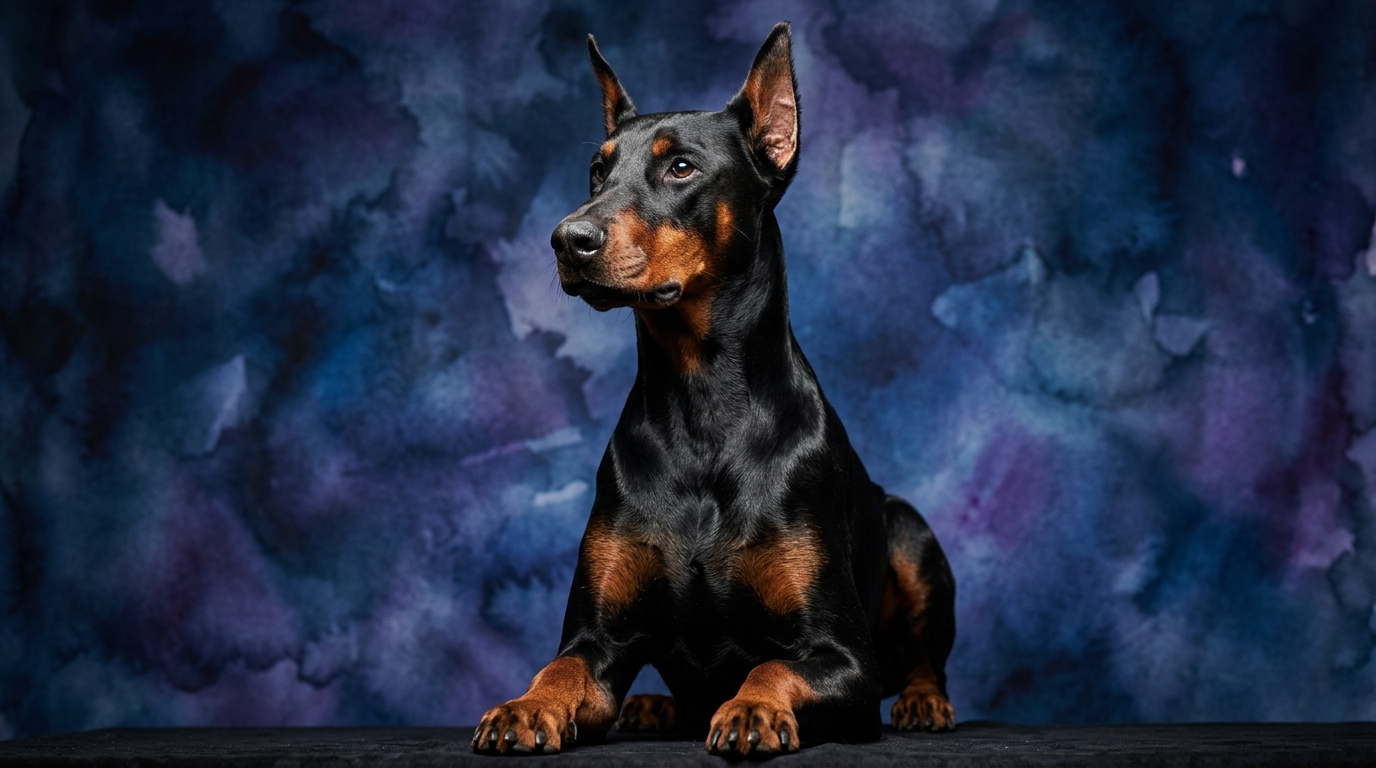
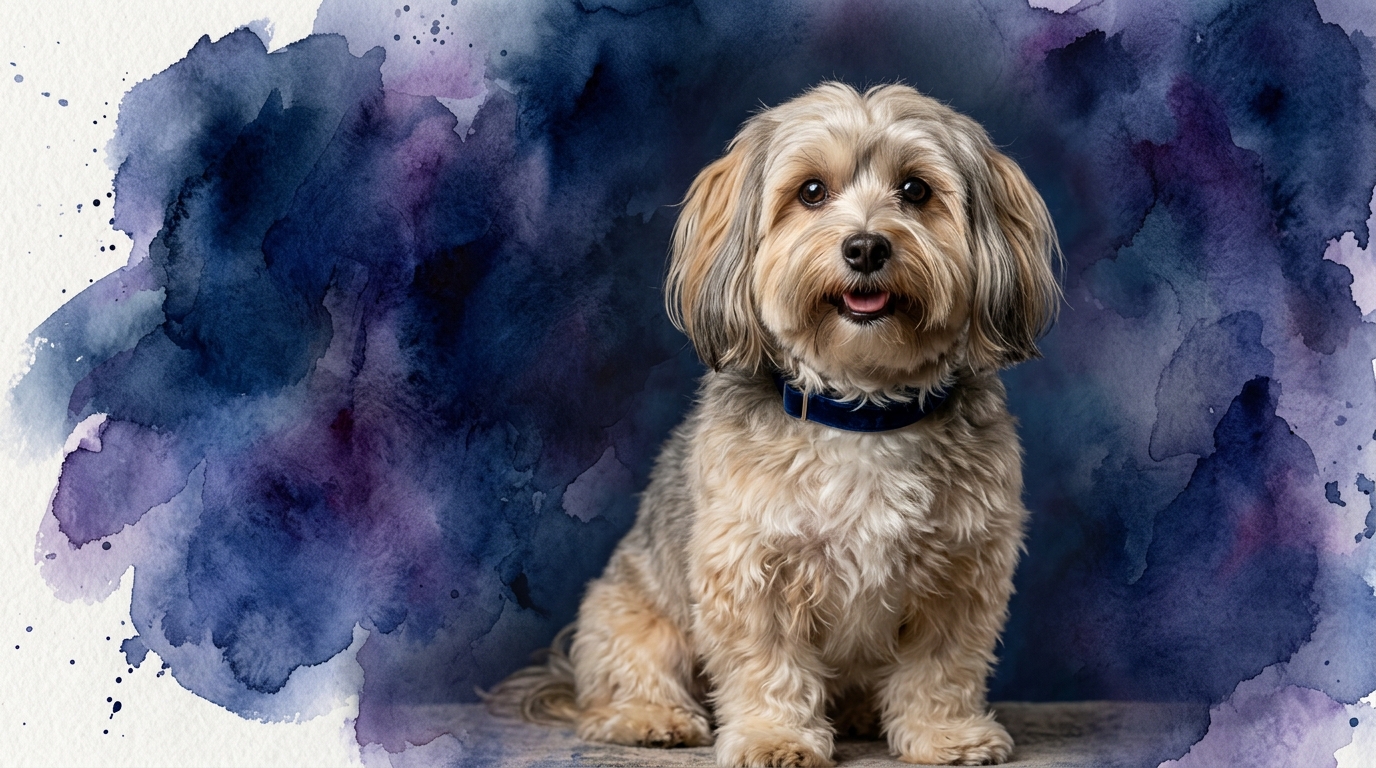
Side-by-Side IQ Profile
The Cosmic Pet Pet IQ Lab employs a five-dimensional framework to assess canine intelligence, offering a nuanced view beyond simplistic rankings. For the Doberman Pinscher, a powerful Working breed ranked #5 by Coren, its profile speaks to a formidable intellect built for purpose and precision. Its Problem Solving is rated 5/5, indicating an exceptional capacity to analyze situations, devise solutions, and navigate complex environments, often independently. Training Speed also scores 5/5, reflecting their rapid acquisition of new commands and behaviors, coupled with an eagerness to perform. Social Intelligence stands at 4/5, suggesting a strong understanding of human cues and family dynamics, particularly in protective contexts, though perhaps less emphasis on broad, indiscriminate social charm. Instinctive Drive is a perfect 5/5, showcasing an intense inherent motivation for tasks, work, and vigilance. Finally, Memory is also 5/5, highlighting their superior ability to retain extensive sequences, learned behaviors, and past experiences with remarkable accuracy.
In contrast, the Havanese, a charming Toy breed not ranked by Coren, presents a cognitive profile optimized for companionship and social engagement. Its Problem Solving is rated 3/5, indicating a practical intelligence sufficient for daily life and learning tricks, but perhaps less inclined towards intricate, multi-step challenges or independent tactical thinking. Training Speed is 3/5, meaning they are capable learners, though they may require more consistent repetition and patience compared to their working counterparts. Where the Havanese truly shines is in Social Intelligence, earning a perfect 5/5. This reflects an extraordinary ability to read human emotions, adapt to social situations, and form deep, empathetic bonds. Instinctive Drive is rated 2/5, signifying a lower inherent motivation for intense work or guarding, preferring instead comfort and interaction. Their Memory score of 3/5 suggests competence in recalling routines and basic commands, but perhaps not the capacity for the vast, complex information retention seen in breeds bred for highly specialized roles.
Where Doberman Pinscher Wins Cognitively
The Doberman Pinscher's cognitive strengths are evident across several crucial dimensions, making it a standout in roles requiring mental rigor and precision. With a 5/5 in Problem Solving, Dobermans exhibit a remarkable ability to process information and make effective decisions under pressure, whether it's navigating an intricate agility course or assessing a potential threat. Their 5/5 Training Speed means they absorb new commands with impressive swiftness, often requiring only a few repetitions to master complex behaviors, making them exceptional candidates for advanced obedience, search and rescue, or police work. This rapid learning is further supported by their perfect 5/5 Memory, allowing them to retain vast repertoires of commands, intricate routines, and learned experiences over long periods, ensuring consistency in performance. Furthermore, their 5/5 Instinctive Drive translates into an unwavering focus and motivation to complete tasks, a powerful internal engine that propels them through challenging training sessions and demanding responsibilities. This combination creates a canine partner capable of sustained mental effort and intricate operational execution.
Where Havanese Wins Cognitively
While the Doberman excels in duty-oriented cognition, the Havanese commands a different, yet equally valuable, form of intelligence, particularly in the realm of social interaction. Its perfect 5/5 in Social Intelligence is its crowning cognitive achievement, allowing it to navigate human relationships with exceptional finesse. Havanese possess an intuitive understanding of human emotional states, often anticipating moods and offering comfort or playful distraction precisely when needed. This breed excels at forming deep, empathetic connections, making them natural therapy dogs and superb family companions. Their social acumen enables them to adapt seamlessly to various social settings and household dynamics, effortlessly charming strangers and integrating into new routines with grace. This profound social understanding means they are adept at communicating their needs and desires through subtle cues, fostering a remarkably harmonious coexistence with their human counterparts.
Which Is Easier to Train and Why
Assessing which breed is 'easier' to train depends heavily on the training goals and the owner's approach. The Doberman Pinscher, with its 5/5 Training Speed and 5/5 Instinctive Drive, is often perceived as highly tractable for structured obedience and task-oriented learning. They possess an inherent desire to work and please, coupled with a quick grasp of commands, allowing them to progress rapidly through complex training protocols. Their formidable memory further solidifies learned behaviors, leading to reliable performance. However, this intensity also means Dobermans require a confident, consistent handler who can channel their powerful drive and provide ample mental stimulation; without it, their intelligence can lead to boredom and undesirable behaviors.
The Havanese, with a 3/5 Training Speed, learns at a more moderate pace, often requiring more patience and repetition. Their lower Instinctive Drive (2/5) means they might not be as inherently motivated by 'work' in the traditional sense. However, their exceptional 5/5 Social Intelligence plays a significant role in their trainability. They are eager to please their humans and respond well to positive reinforcement, especially when training is framed as an interactive, bonding experience rather than a strict task. They can be sensitive, so harsh methods are counterproductive. While they may not master advanced protection work, they excel at learning tricks, house manners, and responding to cues within a loving, consistent framework. For an owner seeking a cooperative companion who thrives on positive interaction, the Havanese can be a delightful and rewarding student, albeit one who might occasionally use their charm to bend the rules.
Which Suits Active Owners vs. Relaxed Owners
The Doberman Pinscher is unequivocally suited for active owners who are prepared for a significant commitment to physical and mental engagement. Their high problem-solving capacity, intense instinctive drive, and excellent memory demand a lifestyle that includes vigorous daily exercise, advanced training, and a consistent 'job.' This could involve participation in dog sports like agility, obedience, Schutzhund, or even working roles. An owner who can provide structured challenges and outlets for their formidable energy and intellect will find an incredibly devoted and capable partner. Without sufficient stimulation, a Doberman can become restless, destructive, or even develop behavioral issues stemming from boredom and unfulfilled drive.
Conversely, the Havanese is an ideal match for more relaxed owners or those seeking a devoted companion rather than a working partner. Their lower instinctive drive (2/5) and moderate need for intense physical activity mean they are content with daily walks, indoor play, and, most importantly, ample social interaction. Their exceptional social intelligence (5/5) means their primary requirement is companionship and being an integral part of family life. They thrive on being near their humans, adapting well to apartment living or larger homes, as long as they receive consistent affection and attention. While they enjoy learning tricks and engaging in light activities, their cognitive and emotional needs are primarily met through connection and comfort, making them perfect for those who desire a charming, empathetic presence in their daily lives.
The Verdict
Choose the Doberman Pinscher if you desire a formidable, mentally sharp partner for demanding tasks, protection, or advanced canine sports, and are prepared to provide consistent, structured engagement and rigorous mental stimulation.
Opt for the Havanese if you are seeking a devoted, empathetic companion whose primary role is to enrich daily life with charm, affection, and profound social connection, thriving in a more relaxed, companionship-focused environment.
🧠 Find Your Pet's IQ Score
Our Pet IQ Lab assessment covers 25+ tests across 5 cognitive dimensions — personalized to your breed.
Take the Full IQ Test →Frequently Asked Questions
Is the Havanese difficult to train due to its lower training speed score?
Not necessarily difficult, but they learn at a moderate pace (3/5) compared to some working breeds. Their high social intelligence means they respond wonderfully to positive reinforcement and bond-based training, making them cooperative students when approached with patience and fun.
Does the Doberman Pinscher's high instinctive drive make it aggressive?
A Doberman's high instinctive drive (5/5) means they possess a strong will and purpose, often for protection, but this does not equate to aggression. Proper socialization, consistent training, and channeling their drive into appropriate activities are crucial to ensure they are well-adjusted and controlled.
How do the memory scores impact daily life with each breed?
The Doberman's 5/5 memory means they excel at retaining extensive commands, routines, and experiences, making them highly reliable in complex tasks. The Havanese's 3/5 memory is perfectly adequate for remembering daily routines and basic commands, ensuring they are well-behaved companions in typical household settings.