Side-by-Side IQ Profile: Doberman Pinscher vs. Irish Terrier
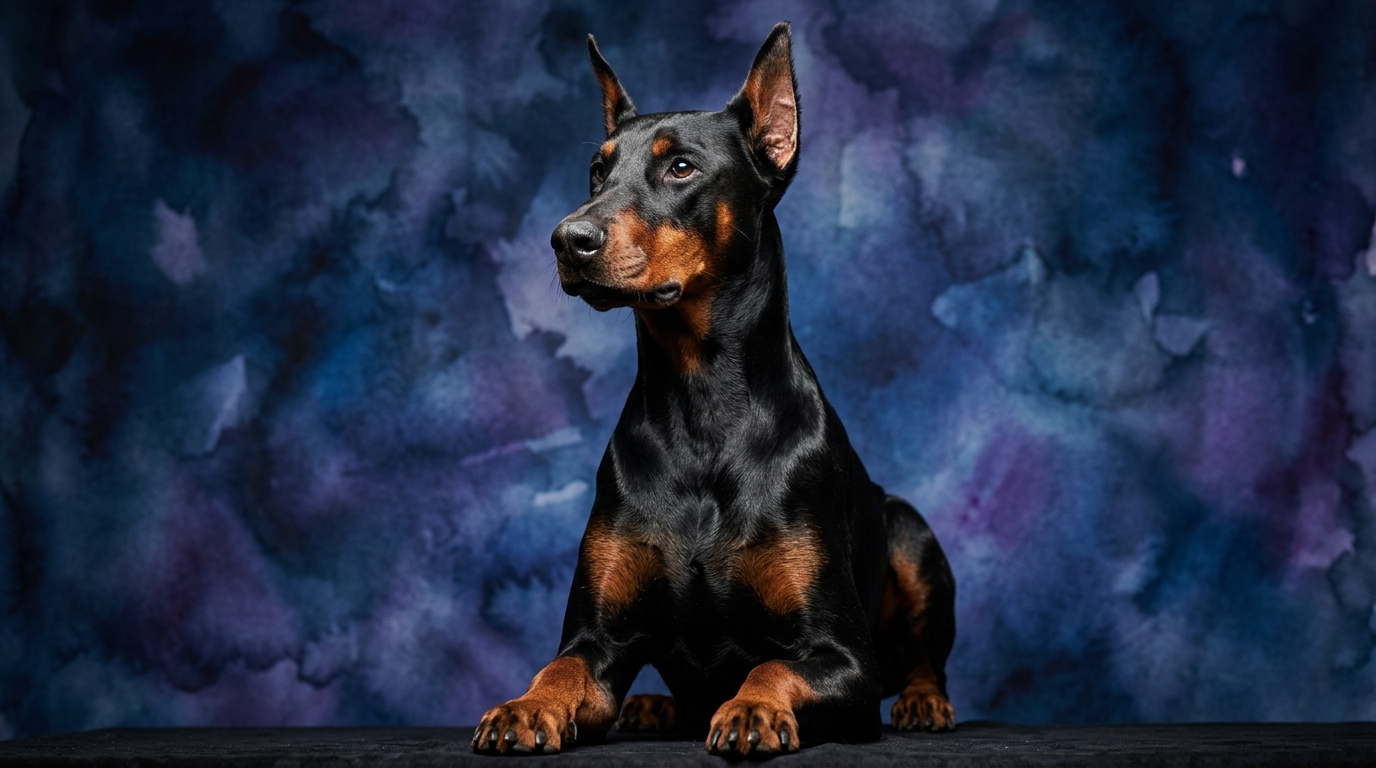
The Doberman Pinscher, holding a Coren rank of #5, exhibits a cognitive profile tailored for demanding roles. Its problem-solving ability is rated 5/5, indicating a capacity for rapidly analyzing complex situations and devising effective, often multi-stage, solutions. Training speed also scores 5/5, meaning Dobermans acquire new commands and routines with exceptional swiftness, often requiring very few repetitions to achieve mastery. Social intelligence is rated 4/5, reflecting a keen attunement to human cues and social hierarchies, though they can be discerning in their interactions. An instinctive drive of 5/5 underscores their powerful innate urges for protection, guarding, and task completion, while their memory, also 5/5, ensures long retention of commands, experiences, and learned associations, forming a highly capable and responsive mind.
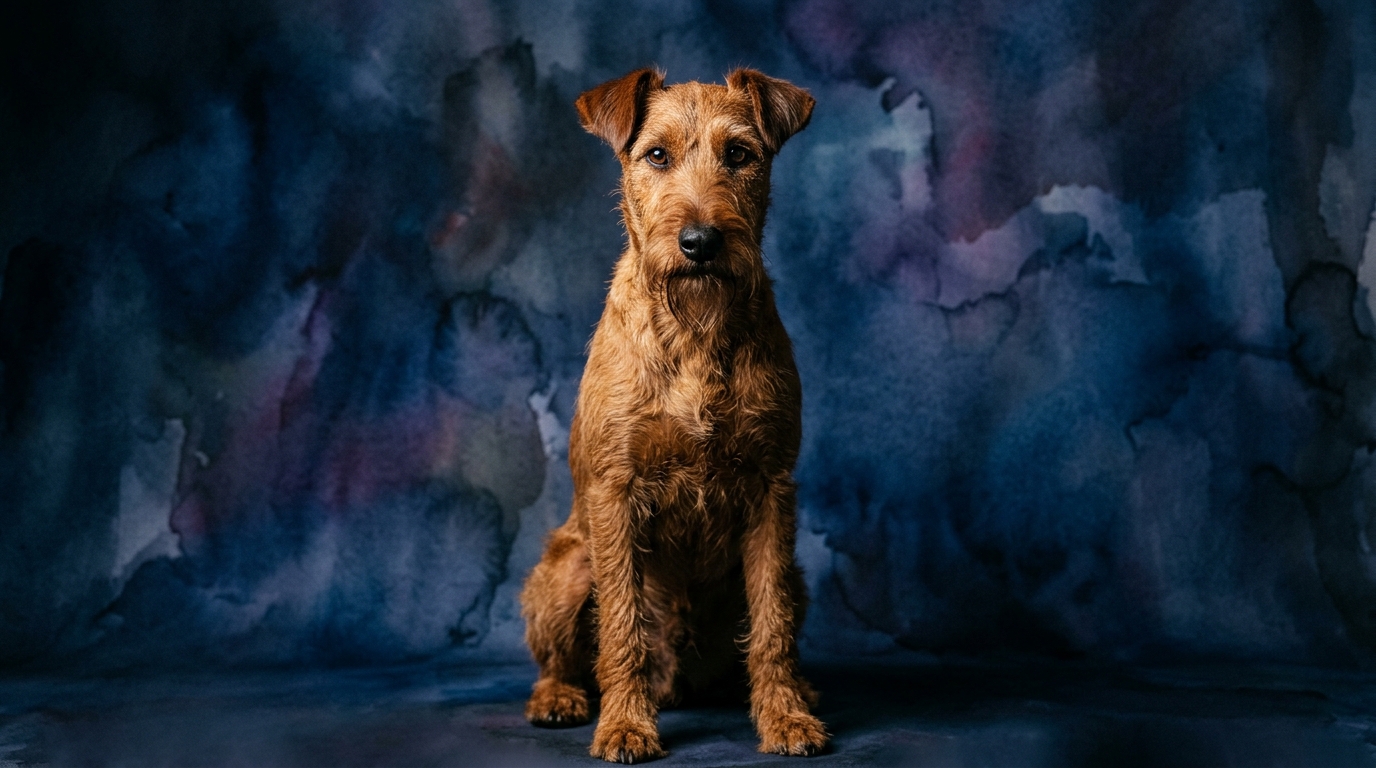
In contrast, the Irish Terrier, not Coren-ranked, presents a different cognitive blueprint. Its problem-solving ability is rated 3/5, suggesting it can resolve practical issues but may rely more on trial and error or established routines rather than intricate planning. Training speed also stands at 3/5, indicating a moderate learning pace that requires more consistent repetition and varied motivation to ingrain new commands. Social intelligence is 3/5, meaning they engage with humans but often with an independent streak, less concerned with constant approval and more driven by their own interests. An instinctive drive of 3/5 signifies a strong prey drive and tenacity typical of terriers, focused on specific tasks rather than a generalized working drive. Memory, at 3/5, is adequate for retaining information but may require refreshers for less frequently used commands or complex sequences.
Where the Doberman Pinscher Wins Cognitively
The Doberman Pinscher’s cognitive architecture provides clear advantages in scenarios demanding rapid learning, complex problem-solving, and unwavering dedication to tasks. Their 5/5 problem-solving score means they can quickly assess novel situations, such as navigating an agility course or identifying a threat, and formulate effective responses with remarkable speed. This ability is crucial for roles requiring independent thought under pressure, where hesitation can have significant consequences. Coupled with a 5/5 memory, Dobermans can store and recall a vast repertoire of commands, strategies, and experiences, allowing them to build upon prior learning and perform sophisticated sequences of actions without constant prompting.
Furthermore, the Doberman’s 5/5 training speed and 5/5 instinctive drive create an unparalleled capacity for mastering intricate disciplines. They not only learn quickly but are also profoundly motivated to perform, channeling their powerful innate urges into focused work. This allows them to excel in competitive obedience, protection sports, and service dog roles, where precision, reliability, and the ability to execute complex, multi-stage tasks are paramount. Their cognitive strength lies in their holistic capacity for advanced, sustained, and rapid intellectual engagement, making them a top choice for demanding working partnerships.
Where the Irish Terrier Wins Cognitively
While the Doberman excels in broad, complex cognitive tasks, the Irish Terrier's unique mental architecture presents distinct advantages in specific contexts. Their problem-solving score of 3/5, combined with an instinctive drive of 3/5, means they approach challenges with a tenacious, pragmatic outlook, often relying on their keen senses and sheer determination rather than intricate, multi-step planning. This cognitive style is perfectly suited for their traditional role of flushing out vermin, where swift, independent action and persistent pursuit are more valuable than abstract thought or awaiting human instruction. Their cognitive 'win' here is in effective, focused application.
Furthermore, their social intelligence score of 3/5, while indicating less reliance on constant human approval, fosters a remarkable self-reliance and independence. This cognitive trait can be a significant 'win' for owners who appreciate a dog capable of making its own decisions in certain situations, or one that isn't prone to excessive dependency. The Irish Terrier's memory at 3/5, though not as expansive as a Doberman's, is perfectly adequate for retaining practical skills and routines pertinent to its daily life, allowing it to navigate its environment with confidence and purpose without needing constant refreshers on complex, abstract commands. Their cognitive profile, therefore, is not about broad superiority but about specialized, effective application within their niche.
Which is Easier to Train and Why?
When evaluating ease of training, the Doberman Pinscher clearly holds an advantage due to its exceptional cognitive scores. With a 5/5 training speed and 5/5 memory, Dobermans absorb new commands and routines almost instantaneously, often understanding the expectation after just a few repetitions. Their 4/5 social intelligence means they are highly attentive to human instruction and eager to please, forming a willing partnership in the learning process. This combination of rapid comprehension, strong retention, and a desire to work makes them incredibly responsive to consistent, positive reinforcement methods, allowing for the quick mastery of a vast and intricate command vocabulary.
In contrast, the Irish Terrier, with its 3/5 training speed and 3/5 social intelligence, presents a more significant training challenge. Their independent nature often means they are less inclined to blindly follow commands, sometimes prioritizing their own interests or instincts over human directives. This requires more patience, creativity, and a consistent, engaging approach from the trainer. While they are certainly capable of learning, their moderate training speed means lessons might take longer to stick, and their memory may require more frequent refreshers, especially for less commonly used skills. Effective training for an Irish Terrier often involves making it feel like their idea, leveraging their natural tenacity rather than relying solely on compliance.
Which Suits Active Owners vs. Relaxed Owners?
The Doberman Pinscher unequivocally suits active owners who are prepared for substantial daily engagement. Their 5/5 instinctive drive and high problem-solving capacity demand consistent physical activity combined with rigorous mental stimulation. A Doberman thrives when given a 'job' – be it advanced obedience, protection work, agility, or scent tracking – that challenges their intellect and channels their powerful work ethic. Owners who cannot provide this level of structured activity and mental exercise may find their Doberman developing undesirable behaviors born of boredom and unspent energy. They are not dogs content with minimal walks and occasional play; they require a dedicated, active lifestyle partner.
The Irish Terrier, while also requiring an active owner, presents a slightly different profile. Their 3/5 instinctive drive and moderate problem-solving mean they need regular, robust exercise to channel their terrier energy and prey drive, but their mental stimulation needs are often more focused on practical, often independent, tasks rather than constant complex instruction. They enjoy vigorous play, long walks, and opportunities to explore and 'hunt' in a safe environment. While they demand engagement to prevent boredom, their independence (3/5 social intelligence) means they might be slightly more forgiving of an owner whose activity level fluctuates, provided their core needs for physical exertion and outlets for their natural instincts are consistently met. A relaxed owner in the Doberman sense would struggle with both, but the Irish Terrier might be a marginally better fit for an active owner who appreciates a self-reliant companion.
The Verdict: When to Choose Each Breed
The Verdict
Choose the Doberman Pinscher if you are an experienced owner seeking a highly trainable, dedicated partner for complex tasks like protection work, competitive obedience, or service roles, and can provide rigorous mental and physical engagement.
Opt for the Irish Terrier if you appreciate an independent, tenacious companion with a spirited personality, who can offer consistent exercise and outlets for natural terrier instincts, even if training requires more patience and creativity.
🧠 Find Your Pet's IQ Score
Our Pet IQ Lab assessment covers 25+ tests across 5 cognitive dimensions — personalized to your breed.
Take the Full IQ Test →Frequently Asked Questions
Are Dobermans good family dogs?
Yes, with proper socialization and training, their 4/5 social intelligence allows them to form strong bonds and be protective of their family, though their intensity requires experienced ownership to ensure they are well-managed and integrated.
Do Irish Terriers get along with other pets?
Their 3/5 instinctive drive and terrier nature mean they can have a strong prey drive towards smaller animals, so introductions to other pets require careful supervision and early, consistent socialization to foster peaceful coexistence.
What kind of mental exercise do Dobermans need?
Dobermans thrive on advanced obedience, puzzle toys, scent work, agility, and protection training, leveraging their high problem-solving and memory scores to keep their sharp minds engaged and prevent boredom-related behaviors.