Side-by-Side IQ Profile: Doberman Pinscher vs. Lakeland Terrier
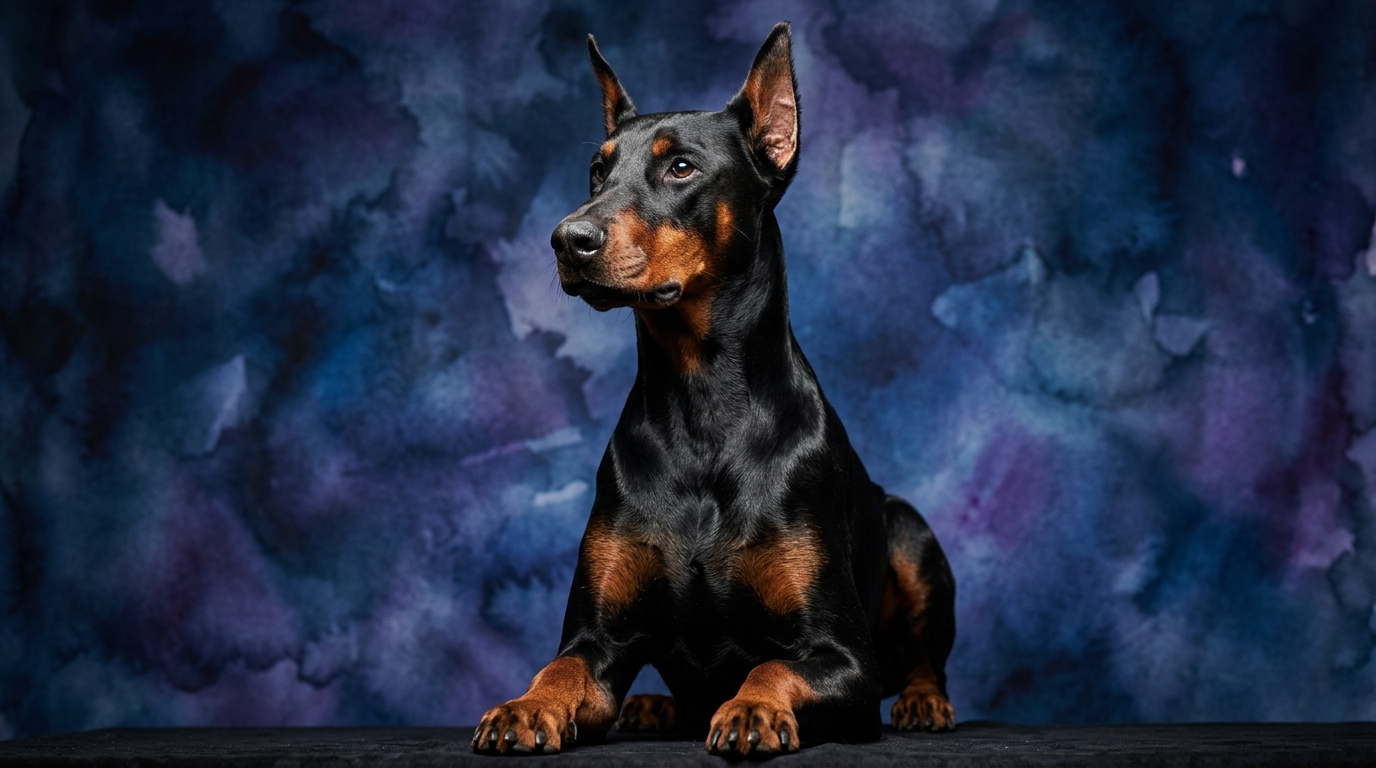
The Cosmic Pet Pet IQ Lab provides a unique lens through which to compare these two distinct breeds. The Doberman Pinscher, a Working breed, consistently scores at the top, holding Coren rank #5. Its Problem Solving is rated 5/5, indicating an exceptional ability to analyze complex situations and devise efficient solutions. Training Speed is also 5/5, meaning new commands and routines are absorbed with remarkable quickness and minimal repetitions. Social Intelligence stands at 4/5, reflecting a keen attunement to human cues and an understanding of hierarchical structures. Its Instinctive Drive is a perfect 5/5, denoting powerful innate drives for protection, guarding, and task completion, coupled with high focus. Finally, its Memory is 5/5, enabling the retention of complex sequences, commands, and experiences over long periods with remarkable accuracy.
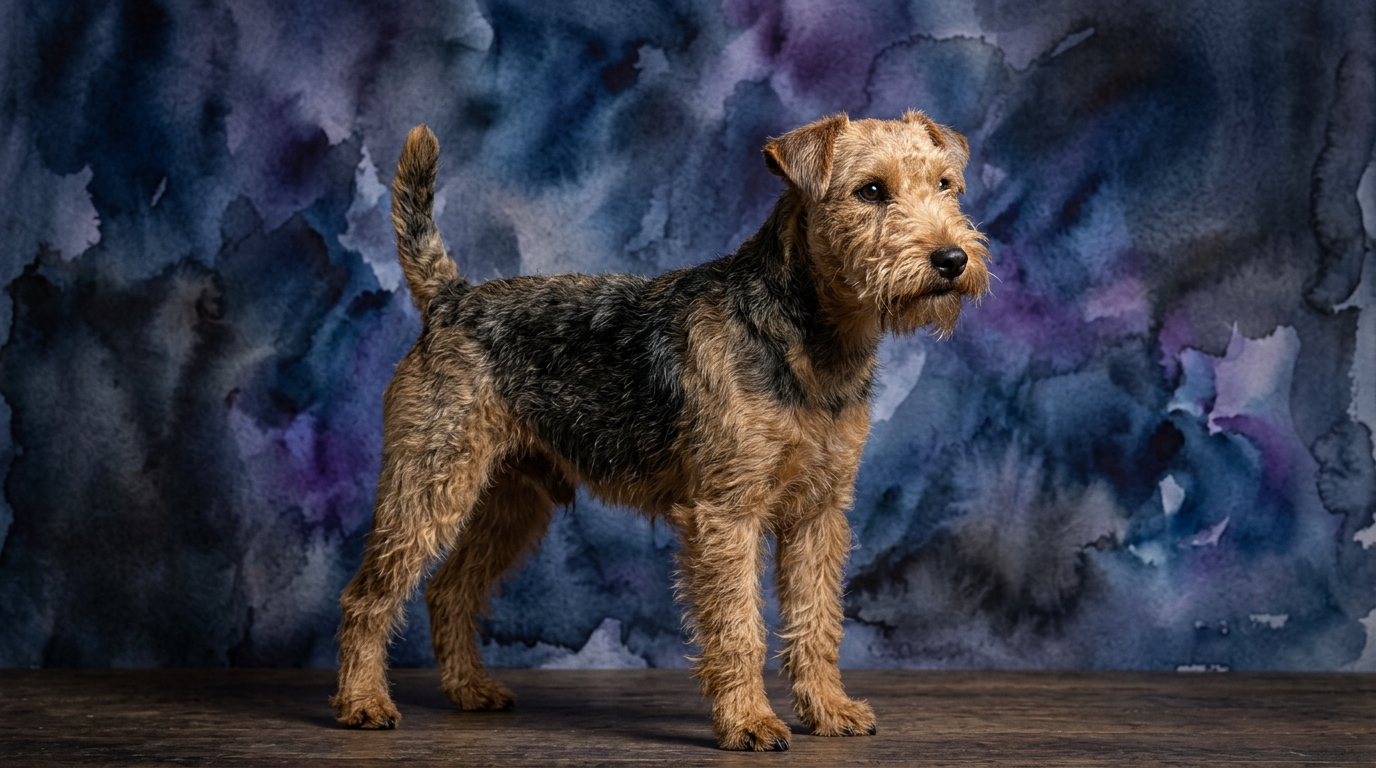
In contrast, the Lakeland Terrier, a Terrier breed, is not Coren-ranked and presents a different cognitive blueprint. Its Problem Solving is rated 3/5, suggesting it approaches challenges with determination, often through trial and error, demonstrating persistence rather than immediate insight. Training Speed is 3/5, indicating it requires consistent, patient, and engaging methods, often learning independently rather than seeking immediate human direction. Social Intelligence is 3/5, meaning it forms strong bonds with its chosen family but may be more reserved or selective in broader social contexts, less driven by human approval. Its Instinctive Drive is 3/5, reflecting a strong, independent prey drive and tenacity for its original purpose. Memory is also 3/5, retaining learned behaviors but potentially requiring reinforcement to solidify complex patterns due to its independent learning style.
Where the Doberman Pinscher Wins Cognitively
The Doberman Pinscher shines in rapid cognitive processing, structured learning, and unwavering focus. Its perfect 5/5 scores in problem-solving and training speed mean this breed absorbs and executes complex multi-step commands almost effortlessly, mastering new disciplines like advanced obedience or protection work with remarkable efficiency. Unlike breeds requiring extensive repetition, a Doberman often grasps concepts after just a few exposures, internalizing behavior and committing it to memory with its 5/5 recall. This retention extends beyond simple commands; they remember intricate routines, specific locations, and subtle environmental changes, making them exceptional partners for tasks demanding precision and consistent performance. Their 5/5 instinctive drive is a highly channeled mental force, allowing intense concentration on a given task, whether tracking, guarding, or performing a complex sport sequence. This focused drive, combined with a 4/5 social intelligence, means they are not just capable, but also highly responsive to human direction, eager to work in partnership. For owners seeking a dog for advanced canine activities or structured roles, the Doberman's cognitive profile represents a significant advantage.
Where the Lakeland Terrier Wins Cognitively
While the Lakeland Terrier's cognitive scores might not reach the Doberman's peaks in typical obedience metrics, its unique strengths lie in tenacious independence and self-reliance, attributes forged by its original purpose. A Lakeland's problem-solving (3/5) often manifests as persistent, trial-and-error exploration, rather than seeking immediate human direction. This isn't a deficiency but a different cognitive approach; they are adept at figuring things out on their own, demonstrating ingenuity when faced with obstacles without constant human guidance. Their instinctive drive (3/5), though numerically lower, is finely tuned for independent vermin control, demanding a specific kind of focused determination that allows relentless pursuit, even in challenging conditions. This self-sufficient approach means a Lakeland can operate effectively without constant human oversight, demonstrating a robust, resilient mind capable of sustained, independent effort where a highly biddable dog might falter. Their 3/5 social intelligence fosters deep, selective bonds and a keen awareness of their immediate family, often accompanied by a cautious but observant stance towards strangers. This combination of independent thought, tenacious drive, and selective social engagement makes them uniquely suited for roles requiring grit, self-reliance, and a persistent, often unconventional, approach to challenges.
Which is Easier to Train and Why?
Without question, the Doberman Pinscher is significantly easier to train, a direct consequence of its superior cognitive profile. With a 5/5 training speed, Dobermans absorb new commands and routines with minimal repetitions, possessing an innate desire to understand and comply. Their problem-solving ability (5/5) allows them to quickly deduce requests, and exceptional memory (5/5) ensures long-term retention. Their social intelligence (4/5) further enhances trainability, as they are highly attuned to human cues, making communication efficient. In contrast, the Lakeland Terrier, with a training speed of 3/5, requires a more patient, consistent, and creative approach. Their independent nature means they are often less inclined to blindly follow commands. While capable, their problem-solving (3/5) involves persistent exploration rather than immediate compliance, and memory (3/5) benefits greatly from frequent, engaging reinforcement. Owners often describe training a Lakeland as a collaborative effort, where motivation must be carefully cultivated. Real behavioral differences include the Doberman's eagerness to please and handler focus versus the Lakeland's self-directed focus, prioritizing its own interests if a more compelling activity arises.
Which Suits Active Owners vs. Relaxed Owners?
The Doberman Pinscher is an ideal match for highly active owners who thrive on structured engagement and consistent mental stimulation. Their 5/5 instinctive drive and boundless energy demand rigorous daily exercise, including complex brain games, obedience work, or canine sports. A Doberman without sufficient outlets can become bored and destructive, channeling its cognitive prowess negatively. They flourish when given a job and clear purpose. Conversely, the Lakeland Terrier also requires an active lifestyle, but one of a different flavor, suiting active owners who appreciate independence and can offer varied, exploratory activities rather than highly structured routines. While they possess a 3/5 instinctive drive, it's geared towards tenacious exploration, meaning long walks, sniffing opportunities, and puzzle toys challenging their independent problem-solving (3/5) are essential. They thrive on adventures using their senses and robust physical capabilities. Relaxed owners, preferring minimal daily activity, would find both breeds challenging, as both require significant investment in physical and mental well-being to prevent frustration.
The Verdict
Choose the Doberman Pinscher if you seek a highly trainable, driven, and responsive companion eager for structured work, advanced training, and a clear partnership in demanding activities. They excel with owners committed to consistent mental and physical challenges, thriving on purpose and precision.
Opt for the Lakeland Terrier if you appreciate an independent, tenacious spirit and can provide engaging, less structured mental and physical challenges, valuing a dog that thinks for itself and approaches life with persistent, spirited curiosity.
🧠 Find Your Pet's IQ Score
Our Pet IQ Lab assessment covers 25+ tests across 5 cognitive dimensions — personalized to your breed.
Take the Full IQ Test →Frequently Asked Questions
Is a Doberman Pinscher or Lakeland Terrier better for a first-time dog owner?
A Doberman Pinscher, despite its high energy, can be a good choice for a dedicated first-time owner willing to invest heavily in training due to its biddability. A Lakeland Terrier, with its independent nature, might be more challenging for a novice owner who isn't prepared for its specific training needs.
How do their social needs differ?
The Doberman Pinscher, with 4/5 social intelligence, generally thrives on close human interaction and strong family bonds, often seeking to be part of all activities. The Lakeland Terrier, at 3/5, forms deep bonds but can be more independent and selective in its social engagements, often wary of strangers.
Which breed is more prone to destructive behavior if not stimulated?
Both breeds can exhibit destructive behaviors if not adequately stimulated, but their manifestations differ. A Doberman Pinscher might resort to chewing or excessive barking due to boredom from lack of structured mental work, while a Lakeland Terrier might engage in digging, escape attempts, or relentless pursuit of perceived 'prey' due to unchanneled instinctive drives.