Side-by-Side IQ Profile: Doberman Pinscher vs. Maltese
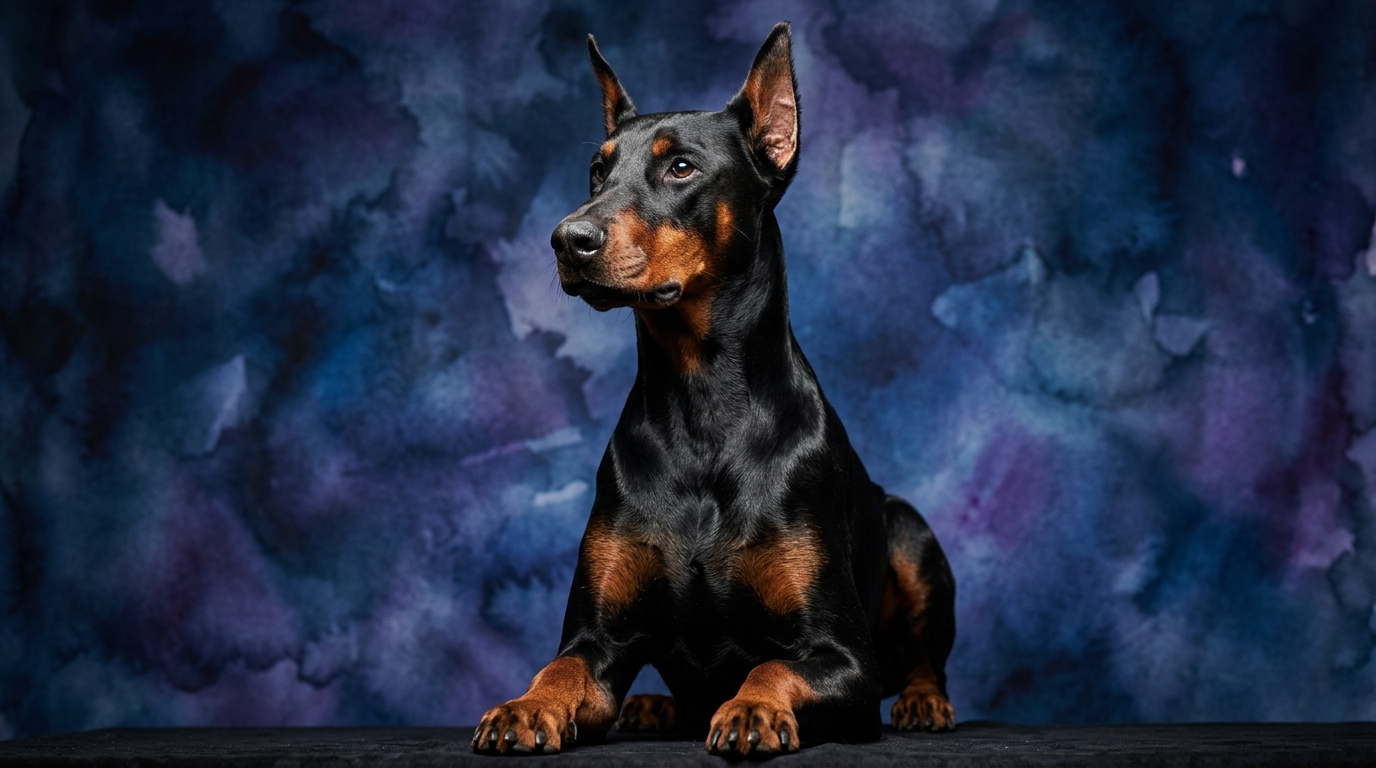
The Cosmic Pet Pet IQ Lab evaluates canine intelligence across five critical dimensions: Problem Solving, Training Speed, Social Intelligence, Instinctive Drive, and Memory. These metrics offer a nuanced look beyond simple obedience, revealing how different breeds process information and interact with their world. The Doberman Pinscher, ranking #5 on the Coren scale, presents a formidable cognitive blueprint. Their Problem Solving is rated 5/5, indicating an exceptional capacity to navigate complex challenges and independently figure out solutions, a trait honed by their historical roles requiring decisive action. Training Speed also scores a perfect 5/5, meaning they grasp new commands and routines with remarkable rapidity, often requiring minimal repetition. Their Social Intelligence, at 4/5, suggests a strong understanding of human cues and a desire to interact, though perhaps with a focus on task-oriented communication rather than pure emotional connection. Instinctive Drive is a powerful 5/5, reflecting a deep-seated motivation to perform and engage in purposeful activities, whether guarding or scent work. Finally, their Memory is a stellar 5/5, allowing them to retain vast amounts of information, from specific commands to past experiences and learned environments. This complete package makes the Doberman a highly capable and adaptable working partner.
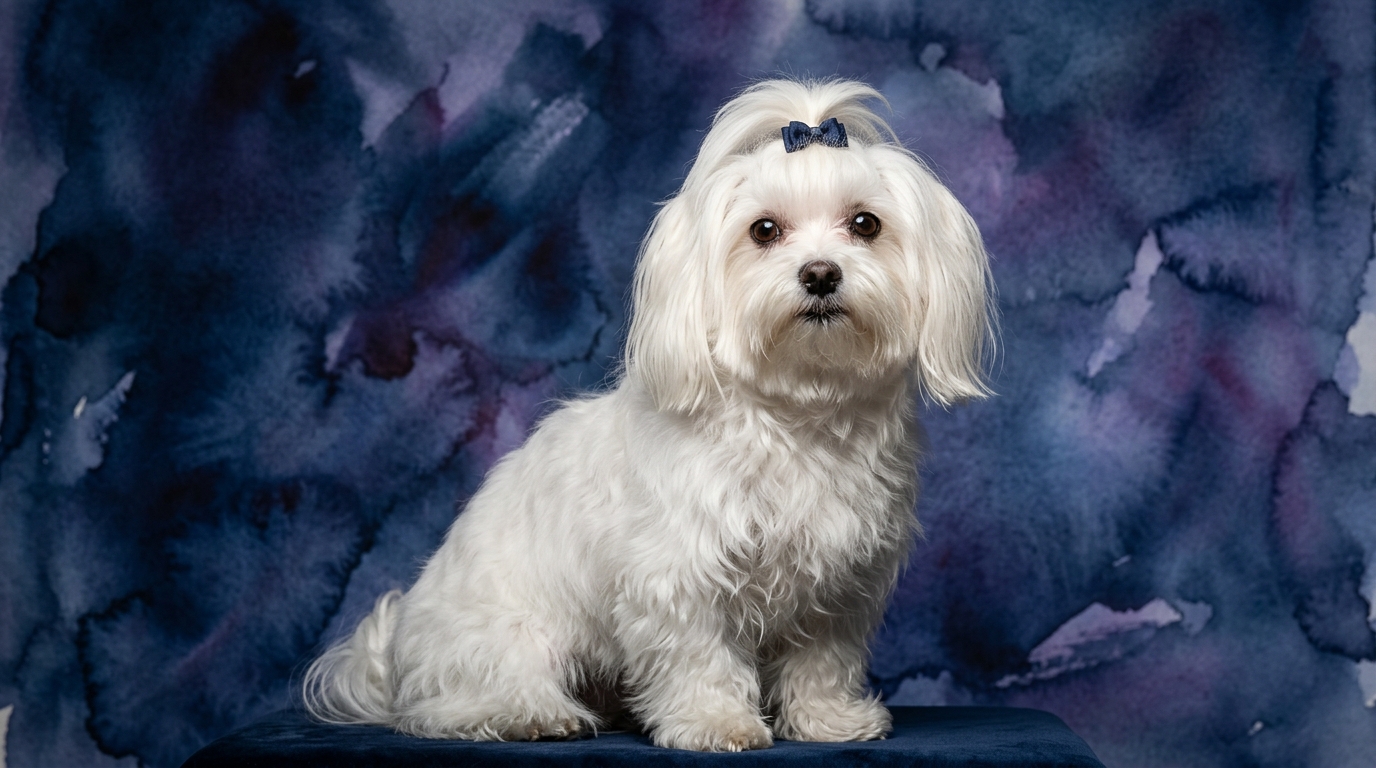
In stark contrast, the Maltese, with a Coren rank of #59, showcases a different set of cognitive strengths tailored to their role as a devoted companion. Their Problem Solving is rated 3/5, indicating a moderate ability to tackle novel situations, often preferring guidance from their human. Training Speed also sits at 3/5; they are certainly trainable, but may require more patience and consistent reinforcement compared to their working counterparts. Where the Maltese truly shines is in Social Intelligence, scoring a perfect 5/5. This reflects an extraordinary aptitude for understanding and responding to human emotions, forming deep bonds, and seamlessly integrating into family life. Their Instinctive Drive is 2/5, meaning they possess a lower inherent urge for independent tasks or sustained physical 'work,' preferring instead to be close to their people. Their Memory, at 3/5, is sufficient for everyday routines and basic commands but may not encompass the same depth or breadth as a breed designed for complex, multi-stage tasks. These profiles underscore that 'intelligence' is multifaceted, with each breed's cognitive strengths serving its unique purpose.
Where the Doberman Pinscher Wins Cognitively
The Doberman Pinscher's cognitive architecture is designed for efficiency and execution, making them excel in areas requiring sharp intellect and unwavering focus. Their 5/5 Problem Solving means they don't just follow instructions; they can analyze situations, learn from mistakes, and apply previous knowledge to new contexts. This manifests in their ability to navigate intricate obstacle courses or understand complex multi-step commands, not merely as rote memorization but as a genuine understanding of cause and effect. Coupled with a 5/5 Training Speed, they absorb new information almost instantaneously, transforming novel concepts into ingrained behaviors with astounding speed. This rapid assimilation isn't just about obedience; it's about forming strong cognitive links between cues and actions. Their 5/5 Memory further solidifies these gains, ensuring that once a lesson is learned, it is rarely forgotten, contributing to their reputation for consistent performance over time. This robust cognitive toolkit, backed by a strong Instinctive Drive, positions the Doberman as a breed capable of mastering advanced disciplines like protection sports, competitive obedience, and search and rescue, where quick thinking and reliable recall are paramount.
Where the Maltese Wins Cognitively
While the Doberman excels in task-oriented cognition, the Maltese's cognitive strengths lie in the realm of social and emotional connection, a hallmark of their companion breed heritage. Their standout 5/5 Social Intelligence is not merely about being friendly; it reflects a profound capacity to read human body language, vocal tones, and emotional states with remarkable accuracy. This allows them to adapt their behavior to suit the mood of their household, offering comfort when needed or playful engagement at opportune moments. Unlike breeds driven by independent tasks, the Maltese's lower 2/5 Instinctive Drive means they are less preoccupied with 'work' and more focused on the dynamics of their human relationships. This translates into a dog whose primary cognitive engagement revolves around social interaction, making them exceptionally attuned to their family's needs and desires. Their moderate Problem Solving and Training Speed are perfectly adequate for learning household rules and basic manners, but their true genius lies in their ability to foster deep, intuitive bonds. They excel at communicating their needs and understanding subtle human cues, often anticipating desires before they are explicitly expressed, making them profoundly empathetic and responsive companions.
Which is Easier to Train and Why
When considering ease of training, the Doberman Pinscher generally presents a more straightforward path for owners seeking to teach complex commands and routines, due to their impressive cognitive ratings. Their 5/5 Training Speed means they pick up new concepts with minimal repetition, often understanding the intent behind a command after just a few exposures. This rapid learning, combined with their 5/5 Memory, ensures that once a behavior is taught, it is reliably retained. Furthermore, their powerful 5/5 Instinctive Drive means they are often eager to engage in structured activities and find satisfaction in performing tasks, making them highly motivated students. For instance, teaching a Doberman a multi-step retrieve or a complex agility sequence can be surprisingly efficient because they quickly grasp the pattern and purpose. The Maltese, with a 3/5 Training Speed and 3/5 Memory, is certainly trainable, but the process may require more patience and consistent, positive reinforcement. They can learn all necessary household manners and basic obedience, but their motivation often stems from their strong 5/5 Social Intelligence – they learn to please their people and for the social reward of interaction, rather than an inherent drive for the task itself. While a Doberman might thrive on the challenge of a new trick, a Maltese might be more interested in the cuddles and praise that follow. Therefore, while both breeds are capable of learning, the Doberman's inherent cognitive wiring makes them quicker to train for complex, task-oriented behaviors, while the Maltese responds best to training integrated with affectionate interaction.
Which Suits Active Owners vs. Relaxed Owners
The choice between a Doberman Pinscher and a Maltese often hinges on an owner's lifestyle and their capacity to meet a breed's cognitive and physical needs. The Doberman Pinscher, with its 5/5 Instinctive Drive, 5/5 Problem Solving, and 5/5 Training Speed, thrives with active owners who can provide consistent mental stimulation and physical exercise. These dogs require more than just walks; they need purposeful activities like agility, obedience trials, protection work, or extensive puzzle games to engage their formidable intellect. Owners who cannot meet these demands may find their Doberman resorting to self-directed 'problem-solving' that can be destructive or undesirable. They are ideal for individuals or families who enjoy a structured routine, outdoor adventures, and committing time to advanced training. Conversely, the Maltese, with its lower 2/5 Instinctive Drive and moderate physical requirements, is an excellent match for more relaxed owners. While they certainly enjoy walks and playtime, their primary need is companionship and social interaction, facilitated by their 5/5 Social Intelligence. They are content with indoor living and thrive in environments where they can be close to their human family members, making them suitable for apartment dwellers, seniors, or those with less active lifestyles. They still benefit from gentle training and interactive play to keep their minds engaged, but the intensity and duration of these activities are significantly lower than what a Doberman demands. Their cognitive profile makes them perfectly content to be cherished lapdogs who find their greatest joy in shared moments of quiet affection.
The Verdict
Choose a Doberman Pinscher if you seek a highly capable working partner, eager to learn complex tasks, and can provide extensive mental and physical engagement for their powerful drive and intellect. They excel in structured environments and thrive with owners dedicated to advanced training and purposeful activities.
Choose a Maltese if you desire a devoted, emotionally intelligent companion whose greatest joy is social interaction and bonding with their human family. They are ideal for relaxed households seeking a responsive, affectionate presence that requires moderate exercise and thrives on companionship.
🧠 Find Your Pet's IQ Score
Our Pet IQ Lab assessment covers 25+ tests across 5 cognitive dimensions — personalized to your breed.
Take the Full IQ Test →Frequently Asked Questions
Is a Doberman Pinscher too smart for a first-time dog owner?
A Doberman's exceptional cognitive abilities, particularly their high problem-solving and instinctive drive, mean they require consistent, knowledgeable guidance and extensive training. While not impossible for a first-time owner, it demands a significant commitment to education and proactive engagement to channel their intellect constructively.
Do Maltese dogs need mental stimulation despite their lower instinctive drive?
Absolutely. While their instinctive drive is lower, Maltese dogs still benefit greatly from mental engagement, particularly those that involve social interaction. Puzzle toys, gentle training sessions, and interactive play help keep their minds sharp and satisfy their strong social intelligence, preventing boredom.
How does Coren's rank relate to the Cosmic Pet Pet IQ Lab's scores?
Coren's rank primarily reflects a breed's working and obedience intelligence, aligning closely with our 'Training Speed' and 'Problem Solving' dimensions. The Cosmic Pet Pet IQ Lab expands on this by including 'Social Intelligence,' 'Instinctive Drive,' and 'Memory' to provide a more holistic view of a breed's diverse cognitive strengths, acknowledging that different types of intelligence serve different purposes.