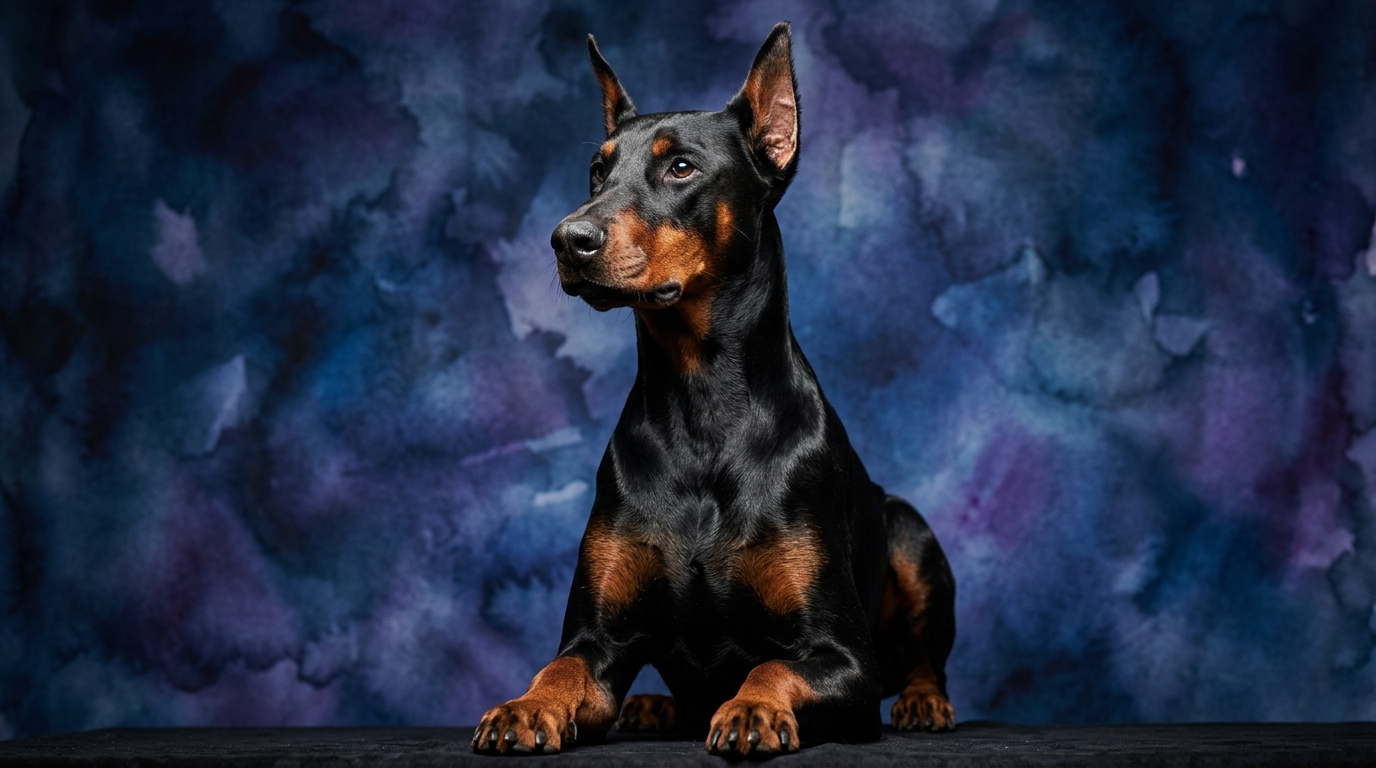
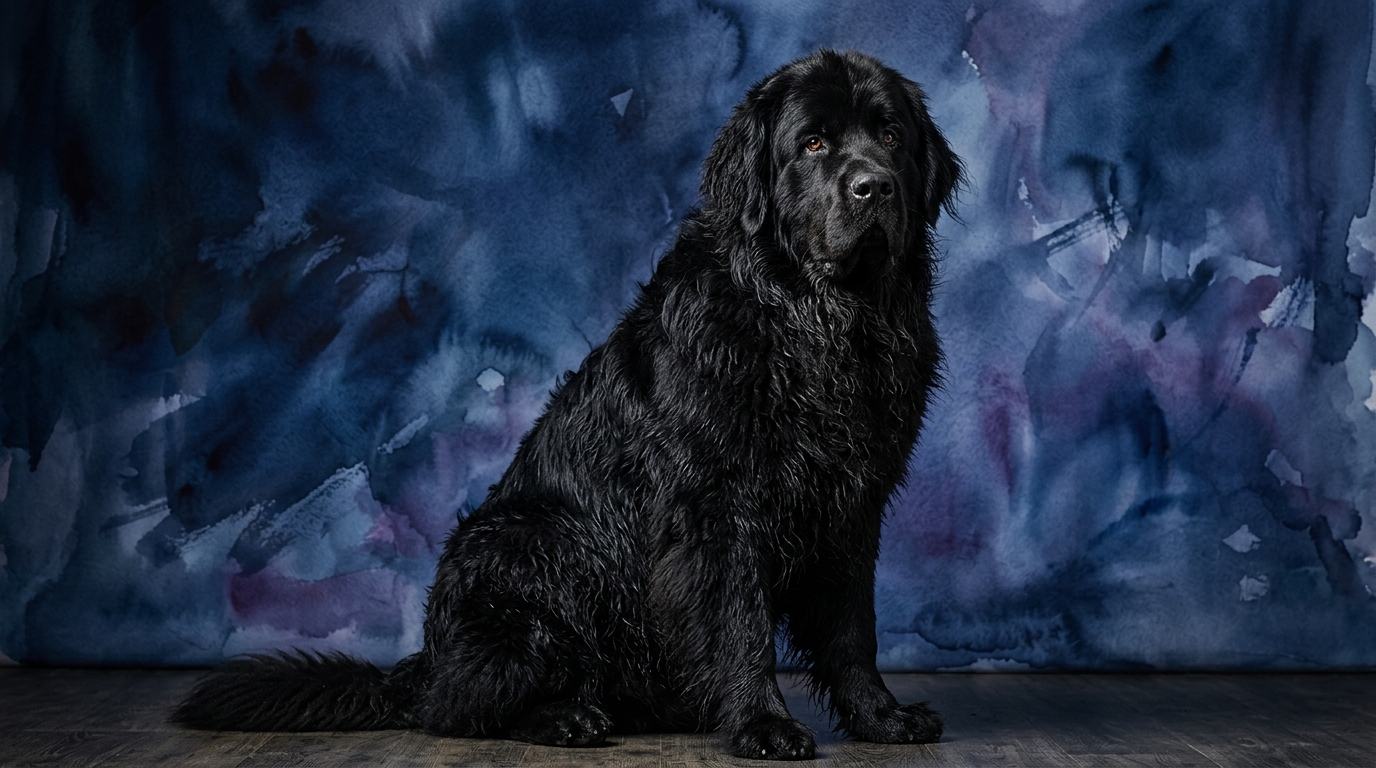
Side-by-Side Cognitive Profiles: Doberman Pinscher vs. Newfoundland
The Doberman Pinscher, ranking an impressive #5 on the Coren intelligence scale, presents a profile of acute mental agility. Their Problem Solving score of 5/5 indicates an exceptional capacity for navigating complex scenarios and devising effective solutions independently. A Training Speed of 5/5 highlights their rapid acquisition of new commands and routines, often grasping concepts with minimal repetition. Social Intelligence, rated at 4/5, suggests a strong awareness of human cues and emotional states, though perhaps not as overtly expressive as some breeds. Their Instinctive Drive is a perfect 5/5, reflecting a powerful innate desire to work and fulfill a purpose, while a Memory score of 5/5 ensures they retain learned information and experiences with remarkable fidelity.
In contrast, the Newfoundland, positioned at #34 on the Coren scale, offers a different, yet equally compelling, cognitive blueprint. Their Problem Solving ability, at 3/5, indicates competence in straightforward tasks but may require more guidance for intricate challenges. A Training Speed of 4/5 means they are responsive and willing to learn, though they may take a little longer to solidify new behaviors than their Doberman counterparts. Where the Newfoundland truly shines is in Social Intelligence, scoring a perfect 5/5, demonstrating an extraordinary empathy and attunement to human emotions and family dynamics. Their Instinctive Drive, also 5/5, speaks to their powerful innate desire to aid and protect, particularly in water rescue. Finally, their Memory, at 4/5, indicates good retention, though perhaps with slightly less precision for minute details compared to the Doberman.
Where the Doberman Pinscher Excels Cognitively
The Doberman Pinscher's cognitive architecture is optimized for rapid processing and decisive action. Their superior Problem Solving (5/5) means they are adept at figuring out complex puzzles, navigating elaborate obstacle courses, or even understanding multi-step commands without direct guidance for each step. This breed often anticipates human intentions and can react proactively, a testament to their high memory and problem-solving combined. Their Training Speed (5/5) is unparalleled, allowing them to master advanced obedience, protection work, or intricate sport sequences with striking efficiency. This quick uptake translates into a dog that can be taught a vast repertoire of commands and behaviors, making them exceptionally versatile for various demanding roles. The Doberman's keen memory ensures that once a lesson is learned, it is rarely forgotten, contributing to their consistent performance across tasks and environments.
Where the Newfoundland Excels Cognitively
The Newfoundland's cognitive strengths lie in their profound emotional depth and unwavering dedication. Their unparalleled Social Intelligence (5/5) makes them extraordinarily sensitive to human moods and subtle non-verbal cues. They possess an innate ability to offer comfort and companionship, often sensing distress before it is overtly expressed. This deep social awareness makes them exceptional therapy or emotional support animals, instinctively knowing how to provide solace. Their perfect Instinctive Drive (5/5) manifests as an inherent desire to help and protect, particularly in situations involving water. This isn't just a learned behavior; it's a deep-seated drive that makes them naturally inclined to pull people from water or stand guard over their family, demonstrating a cognitive framework geared towards selfless service and guardianship through empathy.
Training Dynamics: Doberman Pinscher vs. Newfoundland
When it comes to training, the Doberman Pinscher (Training Speed 5/5) generally presents a faster, more straightforward learning curve. They absorb commands with remarkable speed, often requiring only a few repetitions to solidify a new behavior. This makes them highly rewarding for experienced trainers who enjoy teaching complex sequences and advanced obedience. However, their strong instinctive drive and high energy also mean they require consistent, stimulating training to prevent boredom and channel their mental prowess constructively. Without sufficient mental engagement, their problem-solving skills might be applied to less desirable behaviors.
The Newfoundland (Training Speed 4/5), while still cooperative and willing, may take a little longer to fully internalize new commands. They respond best to patient, positive reinforcement methods and thrive on consistency. Their high social intelligence means they are eager to please their human companions, which is a significant asset in training, fostering a strong bond. While not as quick to master every trick, their dedication and desire for connection ensure they are reliable learners over time. Their formidable instinctive drive, particularly for water work, can be harnessed effectively in specialized training, aligning with their natural inclinations.
Suitability for Active vs. Relaxed Owners
For active owners seeking a dynamic partner, the Doberman Pinscher is an exceptional match. Their high problem-solving ability, intense instinctive drive, and boundless memory mean they thrive on consistent mental and physical challenges. Owners who enjoy dog sports like agility, obedience trials, protection work, or simply long, vigorous runs and puzzle toys will find the Doberman an eager and capable participant. Their need for engagement is constant; a Doberman without sufficient outlets for their cognitive and physical energy can become restless or destructive, requiring an owner committed to providing a structured, stimulating lifestyle.
Relaxed owners who appreciate a steadfast, empathetic companion might find the Newfoundland more aligned with their lifestyle. While still requiring regular exercise to maintain their large physique, their primary cognitive need is often social connection and a sense of belonging. Their exceptional social intelligence makes them content to be near their family, offering quiet companionship. They are less driven by the constant need for complex mental puzzles or high-speed activities, preferring a more measured pace. An owner who enjoys leisurely walks, gentle play, and values a deeply affectionate and intuitive presence will appreciate the Newfoundland's calm demeanor and profound emotional connection.
FAQs
What is the Coren rank and why is it mentioned?
The Coren rank refers to Stanley Coren's 'The Intelligence of Dogs,' which ranks breeds by their working and obedience intelligence. It provides a general benchmark for how quickly a breed learns new commands and obeys them, offering a broad perspective on trainability.
Does a lower problem-solving score mean a dog isn't smart?
Absolutely not. A lower problem-solving score simply indicates a different cognitive emphasis. While some breeds excel at independent problem-solving, others might prioritize social intelligence or instinctive drive, which are equally valuable forms of canine cognition.
How do instinctive drive scores impact ownership?
A high instinctive drive means a dog possesses a strong, innate motivation for specific behaviors, like guarding, herding, or retrieving. For owners, this translates to a need to channel these drives constructively through appropriate training and activities, or risk them manifesting in undesirable ways if left unfulfilled.
The Verdict
Choose the Doberman Pinscher if you are an active individual or family seeking a highly trainable, mentally agile partner for demanding activities and a structured, stimulating environment.
Opt for the Newfoundland if you desire an exceptionally empathetic, devoted, and gentle companion who thrives on deep social bonds and offers a calm, protective presence within the family.
🧠 Find Your Pet's IQ Score
Our Pet IQ Lab assessment covers 25+ tests across 5 cognitive dimensions — personalized to your breed.
Take the Full IQ Test →Frequently Asked Questions
Are Doberman Pinschers good family dogs?
Yes, with proper socialization and training, Doberman Pinschers can be loyal and protective family members. Their high social intelligence (4/5) allows them to bond closely, but their energetic nature requires consistent engagement from their human family.
Do Newfoundlands shed a lot?
Newfoundlands have a thick double coat designed for water, and they do shed considerably, especially seasonally. Regular grooming is essential to manage their coat and maintain their skin health, which is a practical consideration for potential owners.
Which breed is better for first-time dog owners?
The Newfoundland's higher social intelligence and generally more relaxed demeanor can make them a more forgiving choice for first-time owners willing to commit to grooming and basic training. Dobermans, with their intense drive and quick learning, often benefit from owners with prior dog experience.