Side-by-Side IQ Profile: Doberman Pinscher vs. Pekingese
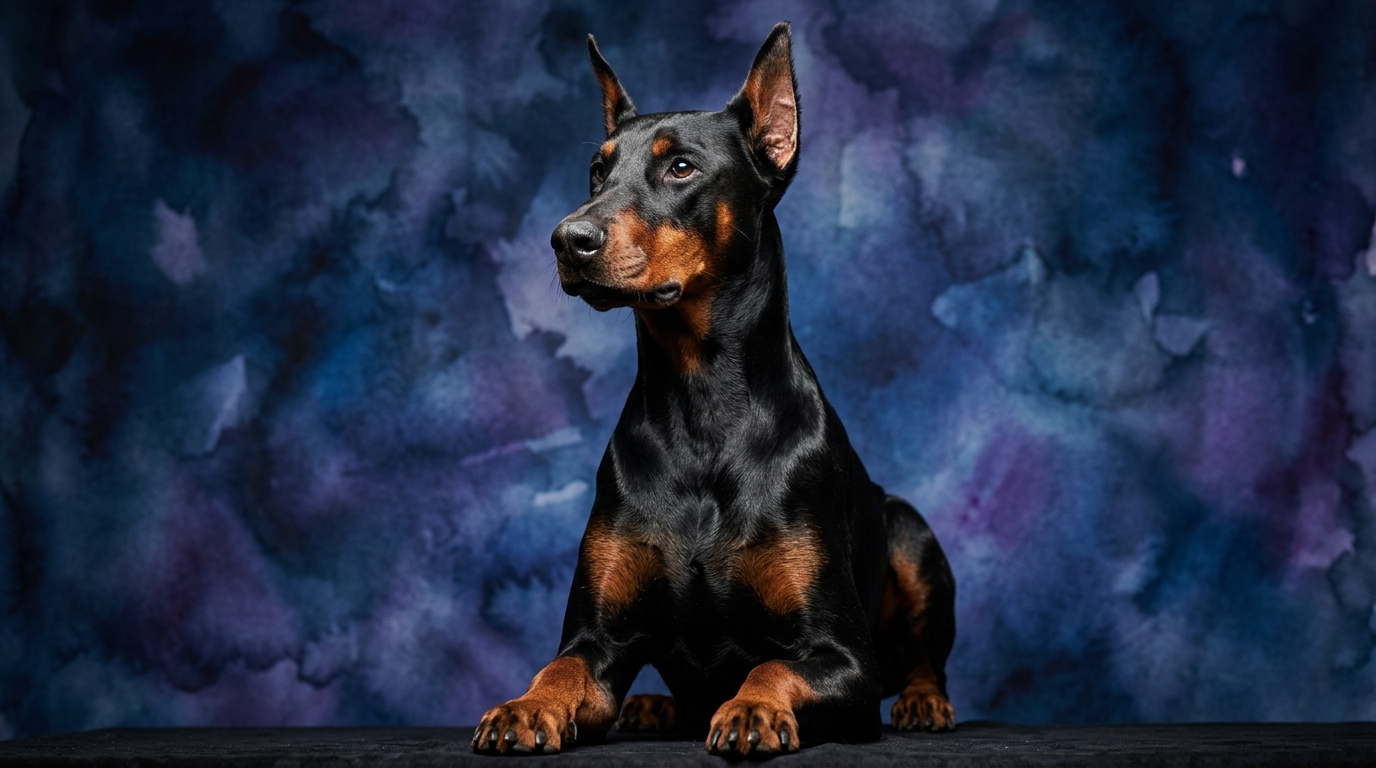
A working breed, the Doberman Pinscher consistently demonstrates a formidable cognitive architecture. Their Problem Solving is rated 5/5, indicating an exceptional capacity to navigate complex challenges, devise solutions, and learn from experience with remarkable efficiency. Training Speed also scores 5/5, reflecting their eagerness to absorb commands and new behaviors rapidly, often requiring fewer repetitions than many other breeds. Social Intelligence, at 4/5, shows a strong attunement to human cues and social structures, enabling effective partnership, though perhaps with a hint of independent thought. Their Instinctive Drive is a perfect 5/5, fueling their innate desire to work, protect, and engage with their environment with purpose. Finally, Memory at 5/5 ensures they retain learned information and experiences with enduring precision, making them consistent and reliable companions once trained.
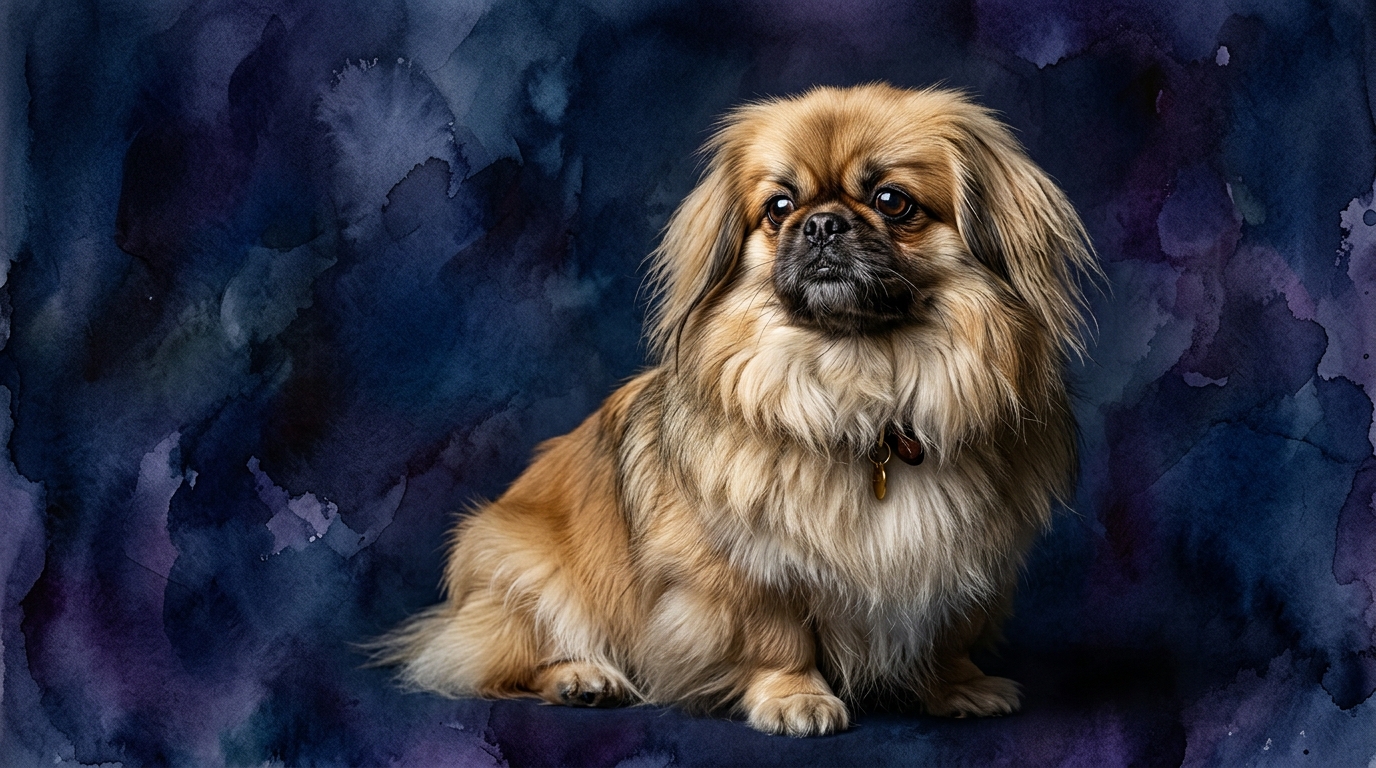
In stark contrast, the Pekingese, a toy breed, presents a cognitive profile geared towards companionship with a distinct sense of self-reliance. Their Problem Solving ability is rated 3/5, suggesting they can handle common household dilemmas but may not be inclined towards intricate puzzles or complex learned tasks. Training Speed also sits at 3/5, meaning they can learn commands and routines, but often at a more deliberate pace, potentially requiring patient and consistent methods. Social Intelligence, also 3/5, indicates they form bonds with their chosen humans but might not always prioritize human direction over their own preferences. Instinctive Drive is 3/5, reflecting a lower innate impulse for demanding work or protection roles, instead favoring a more relaxed and self-contained existence. Their Memory, rated 3/5, is sufficient for daily routines and recognizing familiar faces, though perhaps not for recalling extensive repertoires of complex behaviors over long periods.
Where the Doberman Pinscher Wins Cognitively
The Doberman Pinscher's cognitive strengths are undeniably rooted in its history as a working and protection breed, manifesting across several IQ dimensions. Its 5/5 Problem Solving score means it excels at tasks requiring sequential thought and adaptation, such as navigating intricate obedience courses or understanding multi-step commands without constant prompting. This breed frequently displays an aptitude for discerning patterns and applying learned solutions to novel situations, a cognitive hallmark of true ingenuity.
Furthermore, the Doberman's perfect 5/5 for Training Speed and Memory gives it a significant advantage in structured learning environments. They absorb new information quickly and retain it with remarkable fidelity, allowing for the rapid acquisition of advanced skills in areas like search and rescue, competitive obedience, or service work. Their powerful Instinctive Drive (5/5) means they are not just capable, but also highly motivated to engage in challenging mental and physical activities, channeling their cognitive prowess into purposeful action.
Where the Pekingese Wins Cognitively
While the Pekingese's IQ scores may not reach the Doberman's peaks in traditional working dog metrics, their cognitive profile represents a distinct success story for a companion breed. Their 3/5 Social Intelligence, for instance, means they are often content with a more independent relationship, requiring less constant human direction or validation. This self-possessed nature translates into a cognitive "win" for owners seeking a companion who is comfortable entertaining themselves and doesn't demand perpetual mental engagement from their human.
The Pekingese's moderate Instinctive Drive (3/5) and Problem Solving (3/5) mean they are less prone to developing destructive behaviors out of boredom or a need for intense mental stimulation, unlike breeds with higher drives. Their cognitive strengths lie in their adaptability to a relaxed domestic environment, their contentment with simpler mental tasks, and their ability to thrive without the constant "job" that many working breeds require. This breed's intelligence is perfectly calibrated for a life of dignified companionship, where astute observation and a discerning personality are often more valued than complex problem-solving or rapid obedience.
Which is Easier to Train and Why
Based on our IQ Lab metrics, the Doberman Pinscher (Training Speed 5/5) is unequivocally the easier breed to train for complex tasks and consistent obedience. Their exceptional capacity for rapid learning, coupled with a strong desire to please and a focused demeanor, means they grasp new commands and routines with minimal repetition. Real behavioral differences include their natural inclination to pay close attention to handler cues, their robust memory for learned behaviors, and their inherent drive to perform, making them highly responsive to positive reinforcement methods.
The Pekingese (Training Speed 3/5), while certainly trainable, typically presents a more deliberate learning curve. Their moderate social intelligence and lower instinctive drive mean they may not always perceive complex training as a high-priority endeavor, often preferring to follow their own independent thoughts. Owners might encounter more instances of "selective hearing" or a need for higher motivation, as Pekingese are less inherently driven to perform intricate commands purely for human approval, making patience and consistent, positive reinforcement crucial for success.
Which Suits Active Owners vs. Relaxed Owners
For active owners seeking a canine partner for demanding activities, the Doberman Pinscher is an ideal match. Their 5/5 Instinctive Drive ensures they thrive on purposeful engagement, whether it's agility, protection work, extensive hiking, or competitive obedience. These owners are often looking for a dog that requires significant mental and physical stimulation, one that can keep pace with an energetic lifestyle and genuinely enjoys learning and performing complex tasks alongside them. A Doberman needs an owner who can consistently channel its considerable cognitive and physical energies into productive outlets.
Conversely, the Pekingese is exceptionally well-suited for relaxed owners who appreciate a more sedate pace of life and a companion that doesn't demand constant strenuous activity or elaborate mental challenges. Their moderate drives and independent nature mean they are content with shorter, leisurely strolls and indoor companionship. Owners who prefer a dog that is self-sufficient, enjoys quiet observation, and provides calm presence rather than an eager participant in every adventure will find the Pekingese's cognitive and physical profile aligns perfectly with their lifestyle.
The Verdict
Choose a Doberman Pinscher if you are an active, committed owner ready to invest significant time in advanced training, mental enrichment, and physical exercise for a highly capable and driven canine partner. This breed excels when given a "job" and a clear structure, thriving on consistent engagement and a strong partnership.
Opt for a Pekingese if you desire a charming, independent companion who is content with a more relaxed lifestyle, moderate activity, and appreciates a calm, dignified presence without the need for constant mental stimulation or demanding training regimens. This breed fits well with owners who value quiet companionship and a dog that is comfortable in its own serene world.
🧠 Find Your Pet's IQ Score
Our Pet IQ Lab assessment covers 25+ tests across 5 cognitive dimensions — personalized to your breed.
Take the Full IQ Test →Frequently Asked Questions
Do Doberman Pinschers get bored easily if not mentally stimulated?
Yes, with their 5/5 Problem Solving and Instinctive Drive, Dobermans require consistent mental engagement to prevent boredom. Lack of stimulation can lead to frustration and potentially undesirable behaviors, as their minds are wired for purposeful activity and learning.
Is a Pekingese a good choice for someone new to dog ownership?
A Pekingese can be a good choice for new owners who understand their independent nature and are prepared for a slower training pace (3/5 Training Speed). They don't demand intense exercise or complex mental games, making their physical and cognitive needs manageable for a first-time owner seeking a calm companion.
How does the Doberman's 4/5 Social Intelligence manifest compared to other breeds?
A Doberman's 4/5 Social Intelligence means they are highly perceptive of human emotions and social dynamics, making them excellent partners. While deeply bonded, they also possess a degree of independent thought and don't always blindly follow, offering a balanced blend of cooperation and self-assuredness.