Side-by-Side IQ Profile
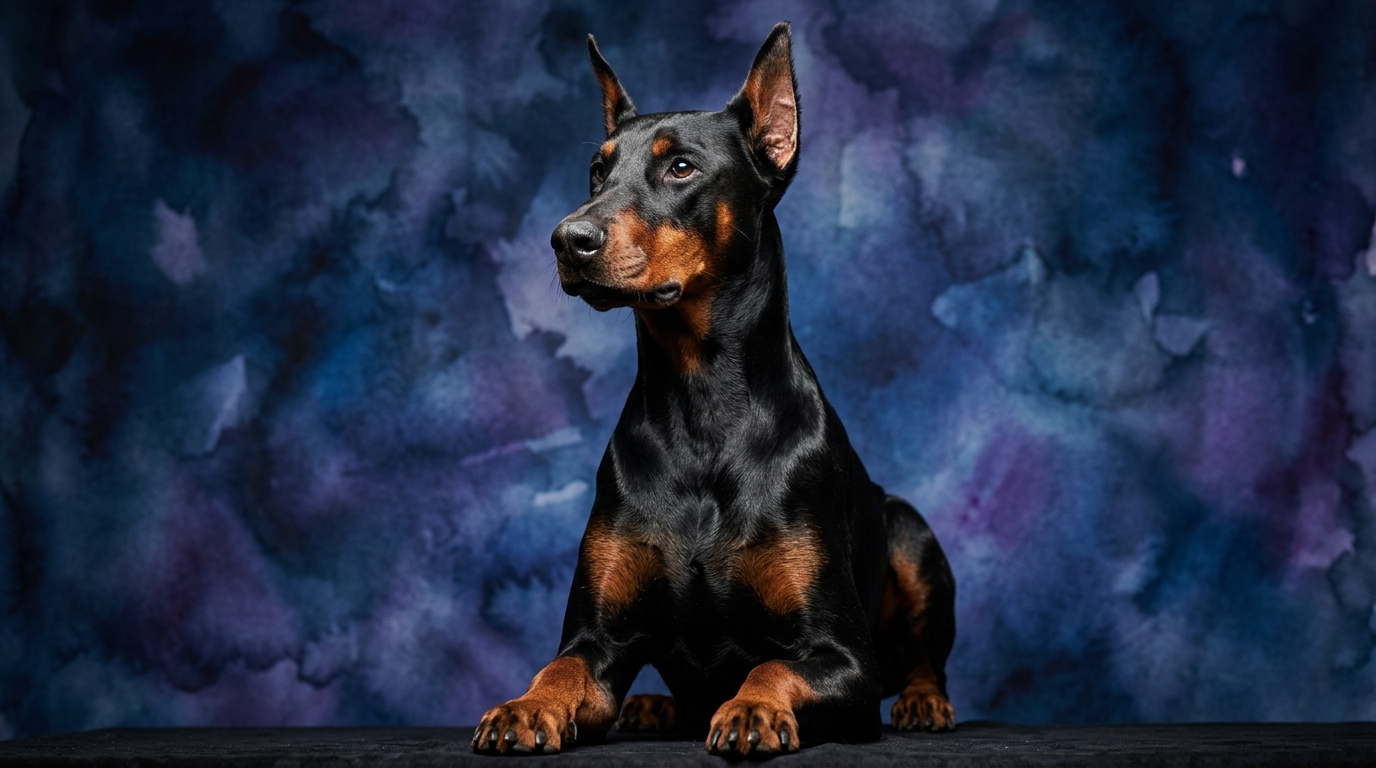
The Doberman Pinscher, a Coren-ranked #5 working breed, exhibits a cognitive profile designed for intricate tasks and rapid mastery. Their Problem Solving is rated 5/5, indicating an exceptional capacity for complex reasoning, strategic planning, and adapting to novel situations, often demonstrating foresight in achieving goals. Training Speed also stands at 5/5, meaning they grasp new commands, routines, and multi-step sequences with remarkable swiftness, often requiring minimal repetition. Social Intelligence, at 4/5, reflects their strong attunement to human cues, intent, and emotional states, making them highly responsive companions and formidable protectors. Their Instinctive Drive, a perfect 5/5, is channeled into guarding, protection, and dedicated work, fueling their focus and tenacity. Finally, a Memory score of 5/5 ensures they retain vast amounts of learned information, from commands to complex patterns, over extended periods.
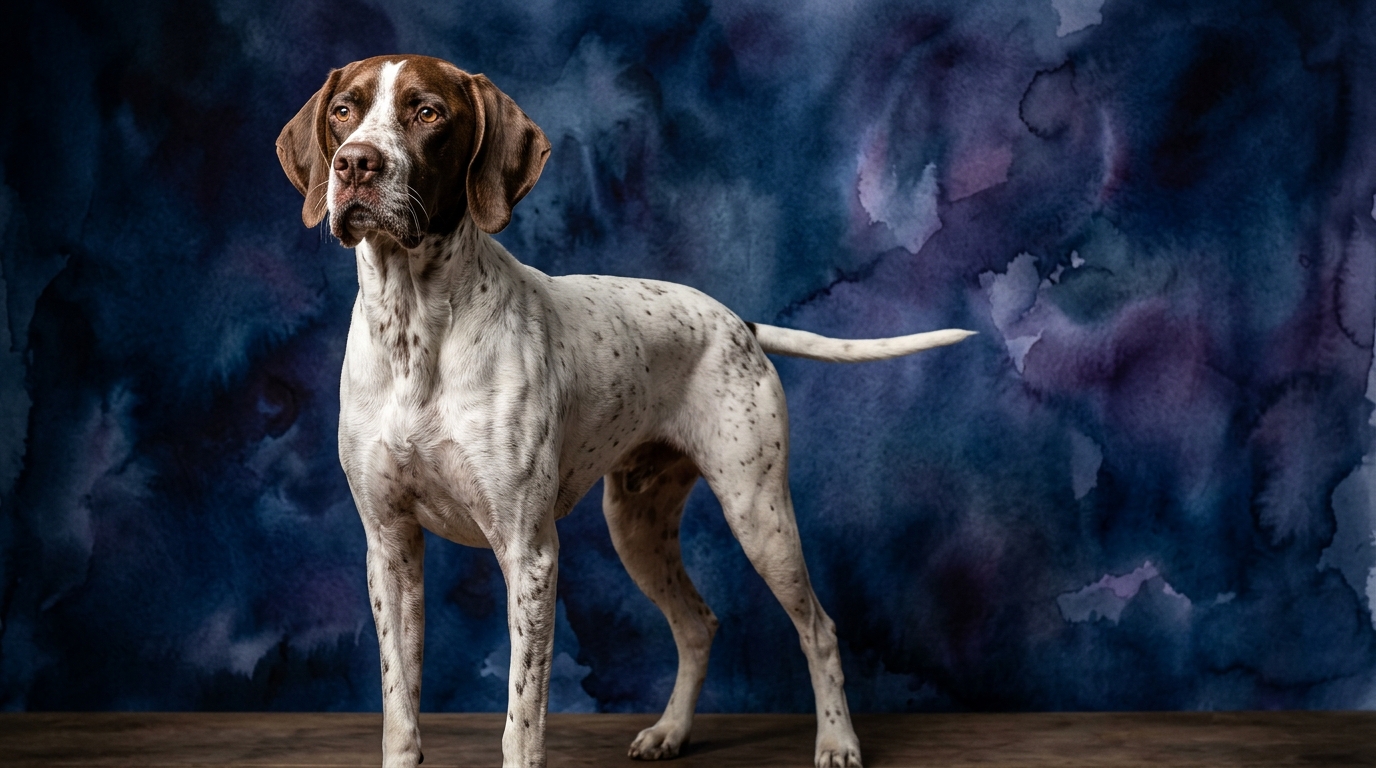
In contrast, the Pointer, a dedicated sporting breed without a specific Coren ranking, presents a cognitive makeup specialized for its field work. Their Problem Solving is rated 3/5, suggesting a practical, hands-on approach to challenges, particularly those related to scent detection and navigating terrain, rather than abstract conceptualization. Training Speed also sits at 3/5, indicating a steady learning pace that benefits from consistent, reward-based methods tailored to their natural instincts. Social Intelligence, at 3/5, points to an amiable, cooperative nature, particularly with their handlers in the field, though perhaps less nuanced in interpreting complex human emotions compared to the Doberman. Their Instinctive Drive, also 3/5, is primarily directed towards hunting, scenting, and retrieving, showcasing a focused persistence in their specialized tasks. Lastly, a Memory score of 3/5 means they effectively recall field lessons and specific task sequences when consistently reinforced.
Where Doberman Pinscher Wins Cognitively
The Doberman Pinscher's cognitive architecture provides distinct advantages in scenarios demanding advanced mental agility and rapid adaptation. Their superior Problem Solving (5/5) allows them to independently strategize and overcome obstacles, such as figuring out how to manipulate latches or retrieve objects from intricate hiding spots, demonstrating a proactive approach to challenges. This isn't merely trial-and-error; it’s often a sequence of calculated actions. Coupled with a perfect Training Speed (5/5), Dobermans excel in environments where new commands, complex chains of behavior, or even entirely new tasks are introduced frequently. They don't just learn; they generalize concepts, applying principles learned in one context to entirely new situations with impressive efficiency.
Furthermore, the Doberman's exceptional Memory (5/5) means they retain vast repertoires of commands, routines, and even subtle environmental cues, making long-term training and consistent performance far more straightforward. This robust memory underpins their capacity for advanced obedience, protection work, and even competitive dog sports, where precision and recall are paramount. Their strong Social Intelligence (4/5) also contributes to this cognitive edge, enabling them to finely tune their responses to human body language and vocal intonation, fostering a deeper, more intricate partnership. This allows for nuanced communication and a proactive understanding of handler intentions, critical in high-stakes working roles.
Where Pointer Wins Cognitively
While the Pointer's overall IQ scores may appear lower in a general comparison, their cognitive strengths are uniquely tailored to their ancestral purpose, making them unparalleled in their specific domain. Their Instinctive Drive (3/5), though numerically lower than the Doberman's, is laser-focused on scent detection, tracking, and pointing game, representing a profound cognitive specialization. This drive manifests as an unwavering commitment and endurance in the field, where their ability to process olfactory information and maintain focus on a singular task for extended periods is a remarkable cognitive feat. Their problem-solving (3/5) in this context is highly practical and environmentally driven; they excel at navigating complex terrains, interpreting scent trails, and making on-the-spot decisions critical for locating game, rather than solving abstract puzzles.
The Pointer's memory (3/5) and training speed (3/5), while not as rapid for general obedience as the Doberman's, are perfectly suited for ingraining the precise behaviors required for hunting. They learn and recall specific field patterns, hand signals, and the nuances of working collaboratively with a hunter, demonstrating a focused learning capacity within their specialized environment. Their social intelligence (3/5) fosters a straightforward, cooperative relationship in the field, where clear communication and a willingness to work as a team are prioritized. This isn't about interpreting subtle emotional shifts, but about forming an effective partnership for a shared objective. The Pointer's cognitive "win" is in its profound dedication and optimized mental architecture for its specific sporting role, making it an incredibly effective and reliable partner for the hunter.
Which is Easier to Train and Why
When evaluating ease of training from a broad perspective, the Doberman Pinscher generally presents a more straightforward and rapid learning experience. Their 5/5 Training Speed means they absorb new commands and behaviors with remarkable alacrity, often understanding a new cue after just a few repetitions. This is bolstered by their 5/5 Problem Solving, allowing them to anticipate sequences and generalize concepts. For instance, a Doberman taught to "sit" with a hand signal might quickly understand that a verbal "sit" means the same thing, or apply the concept of "stay" to various durations and distances without extensive re-training for each scenario. Their 5/5 Memory ensures these lessons are deeply embedded, reducing the need for constant refreshers.
The Pointer, with a 3/5 Training Speed, requires more consistency and patience during the training process. While capable of learning a wide array of commands, Pointers often benefit from more repetitions and a clear, structured approach, particularly when the task deviates from their ingrained hunting instincts. For example, teaching a Pointer a complex agility course might take more systematic breakdown and reinforcement compared to a Doberman, who might pick up the sequence more intuitively. Pointers excel when training leverages their innate drives, such as using retrieve games to teach recall or scent work for focus, making the process engaging and rewarding for them. Their specific behavioral differences lie in the Doberman's inherent desire for a "job" and mental engagement, driving them to actively seek out and master tasks, whereas the Pointer's motivation is often more externally driven by prey drive and the rewards associated with it.
Which Suits Active Owners vs Relaxed Owners
For owners seeking a highly engaged and mentally stimulating companion, the Doberman Pinscher is an excellent match, aligning perfectly with an active ownership style that includes structured activities and consistent mental challenges. Their 5/5 Instinctive Drive and 5/5 Problem Solving mean they thrive when given a purpose, whether it's advanced obedience, protection work, agility, or complex puzzle toys. A Doberman requires an owner who can dedicate significant time to training, exercise, and providing varied mental enrichment to prevent boredom and channeling their considerable energy constructively. This breed is ill-suited for a relaxed owner who prefers minimal interaction or a sedentary lifestyle, as their unmet cognitive and physical needs can manifest as undesirable behaviors. They demand a partnership where their mind is as active as their body.
The Pointer also requires an active owner, but their needs are primarily centered around extensive physical exercise and opportunities to engage their specific sporting instincts. Their 3/5 Instinctive Drive is geared towards sustained running and scent work in open spaces, making them ideal for owners who enjoy hiking, running, or hunting. While they don't demand the same level of abstract cognitive engagement as a Doberman in daily life, they do need consistent opportunities to use their nose and cover ground. A "relaxed" owner in the sense of someone who doesn't provide significant physical outlets or opportunities for field work would find a Pointer restless and potentially destructive. However, for an owner who provides ample physical activity, the Pointer's mental demands outside of its specific sporting role are often less about complex problem-solving games and more about consistent routine and companionship, making them a more straightforward fit for an active outdoor lifestyle without the intense mental partnership required by a Doberman.
The Verdict
Choose a Doberman Pinscher if you seek a highly trainable, mentally agile companion capable of complex tasks, advanced obedience, and a deep, responsive bond rooted in mutual understanding and purpose. This breed thrives with owners who provide consistent mental stimulation, structured training, and opportunities for their strong working drives to be fulfilled.
Opt for a Pointer if your lifestyle revolves around extensive outdoor activity, particularly running and field sports, and you desire a dedicated, enduring companion with a focused drive for scent work and a cooperative, amiable disposition. This breed excels with owners who can provide ample physical exercise and opportunities for their specific sporting instincts to flourish.
🧠 Find Your Pet's IQ Score
Our Pet IQ Lab assessment covers 25+ tests across 5 cognitive dimensions — personalized to your breed.
Take the Full IQ Test →Frequently Asked Questions
Is a Doberman Pinscher better for first-time dog owners?
Doberman Pinschers possess exceptional cognitive abilities, making them highly trainable for experienced individuals. Their need for consistent guidance and mental engagement means they might be challenging for first-time owners without a strong commitment to structured training and socialization.
Do Pointers need as much mental exercise as Dobermans?
Pointers primarily require extensive physical exercise and opportunities to engage their scenting instincts, which provides a form of mental stimulation. While they can learn commands, they generally do not demand the same level of complex problem-solving or abstract cognitive games as a Doberman Pinscher in daily life.
Can a Pointer be a good protection dog like a Doberman?
Pointers are amiable sporting dogs whose instinctive drive is focused on hunting, not guarding or protection. While loyal to their families, they lack the Doberman's inherent protective instincts, social intelligence attuned to threat assessment, and specific cognitive profile for security roles.