Side-by-Side IQ Profile: Doberman Pinscher vs. Sealyham Terrier
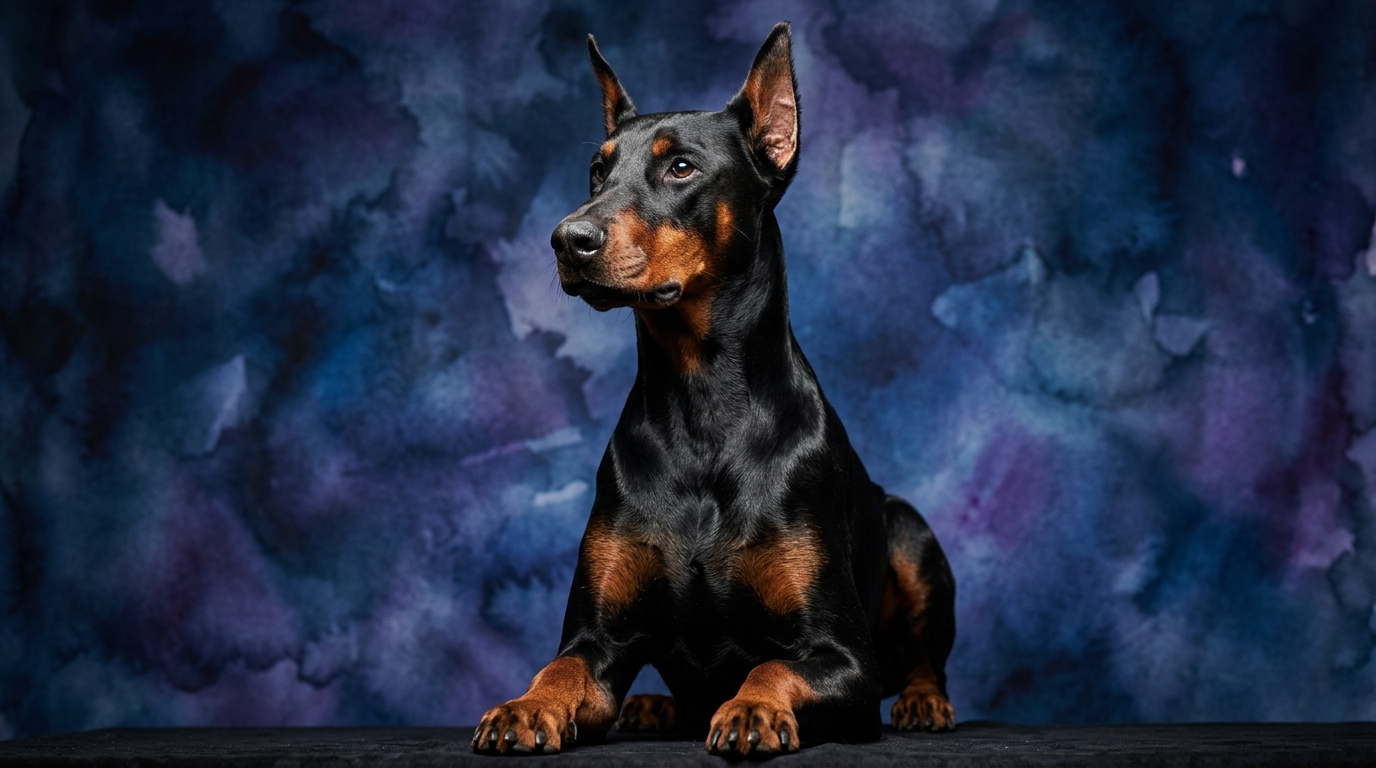
The Cosmic Pet Pet IQ Lab assesses canine intelligence across five key dimensions, providing a granular view of each breed's cognitive strengths. For the Doberman Pinscher, a Working group dog ranked #5 by Coren, its profile shows exceptional aptitude: Problem Solving 5/5, Training Speed 5/5, Social Intelligence 4/5, Instinctive Drive 5/5, and Memory 5/5. This breed exhibits exceptional aptitude for figuring out complex tasks, adapting to new situations, and understanding cause-and-effect relationships quickly; they can strategize to open latches or navigate intricate obstacle courses. Dobermans absorb new commands and routines with remarkable rapidity, often requiring only a few repetitions to grasp a concept, making them highly responsive to consistent training. While highly attuned to their primary human companions, they possess strong capacity to interpret human emotions and intentions, forming deep bonds and integrating well into family dynamics. Their powerful instinctive drive manifests as a strong desire for purpose and activity, fueling their focus and determination in working roles. Dobermans demonstrate outstanding long-term memory for commands, routines, and specific events, recalling learned behaviors with precision over extended periods.
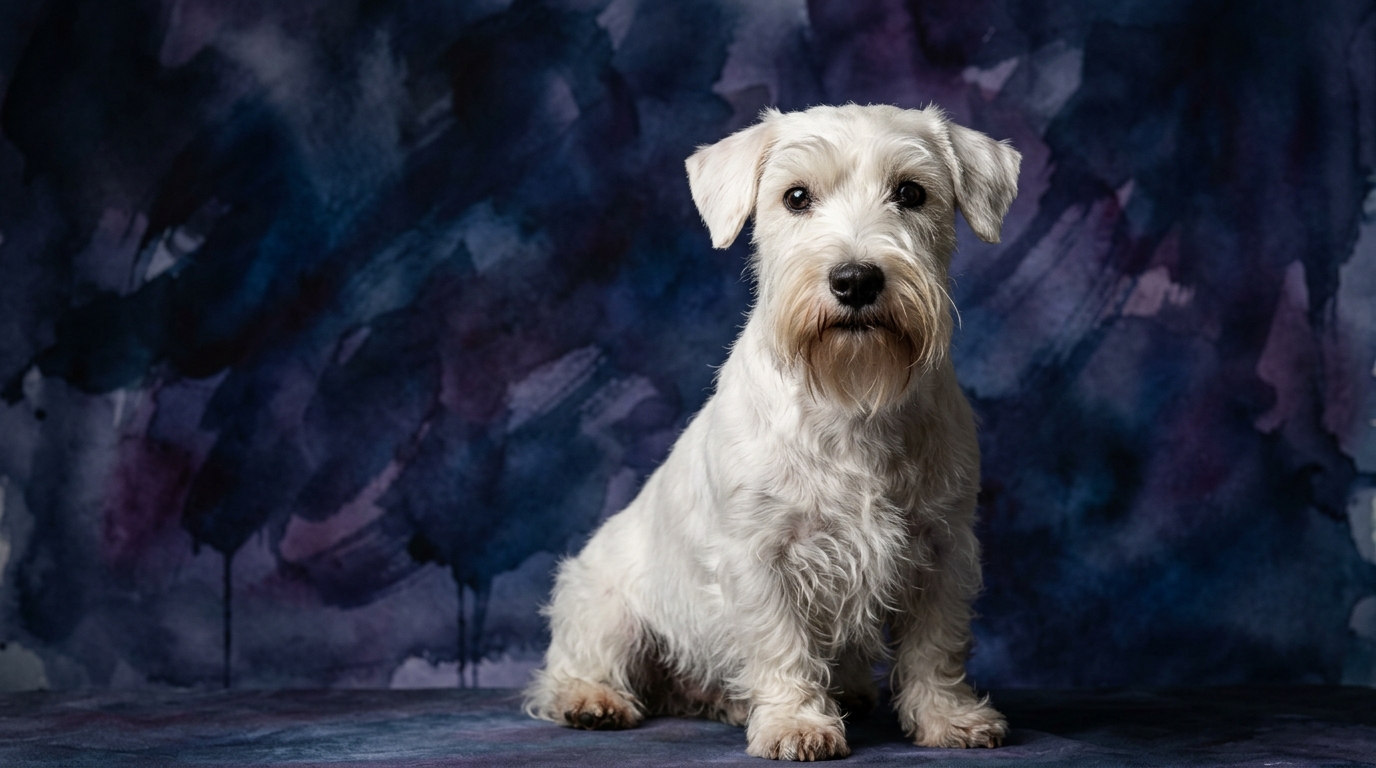
In contrast, the Sealyham Terrier, a Terrier group dog not Coren-ranked, presents a profile reflecting its independent and persistent nature: Problem Solving 3/5, Training Speed 3/5, Social Intelligence 3/5, Instinctive Drive 3/5, and Memory 3/5. Sealyhams approach problems with a practical, often direct, and persistent methodology rather than intricate strategizing, finding immediate solutions related to innate terrier drives like accessing burrows. While capable of learning, they require more repetition and patience due to their independent nature and selective hearing, learning best with engaging sessions. Generally friendly, Sealyhams form strong attachments, but their social intelligence leans more towards direct interaction rather than nuanced interpretation of complex human cues, exhibiting typical terrier spirited reactions. Their instinctive drive is primarily focused on terrier heritage – scenting, digging, and pursuing small prey – a powerful motivator directing their energy with remarkable tenacity. Sealyhams possess a functional memory for commands and routines, particularly those frequently reinforced, retaining a reasonable set of learned behaviors, though less detailed than breeds with higher scores.
Where the Doberman Pinscher Wins Cognitively
The Doberman's cognitive strengths are evident across the board, particularly in its capacity for advanced learning and application. Its 5/5 Problem Solving means it can not only grasp complex multi-step commands but also adapt those to novel situations, demonstrating true understanding. The breed's 5/5 Training Speed allows for an expansive vocabulary of commands to be built quickly, making them exceptionally versatile for various working roles or competitive sports. Coupled with a 5/5 Memory, once a Doberman learns a skill, it is deeply ingrained, allowing for reliable performance even after long breaks. Their 4/5 Social Intelligence makes them acutely aware of their handler's intentions, fostering a partnership where subtle cues are understood, leading to seamless cooperation. The profound 5/5 Instinctive Drive provides the sustained motivation necessary to excel in demanding roles, ensuring unwavering focus. This collective cognitive prowess allows Dobermans to engage in sophisticated tasks like advanced obedience, tracking, or protection work with unparalleled mental engagement and reliability.
Where the Sealyham Terrier Excels Cognitively
While not achieving the same broad cognitive scores as the Doberman, the Sealyham Terrier possesses distinct cognitive strengths tailored to its heritage. Its 3/5 Problem Solving isn't about complex strategizing but rather a tenacious, practical approach to immediate obstacles, like persistently digging to retrieve a toy. The 3/5 Instinctive Drive, though not as broad, is intensely channeled into specific terrier behaviors like scenting and pursuing, exhibiting remarkable single-mindedness on a trail. Their 3/5 Social Intelligence allows them to be charming and engaging companions, adept at communicating immediate needs directly, making them rewarding for owners appreciating clear, assertive characters. This directness, combined with their spirited personality, can make them highly rewarding. Their moderate Memory (3/5) is perfectly adequate for retaining practical household routines and a core set of commands, ensuring they are well-adjusted and responsive in daily life without requiring constant high-level mental engagement.
Which is Easier to Train and Why
The Doberman Pinscher is unequivocally easier to train for a wide array of commands and complex behaviors, primarily due to its exceptional Training Speed (5/5) and Memory (5/5). They grasp new concepts with astonishing rapidity, often requiring only a handful of repetitions. Their strong desire to work and please, coupled with high Social Intelligence (4/5), means they actively seek to understand and comply, excelling in formal obedience or protection sports. In contrast, the Sealyham Terrier, with its 3/5 Training Speed and Memory, presents a different dynamic. Sealyhams are capable of learning, but their independent terrier spirit often means they require more patience, consistency, and highly motivating rewards. They might learn a command but choose not to execute it if something more interesting captures their 3/5 Instinctive Drive. Training a Sealyham involves harnessing their natural tenacity and channeling it positively, rather than expecting instant compliance, often testing boundaries due to their independent nature.
Which Suits Active Owners vs. Relaxed Owners
The Doberman Pinscher is a clear match for active owners prepared to provide substantial mental and physical engagement. Their profound 5/5 Instinctive Drive means they thrive on purpose, whether advanced obedience, agility, or demanding hikes. Without adequate stimulation, their high Problem Solving and Memory can lead to boredom and destructive behaviors as they invent their own 'jobs.' These dogs excel with owners who enjoy structured activities, consistent training, and integrating their dog into a demanding lifestyle. Conversely, the Sealyham Terrier is better suited for owners who are more relaxed in formal training expectations but still active in their own way. While benefiting from regular walks, their exercise needs are generally moderate. Their 3/5 Instinctive Drive is satisfied with opportunities for scenting or digging. They do not require the same intensive, structured work but need owners who appreciate their independent terrier spirit, adaptable to households valuing companionship without constant high-level performance.
The Verdict
Opt for a Doberman Pinscher if you are an experienced, active owner seeking a highly trainable, purpose-driven companion for advanced obedience, protection work, or competitive dog sports, and are prepared to meet their significant mental and physical exercise demands.
Select a Sealyham Terrier if you appreciate a charming, independent, and tenacious companion with moderate exercise needs, are patient with training, and enjoy a dog that offers lively companionship without requiring constant, intense mental engagement.
🧠 Find Your Pet's IQ Score
Our Pet IQ Lab assessment covers 25+ tests across 5 cognitive dimensions — personalized to your breed.
Take the Full IQ Test →Frequently Asked Questions
Can a Sealyham Terrier be trained for complex tasks like a Doberman?
While Sealyhams can learn a variety of commands, their independent nature and moderate training speed mean they are generally less suited for the complex, multi-step tasks a Doberman excels at. They thrive best with training that respects their terrier instincts and focuses on consistency and positive reinforcement.
Do Doberman Pinschers require constant mental stimulation to prevent behavioral issues?
Yes, Dobermans possess a high problem-solving ability and strong instinctive drive, meaning they absolutely require consistent mental stimulation through training, puzzle toys, and purposeful activities to prevent boredom and potential behavioral issues. Their minds need to be engaged as much as their bodies.
Is a Sealyham Terrier a good choice for a first-time dog owner?
A Sealyham Terrier can be a good choice for a first-time owner who is prepared for a dog with an independent spirit and understands the need for consistent, positive training. While not as demanding as a Doberman, their terrier tenacity requires an owner who can be firm yet gentle.