Side-by-Side Cognitive Profile
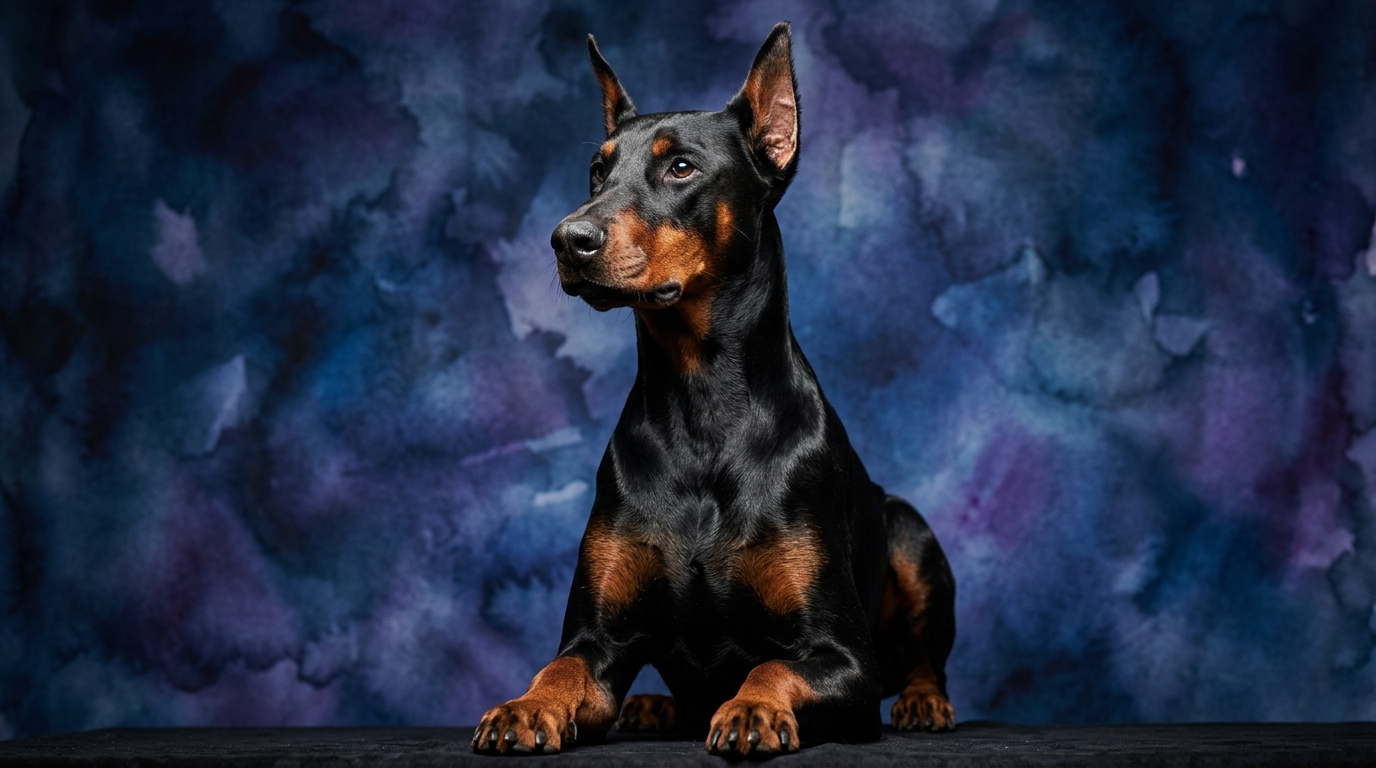
The Doberman Pinscher, a breed firmly established on Stanley Coren's intelligence rankings at #5, demonstrates a powerful and multifaceted cognitive architecture. Their Problem Solving is rated 5/5, indicating an exceptional capacity to analyze situations, devise strategies, and execute complex tasks with purpose. Training Speed is also 5/5, signifying rapid acquisition of new commands and concepts, often requiring minimal repetition. Social Intelligence, at 4/5, reflects their strong attunement to human cues and family dynamics, fostering deep bonds and understanding. An Instinctive Drive of 5/5 highlights their profound inherent working aptitudes, particularly in protection and guarding roles, driven by intense focus and resolve. Finally, their Memory at 5/5 ensures remarkable retention of learned behaviors, experiences, and routines over extended periods.
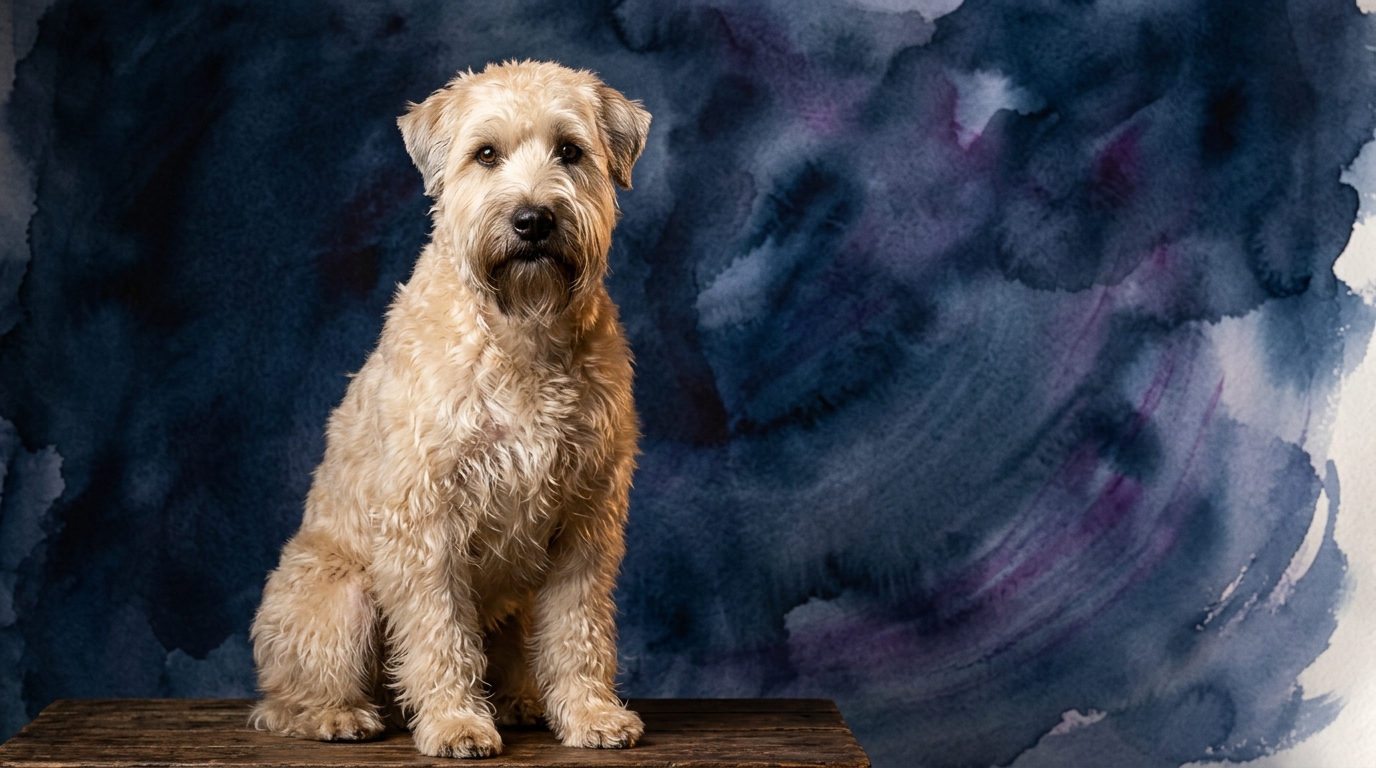
In contrast, the Soft Coated Wheaten Terrier, not listed on Coren's specific rankings, presents a different cognitive blueprint, reflecting its terrier heritage. Their Problem Solving is rated 3/5, meaning they can learn routines and figure out simple environmental challenges, often through trial and error, but may struggle with abstract or multi-step tasks. Training Speed is 3/5, suggesting they require more patience and consistency in training, often needing more repetitions than some other breeds to solidify new commands. Social Intelligence, also 3/5, describes a friendly but sometimes independent nature; they connect well with people but might not always be as finely tuned to subtle human emotional shifts as the Doberman. Their Instinctive Drive, 3/5, is typical of terriers, manifesting as a drive for chasing, digging, and exploring, rather than a focused working aptitude. Memory at 3/5 means they retain basic commands and familiar experiences, but less reinforced lessons might fade without consistent practice.
Where the Doberman Pinscher Wins Cognitively
The Doberman Pinscher's cognitive superiority is most evident in its profound capacity for analytical processing and rapid, precise learning. Their 5/5 Problem Solving isn't just about figuring things out; it's about strategic thinking, such as disarming a complex puzzle or understanding the sequence of actions required for advanced obedience routines. This breed excels when presented with a structured challenge that demands logical deduction and sequential execution. Their 5/5 Training Speed allows them to absorb novel commands with remarkable swiftness, often grasping a new concept in just a few repetitions, which translates into an ability to master a vast repertoire of behaviors.
Furthermore, the Doberman's 5/5 Memory ensures that these complex lessons are not fleeting. They retain intricate training sequences, specific cues, and their associated actions over long periods, making them incredibly reliable partners in demanding roles. Their high Instinctive Drive, coupled with their cognitive strengths, enables them to apply their intellect to specific tasks like protection or search work with unwavering focus and determination. This breed demonstrates a sophisticated understanding of cause and effect, allowing them to anticipate outcomes and react proactively in dynamic environments, a hallmark of their refined working intellect.
Where the Soft Coated Wheaten Terrier Wins Cognitively
While the Wheaten Terrier's cognitive profile differs from the Doberman's, it possesses distinct strengths rooted in its resilient and adaptable nature. Their 3/5 Problem Solving, though not about complex analytical tasks, shines in their ability to navigate social situations with charming persistence and to find creative, sometimes mischievous, solutions to immediate environmental curiosities. They often excel at figuring out how to get attention or gain access to a favorite toy, not through a structured thought process, but through playful experimentation and an enduring optimism.
The Wheaten's cognitive strength also lies in its robust social adaptability and emotional resilience. While their Social Intelligence is 3/5, it manifests as a generally friendly and outgoing disposition that allows them to interact positively with a wide range of people and situations. They often possess a joyful exuberance that can lift spirits and make them highly engaging companions. Their relatively lower Instinctive Drive compared to the Doberman means they are less prone to intense, focused guarding behaviors, making them more generally approachable and less demanding in terms of requiring a dedicated 'job.' This contributes to a cognitive profile that prioritizes cheerful engagement and a lower-stress approach to daily life, a different but equally valuable form of 'smarts.'
Which Is Easier to Train and Why
The Doberman Pinscher is generally considered easier to train for complex tasks due to its exceptional 5/5 Training Speed and 5/5 Memory. They possess a profound desire to work and please their handlers, quickly understanding and retaining new commands. This means fewer repetitions are needed for a Doberman to master an exercise, and they thrive on the mental stimulation of learning elaborate sequences and advanced obedience. Their high social intelligence allows them to readily interpret human body language and vocal cues, enabling precise communication during training sessions. However, their intelligence requires consistent, challenging engagement; without it, they can become bored and develop undesirable behaviors, using their cognitive power for self-directed (and often unwelcome) problem-solving.
The Soft Coated Wheaten Terrier, with its 3/5 Training Speed and 3/5 Memory, presents a different training experience. They are willing to learn, but their independent terrier spirit means they can be more easily distracted and may require more repetitions to solidify commands. Training sessions need to be kept fun, positive, and relatively short to maintain their engagement, as they can become bored or stubborn if drilled excessively. Wheatens respond best to positive reinforcement and a patient, consistent approach that respects their playful nature. While they may not master intricate obedience as rapidly as a Doberman, their eagerness to engage and their charming personality make them enjoyable to train for basic manners and companion skills, provided the handler understands their unique motivational drivers.
Which Suits Active Owners vs. Relaxed Owners
The Doberman Pinscher is an ideal match for active, experienced owners who are prepared to dedicate significant time to their dog's physical and mental exercise. Their 5/5 Instinctive Drive and 5/5 Problem Solving demand a structured environment with consistent training, challenging activities like agility, protection work, or advanced obedience, and ample opportunities to utilize their working intellect. Owners who enjoy a focused, driven partner for outdoor adventures, canine sports, or even service work will find the Doberman incredibly rewarding. This breed thrives with a job to do and an owner who can consistently provide intellectual stimulation and physical outlets.
The Soft Coated Wheaten Terrier suits owners who appreciate a playful, spirited, and somewhat independent companion, and who can provide consistent, moderate activity. While not couch potatoes, their exercise needs are generally less intense than a Doberman's, satisfied with daily walks, playtime in a securely fenced yard, and engaging family activities. They are well-suited for owners who enjoy a dog with character, a cheerful disposition, and a more relaxed approach to structured activity, though they still benefit from regular mental engagement through puzzle toys or short training sessions. Owners who are patient, have a good sense of humor, and desire a friendly, less 'driven' companion will find the Wheaten a delightful fit.
The Verdict
Choose the Doberman Pinscher if you seek a highly capable working partner, relish the challenge of advanced training, and can provide consistent, rigorous mental and physical engagement. This breed thrives with an owner dedicated to harnessing their profound cognitive abilities for specific tasks and structured activities.
Opt for the Soft Coated Wheaten Terrier if you desire a joyful, adaptable, and charming family companion with a friendly disposition and a moderate activity level. This breed is best for owners who appreciate an independent spirit and can offer patient, positive training with plenty of affection and social interaction.
🧠 Find Your Pet's IQ Score
Our Pet IQ Lab assessment covers 25+ tests across 5 cognitive dimensions — personalized to your breed.
Take the Full IQ Test →Frequently Asked Questions
Do Doberman Pinschers get bored easily?
Yes, Doberman Pinschers, with their 5/5 Problem Solving and 5/5 Memory, require significant mental stimulation to prevent boredom. Without consistent training, challenging activities, or a 'job' to do, they can become restless and may channel their intellect into less desirable behaviors, demonstrating their need for engagement.
Are Soft Coated Wheaten Terriers good for first-time dog owners?
Soft Coated Wheaten Terriers can be suitable for first-time owners who are prepared for their independent terrier spirit and commitment to consistent, positive training. While they are friendly, their 3/5 Training Speed and 3/5 Memory mean patience and a clear, engaging approach are essential to manage their sometimes-stubborn nature effectively.
How do their social intelligence ratings impact family life?
A Doberman's 4/5 Social Intelligence means they often form deep, intuitive bonds with their family, being highly attuned to emotional cues and protective. A Wheaten's 3/5 Social Intelligence indicates a friendly and outgoing nature, but they might be more independently minded, seeking interaction on their own terms rather than constantly monitoring family dynamics.