Side-by-Side IQ Profile: Doberman Pinscher vs. Standard Schnauzer
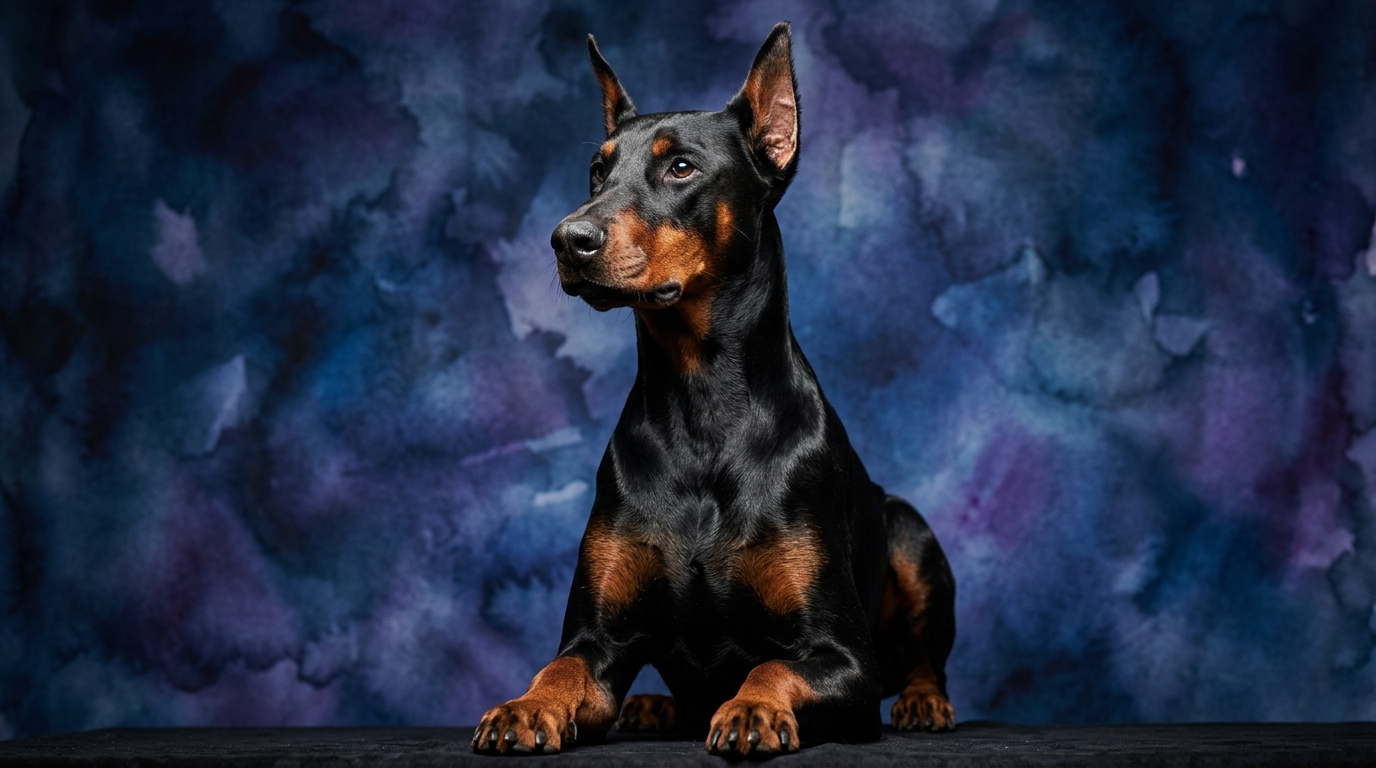
The Doberman Pinscher, a breed positioned remarkably high at Coren rank #5, showcases a cognitive profile built for precision and purpose. Their Problem Solving capability is rated at a maximum 5/5, indicating an exceptional aptitude for analyzing complex situations and devising effective solutions with striking speed. Training Speed also reaches a perfect 5/5, meaning these dogs grasp new commands and behaviors with minimal repetition, often internalizing concepts on the first few attempts. Their Social Intelligence, rated 4/5, points to a strong capacity for understanding human cues and forming deep, focused bonds, though perhaps with a more selective circle. The Instinctive Drive is equally potent at 5/5, reflecting an intense inherent motivation for tasks related to protection, guarding, or pursuit, which underpins their formidable work ethic. Finally, their Memory is also a flawless 5/5, ensuring that once learned, commands, experiences, and associations are retained with exceptional longevity and accuracy.
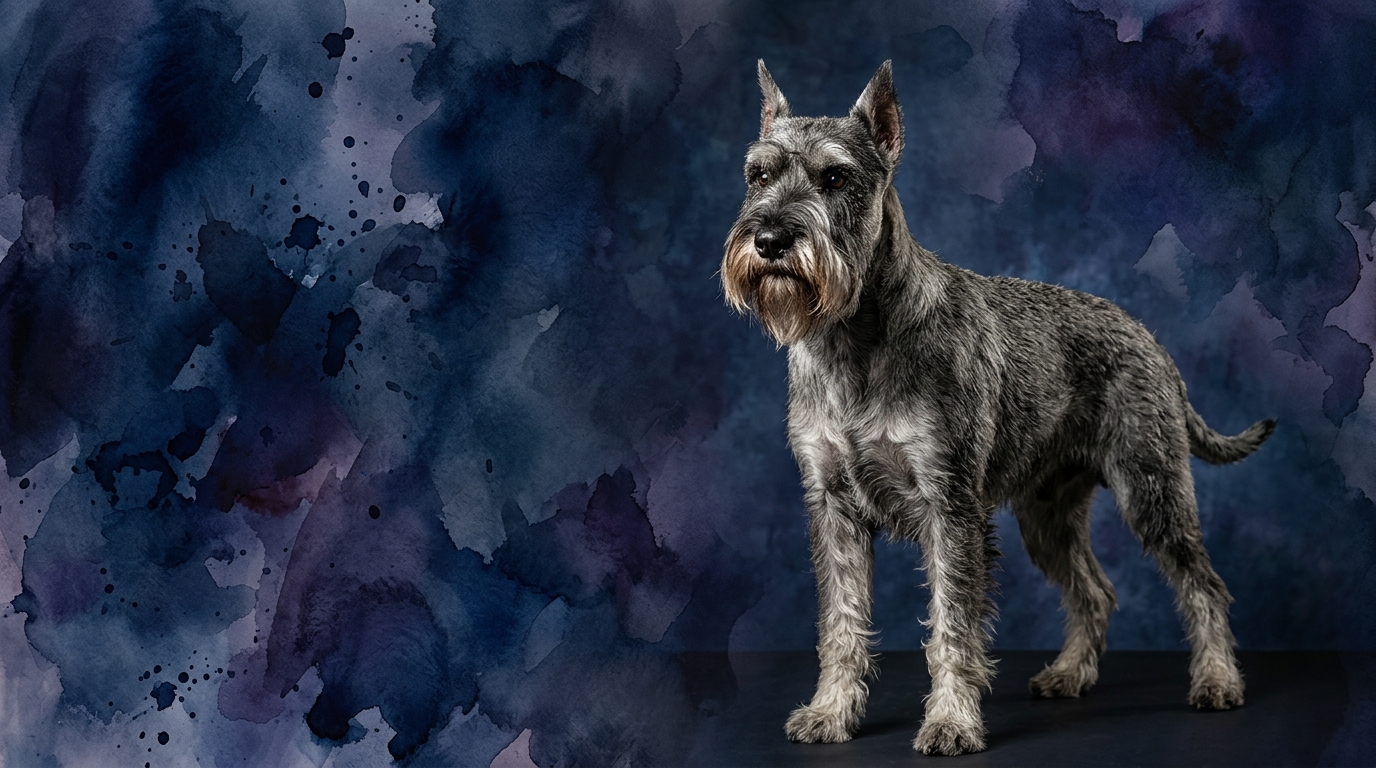
In contrast, the Standard Schnauzer, holding a respectable Coren rank #22, presents a different but equally compelling cognitive blueprint. Their Problem Solving score of 4/5 signifies a capable and intelligent approach to challenges, though they might approach solutions with a slightly more methodical or independent thought process than the Doberman. Training Speed, rated at 4/5, suggests they learn new behaviors efficiently, but might benefit from a few more repetitions or varied reinforcement to solidify understanding. Their Social Intelligence at 3/5 indicates a more self-reliant or perhaps discerning social nature; they connect well but might not always be as overtly eager to please or as attuned to subtle human shifts as some breeds. The Instinctive Drive for the Standard Schnauzer stands at 3/5, suggesting a moderate but still present working impetus, often manifesting as alert guardianship and a desire for engagement, though less intense than a Doberman's drive. Their Memory, at 4/5, is robust, allowing them to recall training and experiences effectively, even if not with the Doberman's near-perfect recall.
Where the Doberman Pinscher Wins Cognitively
The Doberman Pinscher's cognitive architecture truly shines in areas demanding rapid assimilation and precise execution. Their 5/5 Problem Solving and Training Speed mean they excel at quickly deciphering complex tasks, whether it's navigating an intricate agility course or understanding multi-step commands. This breed demonstrates an uncanny ability to anticipate next steps and adapt their behavior almost instantaneously, making them phenomenal partners in high-stakes or dynamic environments. Their perfect 5/5 Memory ensures that these intricate lessons are not fleeting; once mastered, they become deeply ingrained, allowing for consistent performance even after periods of inactivity. Furthermore, the Doberman’s potent 5/5 Instinctive Drive fuels an unwavering focus and dedication to tasks, particularly those that align with their inherent protective or working tendencies. This drive, combined with their sharp cognitive abilities, allows them to maintain intense concentration and perform with exceptional accuracy and speed, making them particularly adept at roles requiring vigilance and decisive action.
Where the Standard Schnauzer Wins Cognitively
While the Doberman excels in intensity and speed, the Standard Schnauzer possesses a distinct cognitive style that offers its own unique advantages, particularly in areas where independence and a more measured approach are beneficial. Their 4/5 Problem Solving, coupled with a 3/5 Social Intelligence, often translates into a dog that is less reliant on constant human direction for finding solutions. They might pause to assess a situation from different angles, exhibiting a self-sufficiency that can be a 'win' in scenarios requiring individual initiative rather than immediate deference. The Schnauzer’s moderate 3/5 Instinctive Drive, while lower than the Doberman’s, means their working impulse is present but often more generalized and adaptable. This can allow them to engage in a wider variety of activities without the same intensity or singular focus, making them versatile companions for different types of engagement. Their cognitive strengths lean towards a resilient persistence and a thoughtful, often charmingly stubborn, approach to challenges, rather than sheer velocity.
Which is Easier to Train and Why
When considering ease of training, the Doberman Pinscher generally presents a more straightforward path for an experienced handler, largely due to their superior scores in Training Speed (5/5) and Memory (5/5). Their capacity to grasp new commands in very few repetitions, coupled with their excellent recall of lessons, means that foundational training can progress rapidly. The Doberman's 4/5 Social Intelligence also contributes significantly, as they are typically highly attuned to their handler's body language and vocal cues, eager to please a trusted leader. However, their formidable 5/5 Instinctive Drive means this mental horsepower must be consistently channeled and directed. Without adequate mental and physical outlets, their intelligence can manifest as boredom or destructive behaviors, demanding a handler who can provide structure and purpose. In contrast, the Standard Schnauzer, with a 4/5 Training Speed and 4/5 Memory, is certainly trainable and learns well, but may require a more patient and creative approach. Their 3/5 Social Intelligence suggests they might be more independent in their decision-making and less inherently inclined to defer immediately, sometimes needing more varied motivation or consistency to solidify a command. Their moderate 3/5 Instinctive Drive means they might not possess the same fervent eagerness to work as a Doberman, making engagement a key factor in their training success; they might take a few more repetitions and appreciate a training style that respects their self-reliant nature.
Which Suits Active Owners vs. Relaxed Owners
For individuals with an undeniably active lifestyle, who are prepared to dedicate significant time to vigorous physical exercise and complex mental engagement, the Doberman Pinscher is an exceptional match. Their 5/5 Instinctive Drive and 5/5 Problem Solving abilities demand constant stimulation; these are not dogs content with merely lounging. Dobermans thrive in environments where they have a 'job' to do, whether it's advanced obedience, protection sports, agility, or extensive daily runs and hikes. Their cognitive prowess requires an owner who can consistently provide new challenges, reinforce training, and channel their intense focus into productive outlets. On the other hand, for owners who appreciate an engaged companion but might have a slightly less rigorous daily routine, the Standard Schnauzer could be a more harmonious fit. While still a working breed requiring regular exercise and mental stimulation, their 3/5 Instinctive Drive and 3/5 Social Intelligence suggest they can adapt to a slightly less demanding pace. They enjoy activity and learning but may not possess the same relentless need for constant, high-intensity engagement as a Doberman. A Schnauzer will appreciate daily walks, interactive play, and consistent training, but might be more content with a relaxed evening than a Doberman who might still be looking for their next task.
The Verdict
Choose the Doberman Pinscher if you are an experienced, active owner seeking a deeply bonded working partner eager for complex training, demanding mental and physical challenges, and precise execution.
Opt for the Standard Schnauzer if you desire a capable, self-reliant canine who thrives on consistent engagement and varied activities, offering a loyal companionship with a slightly more independent social dynamic.
🧠 Find Your Pet's IQ Score
Our Pet IQ Lab assessment covers 25+ tests across 5 cognitive dimensions — personalized to your breed.
Take the Full IQ Test →Frequently Asked Questions
How does Coren rank relate to these IQ scores?
Coren rank broadly reflects a breed's working and obedience intelligence, primarily indicating how quickly they learn new commands and their consistency in obeying them. This aligns closely with our 'training speed' metric, showcasing a breed's innate capacity for formal instruction.
Does social intelligence impact trainability?
Absolutely. A higher social intelligence often signifies a dog's greater attunement to human cues, intentions, and emotions, which generally translates into a more cooperative and responsive training partner. They are more likely to understand and desire to comply with human expectations.
Can a Standard Schnauzer excel in advanced dog sports?
Yes, with their strong problem-solving and memory scores, Standard Schnauzers are certainly capable of excelling in advanced dog sports like agility or obedience. Their success might depend more on consistent, varied motivation and creative engagement from their handler to maintain their focus and enthusiasm.