Side-by-Side IQ Profile: Doberman Pinscher vs. Sussex Spaniel
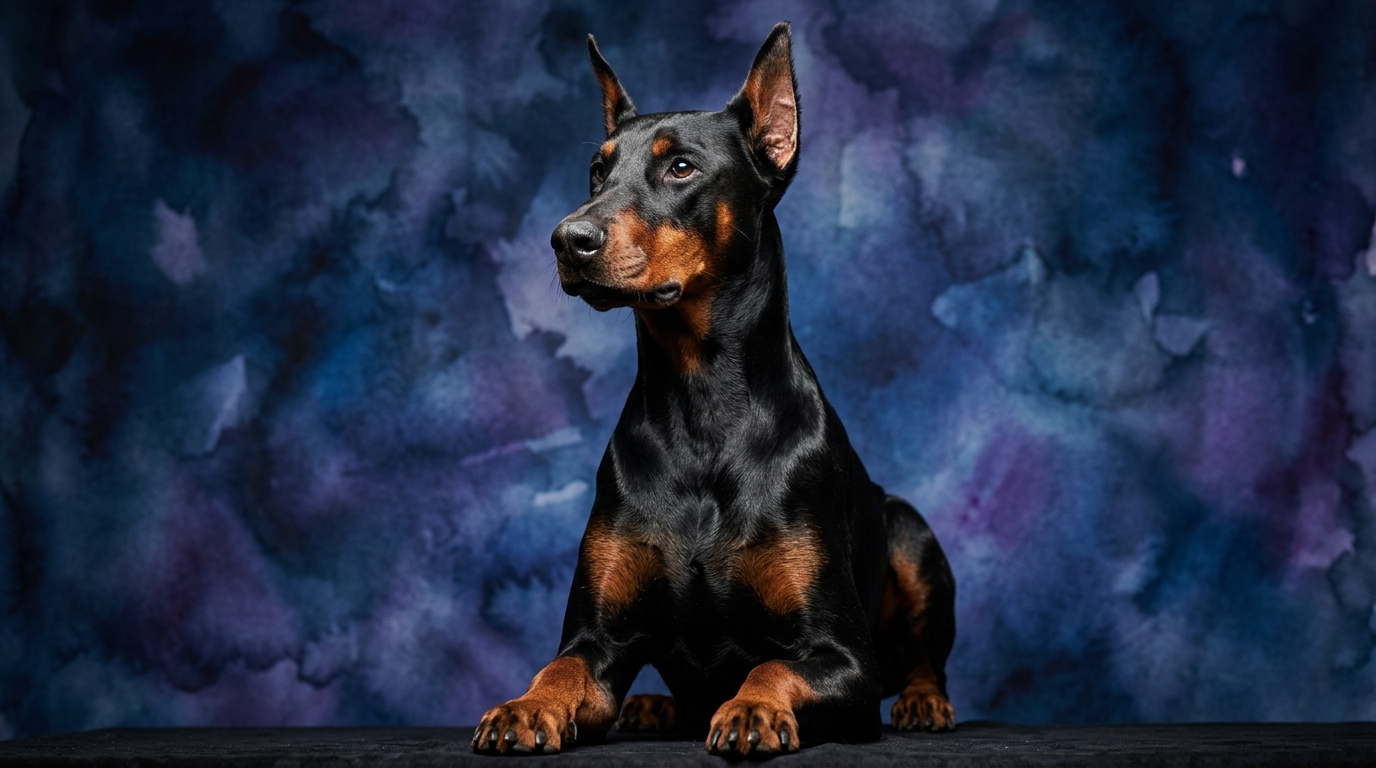
The Cosmic Pet Pet IQ Lab employs a comprehensive five-dimensional framework to assess canine intelligence, offering a nuanced view beyond simple obedience. For the Doberman Pinscher, a breed rooted in the Working Group, their profile reflects a highly capable and focused mind. Their Problem Solving is rated 5/5, indicating an exceptional capacity to analyze situations, devise strategies, and execute complex tasks with precision. Training Speed also stands at 5/5, demonstrating their quick grasp of new commands and routines, often requiring minimal repetition. Social Intelligence, at 4/5, suggests a strong attunement to human cues and social dynamics, though perhaps with a more direct, less subtle interpretation. Their Instinctive Drive is a robust 5/5, channeling powerful protective and prey instincts into directed action. Finally, their Memory is rated 5/5, allowing them to retain vast amounts of information, from learned commands to past experiences and spatial awareness.
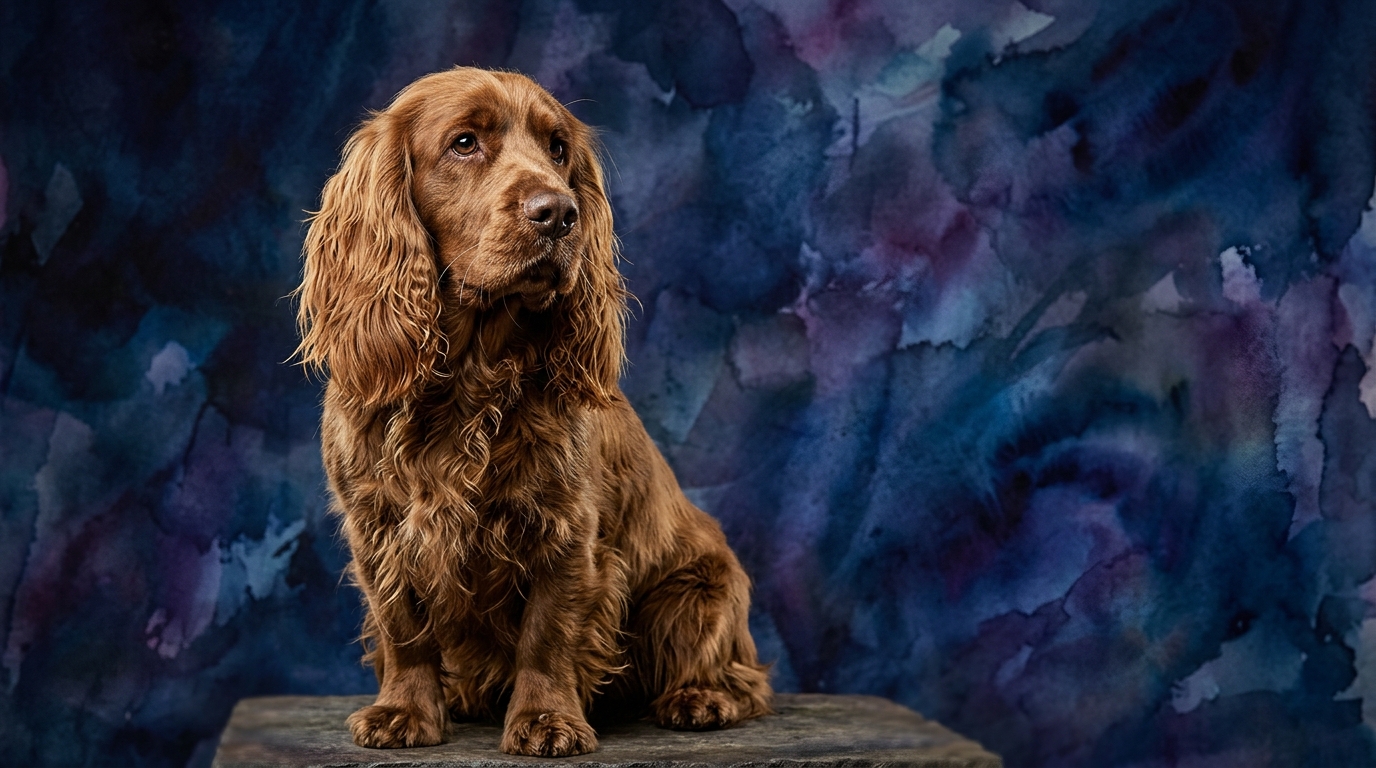
In contrast, the Sussex Spaniel, hailing from the Sporting Group, presents a distinct cognitive makeup. Their Problem Solving capability is rated 3/5, indicating an ability to learn and adapt, but perhaps with less initiative for intricate, multi-step challenges compared to their working counterparts. Training Speed is also 3/5, meaning they will learn, but typically require more patience, consistency, and repetition to solidify new behaviors. Social Intelligence, at 3/5, describes an agreeable and companionable nature, though they may not interpret complex human emotional states with the same depth as some breeds. Their Instinctive Drive is 3/5, primarily focused on their historical role as a flushing spaniel, showing persistence in scent work but generally lacking the intense, all-consuming drive seen in protection breeds. Memory for the Sussex Spaniel is rated 3/5, allowing them to remember core commands and routines, but potentially less inclined to recall long, intricate sequences or highly detailed past events.
Where the Doberman Pinscher Excels Cognitively
The Doberman Pinscher's cognitive strengths lie in their unparalleled capacity for complex task execution and rapid information processing. Their 5/5 Problem Solving score means they aren't just following orders; they are actively assessing variables and making choices within a given framework. This manifests in their ability to excel in advanced obedience, protection sports, or even service roles where anticipating needs and responding dynamically is crucial. A Doberman can quickly learn to differentiate between specific threats, navigate intricate obstacle courses, or perform multi-stage search and rescue operations, leveraging their exceptional memory to recall past solutions and adapt them.
Their 5/5 Training Speed is directly linked to their innate focus and desire to engage in purposeful activity. They absorb new commands and behaviors with remarkable efficiency, often mastering a new cue in just a few repetitions. This rapid acquisition isn't just about speed; it's about precision and consistency. When given a job, a Doberman's intense instinctive drive (5/5) provides the sustained motivation to see it through, whether it's guarding a perimeter or performing a demanding agility sequence. Their memory allows them to build a vast vocabulary of commands and experiences, making them highly predictable and reliable partners once trained.
Where the Sussex Spaniel Shines Cognitively
While the Doberman excels in speed and complexity, the Sussex Spaniel's cognitive advantages are rooted in their steady demeanor and focused, methodical approach. Their 3/5 Problem Solving, while not geared towards intricate strategy, allows them to excel in tasks requiring persistence and a calm, unruffled disposition. They are adept at systematic scent work, diligently following a trail without becoming easily distracted by extraneous stimuli, a key trait for a flushing spaniel. This persistence, rather than rapid strategic shifts, defines their success in their historical role.
The Sussex Spaniel's 3/5 Social Intelligence translates into an amiable and agreeable temperament. They are not prone to overthinking social cues or becoming overly anxious in varied social settings; instead, they offer a consistent, pleasant companionship. Their moderate instinctive drive means they are less likely to act on impulse or become overly fixated on external stimuli, fostering a more relaxed presence. This cognitive profile makes them wonderfully stable companions who thrive on routine and gentle interaction, providing a comforting, predictable presence without the intense mental demands of a working breed. Their memory, while not photographic for complex sequences, is perfectly adequate for retaining daily routines, familiar faces, and basic commands, contributing to their reputation as a steadfast family dog.
Ease of Training: Doberman Pinscher vs. Sussex Spaniel
When considering ease of training, the Doberman Pinscher (Training Speed 5/5) presents a different experience than the Sussex Spaniel (Training Speed 3/5). Dobermans are highly receptive and eager to learn, often picking up new commands in just a few repetitions. Their strong instinctive drive and problem-solving ability mean they thrive on challenging, consistent training that provides a clear purpose. However, their high drive also means that without appropriate mental stimulation and clear boundaries, they can channel their energy into undesirable behaviors. Training a Doberman demands an owner who is equally sharp, consistent, and capable of providing complex tasks and a structured environment to harness their capabilities effectively.
The Sussex Spaniel, on the other hand, requires a more patient and positive reinforcement-based approach. While they are willing to learn, their moderate training speed means lessons need to be shorter, more frequent, and highly rewarding to maintain their engagement. They are less likely to devise their own solutions or anticipate commands, relying more on clear, consistent guidance from their owner. Their lower instinctive drive means they are generally less prone to independent ventures or intense fixations, making them less likely to challenge an owner with strong-willed behaviors. Training a Sussex is about building a steady foundation with kindness and repetition, rather than pushing for rapid mastery of intricate tasks.
Matching Owners: Active vs. Relaxed Lifestyles
The distinct cognitive profiles of these breeds lead to clear preferences for different owner lifestyles. The Doberman Pinscher, with its 5/5 problem-solving, 5/5 training speed, and 5/5 instinctive drive, is an ideal match for active, experienced owners who can provide substantial mental and physical stimulation. They excel with individuals who enjoy dog sports like agility, obedience, or protection work, or those who can integrate them into a structured working role. An owner who understands the need for consistent training, clear leadership, and a variety of challenging activities will find a Doberman a highly rewarding and engaged partner. Without a purposeful outlet for their sharp minds and powerful drives, Dobermans can become bored, potentially leading to destructive or anxious behaviors.
Conversely, the Sussex Spaniel, with its more moderate cognitive scores across the board, is a wonderful fit for more relaxed owners who appreciate a steady, amiable companion. They thrive in homes where daily walks, gentle play, and consistent routines are the norm. While they enjoy exploring and scenting during walks, they are generally content to relax at home, making them suitable for individuals or families who prefer a less demanding canine presence. Their agreeable social intelligence and moderate drive mean they are less likely to seek out intense activity or challenge their owners, offering a calm and predictable companionship that complements a quieter lifestyle. They still benefit from engagement, but it’s more about companionship and shared presence than intense intellectual partnership.
The Verdict: When to Choose Each Breed
The Verdict
Choose the Doberman Pinscher if you are an experienced, active owner seeking a highly trainable, driven, and mentally agile partner for demanding activities or a structured working role. You must be prepared to provide consistent, challenging mental and physical engagement for this cognitively sharp breed.
Opt for the Sussex Spaniel if you desire a steady, amiable companion with a more relaxed temperament, suitable for a quieter lifestyle and appreciative of consistent, gentle training and companionship. They offer a comforting presence without requiring intense intellectual stimulation.
🧠 Find Your Pet's IQ Score
Our Pet IQ Lab assessment covers 25+ tests across 5 cognitive dimensions — personalized to your breed.
Take the Full IQ Test →Frequently Asked Questions
Which breed learns new commands faster?
The Doberman Pinscher, with a Training Speed of 5/5, learns new commands significantly faster than the Sussex Spaniel (3/5). Dobermans often grasp new cues in very few repetitions, while Sussex Spaniels require more patience and consistent reinforcement.
Does a Doberman Pinscher require more mental stimulation than a Sussex Spaniel?
Yes, a Doberman Pinscher's 5/5 Problem Solving and 5/5 Instinctive Drive mean they require substantial and varied mental stimulation to prevent boredom and undesirable behaviors. The Sussex Spaniel, with more moderate scores, is generally content with less intense cognitive engagement.
Which breed is better for first-time dog owners?
The Sussex Spaniel is often a more suitable choice for first-time dog owners due to their more moderate cognitive demands and generally amiable temperament. The Doberman Pinscher's intense drive and need for experienced handling make them better suited for owners with previous dog experience.