Side-by-Side IQ Profile: Doberman Pinscher vs. Swedish Vallhund
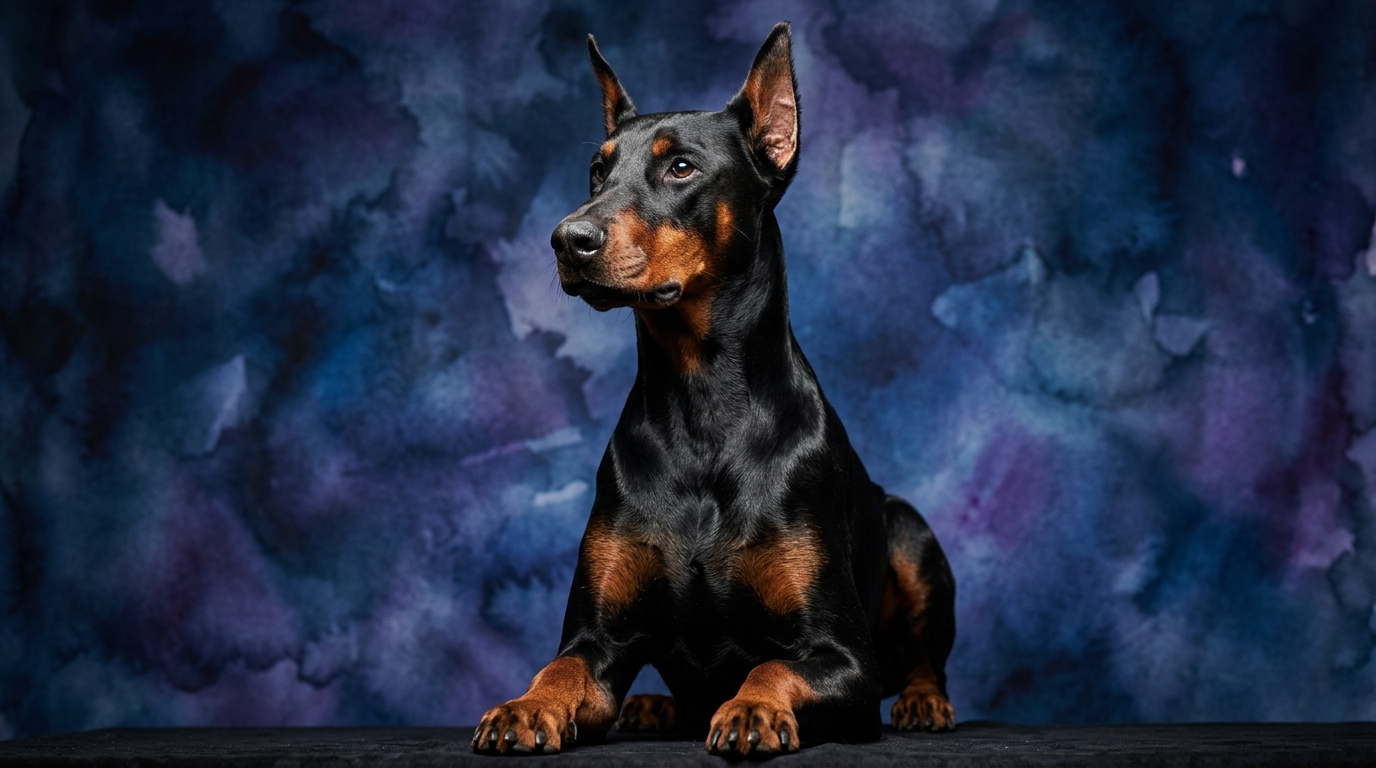
The Cosmic Pet Pet IQ Lab employs a five-dimensional framework to assess canine cognition, offering a granular view beyond general perceptions. For the Doberman Pinscher, a breed firmly entrenched in the Working Group and ranked #5 by Coren for obedience and working intelligence, its profile paints a clear picture of an acute learner. Its Problem Solving is rated 5/5, indicating an exceptional capacity to analyze novel situations and devise effective strategies quickly. Training Speed also stands at 5/5, reflecting its remarkable ability to assimilate complex commands and routines with minimal repetition. Social Intelligence, at 4/5, suggests a strong aptitude for understanding human cues and intentions, though perhaps with a more task-oriented interpretation than a purely companion breed. Instinctive Drive is a commanding 5/5, showcasing an intense internal motivation for purpose and activity, while Memory, also 5/5, underscores its retention of learned behaviors and experiences over time.
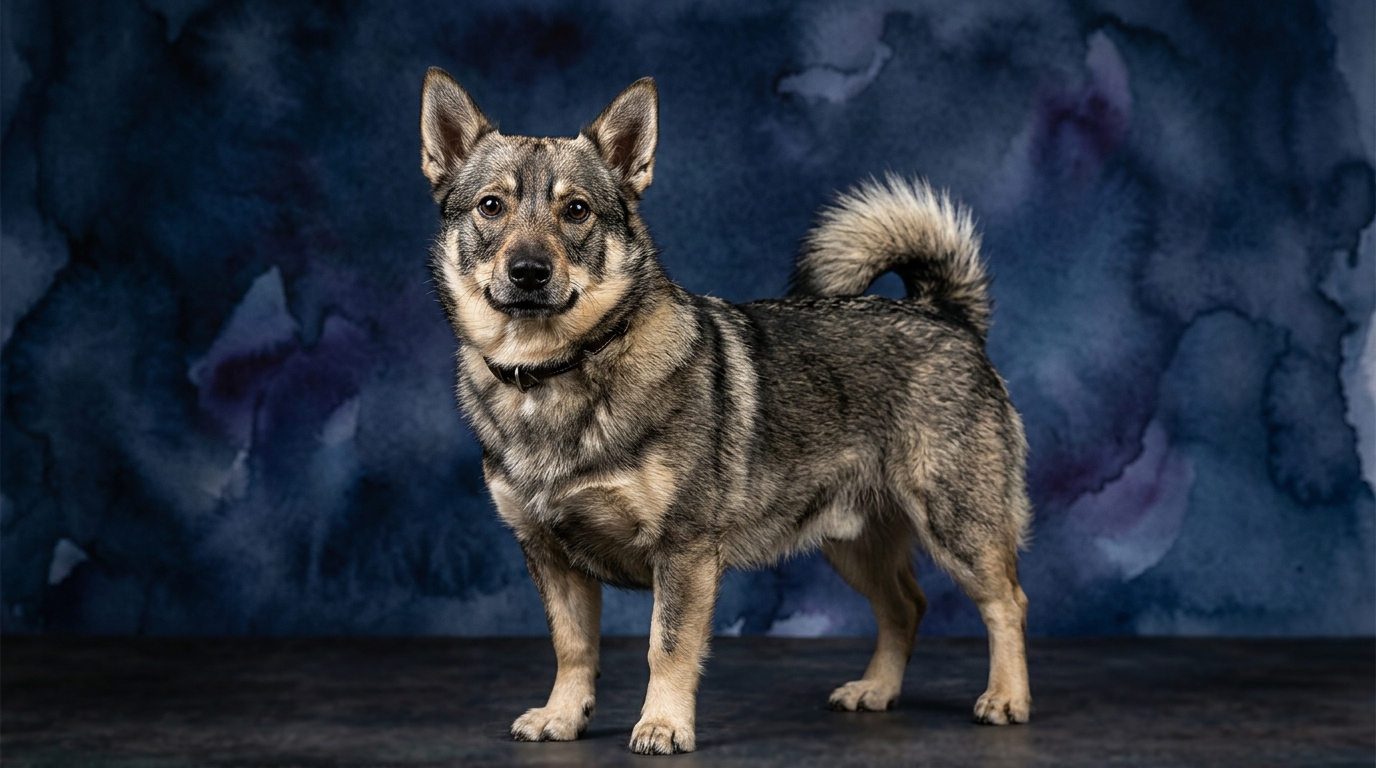
In contrast, the Swedish Vallhund, a resilient member of the Herding Group, presents a different cognitive blueprint, reflecting its distinct heritage. Unranked by Coren, its IQ profile at The Cosmic Pet Pet IQ Lab reveals a solid, functional intelligence honed for its specific role. Problem Solving is rated 3/5, indicating a competent ability to navigate challenges, though perhaps requiring more guidance or a structured approach than its Doberman counterpart. Training Speed, also 3/5, suggests a steady learning pace where consistency and positive reinforcement yield the best results, rather than rapid-fire absorption. Social Intelligence at 3/5 points to an understanding of human interaction that is clear but may not always interpret nuanced emotional cues with the same precision. Instinctive Drive, rated 3/5, reflects a natural inclination for activity, particularly herding-related tasks, but perhaps not the all-consuming intensity seen in some working breeds. Memory, at 3/5, implies that learned behaviors are retained effectively with regular reinforcement, rather than being instantly indelible.
Where the Doberman Pinscher Shines Cognitively
The Doberman Pinscher's cognitive strengths are deeply rooted in its purpose as a protector and working companion, manifesting as an almost unparalleled capacity for structured learning and task execution. Its 5/5 Problem Solving and Training Speed mean Dobermans can rapidly grasp abstract concepts, such as identifying specific scents in a search pattern or executing multi-stage obedience routines with precision. This breed excels in scenarios demanding quick, decisive action and the application of learned protocols, making them suitable for roles requiring complex decision-making under pressure. Their exceptional memory allows them to retain extensive repertoires of commands and adapt quickly to new training methodologies without losing previous knowledge. For example, a Doberman can learn a new obstacle course layout in fewer repetitions than many other breeds, and their 5/5 instinctive drive ensures they approach such tasks with intense focus and determination, striving for successful completion.
Where the Swedish Vallhund Excels Cognitively
While the Doberman excels in structured, human-directed tasks, the Swedish Vallhund's cognitive prowess lies in its adaptive, independent herding intelligence, honed over centuries on farms. Its 3/5 Problem Solving, when viewed through the lens of a herding dog, reflects a practical, resilient approach to managing livestock, often making situational judgments with less direct human intervention than a highly obedient working dog might require. A Vallhund might not solve a complex puzzle box as quickly as a Doberman, but it possesses an inherent spatial awareness and strategic thinking valuable in guiding animals, anticipating their movements, and navigating varied terrains. Their 3/5 instinctive drive, while not as intense as a Doberman's, is perfectly calibrated for sustained, attentive herding work, allowing them to remain focused on their 'flock' without becoming overstimulated. This breed's memory, though rated 3/5, is more than sufficient for recalling herd patterns, boundaries, and environmental specifics, crucial for effective independent herding.
Training Dynamics: Doberman Pinscher vs. Swedish Vallhund
Training a Doberman Pinscher is often a remarkably efficient process due to their 5/5 Training Speed and Problem Solving. They are eager to learn, quickly associate commands with actions, and possess a strong desire to please their handler, which translates into rapid mastery of obedience and advanced skills. Their high instinctive drive means they thrive on having a 'job' and will channel their considerable energy into training exercises, making them highly responsive to consistent, structured instruction. A Doberman can often move from basic commands to complex sequences in a shorter timeframe, requiring less repetition for concept retention. However, this intensity also means they need a handler who can match their mental acuity and provide continuous, engaging challenges to prevent boredom or the development of undesirable self-assigned tasks.
The Swedish Vallhund, with its 3/5 Training Speed and Problem Solving, requires a more patient and nuanced approach. While capable of learning any command, they may not absorb information as instantaneously as a Doberman. Their herding instincts can sometimes manifest as an independent streak or a tendency to 'think for themselves,' requiring a trainer to work with their natural drives rather than attempting to suppress them entirely. Positive reinforcement, clear communication, and breaking down complex tasks into smaller, manageable steps are key to successful Vallhund training. They respond well to methods that engage their natural curiosity and desire for activity, such as agility or herding games, which leverage their physical and mental attributes effectively. While they may not achieve the same lightning-fast precision as a Doberman, a well-trained Vallhund is a responsive and capable companion, albeit one that thrives on consistency and understanding of their unique motivations.
Matching Breeds to Lifestyles: Active vs. Relaxed Owners
For owners with an active, highly structured lifestyle, the Doberman Pinscher is often an ideal match. Their 5/5 instinctive drive and problem-solving abilities mean they require substantial mental and physical engagement. They thrive in environments where they have a clear role or job, whether that's advanced obedience, protection work, or competitive dog sports like agility or dock diving. Owners who can provide consistent training, daily vigorous exercise, and intellectual challenges will find a Doberman to be an incredibly devoted and fulfilled companion. They are not suited for a relaxed owner who cannot commit to their profound need for purpose and activity, as boredom can lead to destructive behaviors or anxiety.
The Swedish Vallhund, while having a 3/5 instinctive drive, is still very much an active breed, best suited for owners who enjoy regular outdoor activities and can appreciate a dog with a robust, independent spirit. They are not as intensely driven as a Doberman, making them potentially more adaptable to a slightly less demanding routine, but they still require daily exercise and mental stimulation that taps into their herding heritage. Owners who enjoy hiking, long walks, or dog sports like agility or flyball will find a Vallhund a willing and enthusiastic participant. While they can enjoy downtime with their family, they are not content to be couch potatoes. A relaxed owner who expects minimal engagement might find the Vallhund's energy and desire for activity challenging, as they need outlets for their physical stamina and inquisitive nature.
The Verdict
Choose the Doberman Pinscher if you seek a highly trainable, intensely focused, and supremely capable working dog ready for advanced obedience, protection, or competitive sports, and you can provide unwavering commitment to their mental and physical needs.
Opt for the Swedish Vallhund if you appreciate an adaptable, resilient herding dog with a spirited personality, who thrives on consistent engagement, enjoys outdoor adventures, and offers a unique blend of independence and loyalty without the Doberman's intensity.
🧠 Find Your Pet's IQ Score
Our Pet IQ Lab assessment covers 25+ tests across 5 cognitive dimensions — personalized to your breed.
Take the Full IQ Test →Frequently Asked Questions
Is a Swedish Vallhund difficult to train because it's not Coren-ranked?
No, a Swedish Vallhund is not difficult to train; it simply learns at a different pace than breeds ranked highly for obedience. Their 3/5 training speed means they benefit from patience, consistency, and positive reinforcement, rather than rapid-fire instruction. Their herding background means they possess functional intelligence well-suited to their purpose.
Do Doberman Pinschers need constant mental stimulation to prevent behavioral issues?
Yes, Doberman Pinschers, with their 5/5 problem-solving and instinctive drive, thrive on mental stimulation and purpose. Without sufficient intellectual challenges and physical exercise, they can become bored or anxious, potentially leading to undesirable behaviors. Regular training, puzzle toys, and engaging activities are essential for their well-being.
Which breed is better suited for a first-time dog owner?
Neither breed is typically recommended for a completely inexperienced first-time owner without significant prior research and commitment. The Doberman's intensity and training needs require a confident, experienced handler. The Vallhund's independent herding nature, while less intense, still benefits from an owner who understands breed-specific traits and can provide consistent, engaging leadership.