The Cosmic Pet IQ Lab Profiles: A Side-by-Side Look
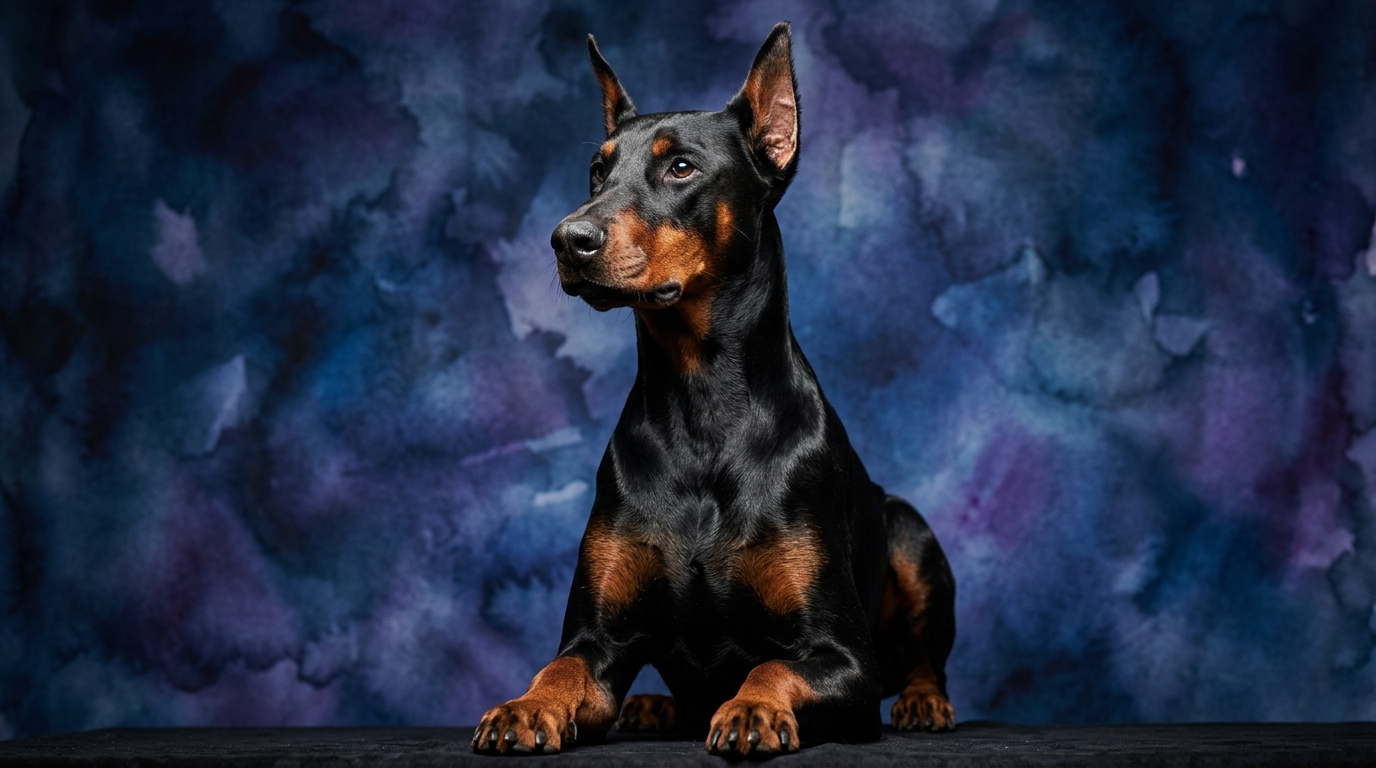
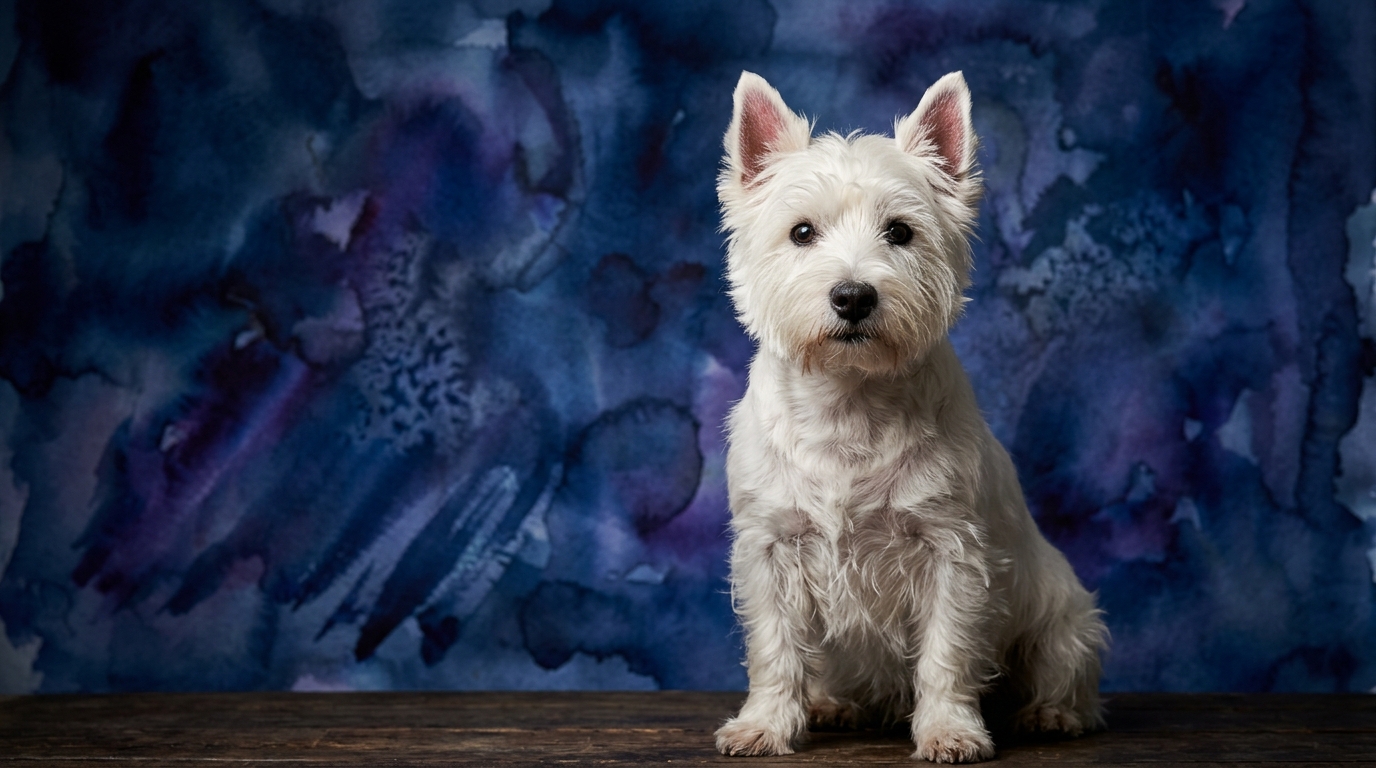
The Cosmic Pet Pet IQ Lab framework offers a detailed lens into canine cognition, assessing five key dimensions. The Doberman Pinscher, a member of the Working Group, secures an impressive Coren rank of #5, signifying its exceptional capacity for understanding new commands quickly. In contrast, the West Highland White Terrier, a spirited Terrier, holds a Coren rank of #47, reflecting a more independent learning style typical of its group.
The Doberman Pinscher's profile is a testament to its purpose-bred intellect: Problem Solving 5/5, Training Speed 5/5, Social Intelligence 4/5, Instinctive Drive 5/5, and Memory 5/5. These scores indicate a breed engineered for complex tasks, rapid assimilation of information, a nuanced understanding of human cues, powerful inherent motivations, and impeccable retention of learned behaviors.
The West Highland White Terrier presents a different, yet equally valid, cognitive blueprint: Problem Solving 3/5, Training Speed 3/5, Social Intelligence 3/5, Instinctive Drive 3/5, and Memory 4/5. These scores point to a capable learner with moderate problem-solving skills, a steady pace in training, a functional social awareness, and a significant, albeit less intense, drive, all underpinned by a strong memory for experiences.
Where the Doberman Pinscher's Cognition Shines
The Doberman's 5/5 Problem Solving and 5/5 Training Speed are its defining cognitive advantages. This breed excels at quickly deciphering complex commands and adapting to novel situations, making them adept at advanced obedience or specialized roles. For instance, they can master multi-step tasks like navigating an agility course with precision or understanding intricate scent detection protocols in remarkably few repetitions.
Their 5/5 Instinctive Drive fuels a persistent focus on tasks, directly correlating with their historical roles in guarding and police work. This drive, combined with a perfect 5/5 Memory, means once a Doberman learns a behavior or a routine, it is deeply ingrained and reliably reproduced. Their capacity for sustained, purposeful effort and long-term retention makes them formidable partners in any structured activity.
A Social Intelligence score of 4/5, while not perfect, signifies a highly sophisticated understanding of human communication. Dobermans are acutely attuned to their owner's moods, subtle body language, and vocal inflections, allowing for a profound level of responsive interaction. This deep attunement is crucial for their protective instincts, enabling them to anticipate and react appropriately based on their human's cues rather than just following rote commands.
Unpacking the West Highland White Terrier's Unique Cognitive Strengths
The Westie's 3/5 Problem Solving and 3/5 Training Speed reflect a practical intelligence geared towards independent action rather than strict human directives. They might not solve a complex puzzle toy as quickly as a Doberman, but they are adept at figuring out solutions that serve their own interests, such as how to access a hidden treat or outsmart a perceived rival. Their learning pace is steady, requiring consistent, positive reinforcement.
Their 3/5 Instinctive Drive is a tenacious force, manifesting in classic terrier behaviors like digging or pursuing small game with unwavering focus. This drive, while not as broad as a Doberman's, is highly specific and powerful within its context. Coupled with a strong 4/5 Memory, a Westie will remember the location of a favorite digging spot or a successful hunting expedition for a long time, reinforcing these natural tendencies.
A Social Intelligence score of 3/5 means Westies possess a solid understanding of basic human emotions and intentions, fostering strong bonds within their family. However, their interactions are often colored by their independent nature; they appreciate companionship but may not consistently seek to anticipate or please their owner in the same demonstrative way a Doberman might. They are affectionate companions who value their own space and autonomy.
Training Dynamics: Doberman Pinscher vs. West Highland White Terrier
Training a Doberman Pinscher is often a remarkably efficient process due to their 5/5 Training Speed and 5/5 Memory. They grasp new commands with minimal repetitions and retain them for life, allowing for rapid progression to advanced obedience or specialized tasks. Their high Problem Solving allows them to apply learned behaviors to new environments and variations of commands, making them highly adaptable learners.
The West Highland White Terrier, with its 3/5 Training Speed, requires a more patient and engaging approach. Training sessions should be consistent, positive, and often shorter to maintain their focus. Their independent 3/5 Instinctive Drive means they might prioritize an interesting scent or a perceived 'prey' over a command, so high-value rewards and creative motivation are essential to channel their attention effectively.
Behaviorally, Dobermans typically exhibit a strong desire to work alongside their human, deriving satisfaction from structured tasks and pleasing their owner. Westies, rooted in their terrier heritage, are more self-directed; they might choose to ignore a command if something more stimulating captures their attention. This isn't a lack of capacity, but a difference in inherent motivation and a need for an owner to be resourceful in maintaining their engagement and focus.
Lifestyle Match: Active Owners vs. Relaxed Owners
The Doberman Pinscher is an ideal match for active owners who can provide substantial mental and physical engagement. Their 5/5 Instinctive Drive and 5/5 Problem Solving mean they thrive on structured exercise, complex training, and purposeful 'jobs,' be it canine sports, protection work, or advanced obedience. An under-stimulated Doberman can channel its considerable energy and intellect into less desirable behaviors, making a dedicated, engaged owner crucial for their well-being.
While not requiring the same intensity, the West Highland White Terrier is also not a sedentary companion. Their 3/5 Instinctive Drive ensures they enjoy regular walks, playful interactions, and opportunities to explore and dig, satisfying their innate terrier urges. They benefit from consistent, short training sessions and puzzle toys for mental stimulation, making them suitable for owners who appreciate a spirited, independent companion and can provide regular activity without the demands of a working dog.
The Verdict: When to Choose Each
The Verdict
Opt for a Doberman Pinscher if you seek a highly trainable, intensely focused working partner capable of mastering complex tasks and thriving on consistent mental and physical challenges. They excel with owners dedicated to channeling their profound drives and sharp intellect into purposeful activities.
Select a West Highland White Terrier if you desire a spirited, independent companion who appreciates consistent training and regular activity but doesn't require a demanding 'job.' They are best suited for owners who value a tenacious personality and can provide patient, engaging guidance to their moderately problem-solving, memorable friend.
🧠 Find Your Pet's IQ Score
Our Pet IQ Lab assessment covers 25+ tests across 5 cognitive dimensions — personalized to your breed.
Take the Full IQ Test →Frequently Asked Questions
Does a Doberman's high instinctive drive make them difficult to manage?
A Doberman's 5/5 instinctive drive translates to a strong desire for purpose and activity. While this can manifest as intense focus, it requires consistent training and appropriate outlets to manage effectively. Without proper guidance, this drive can lead to boredom or destructive behavior, so an engaged owner is crucial.
Is a West Highland White Terrier stubborn because of its lower IQ scores?
A Westie's moderate IQ scores (3/5 Problem Solving, 3/5 Training Speed) don't equate to stubbornness, but rather an independent nature typical of terriers. They are capable learners, but their motivation might stem more from self-interest or instinct than a desire to please, requiring patient and engaging training methods.
How does memory differ between these two breeds?
The Doberman's 5/5 memory means it retains learned behaviors and experiences exceptionally well, often requiring minimal refreshing. The Westie's 4/5 memory is also very good, meaning they remember what they've learned; however, the initial learning phase might take more repetitions and creative reinforcement compared to a Doberman.