
Side-by-Side Cognitive Profiles: Decoding the 3/5
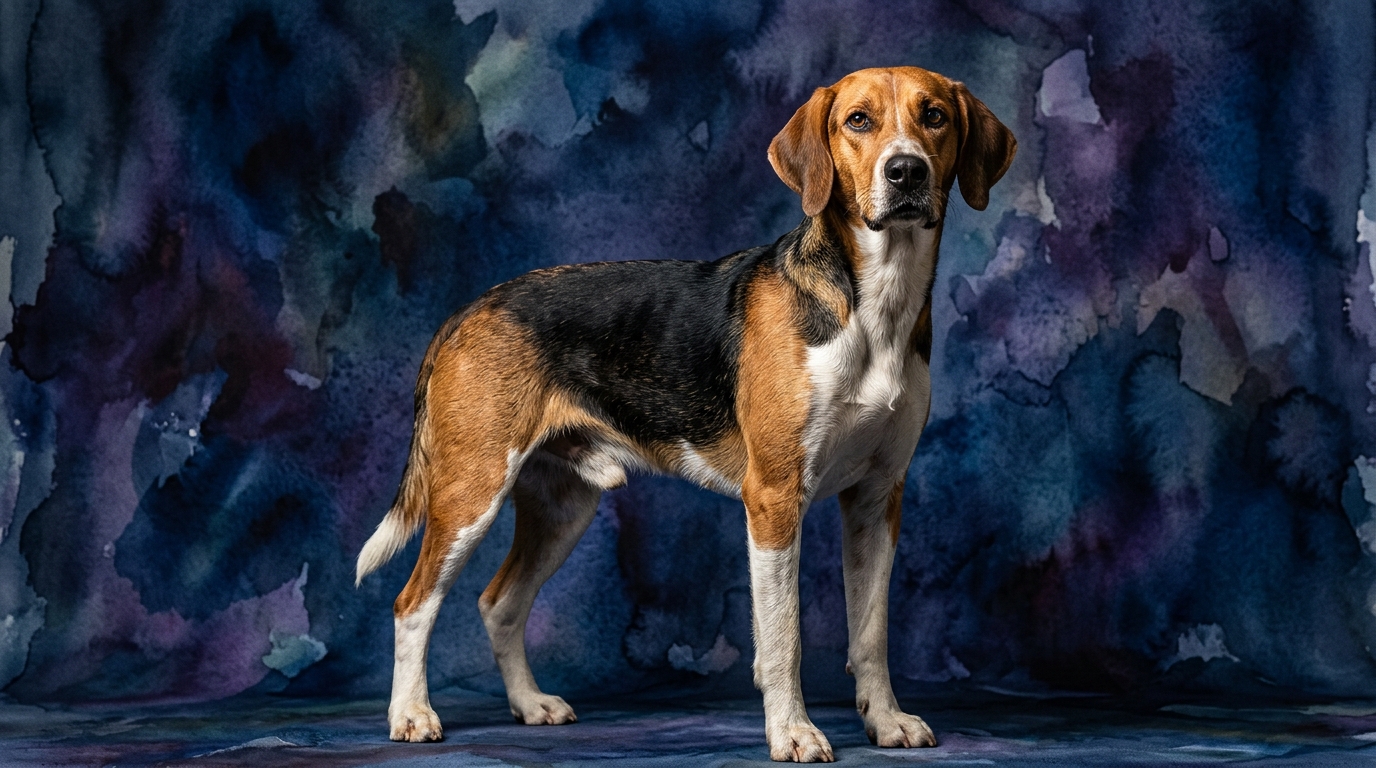
While both the English Foxhound and the Japanese Chin share a 3/5 rating in our IQ lab metrics, their cognitive strengths are channeled into vastly different domains reflecting their historical purposes. For the English Foxhound, a 3/5 in Problem Solving typically manifests as a focused determination to overcome environmental obstacles during a hunt, such as navigating complex terrain or bypassing barriers to follow a scent trail. Their Training Speed at 3/5 indicates they are capable of learning commands, but their strong independent drive and sensory focus often mean they require consistent, engaging methods that can compete with their primary instincts. Social Intelligence for a Foxhound at 3/5 is primarily geared towards understanding pack dynamics and interacting effectively within a working group, rather than nuanced human emotional cues, though they can certainly form bonds with their handlers. Their Instinctive Drive, also 3/5, is powerfully directed towards scenting, tracking, and pursuing, defining much of their cognitive energy and focus. Finally, their Memory at 3/5 is adept at retaining complex scent paths, remembering familiar hunting grounds, and recalling routines associated with their working life.
The Japanese Chin, conversely, interprets the same 3/5 scores through the lens of a dedicated companion. Their Problem Solving at 3/5 often involves figuring out how to gain human attention, manipulate situations for treats, or solve interactive puzzle toys within a domestic setting. A 3/5 Training Speed for a Chin means they can pick up commands fairly well, often motivated by positive reinforcement and a desire for social interaction, though their sensitivity means harsh methods are counterproductive. Their Social Intelligence at 3/5 is highly attuned to human emotions and household dynamics, allowing them to communicate their needs effectively and adapt to their family’s moods and routines with remarkable subtlety. The Chin’s Instinctive Drive, also 3/5, is largely centered on seeking companionship, comfort, and playful interaction, often displaying a charming, cat-like independence while remaining deeply bonded. Their Memory at 3/5 allows them to recall household routines, the specific preferences of their family members, and the location of treasured toys or comfortable resting spots.
Where the English Foxhound Excels Cognitively
The English Foxhound’s cognitive strengths shine brightest in scenarios demanding sustained focus, physical endurance, and independent decision-making in pursuit of a sensory goal. Their 3/5 problem-solving ability, combined with a robust 3/5 instinctive drive, makes them exceptional at navigating complex, dynamic outdoor environments. For instance, a Foxhound can mentally map and remember intricate scent trails over varied terrain, demonstrating a form of spatial and olfactory memory that is finely honed for their original purpose. While a Japanese Chin might excel at deciphering human gestures for a treat, the Foxhound’s cognitive edge lies in independently processing environmental data to achieve a task, often without direct human instruction once a scent is engaged. This persistence and self-direction in a task requiring physical exertion are clear cognitive advantages for the Foxhound.
Where the Japanese Chin Excels Cognitively
The Japanese Chin demonstrates cognitive superiority in the realm of nuanced social interaction and adaptability to domestic life. Their 3/5 social intelligence, unlike the Foxhound's pack-oriented understanding, is deeply embedded in reading and responding to human emotional states and subtle household cues. A Chin can often anticipate an owner’s mood, understand unspoken requests, or even employ specific behaviors to elicit desired responses – a sophisticated form of social problem-solving. While a Foxhound might process a complex scent, a Chin processes complex human emotional landscapes. Their 3/5 memory is particularly strong for people, routines, and the emotional context of past interactions, allowing them to form incredibly strong, perceptive bonds and integrate seamlessly into a family unit. This acute social perceptiveness gives the Chin a distinct cognitive advantage in the intricate world of human companionship.
Training Dynamics: Independence vs. Sensitivity
When it comes to ease of training, the inherent behavioral differences between these breeds, despite their identical 3/5 training speed, create distinct experiences. The English Foxhound, with its potent 3/5 instinctive drive, can be perceived as more challenging due to its independence and profound focus on scent. A Foxhound may learn commands, but their deep-seated drive to follow a scent can easily override learned behaviors, especially in stimulating environments. Training a Foxhound often requires immense patience, creativity to make commands more compelling than a captivating smell, and a solid understanding of their breed-specific motivations, often leveraging their physical stamina and love for tracking. Their 3/5 problem-solving might be applied to finding ways to continue their scent work rather than strictly adhering to a human command, requiring trainers to be highly adaptable and persistent.
In contrast, the Japanese Chin, with its 3/5 training speed, often appears easier to train within a domestic context due to its strong social intelligence and desire for companionship. Chins are typically eager to please their owners and respond well to positive reinforcement, such as praise, treats, and gentle play. However, their sensitivity means they can become easily discouraged by harsh corrections, and their shorter attention span (a nuance within their 3/5 memory and problem-solving) might necessitate shorter, more frequent training sessions. While a Chin might not have the Foxhound's drive for a long-distance chase, their cognitive energy is readily applied to understanding human expectations and performing for affection, making them generally more responsive to traditional obedience methods focused on social connection.
Matching Breeds to Lifestyles: Active vs. Relaxed Owners
The cognitive profiles of these two breeds naturally align with vastly different owner lifestyles. The English Foxhound, despite its moderate 3/5 scores, is inherently suited for active owners who relish outdoor adventures and can provide ample opportunities for their dog to engage its powerful instinctive drive. Their problem-solving and memory are best stimulated through activities like scent work, long hikes, or even participation in canine sports that mimic hunting tasks. An owner who understands and respects the Foxhound's independent nature and provides consistent, engaging mental and physical outlets will find this breed thrives. They require significant space and exercise, making them less ideal for sedentary or apartment-dwelling owners.
Conversely, the Japanese Chin is the quintessential companion for more relaxed owners who appreciate a dog’s sensitive social intelligence and subtle companionship. Their cognitive strengths are best nurtured in a home environment where they can engage in gentle play, cuddle, and participate in daily family life. Owners who enjoy quiet evenings, short strolls, and plenty of lap time will find the Chin’s 3/5 social intelligence and memory make them incredibly attuned and affectionate companions. While they enjoy play, their exercise needs are modest, making them an excellent choice for apartment living or for individuals seeking a devoted, perceptive, and relatively low-maintenance canine friend.
The Verdict
Choose the English Foxhound if you are an active individual or family seeking a robust, independent companion for outdoor pursuits and can provide extensive mental and physical stimulation for their innate drives.
Opt for the Japanese Chin if you desire a perceptive, sensitive, and devoted companion who thrives on close human interaction and enjoys a more relaxed, indoor-centric lifestyle.
🧠 Find Your Pet's IQ Score
Our Pet IQ Lab assessment covers 25+ tests across 5 cognitive dimensions — personalized to your breed.
Take the Full IQ Test →Frequently Asked Questions
Can an English Foxhound be a good family pet despite its hunting background?
Yes, with proper socialization and consistent training, English Foxhounds can be affectionate family members. They require a very active household that can meet their significant exercise needs and understand their strong scent drive, often getting along well with children and other dogs if raised with them.
Are Japanese Chins difficult to housetrain due to their small size?
While small dogs can sometimes be perceived as harder to housetrain, Japanese Chins are generally intelligent and eager to please, making them trainable. Consistency, positive reinforcement, and frequent potty breaks are key to successful housetraining for this sensitive breed.
Do both breeds get along with other pets?
English Foxhounds, being pack animals, often do well with other dogs, though their prey drive might make them unsuitable for homes with smaller non-canine pets without careful introduction. Japanese Chins typically adapt well to other pets, including cats, due to their adaptable social intelligence, but supervision is always recommended initially.