Side-by-Side IQ Profile: Diving Into the Nuances
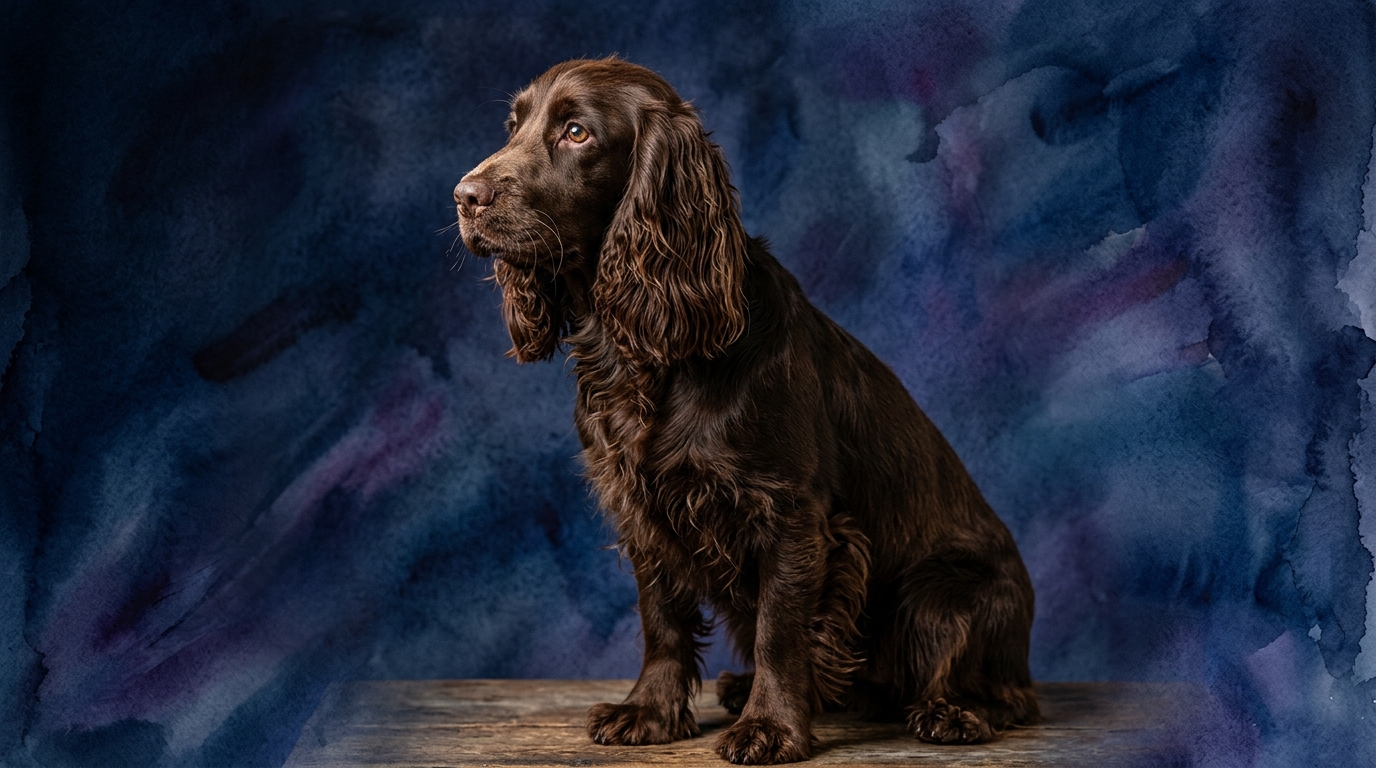
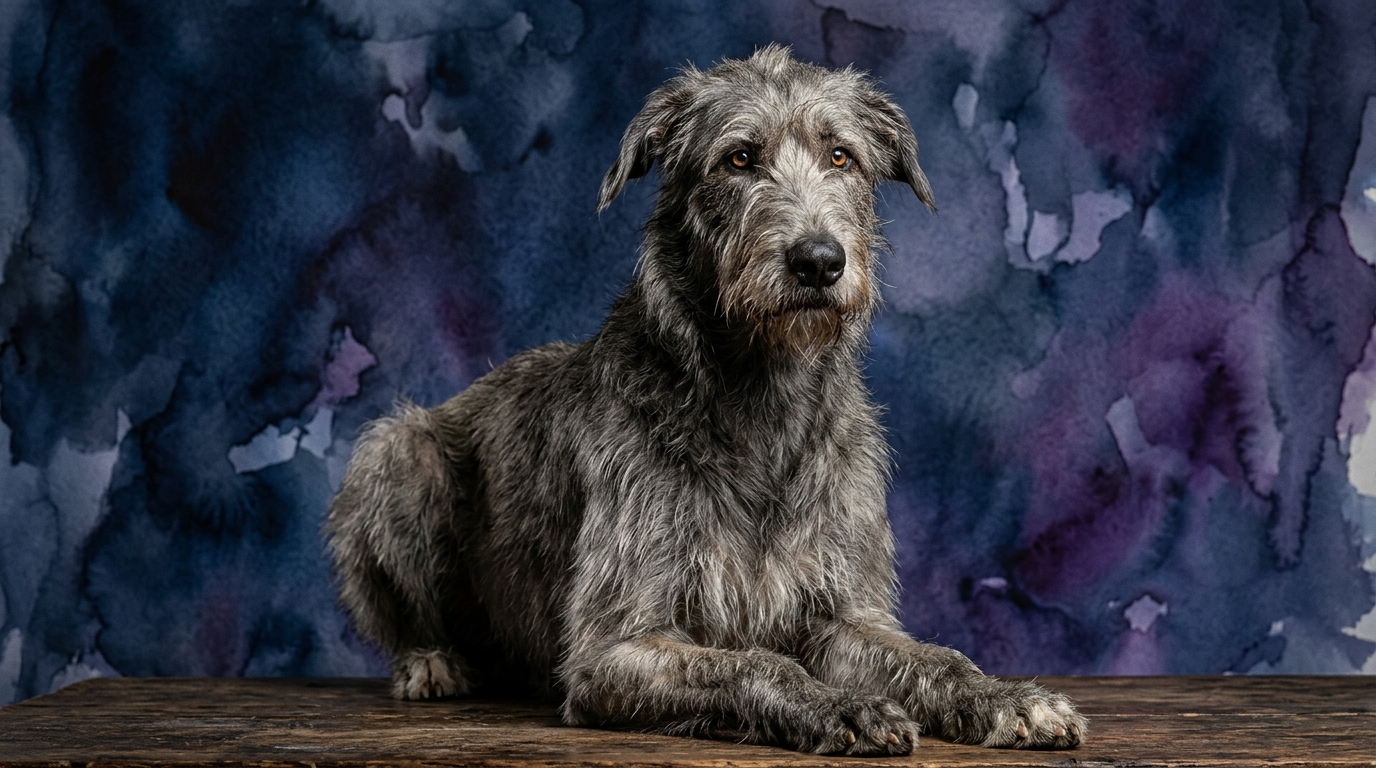
At first glance, the IQ profiles for both the Field Spaniel and the Irish Wolfhound appear strikingly similar across all five dimensions, each scoring a 3/5. This moderate rating suggests capable, adaptable minds, but the *way* these cognitive strengths manifest is profoundly influenced by their breed groups and historical roles. Understanding these nuances is key to appreciating their distinct forms of mental acuity.
For **Problem Solving (3/5)**, a Field Spaniel’s intelligence often shines in navigating complex terrain to flush game, demonstrating a practical, agile mind that quickly assesses environmental cues and adapts its approach. In contrast, an Irish Wolfhound’s problem-solving at 3/5 might involve evaluating a perceived threat with a calm, deliberate assessment, or finding the most efficient path to patrol a large property, emphasizing observational skills and a more measured response. Their physical differences dictate the types of 'problems' they typically encounter and solve.
When it comes to **Training Speed (3/5)**, the Field Spaniel, as a Sporting dog, typically shows a willingness to engage in repetitive, task-oriented learning, responding well to positive reinforcement for field commands. Their enthusiasm to please their handler can make basic obedience a steady process. The Irish Wolfhound, a Sighthound, while equally capable of learning, often exhibits a more independent streak; their 3/5 training speed reflects a need for consistent, patient guidance that respects their thoughtful, sometimes less overtly eager, nature. Their sheer size also adds a layer of physical management to training considerations.
**Social Intelligence (3/5)** in a Field Spaniel is often expressed through their ability to read a handler's subtle cues during a hunt, their adaptable nature in various social settings, and their capacity for forming strong bonds within a family, showing a cooperative spirit. For the Irish Wolfhound, their 3/5 social intelligence manifests as a profound gentleness and sensitivity within their family unit, displaying an intuitive understanding of human emotions and household dynamics, often acting as a calm, watchful presence. They are keenly aware of their surroundings and the people within them.
The **Instinctive Drive (3/5)** of a Field Spaniel is heavily geared towards their sporting heritage – a compelling desire to scent, flush, and retrieve, showcasing a focused, persistent drive in their natural element. This drive is a core part of their cognitive makeup, directing their attention and effort. An Irish Wolfhound’s 3/5 instinctive drive, while also strong, leans towards their sighthound origins: a powerful, albeit often dormant in modern life, impulse to pursue moving objects, coupled with a deep-seated protective instinct for their family, expressed through vigilance rather than aggression. Their drive is often more internal and less overtly 'working' in a traditional sense.
Finally, **Memory (3/5)** for a Field Spaniel is crucial for recalling complex scent trails, remembering multi-step commands, and retaining learned behaviors for extended periods, essential for effective fieldwork. An Irish Wolfhound’s 3/5 memory is equally robust, often demonstrated by their excellent recall of routines, specific individuals, and past interactions, contributing to their reputation as thoughtful, loyal companions who remember kindness and slights alike. Both breeds possess functional memory, but the content and context of what they prioritize to remember differ significantly.
Where the Field Spaniel Cognitively Excels
While both breeds score a 3/5 across the board, the Field Spaniel’s cognitive strengths are particularly evident in dynamic, task-oriented environments. Their problem-solving, though rated moderately, is characterized by quick, agile decision-making required for flushing game from dense cover or navigating varied terrain efficiently. This isn't about complex abstract thought, but rather swift, practical application of learned behaviors and keen sensory input.
Their social intelligence often manifests as an eagerness to collaborate closely with a handler, making them highly attuned to human direction and subtle body language during activities. This cooperative spirit, rooted in their sporting purpose, gives them an edge in situations requiring precise teamwork. Furthermore, their instinctive drive, specifically for scent work and retrieval, provides a powerful internal motivation that can be channeled into focused training and consistent performance in activities that mimic their ancestral role, making them adept at learning and repeating specific, useful tasks.
Where the Irish Wolfhound Cognitively Shines
The Irish Wolfhound's cognitive strengths, despite identical numerical scores, lie in a different realm, reflecting their history as a large, often solitary hunter and later, a dignified companion. Their problem-solving at 3/5 often involves a more thoughtful, observational approach, particularly in assessing new people or situations within their home environment. They tend to process information before reacting, a trait that can be mistaken for slowness but is actually a deliberate, measured intelligence.
Their social intelligence is profound in its depth and gentleness, allowing them to integrate seamlessly into a family unit as a calm, empathetic presence. They are exceptionally good at understanding the emotional atmosphere of a home and responding with quiet comfort or watchful vigilance as needed. The Irish Wolfhound's memory is particularly strong for routines and personal connections, cementing their bond with their owners and making them reliable in established household dynamics. This deep understanding of their human family, coupled with their inherent dignity, allows them to navigate complex social interactions with grace and a surprising sensitivity for their imposing size.
Ease of Training: Behavioral Differences in Action
Neither the Field Spaniel nor the Irish Wolfhound are considered 'easy' to train in the sense of instant mastery, given their 3/5 training speed, but their behavioral tendencies create different training experiences. The Field Spaniel, with its sporting heritage and eager-to-please disposition, often responds very well to positive reinforcement and consistency, especially when training involves tasks that appeal to their natural instincts, like retrieving or agility. Their moderate instinctive drive means they can be highly motivated by toys or treats, and their medium size makes them physically manageable during training sessions.
The Irish Wolfhound, on the other hand, presents a different set of considerations. Their 3/5 training speed, combined with a more independent hound mentality, means they require immense patience, gentle consistency, and a strong, trusting bond. While they are sensitive and respond poorly to harsh methods, their sheer size necessitates early and thorough leash training and boundary setting. Their independent nature means they might not always be 'eager' to please in the same demonstrative way a Spaniel is, but they are capable of understanding and adhering to rules with consistent, respectful guidance. Therefore, training an Irish Wolfhound is often more about building a relationship of mutual respect and clear communication, rather than simply drilling commands.
Lifestyle Match: Active vs. Relaxed Owners
The distinct cognitive profiles and behavioral traits of these two breeds naturally align with different owner lifestyles. The Field Spaniel, with its sporting background and moderate instinctive drive, is an excellent match for active owners who enjoy outdoor activities like hiking, long walks, or dog sports such as agility and obedience. Their problem-solving and memory are well-suited to learning complex routines and navigating varied environments, making them engaging partners for those who want to actively participate in their dog's mental and physical stimulation. They thrive on having a 'job' and consistent engagement.
Conversely, the Irish Wolfhound, despite its massive size, often suits more relaxed owners who appreciate a calm, dignified presence in the home. While they require significant daily exercise to maintain their health and prevent boredom, they are not typically high-energy dogs indoors once mature. Their social intelligence and memory make them wonderful, empathetic companions who enjoy quiet companionship and being an integral part of family life. Owners who value a thoughtful, gentle giant and are prepared for the commitment of managing a very large dog will find the Irish Wolfhound to be a profoundly rewarding, though less overtly 'active', companion.
The Verdict
Choose a Field Spaniel if you're an active owner seeking a cooperative, task-oriented companion for outdoor adventures and structured training challenges. Their agile minds thrive on engagement and purposeful activity.
Opt for an Irish Wolfhound if you appreciate a calm, sensitive, and profoundly loyal presence, and are prepared to provide gentle, consistent guidance for a thoughtful giant. Their deep social intelligence makes them exceptional family members for a more relaxed home environment.
🧠 Find Your Pet's IQ Score
Our Pet IQ Lab assessment covers 25+ tests across 5 cognitive dimensions — personalized to your breed.
Take the Full IQ Test →Frequently Asked Questions
Do Field Spaniels and Irish Wolfhounds have the same intelligence level?
While both breeds score 3/5 across all five IQ dimensions, their intelligence manifests differently. Field Spaniels excel in practical problem-solving for active tasks, while Irish Wolfhounds demonstrate a more thoughtful social intelligence and memory for routines, reflecting their distinct breed purposes and physical attributes.
How do their hunting instincts impact their cognitive abilities?
A Field Spaniel's scent-driven, close-working instinct enhances their problem-solving and memory for tracking and retrieving in dynamic environments. An Irish Wolfhound's sight-driven, independent pursuit instinct, though often dormant, contributes to their observational problem-solving and a more self-assured approach to learning and social interactions.
Does a dog's size affect its intelligence score in the Pet IQ Lab?
A dog's physical size does not directly influence its raw IQ scores in the Pet IQ Lab. However, size significantly impacts how their problem-solving, training speed, and social intelligence are applied and perceived in real-world scenarios, dictating the types of challenges they face and how they interact with their environment.