Side-by-Side Pet IQ Lab Profile: Unpacking the 3/5 Score
The Cosmic Pet Pet IQ Lab rates both the Field Spaniel and the Tibetan Spaniel a consistent 3 out of 5 across all five cognitive dimensions: Problem Solving, Training Speed, Social Intelligence, Instinctive Drive, and Memory. This uniform scoring suggests that neither breed possesses extreme outliers in their cognitive makeup; rather, they exhibit a balanced, capable level of intelligence. A 3/5 score indicates a dog that is neither exceptionally quick to grasp complex concepts nor particularly slow, performing within a competent range for most tasks and interactions. For both breeds, this means they are generally receptive to learning, adept at navigating their environment, and capable of forming meaningful social bonds, albeit through different lenses colored by their breed histories.
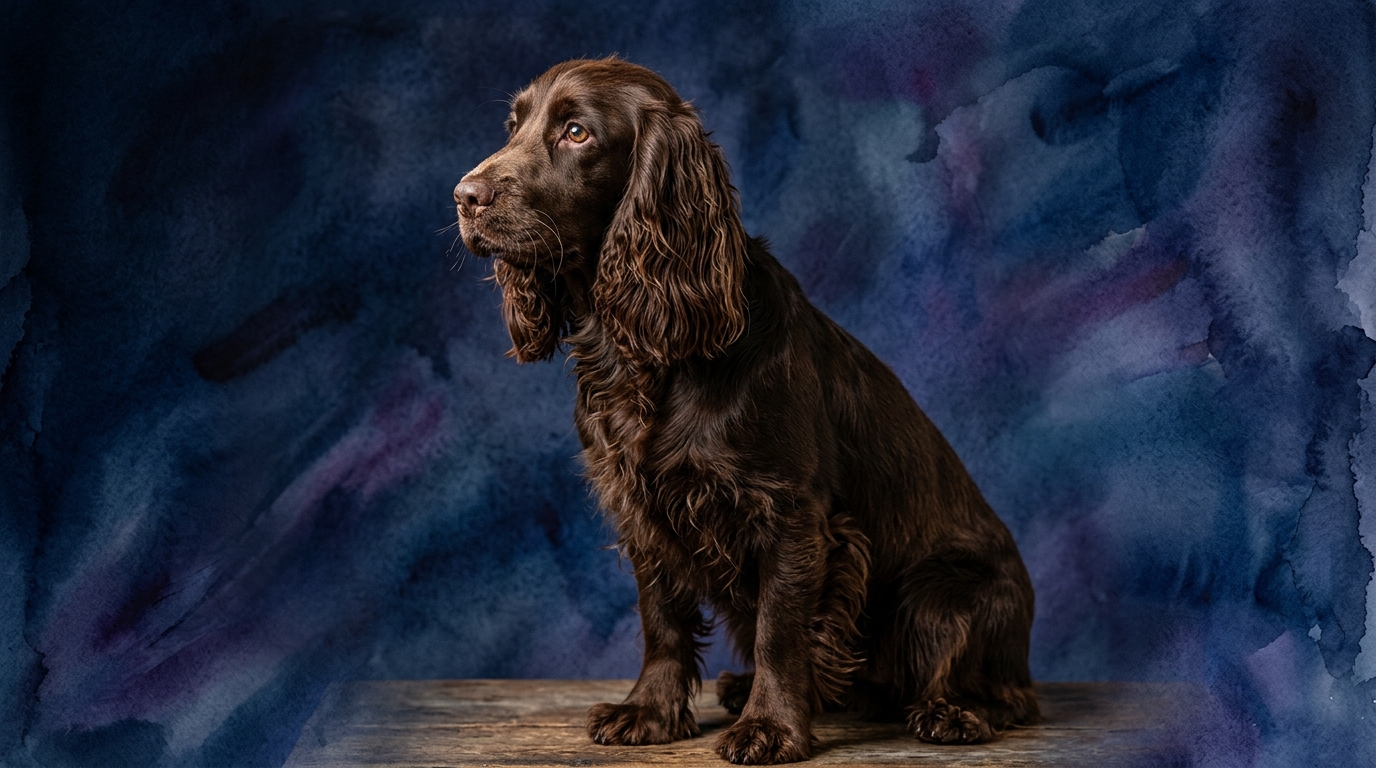
For the Field Spaniel, a Sporting Group dog, their 3/5 scores manifest as practical, task-oriented intelligence. Their Problem Solving is typically geared towards environmental challenges, like tracking a scent trail or navigating dense cover to flush game, requiring sequential thought and persistence. Their Training Speed is adequate for learning a repertoire of commands necessary for field work, driven by an innate desire to cooperate and perform a job. Social Intelligence allows them to work effectively alongside a handler, picking up on cues and responding to directives. Their Instinctive Drive is robustly focused on scenting, flushing, and retrieving, while Memory aids in recalling learned routes, specific locations of game, or complex command sequences, critical for their working role.
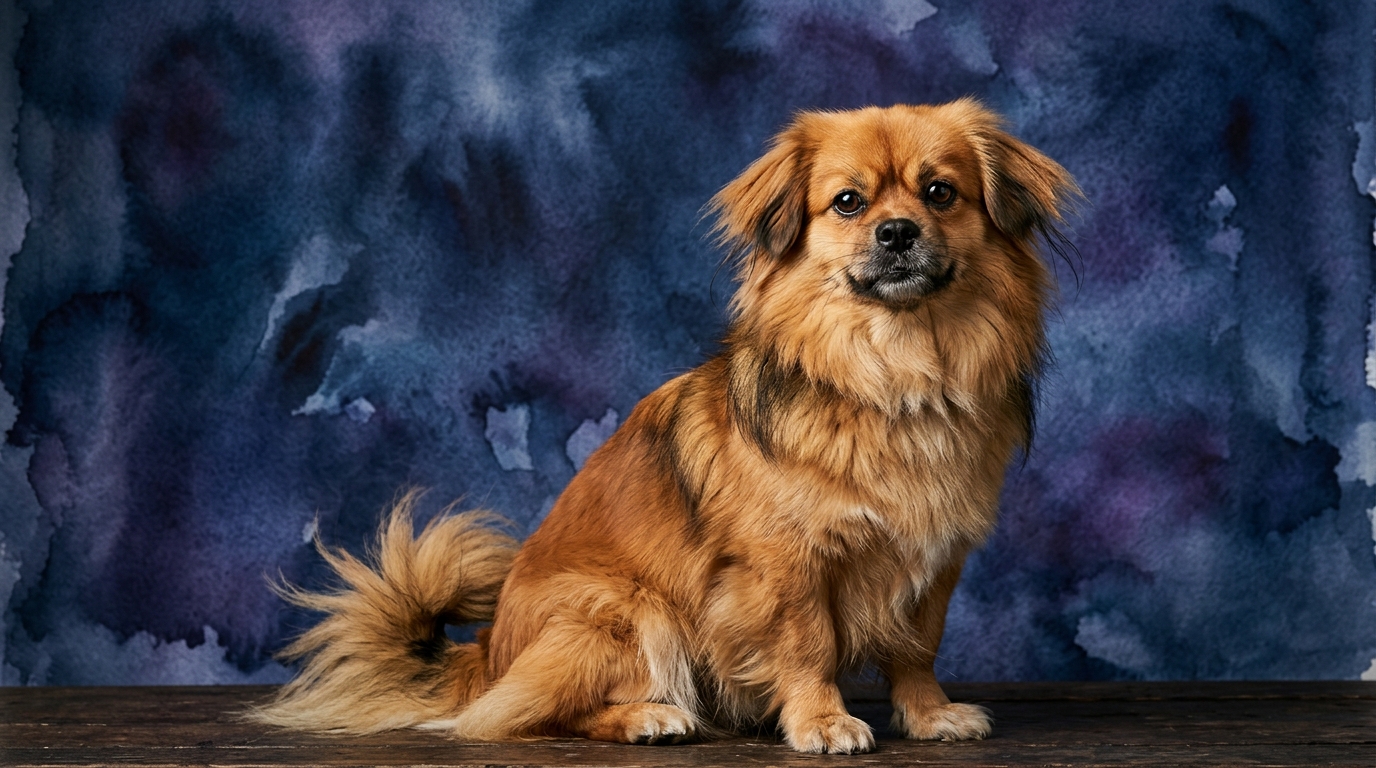
In contrast, the Tibetan Spaniel, a Non-Sporting companion breed, applies its 3/5 cognitive abilities differently. Their Problem Solving often focuses on domestic intricacies, such as figuring out how to access a comfortable perch, manipulate a toy, or garner human attention, demonstrating cleverness within their home domain. Training Speed, while moderate, is influenced by their independent and discerning nature; they learn effectively when they perceive value in the command or the reward. Social Intelligence is highly developed for intimate human interaction, allowing them to read subtle emotional cues and anticipate family routines. Their Instinctive Drive is primarily centered on vigilance and companionship, serving as a watchful 'little lion' in the home, and their Memory is excellent for recalling family members, routines, and preferred comfort spots, reinforcing their role as a devoted household member.
Where the Field Spaniel Wins Cognitively
Given identical raw scores, the Field Spaniel's cognitive edge lies in the application of their intelligence within a structured, task-oriented environment, particularly outdoors. Their Problem Solving, paired with their strong Instinctive Drive, makes them particularly adept at navigating complex natural landscapes, such as discerning the most efficient path through varied terrain or locating hidden objects by scent. Their Memory for specific locations, pathways, and sequential tasks in dynamic outdoor settings is likely more robust and enduring than that of a Tibetan Spaniel, honed by generations of working heritage. This practical, enduring cognitive application for specific, repeatable tasks in a working context is where the Field Spaniel truly shines.
Where the Tibetan Spaniel Wins Cognitively
The Tibetan Spaniel excels in the realm of nuanced social cognition and environmental awareness within a domestic context. Their Social Intelligence, while scoring 3/5, is often applied with greater subtlety to human-canine bonds, allowing them to anticipate moods, react to unspoken cues, and integrate seamlessly into family dynamics as a perceptive companion. Their Problem Solving, rather than being about outdoor tasks, often manifests as cleverness in managing their home environment, finding optimal vantage points, or orchestrating attention from their people. Their keen observational skills and memory for routines also contribute to an acute awareness of household goings-on, making them excellent, if sometimes vocal, observers and participants in family life.
Which Is Easier to Train and Why: Behavioral Nuances Beyond the Score
Despite both breeds scoring 3/5 in Training Speed, their underlying behavioral tendencies create distinct training experiences. The Field Spaniel, stemming from a sporting background, generally possesses a stronger innate desire to please and a higher motivation for cooperative work. They often thrive on having a 'job' and respond well to consistent, reward-based training that leverages their natural retrieving and scenting drives. While they can be sensitive to harsh methods, their focus is typically directed towards their handler and the task at hand, making them generally more receptive to formal obedience and task-specific training, as long as it's engaging and positive. Their eagerness to engage makes the training process often feel more straightforward and goal-oriented.
The Tibetan Spaniel, on the other hand, brings an independent and somewhat discerning personality to the training table. While capable of learning quickly (3/5 Training Speed), they often assess the perceived value of a command or task before offering full compliance. Their intelligence is paired with a self-assured nature, meaning they respond best to positive reinforcement, patience, and methods that make training feel like a fun collaboration rather than a demand. They can be prone to selective hearing if not properly motivated or if they deem a task unnecessary. Consistency, clear communication, and making training rewarding and engaging are crucial to overcoming their occasional 'what's in it for me?' attitude, making them a rewarding but sometimes more challenging pupil for novice trainers.
Which Suits Active Owners vs. Relaxed Owners
For owners with an active lifestyle, the Field Spaniel is often the more suitable choice. Their Sporting Group heritage means they possess a moderate to high energy level and a genuine love for outdoor activities. They thrive on long walks, hikes, exploring new environments, and participating in dog sports like agility, scent work, or obedience. Their instinctive drives require outlets, and an engaged owner who can provide consistent physical exercise and mental challenges will find the Field Spaniel to be a devoted and energetic partner, preventing boredom and potential behavioral issues that arise from understimulation.
The Tibetan Spaniel, with its companion and 'little lion' watchdog background, is generally better suited for more relaxed owners who appreciate a vigilant yet affectionate presence. While they enjoy daily walks and playtime, they do not demand the same intensity or duration of exercise as the Field Spaniel. Their primary need is companionship and being an integral part of family life. They are adaptable to apartment living provided they receive adequate mental stimulation, regular, moderate exercise, and plenty of interaction. Owners seeking a charming, observant companion who is content with cuddling on the sofa after a walk will find the Tibetan Spaniel an excellent fit.
The Verdict
Choose the Field Spaniel if you seek a dedicated, task-oriented canine partner for outdoor adventures and structured activities, valuing their cooperative spirit and practical intelligence in dynamic settings.
Opt for the Tibetan Spaniel if you desire a charming, independent yet deeply loyal companion who offers keen awareness and an affectionate presence within a more relaxed, home-centric lifestyle.
🧠 Find Your Pet's IQ Score
Our Pet IQ Lab assessment covers 25+ tests across 5 cognitive dimensions — personalized to your breed.
Take the Full IQ Test →Frequently Asked Questions
Are Field Spaniels good family dogs?
Yes, Field Spaniels are generally known for being gentle, affectionate, and good with children and other pets, provided they are well-socialized and receive adequate exercise. Their sensitive nature means they thrive in a calm, loving home environment.
Do Tibetan Spaniels bark excessively?
Tibetan Spaniels were historically watchdogs, so they do have a tendency to bark to alert their owners to new sights or sounds. While not typically excessive, their alert barking can be managed with consistent training and early socialization to distinguish between real threats and everyday occurrences.
What are the key grooming differences between a Field Spaniel and a Tibetan Spaniel?
Field Spaniels have a moderately long, single coat that requires regular brushing (2-3 times a week) to prevent mats, especially in feathering on legs and tail, and occasional trimming. Tibetan Spaniels have a double coat with a silky outer layer and fine undercoat, needing similar regular brushing to prevent tangles and manage shedding, but generally less trimming.