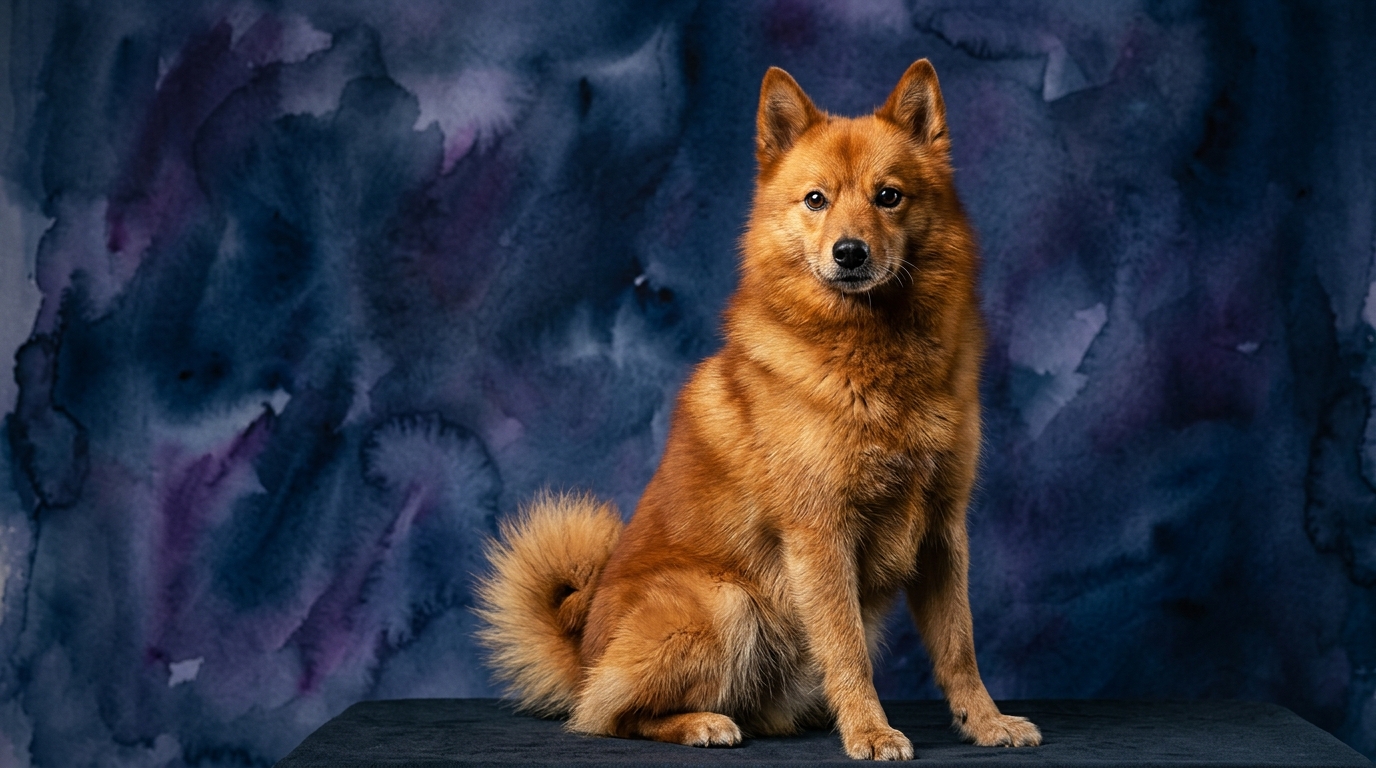
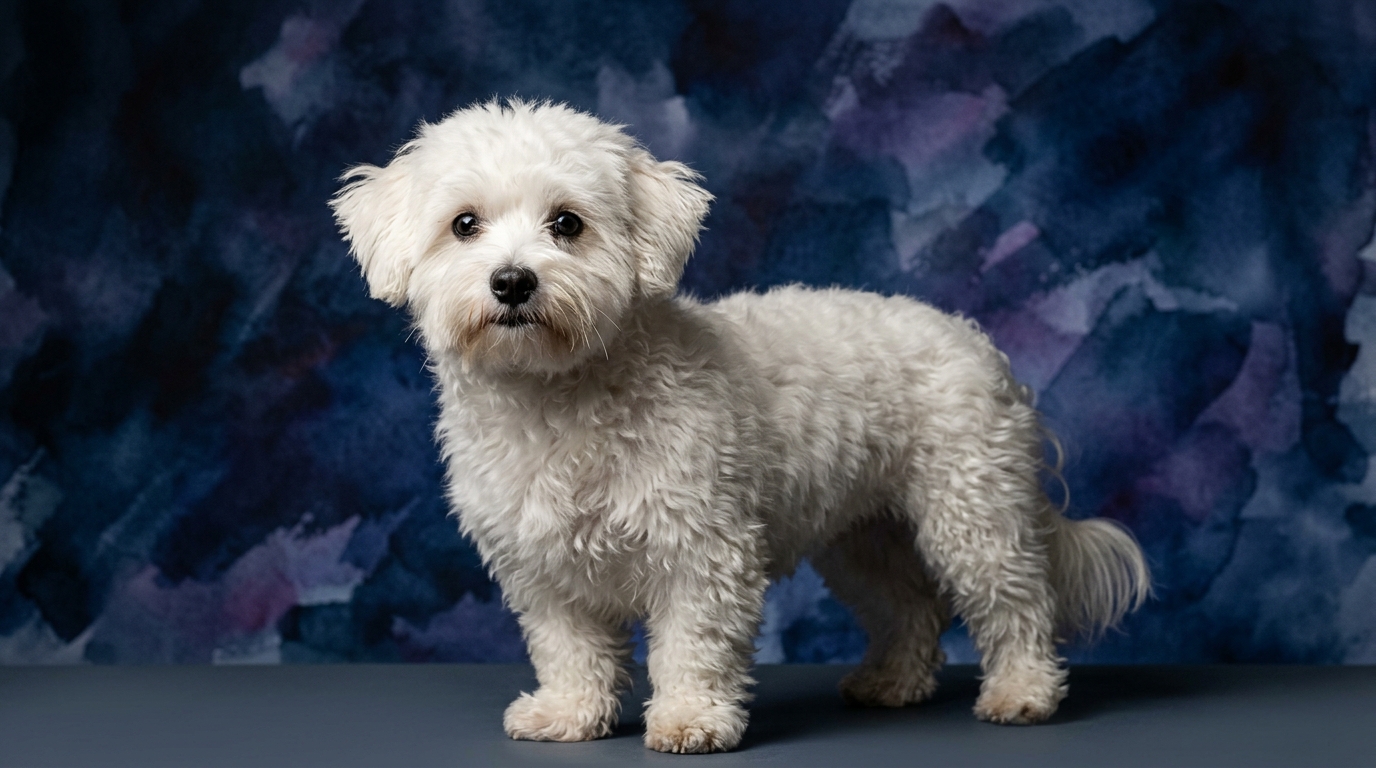
Side-by-Side IQ Profile: Finnish Spitz vs. Coton de Tuléar
Despite both breeds scoring an identical 3/5 across all five dimensions of our Pet IQ Lab assessment, the practical application of these cognitive abilities varies significantly, reflecting their unique histories and temperaments. Understanding these nuances moves beyond mere numerical scores to reveal the true character of their intellect.
For the Finnish Spitz, a 3/5 in Problem Solving often applies to practical environmental challenges, like independently locating a "prey" item during a game or navigating a new trail efficiently. Their ingenuity is frequently task-oriented and self-directed. The Coton de Tuléar also scores 3/5, but their problem-solving frequently manifests in social contexts, such as figuring out how to gain human attention or open a treat container. Their moderate cleverness is often aimed at domestic comfort and interaction.
The Finnish Spitz learns new commands at a moderate pace (3/5 Training Speed), often requiring consistent, patient reinforcement due to their independent nature; they tend to evaluate the benefit of compliance before acting. The Coton de Tuléar similarly learns at a moderate speed (3/5), yet their motivation often stems from a strong desire to please and interact with their people, making them generally receptive to positive, gentle training methods.
Finnish Spitz dogs show moderate understanding of human cues (3/5 Social Intelligence), forming strong bonds but often maintaining a degree of independence in family interactions, focusing on communication related to activities or routines. The Coton de Tuléar's 3/5 social intelligence is often expressed through their moderate ability to read subtle human emotions and adapt their behavior to maintain harmonious companionship, making them quite perceptive to household dynamics.
The Finnish Spitz's moderate Instinctive Drive (3/5) is heavily influenced by their hunting heritage, manifesting as a strong inclination to bark, patrol, and investigate scents, requiring outlets for these natural behaviors. The Coton de Tuléar’s 3/5 instinctive drive is primarily centered on companionship, a profound desire to be near their human family, engage in play, and seek comfort within their domestic sphere.
Finnish Spitz dogs possess a moderate memory (3/5) for learned commands, routines, and environmental details, reliably recalling specific locations or training sequences once established. The Coton de Tuléar also has a moderate memory (3/5), particularly adept at retaining social associations, remembering which family member offers specific rewards, and recalling the sequence of daily household events.
Where the Finnish Spitz Wins Cognitively
The Finnish Spitz, despite identical scores across the board, demonstrates a cognitive edge in scenarios demanding a particular blend of independent decision-making and acute environmental awareness. Their problem-solving (3/5) is particularly effective in situations requiring self-reliance, such as navigating complex outdoor environments or independently assessing a situation before reacting. This breed excels when tasked with roles that tap into their historical purpose, like scent work or tracking games, where their moderate memory (3/5) helps them recall specific locations and scent trails.
Their instinctive drive (3/5), rooted deeply in their hunting and alerting heritage, means they possess a natural vigilance and a keen sense of their surroundings. This manifests as an ability to identify and react to novel stimuli, often alerting their owners with their characteristic bark, rather than waiting for explicit instruction. While their social intelligence (3/5) allows them to form strong family bonds, they often prefer a cooperative, rather than overly dependent, working relationship with their human companions, understanding directives with an independent spirit.
Where the Coton de Tuléar Wins Cognitively
The Coton de Tuléar shines in cognitive areas centered around social finesse and adaptability within a complex domestic environment. Their problem-solving (3/5) is frequently directed towards understanding and subtly manipulating their human environment, such as figuring out how to gain access to a favorite spot or eliciting a specific positive reaction from their owner. This breed's social intelligence (3/5) is particularly refined in reading subtle human cues, making them exceptional at sensing mood changes and offering comfort or engaging in appropriate play.
Their memory (3/5) is strong for social interactions and routines, remembering which family member is prone to an extra treat or a specific game, allowing them to seamlessly integrate into various household dynamics. The Coton's instinctive drive (3/5) is primarily geared towards companionship, meaning they are inherently motivated to engage with their family, making them highly responsive to social rewards and positive reinforcement. They thrive in environments where their cognitive abilities are used to strengthen human-animal bonds and navigate intricate social landscapes with charming adaptability.
Which is Easier to Train and Why?
When considering ease of training, the Coton de Tuléar generally presents a smoother experience for the average owner, despite both breeds scoring 3/5 in training speed. The Coton's inherent desire to please and strong social intelligence makes them highly responsive to positive reinforcement and eager to engage in learning sessions as a form of interaction. They thrive on praise and attention, which are powerful motivators. Their problem-solving (3/5) is often directed at understanding what their human wants, making them cooperative pupils in a domestic setting.
In contrast, the Finnish Spitz, while capable learners at a moderate pace (3/5 training speed), possesses a more independent and sometimes stubborn streak. Their instinctive drive (3/5) means they may prioritize an interesting scent or a perceived "job" over a training command, especially outdoors, requiring more effort to maintain focus. Training a Finnish Spitz demands more patience, creativity, and a deep understanding of their natural instincts to make learning rewarding for them, often needing to tap into their prey drive or desire for "work" to maintain engagement. The Coton's motivation is more intrinsically linked to human companionship, making them generally more amenable to obedience training.
Which Suits Active Owners vs. Relaxed Owners?
The choice between these two breeds for active versus relaxed owners hinges on their differing energy outlets and cognitive engagement needs. The Finnish Spitz, with its moderate instinctive drive (3/5) rooted in hunting, is better suited for active owners. They require consistent physical exercise, but equally important is mental stimulation that taps into their problem-solving (3/5) and vigilance instincts. Long walks, opportunities for scent work, or engaging in "find it" games that mimic hunting behaviors are crucial for their mental well-being. Their moderate social intelligence means they appreciate companionship but are also content with periods of independent exploration.
For relaxed owners, the Coton de Tuléar is often a more fitting choice. While they enjoy moderate daily walks and playtime, their primary needs revolve around social interaction and companionship. Their instinctive drive (3/5) for being close to their people means they are content with indoor games, cuddling on the couch, and being an integral part of daily family life without demanding extensive outdoor excursions. Their moderate problem-solving is often satisfied by interactive toys or learning new tricks within the home environment, thriving on consistent human presence rather than intense physical activity.
The Verdict
Choose the Finnish Spitz if you're an active owner seeking a moderately independent companion who thrives on outdoor adventures, mental challenges, and has a strong sense of environmental awareness.
Opt for the Coton de Tuléar if you desire a devoted, moderately adaptable companion who excels in social interactions, enjoys a more relaxed lifestyle, and thrives on consistent human presence.
🧠 Find Your Pet's IQ Score
Our Pet IQ Lab assessment covers 25+ tests across 5 cognitive dimensions — personalized to your breed.
Take the Full IQ Test →Frequently Asked Questions
Do Finnish Spitz or Coton de Tuléar bark a lot?
The Finnish Spitz has a moderate instinctive drive to bark, historically used to alert hunters to game, which can translate to frequent vocalization in a home. The Coton de Tuléar also barks, but typically less intensely and often in response to specific stimuli or to communicate with their family, not as a primary instinct.
Are these breeds good with children?
Both breeds can be good with children, demonstrating moderate social intelligence. The Finnish Spitz, being more independent, might tolerate children but prefers respectful interaction. The Coton de Tuléar, with its companion-oriented nature, often enjoys playing with gentle children and integrates well into family dynamics, thriving on the attention.
How do their problem-solving skills differ in daily life?
While both score 3/5 for problem-solving, a Finnish Spitz might use it to figure out how to access an outdoor area or track a scent. A Coton de Tuléar more commonly applies its skills to social puzzles, like manipulating a human for a treat or figuring out how to get onto a forbidden couch.