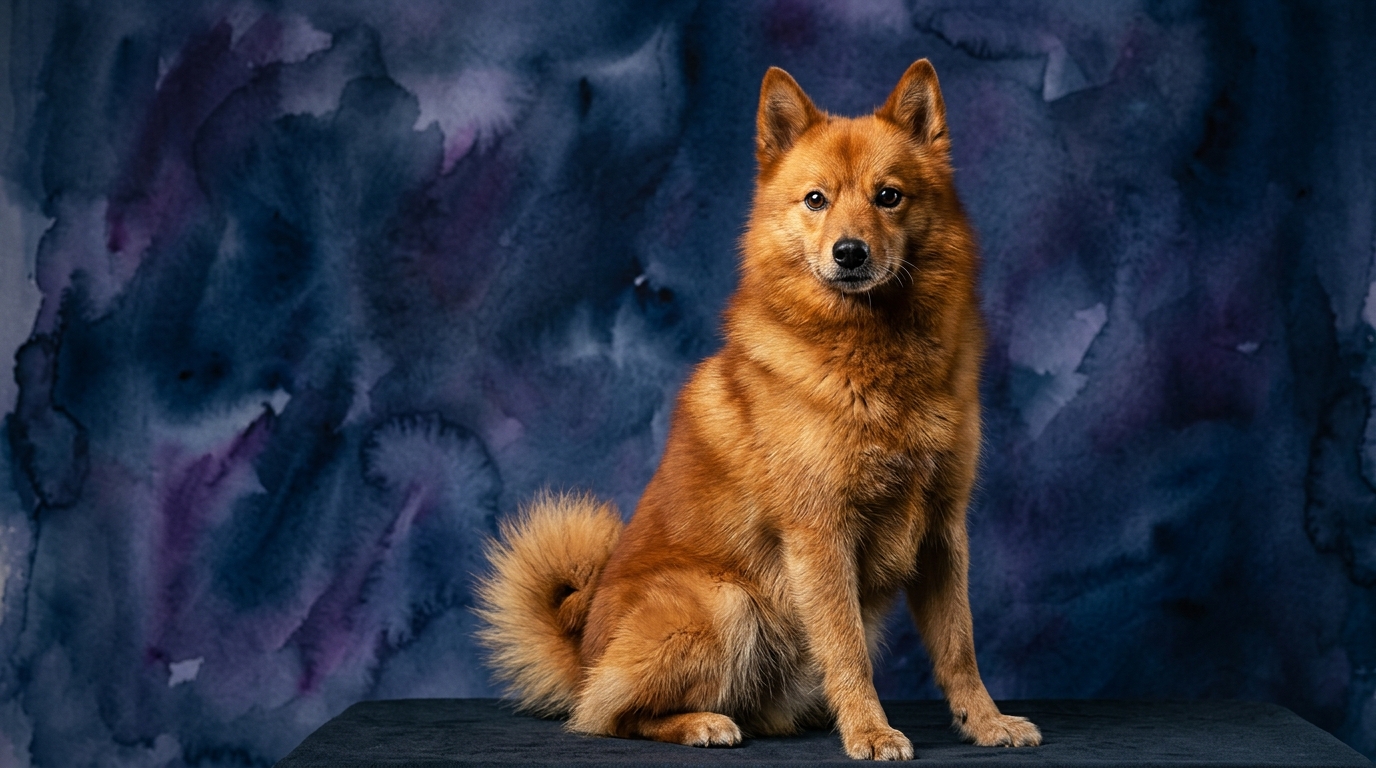

Side-by-Side IQ Profile: Finnish Spitz vs. Toy Poodle
At The Cosmic Pet Pet IQ Lab, we evaluate canine intelligence across five key dimensions, offering a nuanced perspective beyond simple rankings. For the Finnish Spitz, a dog not Coren-ranked, its profile shows a consistent moderation: Problem Solving (3/5), Training Speed (3/5), Social Intelligence (3/5), Instinctive Drive (3/5), and Memory (3/5). This indicates a capable but not exceptionally swift learner, with a balanced understanding of its environment and social cues, complemented by a moderate drive for its natural behaviors.
The Toy Poodle, in stark contrast, holds a prestigious Coren rank of #2, reflecting its exceptional cognitive prowess. Its IQ profile includes Problem Solving (5/5), Training Speed (5/5), Social Intelligence (3/5), Instinctive Drive (3/5), and Memory (5/5). This breed demonstrates outstanding abilities in abstract thought, rapid learning, and retention, while sharing a similar moderate social intelligence and instinctive drive with the Finnish Spitz. The difference in their Coren ranking immediately highlights the Poodle's superior performance in obedience-based intelligence.
Where the Finnish Spitz's Cognitive Profile Shines
While the Finnish Spitz may not dominate in sheer cognitive speed or problem-solving prowess compared to the Toy Poodle, their balanced cognitive profile, marked by consistent 3/5 scores across all dimensions, fosters a unique and valuable set of attributes. Their moderate problem-solving ability means they are capable of navigating their environment and figuring out solutions to everyday challenges without becoming overly complex or prone to overthinking, which can sometimes lead to anxiety in more cerebrally intense breeds. This steady cognitive pace means they approach tasks with a thoughtful persistence rather than a frantic burst of ingenuity. Furthermore, their 3/5 instinctive drive is perfectly calibrated for their original purpose: an independent, vocal bird dog. This manifests as a keen awareness of their surroundings and a strong, purposeful bark—traits essential for alerting hunters to game. Owners who appreciate a dog with a clear, self-reliant purpose and a less demanding cognitive load for daily enrichment will find their balanced intellect a distinct advantage. Their social intelligence, also at 3/5, allows them to form strong, loyal bonds with their family without an overwhelming need for constant human direction or validation, fostering a sense of independent companionship.
Where the Toy Poodle Wins Cognitively
The Toy Poodle’s cognitive strengths are evident and impactful, particularly in areas critical for complex learning and adaptability. Scoring a perfect 5/5 in Problem Solving, they exhibit a remarkable capacity to analyze new situations, understand abstract concepts, and devise creative solutions with impressive speed. This isn't just about figuring out how to open a treat puzzle; it extends to understanding sequences of events or adapting quickly to new routines and environments. Their Training Speed, also at 5/5, means they absorb new commands and behaviors with minimal repetition, making them exceptionally quick studies in obedience, tricks, and specialized tasks. This rapid learning curve allows for a vast and varied training repertoire, keeping both dog and owner engaged. Complementing these strengths is their 5/5 Memory, which ensures that once a lesson is learned or an experience is encountered, it is retained effectively. This superior recall is invaluable for reinforcing good habits, maintaining complex command sequences, and remembering people and places over long periods. Owners seeking a companion capable of advanced training, intricate problem-solving, and a wide array of learned behaviors will find the Toy Poodle's cognitive makeup a profound asset.
Which is Easier to Train and Why
When it comes to ease of training, the Toy Poodle distinctly outpaces the Finnish Spitz. The Toy Poodle's 5/5 Training Speed means they pick up new commands and routines with very few repetitions, often seeming to anticipate what is expected of them. Their exceptional Problem Solving (5/5) allows them to understand complex cues and sequences quickly, making them highly responsive to advanced training methods, whether it's agility, competitive obedience, or learning intricate tricks. Furthermore, their 5/5 Memory ensures that once a behavior is learned, it is retained reliably over time, reducing the need for constant refreshers. This combination results in a dog that is not only eager to learn but also highly efficient in the learning process, making training a rewarding and often swift experience for the owner.
In contrast, the Finnish Spitz, with its 3/5 Training Speed, requires more patience and consistent repetition to solidify new behaviors. Their moderate Problem Solving (3/5) means they might take longer to grasp abstract concepts or intricate sequences. While perfectly capable of learning, their training journey is often more gradual and requires a dedicated, persistent owner who understands their more independent nature and potential for selective hearing when their instinctive drives are engaged. For example, a Toy Poodle might quickly learn a multi-step 'go get your leash, then sit by the door' command, while a Finnish Spitz might master each step individually over a longer period, preferring to focus on a single task before adding complexity.
Suitability for Active vs. Relaxed Owners
Choosing between a Finnish Spitz and a Toy Poodle based on lifestyle preferences involves considering both their physical energy levels and their unique cognitive demands. The Finnish Spitz, while possessing a moderate instinctive drive (3/5), is traditionally a hunting dog that thrives on outdoor exploration and opportunities to engage their senses. Their strong vocalization instinct, tied to their historical role as bark pointers, means they require owners who can manage and appreciate their communicative nature, providing outlets for this inherent trait rather than trying to suppress it entirely. They are well-suited for active owners who enjoy regular walks, hikes, or activities in varied environments where their curiosity and scenting abilities can be engaged. They are not necessarily high-strung, but they are purposeful and benefit from consistent, stimulating outdoor time, making them a good fit for those who lead an moderately active, outdoors-oriented lifestyle.
Conversely, the Toy Poodle, with its exceptional cognitive abilities (5/5 in Problem Solving, Training Speed, and Memory), needs significant mental engagement. While they are adaptable to various physical activity levels, from daily walks to more vigorous play, their minds need to be worked consistently. This makes them ideal for owners who are active in a different sense: those who enjoy engaging in training classes, learning new tricks, participating in dog sports like agility or obedience, or providing complex puzzle toys. A Toy Poodle with insufficient mental stimulation can become bored and potentially develop undesirable behaviors. Therefore, they suit owners who are mentally active and committed to providing ongoing cognitive challenges, rather than solely physical exertion. A relaxed owner who prefers minimal engagement beyond basic walks might find a Toy Poodle's mental needs overwhelming, whereas a Finnish Spitz might adapt better to a more independent, less 'scheduled activity' approach, provided their basic physical and exploratory needs are met.
The Verdict
Choose the Finnish Spitz if you appreciate a loyal, independent companion with a moderate cognitive pace, valuing their natural instincts and unique vocalizations over rapid obedience. They are an excellent fit for owners who enjoy consistent outdoor activities and are prepared to engage with a dog whose intellect thrives on purposeful exploration rather than constant complex instruction.
Opt for the Toy Poodle if you seek a highly trainable, versatile companion eager to learn and excel in a wide array of activities, from advanced obedience to complex tricks. They are best suited for owners who are committed to providing consistent mental stimulation and enjoy the rewarding process of engaging with a dog of profound cognitive capabilities.
🧠 Find Your Pet's IQ Score
Our Pet IQ Lab assessment covers 25+ tests across 5 cognitive dimensions — personalized to your breed.
Take the Full IQ Test →Frequently Asked Questions
Is the Finnish Spitz difficult to train?
The Finnish Spitz has a moderate training speed (3/5), meaning they are not inherently difficult but require more patience, consistency, and positive reinforcement than a faster-learning breed. Their independent nature also means owners need to be engaging and persistent in their methods.
Do Toy Poodles need a lot of exercise?
Toy Poodles are adaptable and can thrive with moderate physical exercise like daily walks and playtime, but their high cognitive abilities mean they require significant mental stimulation. Activities like puzzle toys, training sessions, and dog sports are crucial to keep their minds engaged and prevent boredom.
Which breed is better for apartment living?
Both breeds can adapt to apartment living with proper management. The Toy Poodle is often a better fit due to its smaller size and adaptability, provided its mental needs are met. The Finnish Spitz, while also small, has a strong vocalization instinct that might be more challenging to manage in close quarters, requiring diligent training from a young age.