Side-by-Side Cognitive Profile
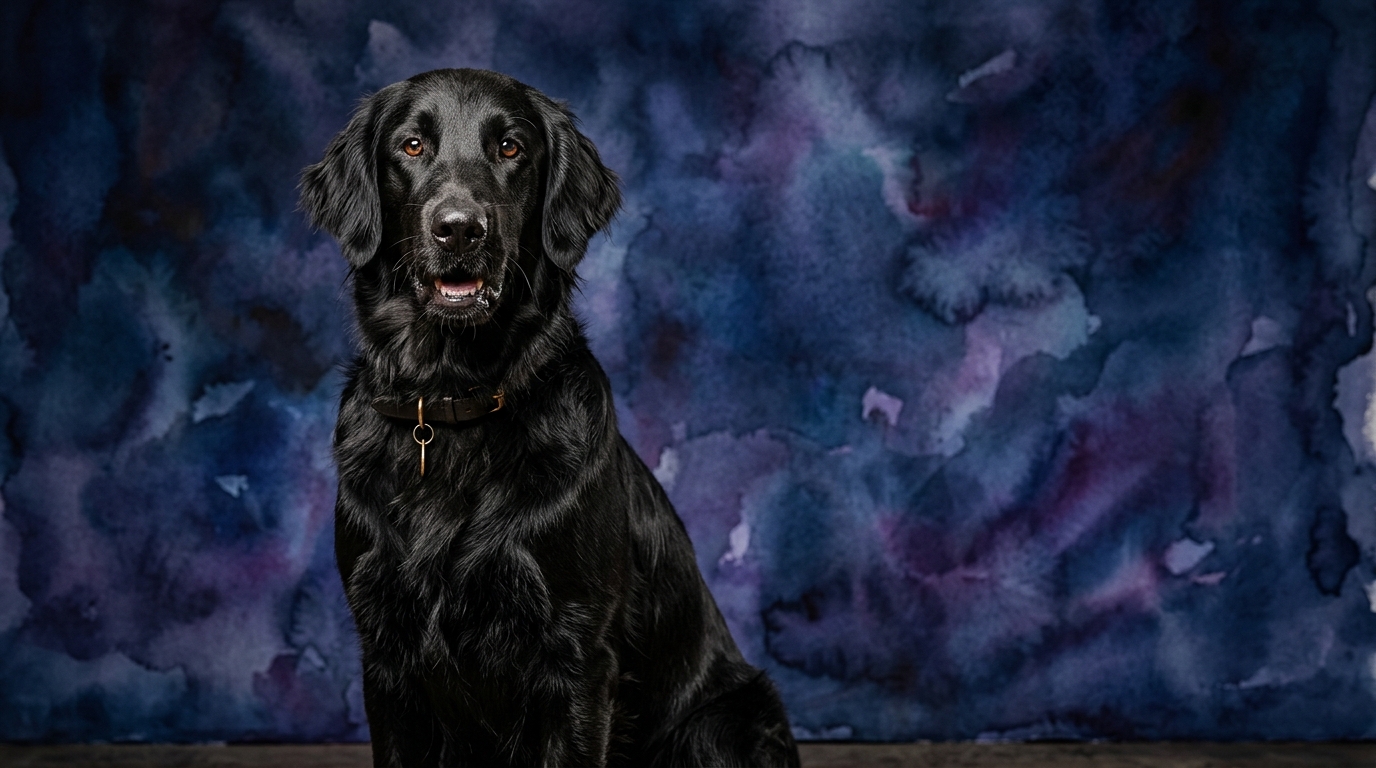
The Cosmic Pet Pet IQ Lab provides a nuanced view of canine cognition, breaking down intelligence into five key dimensions. For the Flat-Coated Retriever, a Sporting group dog ranked #17 by Coren, these dimensions reveal a profile optimized for collaborative work and impressive retention. Their Problem Solving is rated 4/5, indicating a strong capacity for analyzing situations and devising effective solutions. Training Speed also stands at 4/5, highlighting their quick grasp of new commands. Social Intelligence is 3/5, suggesting adequate but not exceptional interpersonal understanding. Instinctive Drive is 3/5, focused on purposeful retrieving, and their Memory is a remarkable 5/5.
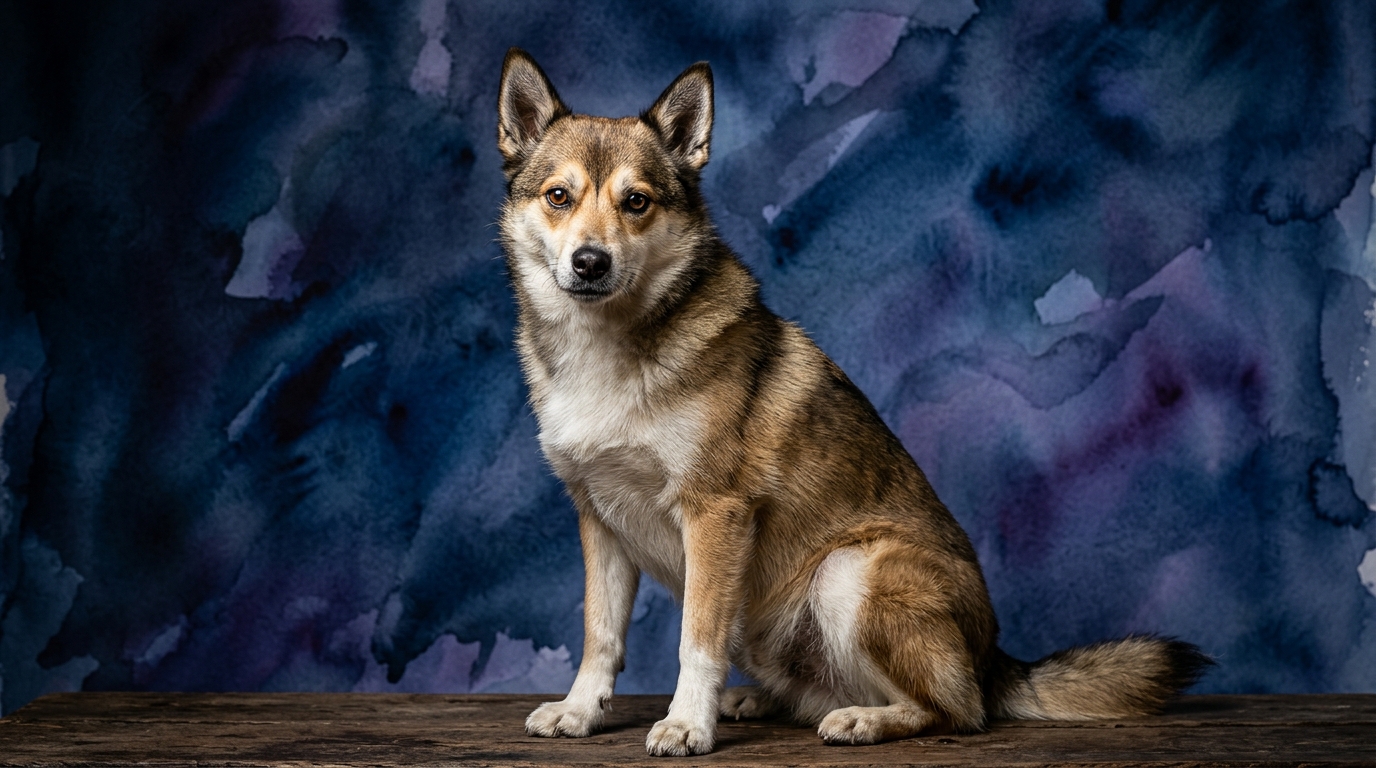
The Norwegian Lundehund, a Non-Sporting breed not Coren-ranked, presents a different cognitive landscape. Its Problem Solving is 3/5, reflecting practical ingenuity tied to its historical role. Training Speed is also 3/5, indicating a moderate learning pace. Social Intelligence is 3/5, similar to the Flat-Coat, for navigating social environments. Instinctive Drive is 3/5, characterized by independent exploration and persistence. Finally, their Memory is 3/5, functional but not as extensive as breeds with higher retention scores.
Where the Flat-Coated Retriever Excels Cognitively
The Flat-Coated Retriever clearly surpasses the Norwegian Lundehund in several key cognitive domains, particularly those valued in traditional dog sports and companion roles. Their Problem Solving score of 4/5 highlights a superior ability to analyze situations and devise effective solutions, whether it’s figuring out how to open a treat puzzle or navigating an agility course with precision. This cognitive flexibility allows them to adapt to novel challenges and learn complex sequences of actions more readily than the Lundehund.
Furthermore, the Flat-Coat’s Training Speed of 4/5 indicates a significantly faster acquisition of new commands and behaviors. They are often quick to generalize learned skills to new contexts, making advanced obedience or intricate trick training a more fluid process. This efficiency in learning is coupled with an exceptional Memory score of 5/5, meaning once a Flat-Coat learns something, they retain it with remarkable fidelity over long periods. Owners will find that commands taught years ago are often recalled with little prompting, a testament to their robust long-term retention capabilities.
Where the Norwegian Lundehund Shows Unique Strengths
While the Norwegian Lundehund doesn't outscore the Flat-Coated Retriever in any of the listed IQ dimensions, its cognitive strengths lie in areas deeply tied to its unique evolutionary niche. The Lundehund’s problem-solving, rated 3/5, is specifically adapted for independent, persistent tasks that require physical ingenuity rather than collaborative strategy. Imagine a Lundehund methodically working its way into a tight crevice to retrieve a 'puffin' (or a toy), using its extraordinary flexibility and unique paw structure; this is a form of practical, embodied problem-solving that might not register as high on standard canine IQ tests but is crucial for its historical role.
Their instinctive drive, also rated 3/5, while not higher than the Flat-Coat’s, is characterized by a strong, independent motivation for exploration and digging. This drive allows them to operate effectively without constant human direction, making them incredibly self-reliant in specific contexts. While a Flat-Coat's drive is often directed by human partnership, the Lundehund's drive is more internally generated, enabling them to pursue objectives with singular focus, even in challenging environments. This tenacity and specialized physical problem-solving, though not reflected in higher scores, represent a distinct cognitive advantage in their ancestral domain.
Ease of Training: Flat-Coat vs. Lundehund
When it comes to ease of training, the Flat-Coated Retriever holds a distinct advantage over the Norwegian Lundehund, primarily due to their superior Training Speed (4/5 vs 3/5) and exceptional Memory (5/5 vs 3/5). Flat-Coats are eager to please and quick to form associations between commands and actions, often needing fewer repetitions to master a new skill. Their strong memory ensures that once a behavior is learned, it is retained for a long time, leading to greater consistency in performance.
Behaviorally, Flat-Coats are often described as having a 'will to please,' which translates into a higher level of responsiveness to human instruction. They thrive on positive reinforcement and collaborative activities, making them highly receptive students. In contrast, the Norwegian Lundehund, with its independent heritage as a solitary hunter, tends to be more self-directed and less inherently driven by human approval. While capable of learning, their training often requires more patience, creativity, and a consistent approach to overcome their natural inclination for autonomy. Their moderate memory also means that skills might need more frequent refreshing to remain sharp, compared to the Flat-Coat’s robust recall.
Matching Canine Cognition to Owner Lifestyles
For active owners seeking a canine companion deeply involved in structured activities, the Flat-Coated Retriever is an excellent match. Their high Problem Solving (4/5), Training Speed (4/5), and Memory (5/5) make them ideal for dog sports like agility, obedience, flyball, or field work. They thrive on mental engagement and physical exercise that involves working alongside their human, requiring owners who can provide consistent training, regular outings, and stimulating challenges. Their moderate instinctive drive means their energy is often channeled productively into tasks rather than undirected roaming, making them enthusiastic partners for hiking, running, or retrieving games.
The Norwegian Lundehund, with its moderate scores across the board, can suit owners who appreciate a dog with a unique personality and specific, less conventional activity needs. While they are not couch potatoes, their activity requirements are often more about exploration and independent play rather than intense, collaborative sports. Owners who enjoy long, sniff-filled walks, puzzle toys that engage their practical problem-solving, or whose lifestyle allows for their independent nature to flourish without demanding strict obedience will find the Lundehund a good fit. They are less suited for owners seeking a dog for competitive obedience or highly structured activities, preferring a more relaxed but still engaging environment where their curiosity and distinctive physical abilities can be expressed.
The Verdict
Opt for the Flat-Coated Retriever if you desire a highly trainable, mentally agile companion for dog sports, advanced obedience, or a family that enjoys interactive, collaborative activities and benefits from exceptional recall.
Select the Norwegian Lundehund if you appreciate a unique, independent thinker with specialized physical abilities, and you can provide patient, consistent training alongside opportunities for exploration and independent problem-solving.
🧠 Find Your Pet's IQ Score
Our Pet IQ Lab assessment covers 25+ tests across 5 cognitive dimensions — personalized to your breed.
Take the Full IQ Test →Frequently Asked Questions
Are Flat-Coated Retrievers good family dogs?
Yes, Flat-Coated Retrievers are generally affectionate and playful, making them wonderful family companions. Their social intelligence, while not the highest, allows them to form strong bonds with their human family members, especially when provided with consistent training and socialization from a young age.
Do Norwegian Lundehunds require a lot of exercise?
Norwegian Lundehunds require a moderate amount of exercise, primarily through daily walks and opportunities for independent exploration or digging. Their energy is often expressed through curiosity and persistence rather than sustained, high-intensity activity, so mental stimulation is as important as physical exertion.
Which breed is better for first-time dog owners?
The Flat-Coated Retriever is generally more forgiving and easier for first-time dog owners due to their higher training speed and eagerness to please. The Norwegian Lundehund's independent nature and specific training needs might be more challenging for someone new to dog ownership, requiring more patience and understanding of their unique breed traits.