Side-by-Side IQ Profile
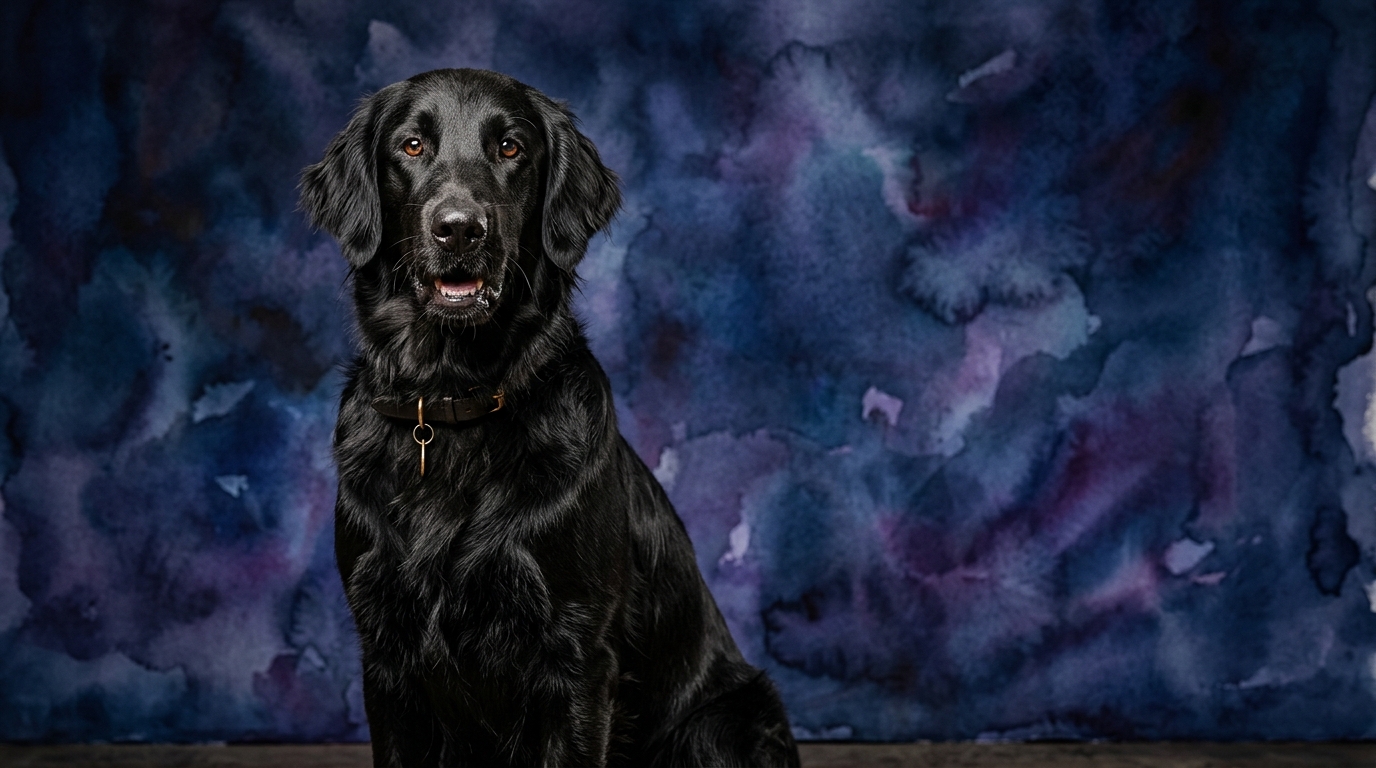
The Cosmic Pet Pet IQ Lab employs a multi-faceted approach to intelligence, evaluating five key cognitive dimensions beyond simple obedience scores. For the Flat-Coated Retriever, a breed ranked an impressive #17 by Stanley Coren for working and obedience intelligence, its cognitive profile is robust. We see a strong 4/5 in Problem Solving, indicating a capacity for navigating complex situations and devising novel solutions. Its Training Speed also stands at a commendable 4/5, suggesting a quick grasp of new commands and routines. Social Intelligence is rated 3/5, meaning they connect well with their human companions but might not be as finely tuned to subtle social cues as some breeds. Instinctive Drive, at 3/5, reflects their heritage as gundogs with a natural inclination for retrieving, albeit not at the highest intensity. Where the Flat-Coat truly shines is in Memory, scoring a perfect 5/5, allowing them to retain learned behaviors and experiences over extended periods, making them highly adaptable to various forms of interactive engagement.
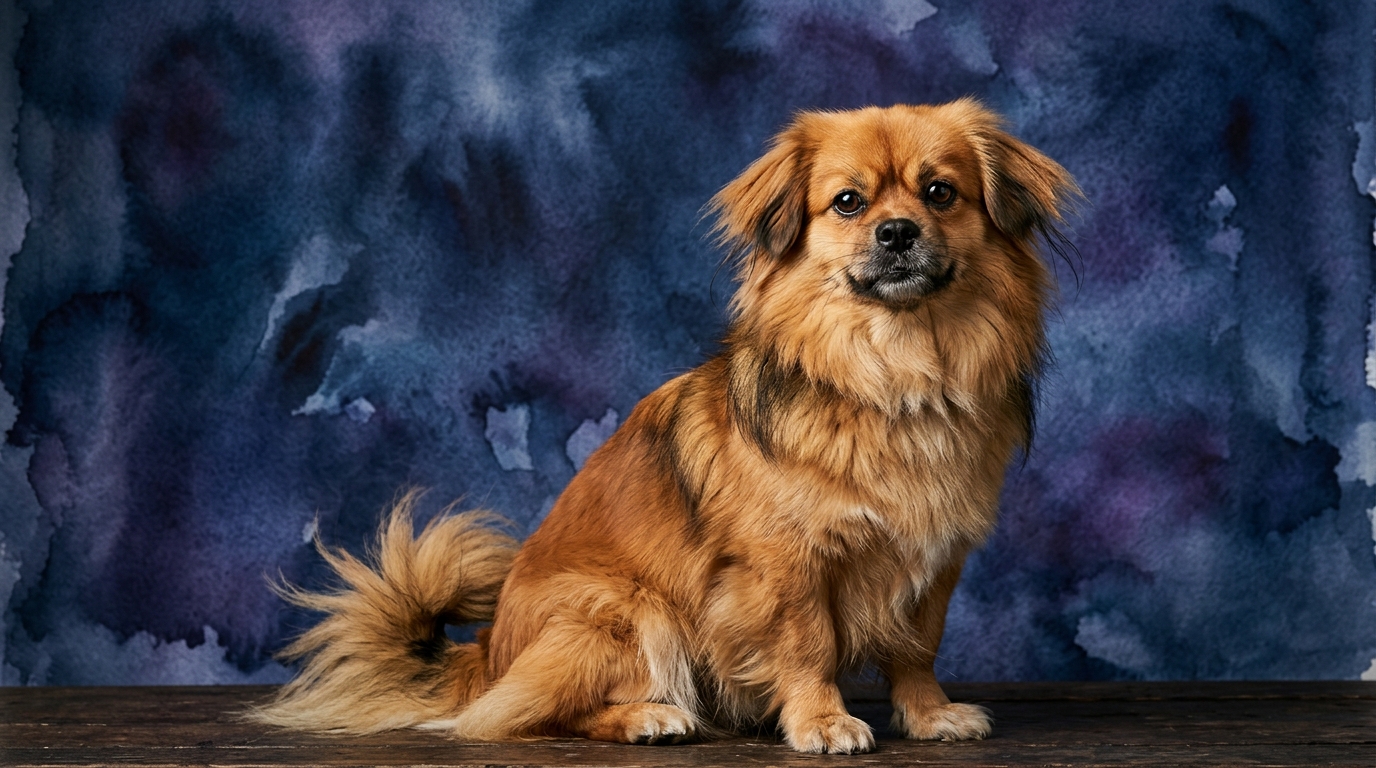
In contrast, the Tibetan Spaniel, a breed not appearing on Coren's traditional working and obedience intelligence rankings, presents a different cognitive landscape, perfectly suited to its historical role. This breed scores 3/5 in Problem Solving, indicating a moderate ability to navigate challenges, often relying on observation and a degree of independent thought. Their Training Speed is also 3/5, suggesting they learn at a steady pace, though perhaps with a need for more patience and consistency than their retriever counterpart. Social Intelligence for the Tibetan Spaniel is 3/5, reflecting their strong bond with their family while maintaining a degree of self-sufficiency. Instinctive Drive, also 3/5, is geared towards their historical role as companion-watchdogs, exhibiting alertness and a desire to be near their people rather than a drive for complex tasks. Finally, their Memory is rated 3/5, sufficient for recalling familiar faces, places, and routines, but perhaps not for mastering an extensive repertoire of complex commands.
Where Flat-Coated Retriever Wins Cognitively
The Flat-Coated Retriever's cognitive strengths distinctly outpace the Tibetan Spaniel in several critical areas, primarily due to their heritage as active working dogs. Their 4/5 Problem Solving score means they excel at tasks requiring strategic thought, like figuring out how to open a puzzle toy or navigating an agility course efficiently. This isn't just about brute force; it's about understanding the mechanics of a situation and applying learned principles. Coupled with their outstanding 5/5 Memory, a Flat-Coat can not only solve a problem but remember the solution, making subsequent attempts faster and more fluid. This superior memory also contributes significantly to their 4/5 Training Speed; they absorb new commands, tricks, and routines with remarkable retention, allowing for rapid skill acquisition and the building of a complex behavioral repertoire. Their cognitive profile is optimized for learning, recalling, and applying knowledge in dynamic environments.
Where Tibetan Spaniel Wins Cognitively
While the Tibetan Spaniel's scores might appear numerically lower, their cognitive profile represents a distinct "win" in dimensions crucial to their unique historical role and desired companionship. Their 3/5 in Problem Solving, though moderate, often manifests as clever resourcefulness tailored to their environment. They are adept at finding the most comfortable sunbeam, identifying the best vantage point in a room, or subtly communicating their desires to their human family. This isn't about retrieving ducks; it's about navigating their social and physical world with independent thought and a keen observational eye. Their 3/5 Instinctive Drive, focused on vigilance and companionship, means they possess a natural alertness without the overwhelming need for constant physical exertion. This allows them to be present and observant companions, keenly aware of their surroundings and family's dynamics, without requiring complex, task-oriented engagement. Their social intelligence, also 3/5, fosters a deep, discerning bond, where they are attuned to their immediate family's moods and routines, offering quiet devotion rather than demanding interaction. Their cognitive strengths lie in their self-sufficiency, observational intelligence, and the ability to thrive as an attentive, independent companion.
Which is Easier to Train and Why
When it comes to ease of training, the Flat-Coated Retriever undeniably holds an advantage over the Tibetan Spaniel, primarily due to their higher scores in Training Speed (4/5) and Memory (5/5). A Flat-Coat typically grasps new commands and concepts quickly, often requiring fewer repetitions before a behavior is solidified. Their eagerness to please and strong work ethic, combined with their superior memory, ensures that once a lesson is learned, it is retained for a long time, making refresher sessions less frequent. This breed thrives on positive reinforcement and engaging training sessions, viewing them as a collaborative effort. In contrast, the Tibetan Spaniel's 3/5 Training Speed suggests a more measured pace of learning. While capable of learning a wide array of commands, they may require more consistent repetition and a patient, understanding approach. Their independent nature means they might assess the value of a command before complying, occasionally exhibiting a charming stubbornness. Training a Tibetan Spaniel often involves convincing them that cooperation is a worthwhile endeavor, requiring creativity and consistency from the owner rather than a simple rote learning approach.
Which Suits Active Owners vs Relaxed Owners
The cognitive profiles of these two breeds clearly delineate their suitability for different owner lifestyles. The Flat-Coated Retriever, with its 4/5 Problem Solving, 4/5 Training Speed, and 3/5 Instinctive Drive, is an ideal match for active owners who relish engaging their dog in various mentally and physically stimulating activities. Their cognitive makeup drives a need for purpose, whether it's participating in dog sports like agility or obedience, exploring new hiking trails, or engaging in complex puzzle games. Owners who enjoy teaching new tricks, going on long walks, or participating in retrieve-based games will find the Flat-Coat a willing and enthusiastic partner. Conversely, the Tibetan Spaniel, with its consistent 3/5 across most cognitive dimensions, is better suited for more relaxed owners who appreciate a discerning, independent companion. Their moderate drive means they are content with shorter walks, indoor play, and simply being near their family. While they benefit from mental stimulation, it doesn't need to be as intense or constant as with a Flat-Coat. Owners who prefer a watchful presence, a cuddly lap dog, and a companion who offers affection on its own terms will find the Tibetan Spaniel's cognitive and behavioral traits align perfectly with a quieter, less demanding lifestyle.
The Verdict
Opt for the Flat-Coated Retriever if you seek an enthusiastic, highly trainable partner for active sports, complex learning, and outdoor adventures, valuing a dog with exceptional memory and problem-solving abilities.
Select the Tibetan Spaniel if you desire an alert, independent, and devoted companion content with a more relaxed lifestyle, appreciating a dog whose intelligence manifests in subtle observation and self-sufficiency.
🧠 Find Your Pet's IQ Score
Our Pet IQ Lab assessment covers 25+ tests across 5 cognitive dimensions — personalized to your breed.
Take the Full IQ Test →Frequently Asked Questions
Does a lower IQ score mean a dog is "not smart"?
Not at all; IQ scores reflect how a dog's cognitive traits align with certain human-defined tasks or roles. A 3/5 score indicates moderate capacity, perfectly sufficient and often ideal for a breed's intended purpose, rather than indicating a lack of intelligence.
How does Coren's ranking relate to the Pet IQ Lab scores?
Coren's ranking primarily measures "working and obedience intelligence," which correlates strongly with the Pet IQ Lab's "Training Speed" and "Problem Solving" dimensions. Breeds with high scores in these areas, like the Flat-Coated Retriever, typically appear higher on Coren's list.
Can I improve my dog's IQ scores through training?
While inherent predispositions exist, consistent and engaging training, mental enrichment, and positive reinforcement can certainly enhance a dog's problem-solving skills, social intelligence, and memory retention, helping them better utilize their full cognitive potential.