
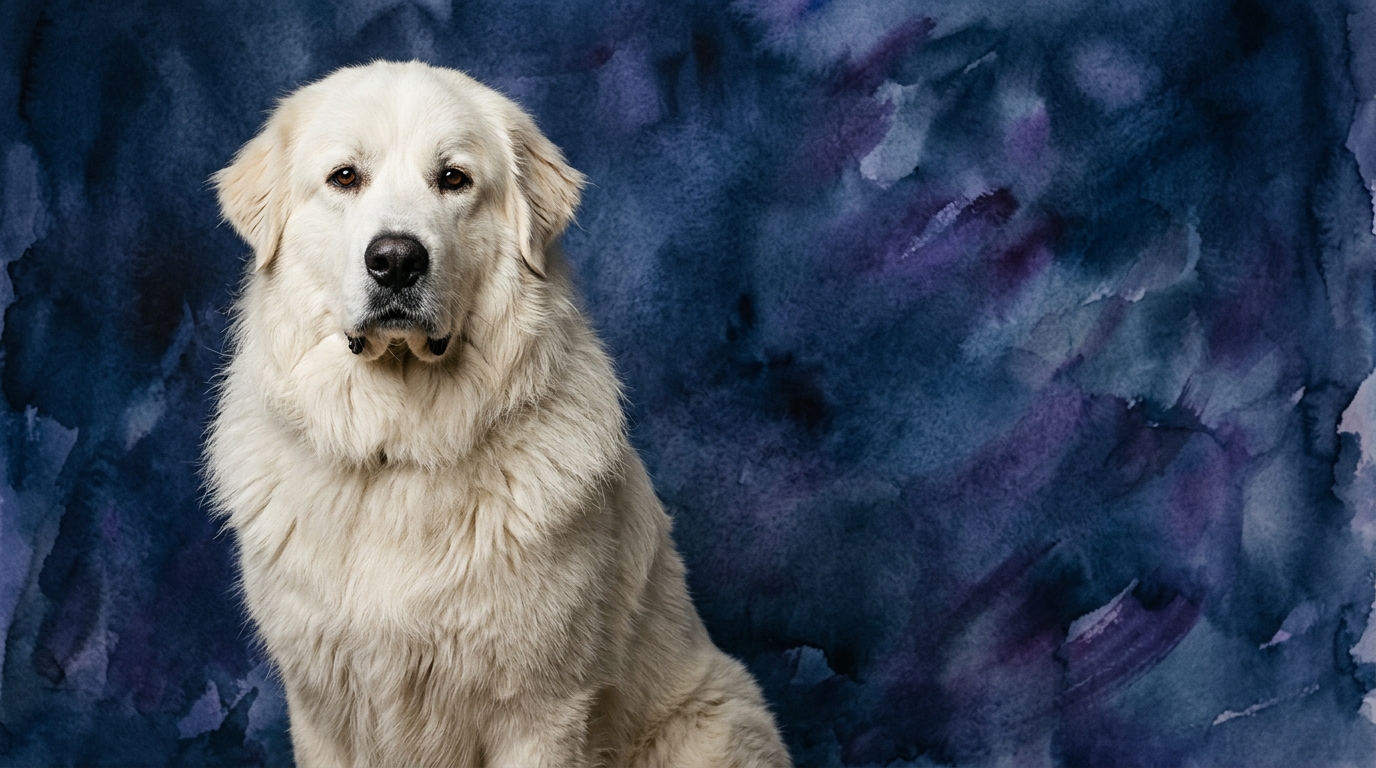
Side-by-Side Cognitive Profiles
The French Bulldog, a member of the Non-Sporting group, exhibits a Problem Solving score of 3/5, indicating a moderate capacity to navigate novel situations or figure out simple puzzles. Their Training Speed also sits at 3/5, suggesting they learn new commands at an average pace, neither exceptionally fast nor particularly slow. Where they truly shine is in Social Intelligence, earning a perfect 5/5; this means they are incredibly attuned to human emotions and social cues, thriving on interaction and easily adapting to various household dynamics. Their Instinctive Drive is lower at 2/5, signifying less preoccupation with independent tasks and a greater focus on companionship, while their Memory is a solid 3/5, allowing them to retain routines and learned behaviors effectively.
In contrast, the Great Pyrenees, a Working breed ranked #64 by Coren for obedience and working intelligence, shares similar scores in several dimensions. They also possess a Problem Solving ability of 3/5 and a Training Speed of 3/5, indicating a comparable foundational learning capacity to the French Bulldog. Their Social Intelligence is rated at 3/5, suggesting a moderate awareness and responsiveness to social cues, often manifesting as a more independent demeanor compared to the Frenchie. The Great Pyrenees' Instinctive Drive is stronger at 3/5, reflecting their pronounced innate drive for guarding and protection, a core aspect of their breed purpose. Their Memory is likewise 3/5, enabling them to recall past experiences and learned behaviors with moderate reliability.
Where the French Bulldog Excels Cognitively
The French Bulldog's preeminent cognitive strength lies in their exceptional Social Intelligence, scoring a 5/5. This dimension signifies an acute sensitivity to human moods, intentions, and social dynamics. French Bulldogs are adept at reading their owners, often anticipating needs and reacting empathetically to emotional states. This high social awareness translates into a profound ability to integrate seamlessly into family life, making them superb companions who thrive on close interaction and companionship. Their cognitive focus is intrinsically linked to their human counterparts.
Furthermore, their lower Instinctive Drive (2/5) complements their social intelligence. This means they are less compelled by independent tasks or deep-seated working instincts, allowing them to dedicate more cognitive resources to social bonding and interaction. They are generally content to be near their people, observing and participating in household activities, rather than being driven by an urge to patrol, herd, or hunt. This makes them highly adaptable to varied domestic environments, prioritizing human connection above all else.
Where the Great Pyrenees Excels Cognitively
The Great Pyrenees' primary cognitive advantage stems from their robust Instinctive Drive, rated at 3/5. This drive is intrinsically tied to their historical role as livestock guardians, manifesting as an inherent vigilance, a strong sense of territory, and a natural inclination towards protection. Their problem-solving abilities (3/5) are often channeled through this drive, allowing them to independently assess and respond to perceived threats within their environment, demonstrating a contextual intelligence focused on security. This makes them highly effective and self-reliant guardians.
Their moderate Social Intelligence (3/5) supports their independent nature, as they are not overly reliant on constant human direction or affirmation to perform their duties. This cognitive profile means they can make decisions autonomously, a critical trait for a guardian breed often left alone with flocks. While they form deep bonds with their families, their cognitive framework prioritizes watchful observation and protective action over constant social engagement, making them astute and steadfast protectors who operate with a self-directed purpose.
Training Dynamics: French Bulldog vs. Great Pyrenees
Both breeds share a Training Speed rating of 3/5, suggesting they absorb new commands at an average rate. However, the *ease* of training differs significantly due to their other cognitive dimensions. The French Bulldog's exceptional Social Intelligence (5/5) makes them highly responsive to human feedback and approval. They are often eager to please and thrive on positive reinforcement, viewing training as an engaging social interaction. Their lower instinctive drive means fewer internal distractions from a strong independent agenda, making them generally more biddable and focused on their handler during training sessions for companion tasks.
Conversely, while the Great Pyrenees learns at a similar pace, their training experience is often more nuanced due to their moderate Social Intelligence (3/5) and pronounced Instinctive Drive (3/5). They are independent thinkers, often weighing commands against their own perception of the situation or their inherent guarding purpose. Training a Great Pyrenees requires immense patience, consistency, and an understanding of their motivations. They may learn a command quickly but choose to execute it only if it aligns with their perceived role or if they see a compelling reason to do so, rather than simply to please. This isn't a lack of ability, but a difference in cognitive priority.
Matching Cognitive Profiles to Owner Lifestyles
For relaxed owners seeking a deeply integrated family member, the French Bulldog's cognitive profile is a superb match. Their high Social Intelligence and lower Instinctive Drive mean they flourish in environments centered around companionship and indoor living. They are content with moderate physical activity and thrive on being part of daily household routines, valuing interaction and proximity to their people above extensive independent exploration or task fulfillment. Their adaptability to various living situations, from apartments to larger homes, is a direct result of their cognitive emphasis on social cohesion.
The Great Pyrenees, with their pronounced Instinctive Drive and independent nature, is better suited for owners who appreciate and can manage a dog with a strong, purposeful disposition. While not necessarily demanding high-intensity sports, they benefit from space where they can survey their territory, fulfilling their guardian instincts. Owners who understand their independent decision-making and are prepared to guide their protective tendencies rather than suppress them will find a deeply loyal companion. This breed thrives with owners who respect their innate purpose and provide an environment where their cognitive strengths can be expressed responsibly.
The Verdict
Choose a French Bulldog if you prioritize an exceptionally socially aware companion, deeply integrated into family life, thriving on constant interaction and adaptable to a relaxed domestic routine.
Opt for a Great Pyrenees if you value an independent, protective presence with a strong instinctive drive for guardianship, suitable for properties needing a vigilant observer, and owners prepared to understand their unique motivations.
🧠 Find Your Pet's IQ Score
Our Pet IQ Lab assessment covers 25+ tests across 5 cognitive dimensions — personalized to your breed.
Take the Full IQ Test →Frequently Asked Questions
Are French Bulldogs good at problem-solving?
French Bulldogs possess a moderate problem-solving ability (3/5), meaning they can navigate common household challenges and puzzle toys with some success. They aren't typically driven to complex strategic tasks but can adapt to new situations effectively.
How does Great Pyrenees social intelligence impact their family life?
With a social intelligence rating of 3/5, Great Pyrenees are moderately responsive to human social cues and tend to be more independent. They form deep bonds but often maintain a dignified distance, not constantly seeking interaction like some other breeds, preferring to observe.
Is it difficult to train a Great Pyrenees?
While Great Pyrenees have a moderate training speed (3/5), their strong instinctive drive (3/5) and independence can make traditional obedience training more challenging. They learn commands but often choose whether to comply based on their perceived purpose, requiring consistent, patient, and understanding training methods.