Side-by-Side IQ Profile: French Bulldog vs. Norwegian Elkhound
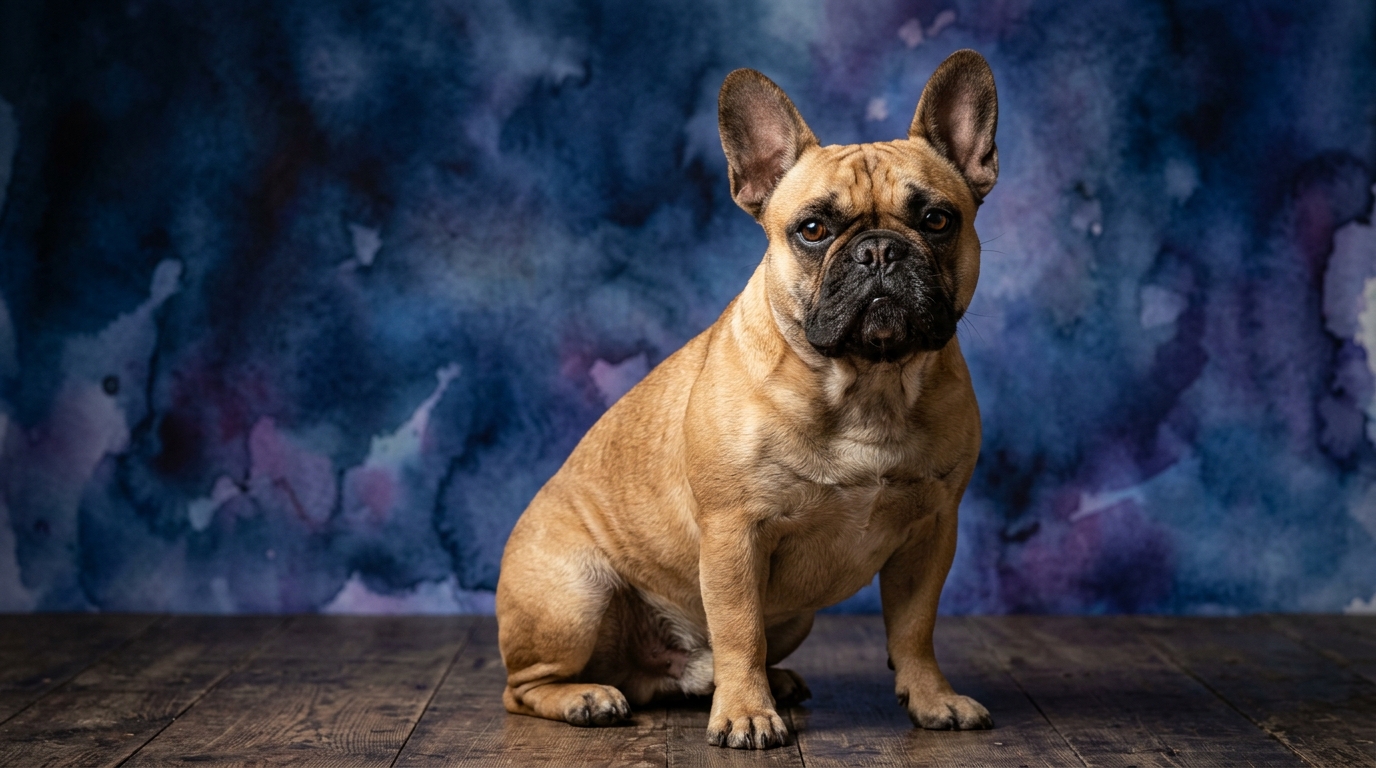
The Cosmic Pet Pet IQ Lab provides a unique lens through which to understand canine intelligence, breaking it down into five key dimensions. For the French Bulldog, a Non-Sporting breed not ranked by Coren, its profile highlights a strong social aptitude. Its Problem Solving is rated 3/5, indicating a moderate ability to navigate new challenges, often preferring to involve its human. Training Speed also sits at 3/5, suggesting a steady learning pace that benefits from patience and positive reinforcement. Where the French Bulldog truly excels is in Social Intelligence, scoring a perfect 5/5, showcasing an exceptional capacity for understanding human cues and forming deep connections. Its Instinctive Drive is lower at 2/5, meaning it has minimal natural impulses for hunting or herding. Finally, its Memory is 3/5, allowing it to recall routines and familiar faces reliably.
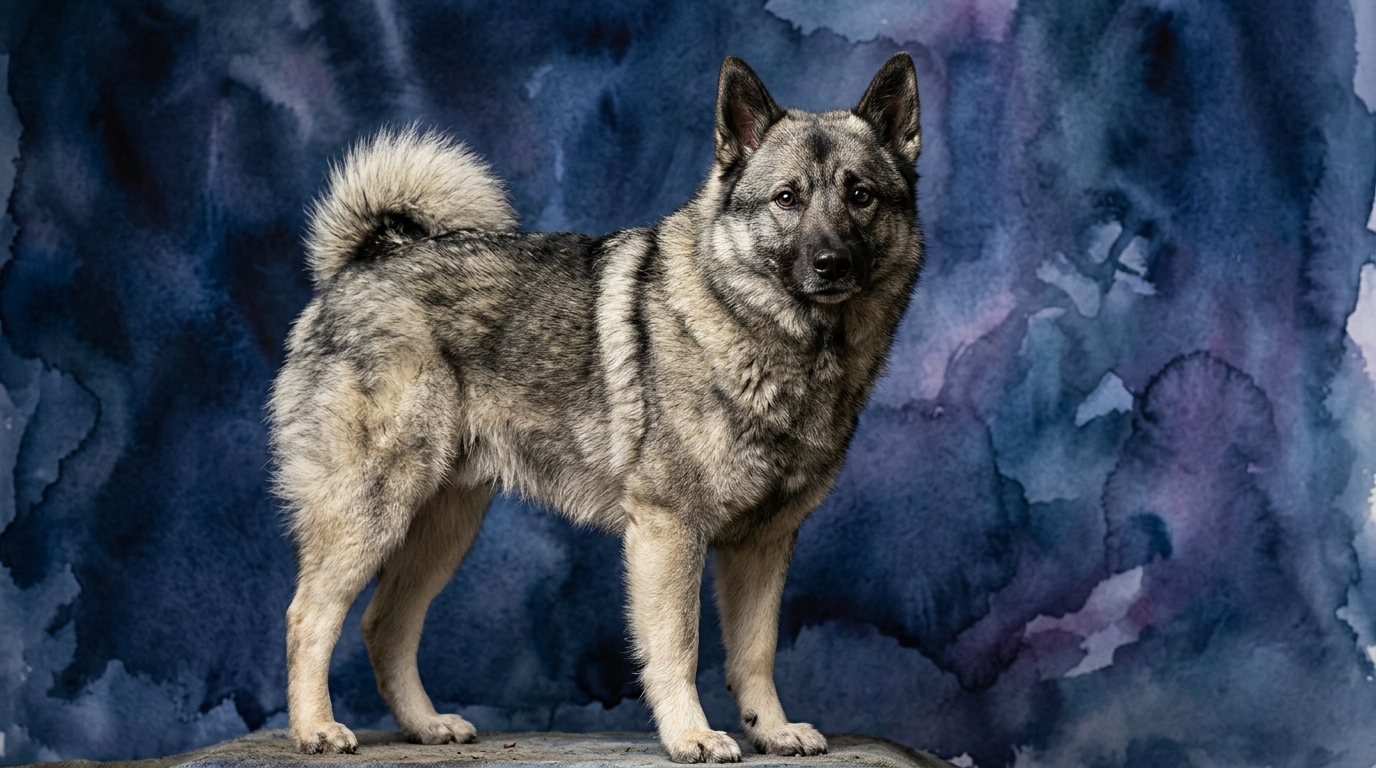
In contrast, the Norwegian Elkhound, a Hound breed ranked #36 by Coren, presents a profile shaped by its working heritage. Its Problem Solving ability is rated 4/5, reflecting a strong independent capacity to figure out solutions in complex situations. Training Speed is also 4/5, indicating it can pick up commands and tasks relatively quickly, though its independence means it thrives on engaging, purposeful training. The Elkhound's Social Intelligence is 3/5; while affectionate with its family, it possesses a more reserved and self-sufficient social demeanor than the French Bulldog. Its Instinctive Drive is 3/5, a moderate rating that speaks to its natural tracking and exploratory instincts. Lastly, its Memory is a robust 4/5, enabling it to retain complex information like scent trails and routes over time.
Where the French Bulldog Wins Cognitively
The French Bulldog's preeminent cognitive strength lies in its profound social intelligence, scoring a perfect 5/5. This isn't merely about being affectionate; it's a sophisticated ability to read and react to the subtle nuances of human emotion and behavior. A Frenchie can often anticipate an owner's mood, offering comfort or initiating play at just the right moment, demonstrating a deep understanding of social dynamics within the home. Their connection to humans is not just physical but deeply empathetic, allowing them to integrate into family life with an almost intuitive grasp of social cues. This acute social awareness fosters an incredibly strong bond, making them exceptionally responsive to their human's presence and intentions, often performing actions that seem to stem from genuine emotional insight rather than just learned behavior. This social brilliance allows them to thrive in complex human environments, adapting their behavior to maintain harmony and connection.
Where the Norwegian Elkhound Wins Cognitively
The Norwegian Elkhound demonstrates superior cognitive prowess in problem-solving and memory, both rated 4/5. Their problem-solving acumen stems from their historical role as independent hunters, requiring them to strategize and adapt in challenging wilderness conditions. This means they are less likely to wait for human intervention and more inclined to devise their own solutions to obstacles, whether it's figuring out how to open a gate or navigate a complex scent trail. Their robust memory further supports this, enabling them to recall past successful strategies and environmental details with precision. An Elkhound can remember a specific scent from days ago or a route taken weeks prior, crucial for tracking and independent navigation. This combination of strategic thinking and enduring recall makes them formidable self-starters, capable of complex tasks without constant direct supervision.
Which Is Easier to Train and Why
When considering ease of training, the Norwegian Elkhound (Training Speed 4/5) generally presents a slightly smoother path than the French Bulldog (Training Speed 3/5), though both have their nuances. The Elkhound's higher training speed and problem-solving ability mean they grasp new concepts and commands relatively quickly. However, their independent nature and moderate instinctive drive (3/5) mean they require a trainer who understands how to channel their natural curiosity and focus. They are less driven by a desire to please and more by engagement and purpose; repetitive, unstimulating drills can lead to disinterest. Their training requires consistency and clear, confident guidance to maintain their engagement.
The French Bulldog, while possessing a lower training speed, excels in social intelligence (5/5), which can be a powerful lever in training. They are highly motivated by human interaction and praise, making positive reinforcement incredibly effective. Their challenge lies in a potential stubborn streak and lower instinctive drive, meaning trainers need to be patient, keep sessions short and fun, and vary their approach to prevent boredom. While the Elkhound might pick up a 'sit' command faster, the French Bulldog's desire for connection can make them more consistently compliant in a home setting once a behavior is learned and reinforced socially. Ultimately, the Elkhound learns faster but needs motivation aligned with its independent spirit, while the Frenchie learns at a moderate pace but is highly motivated by pleasing its beloved humans.
Which Suits Active Owners vs. Relaxed Owners
The choice between these two breeds heavily depends on an owner's lifestyle. The Norwegian Elkhound, with its moderate instinctive drive (3/5) and background as a working hound, is better suited for active owners. They thrive on regular physical exercise, such as long walks, hikes, or even scent work, which taps into their problem-solving skills and keen memory. An Elkhound without sufficient mental and physical stimulation can become bored and potentially destructive, channeling its cognitive energy into less desirable behaviors. Owners who enjoy outdoor activities and can provide consistent engagement will find the Elkhound a fulfilling companion, especially those who appreciate a dog with a strong sense of purpose and self-reliance.
Conversely, the French Bulldog, with its lower instinctive drive (2/5) and moderate energy requirements, aligns perfectly with more relaxed owners. While they still need daily walks and playtime, their primary cognitive and emotional needs revolve around companionship and social interaction. Their high social intelligence makes them content to be near their humans, whether lounging on the sofa or accompanying them on short errands. A Frenchie is generally less demanding in terms of strenuous physical activity and is perfectly happy with a comfortable home environment and plenty of human attention, making them ideal for apartment dwellers or individuals seeking a less physically intensive canine companion who thrives on close social bonds.
The Verdict
Choose the French Bulldog if you prioritize a deeply empathetic, socially attuned companion who thrives on close human connection and requires moderate physical activity, fitting seamlessly into a relaxed home environment.
Opt for the Norwegian Elkhound if you seek an independent, resourceful problem-solver with a strong memory and enjoy an active lifestyle, capable of engaging in more demanding physical and mental pursuits.
🧠 Find Your Pet's IQ Score
Our Pet IQ Lab assessment covers 25+ tests across 5 cognitive dimensions — personalized to your breed.
Take the Full IQ Test →Frequently Asked Questions
Does the French Bulldog's lower instinctive drive mean it's not trainable?
Not at all; it simply means their motivation differs. French Bulldogs respond exceptionally well to positive reinforcement and social praise, leveraging their high social intelligence to learn and comply, though patience is key due to their moderate training speed.
How does the Norwegian Elkhound's Coren rank of #36 impact its perceived intelligence?
Coren's ranking primarily measures 'working and obedience intelligence,' indicating the Elkhound's strong capacity for understanding and executing commands quickly. This aligns with its higher scores in training speed and problem-solving, reflecting its historical role as an independent but trainable working dog.
Can a French Bulldog participate in dog sports despite its lower physical drive?
Yes, French Bulldogs can excel in certain dog sports like obedience, rally, or even some forms of agility tailored to their build. Their high social intelligence and desire to please can make them eager participants, provided the activity is adapted to their physical limitations and kept fun.