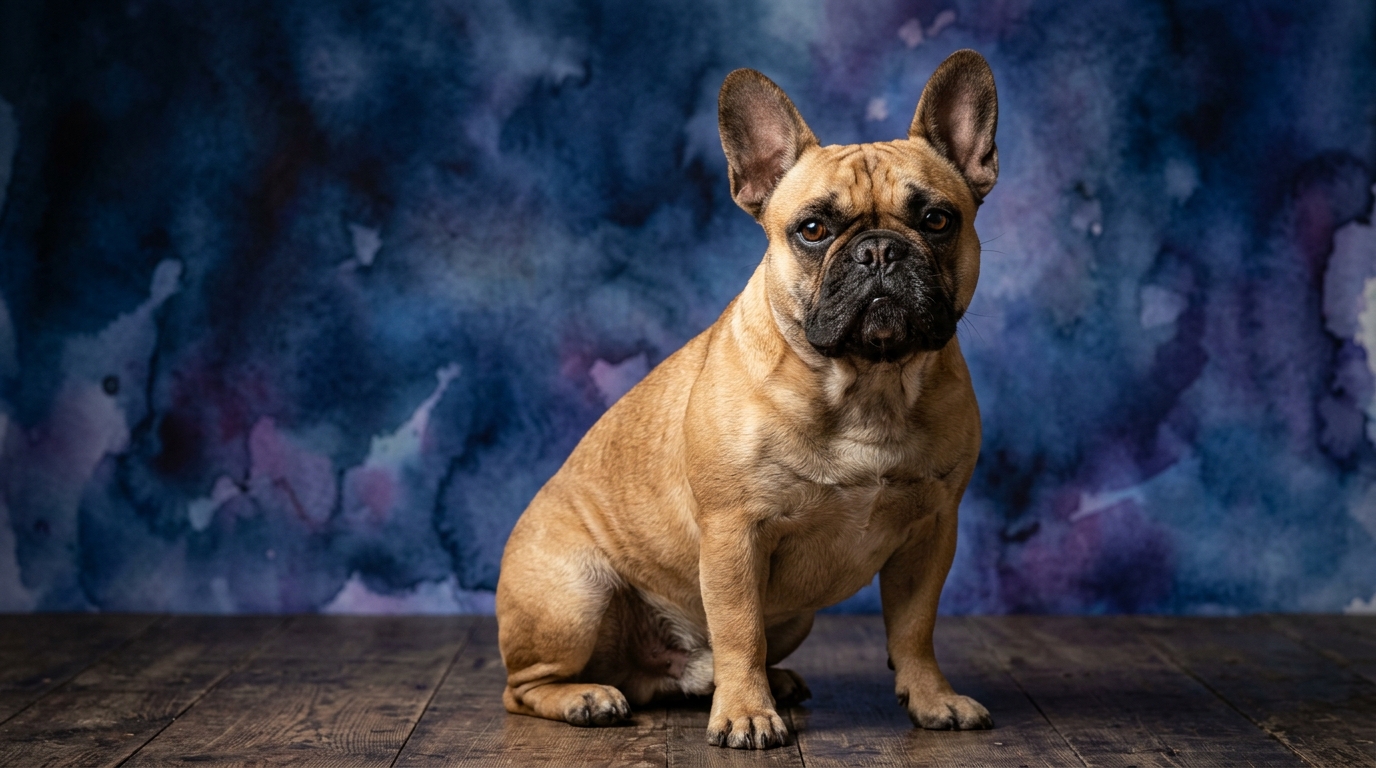
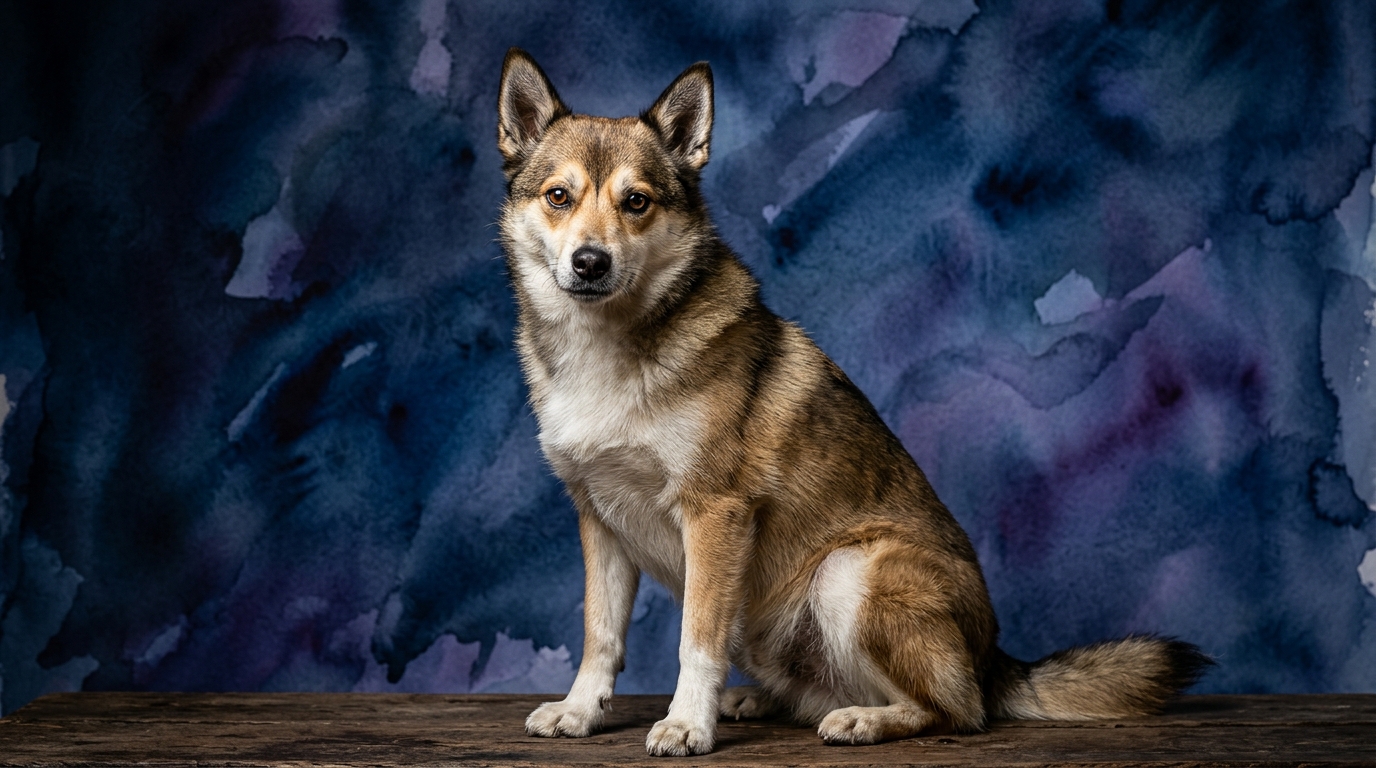
Side-by-Side Cognitive Profiles
The Cosmic Pet Pet IQ Lab employs a five-dimensional framework to evaluate canine intelligence, offering a granular view beyond generic labels. For the French Bulldog, we observe a Problem Solving score of 3/5, indicating a moderate capacity for independent thought when faced with novel challenges. They can typically navigate common household puzzles or figure out simple routes to a desired object, though complex, multi-step tasks might require more guidance. Their Training Speed also stands at 3/5, suggesting they absorb new commands and routines at an average pace, responsive to consistent, positive reinforcement. Where the French Bulldog truly distinguishes itself is in Social Intelligence, earning a remarkable 5/5. This signifies an exceptional ability to read human emotions, understand social cues, and integrate seamlessly into family dynamics, making them profoundly empathetic companions. Instinctive Drive is lower at 2/5, meaning their inherent urges for hunting, herding, or guarding are less pronounced, contributing to their generally laid-back demeanor. Finally, their Memory is rated 3/5, indicating a solid ability to recall learned behaviors and associate people or places with past experiences over a reasonable timeframe.
Turning our attention to the Norwegian Lundehund, their cognitive scores present a different, equally compelling picture. Like the French Bulldog, they share a Problem Solving score of 3/5, suggesting a similar moderate aptitude for independent thought and figuring out solutions to environmental challenges. They are not easily stumped by straightforward obstacles but might not consistently devise intricate strategies. Their Training Speed also aligns at 3/5, meaning they learn new commands at an average rate, benefiting from clear, patient instruction. However, the Lundehund's Social Intelligence is rated 3/5, indicating a respectable but more independent approach to human interaction compared to the French Bulldog. While they form strong bonds, they may not be as overtly attuned to every subtle human emotion or social cue. Their Instinctive Drive is notably higher at 3/5, reflecting their historical role as puffin hunters in challenging terrain. This score indicates a more pronounced natural inclination for exploration, independent activity, and perhaps a stronger prey drive than many companion breeds. Their Memory, like the French Bulldog, is rated 3/5, allowing them to retain learned information and recall past experiences with a moderate degree of reliability.
Where the French Bulldog Excels Cognitively
The French Bulldog’s standout cognitive strength lies unequivocally in their Social Intelligence, scoring a perfect 5/5. This isn't merely about being affectionate; it's a deep-seated capacity to interpret human intentions, moods, and social structures. A French Bulldog can often anticipate their owner's next move, understand subtle changes in tone of voice, or even offer comfort proactively when sensing distress. Their ability to integrate into the human family unit goes beyond simple companionship; they are active participants in social dynamics, often seeking to be at the center of attention and responding keenly to interaction. This heightened social awareness means they thrive on human connection, making them exceptionally responsive to social reinforcement during training and highly motivated by the desire to please or interact with their people. They are masters of reading the room, adapting their behavior to fit the social context, whether it's a quiet evening or a lively gathering. This cognitive trait makes them incredibly intuitive partners, capable of forming profound, emotionally rich bonds with their human families.
Where the Norwegian Lundehund Excels Cognitively
The Norwegian Lundehund's distinct cognitive advantage emerges in its Instinctive Drive, rated 3/5 compared to the French Bulldog's 2/5. This isn't just about energy; it's a reflection of their innate inclination towards purposeful activity and independent exploration, a legacy of their unique history as puffin hunters on treacherous cliffs. This higher drive suggests a dog with a greater intrinsic motivation for engaging with its environment, often manifesting as a keen interest in scent work, agility, or exploring new terrains. While the French Bulldog might be content with a short stroll and couch time, the Lundehund's cognitive makeup leans towards seeking out and engaging with tasks that tap into their natural instincts. This drive can translate into a persistent, focused approach to tasks they find intrinsically rewarding, sometimes appearing as stubbornness if a task doesn't align with their internal motivations. They are problem-solvers in their own right, often using their physical agility and keen senses to navigate complex environments, driven by an internal compass that's more pronounced than their French Bulldog counterpart.
Training Dynamics: Compliance vs. Independence
When considering trainability, both breeds share a 3/5 score for Training Speed, implying they learn at a moderate pace. However, their contrasting Social Intelligence and Instinctive Drive introduce significant differences in their training dynamics. The French Bulldog, with its 5/5 Social Intelligence, often appears easier to train because it is deeply motivated by human approval and interaction. They are excellent at understanding what their owner wants and are eager to comply to maintain that social connection. While they might not grasp a new command instantly, their willingness to engage and their sensitivity to cues make the training process feel collaborative and rewarding for both dog and owner. They respond particularly well to positive reinforcement methods that incorporate praise, play, and treats, as these reinforce their desire for social engagement. Their lower instinctive drive also means fewer distractions from inherent urges like chasing or digging, allowing them to focus more readily on the task at hand.
The Norwegian Lundehund, conversely, while also having a 3/5 Training Speed, approaches training with a different mindset due to its 3/5 Social Intelligence and 3/5 Instinctive Drive. They are capable learners, but their higher independence and instinctive urges mean they might require more compelling motivation and a trainer who understands their unique predispositions. They might not be as overtly motivated by social approval alone and could find repetitive drills less engaging if they don't see the inherent 'point' or reward in it. Their history suggests a dog that needed to think for itself while hunting, and this independence can sometimes be perceived as stubbornness in a modern training context. Training a Lundehund often benefits from incorporating activities that tap into their natural drives, such as scent work or agility, turning lessons into engaging puzzles rather than rote commands. Consistency, patience, and making training fun are paramount to overcoming their occasional independent streak and harnessing their moderate learning speed effectively.
Matching Breeds to Lifestyles: Active vs. Relaxed Owners
The cognitive profiles of these two breeds offer clear indicators for matching them with suitable owner lifestyles. The French Bulldog, with its lower Instinctive Drive (2/5) and unparalleled Social Intelligence (5/5), is an ideal companion for more relaxed owners or those living in urban environments. They thrive on companionship and are content with moderate exercise, such as daily walks and indoor play. Their deep desire to be involved in family life means they prefer being with their people over extensive independent exploration. An owner who enjoys a cozy evening, frequent cuddles, and consistent, gentle interaction will find the French Bulldog to be an incredibly fulfilling and intuitive partner. Their moderate problem-solving and memory skills are well-suited to navigating a predictable home environment, and their low drive means less inclination for destructive behaviors driven by boredom, provided their social needs are met.
In contrast, the Norwegian Lundehund, with its elevated Instinctive Drive (3/5) and slightly more independent Social Intelligence (3/5), is better suited for active owners who appreciate a dog with a strong internal compass and a desire for engagement. While not requiring extreme endurance, they benefit significantly from activities that stimulate their natural curiosity and physical agility, such as hiking, exploring new trails, or participating in dog sports like agility or earthdog trials. Their moderate problem-solving and memory, combined with their drive, mean they enjoy figuring things out and benefit from mental challenges. An owner who enjoys spending time outdoors, is prepared to engage in consistent and creative training, and understands a dog that might not always prioritize human direction over its own instincts will find a loyal and unique companion in the Lundehund. They are not content to be mere couch potatoes; their cognitive makeup demands an outlet for their innate urges.
The Verdict
Choose the French Bulldog if you seek an exceptionally socially attuned companion who thrives on close human interaction and requires moderate physical activity, fitting seamlessly into a relaxed home environment.
Opt for the Norwegian Lundehund if you appreciate a more independent, instinct-driven dog that enjoys exploring and engaging in purposeful activities, and you're prepared for consistent, stimulating training.
🧠 Find Your Pet's IQ Score
Our Pet IQ Lab assessment covers 25+ tests across 5 cognitive dimensions — personalized to your breed.
Take the Full IQ Test →Frequently Asked Questions
Are French Bulldogs good at understanding their owners' feelings?
Yes, French Bulldogs exhibit exceptional Social Intelligence (5/5), making them highly adept at reading human emotions and understanding social cues. They are often very empathetic and responsive to their owners' moods, making them intuitive companions.
Do Norwegian Lundehunds require a lot of mental stimulation?
Norwegian Lundehunds have a higher Instinctive Drive (3/5) and moderate Problem Solving (3/5), which means they do benefit from mental stimulation that taps into their natural urges. Activities like puzzle toys, scent work, or exploring new environments are highly engaging for them.
Which breed is more prone to independent thinking?
While both breeds have similar Problem Solving scores (3/5), the Norwegian Lundehund's higher Instinctive Drive and slightly lower Social Intelligence suggest a greater inclination towards independent thought and action compared to the French Bulldog's strong desire for social compliance.