Side-by-Side Cognitive Profiles
Delving into the Pet IQ Lab's assessment, we find both the French Bulldog and the Scottish Deerhound register a Problem Solving score of 3 out of 5. This indicates a moderate capacity for navigating novel challenges, understanding cause-and-effect, and devising solutions, suggesting neither breed is particularly predisposed to complex puzzle-solving nor entirely reliant on instinct for every situation. Their Training Speed also aligns, both earning a 3 out of 5, implying a similar pace at which they grasp new commands and routines when consistently instructed. They aren't lightning-fast learners, but they are certainly capable of acquiring a substantial repertoire of behaviors.
Where a significant divergence appears is in Social Intelligence. The French Bulldog achieves an impressive 5 out of 5, reflecting an exceptional ability to interpret human cues, understand social dynamics, and form deep emotional bonds. In contrast, the Scottish Deerhound scores a 3 out of 5, indicating a more moderate interest in human social subtleties, perhaps preferring a degree of independence. Instinctive Drive sees the French Bulldog at 2 out of 5, a relatively low score suggesting minimal inherent impulses for tasks like hunting or herding, aligning with their companion role. The Scottish Deerhound, however, registers a 3 out of 5 in this dimension, reflecting a stronger, though not overwhelming, sighthound drive rooted in their heritage for spotting and pursuing prey. Finally, both breeds share a Memory score of 3 out of 5, indicating a dependable ability to retain learned information and past experiences over time, neither exceptional nor forgetful.
Where the French Bulldog Shines Cognitively
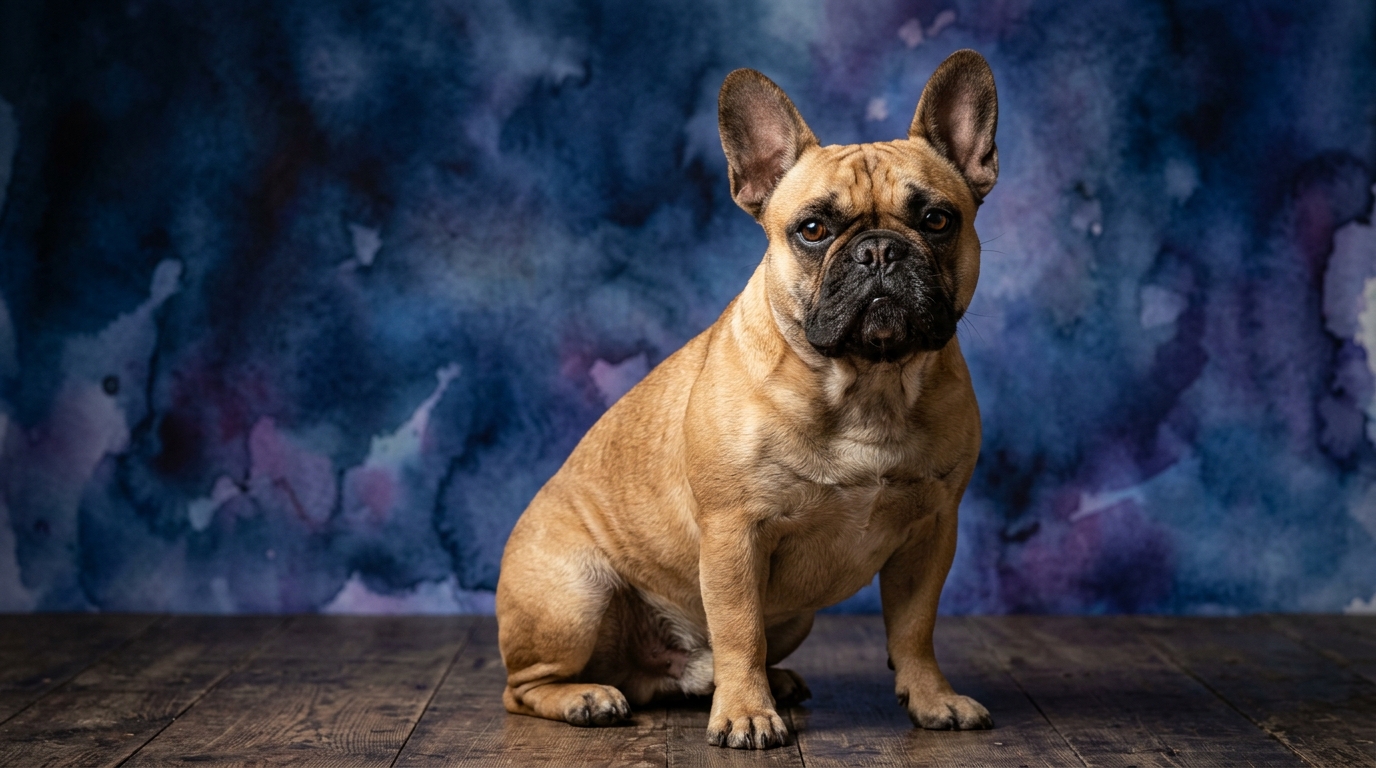
The French Bulldog's preeminent cognitive strength lies squarely in their Social Intelligence, scoring a perfect 5 out of 5. This isn't merely about being affectionate; it signifies a profound attunement to their human companions' moods, intentions, and communication. A French Bulldog often seems to anticipate their owner's next move, responding to subtle shifts in tone or body language with remarkable accuracy. This deep understanding allows them to integrate seamlessly into family life, acting as intuitive emotional anchors and highly responsive companions. They excel at reading social situations, making them particularly adept at navigating diverse human interactions and less prone to misunderstandings that can arise from a lack of social awareness.
Their lower Instinctive Drive (2/5) further enhances this social aptitude, as they are less distracted by environmental stimuli that might pull a more driven dog away from human interaction. This means a French Bulldog is more likely to prioritize connection with their person over, say, a fleeting scent or distant movement. Their cognitive focus remains largely centered on their immediate human environment, making them exceptionally present and engaged partners in daily life. This social brilliance is a defining characteristic, shaping their approach to learning and their overall disposition, often making them feel like they truly 'get' you.
Where the Scottish Deerhound Excels Cognitively
The Scottish Deerhound's cognitive strengths, while less outwardly demonstrative than the French Bulldog's social prowess, are rooted in their balanced capabilities across several dimensions. Their Problem Solving (3/5) and Training Speed (3/5) scores are on par with the French Bulldog, indicating a solid foundation for learning and adapting. This means that despite their more independent reputation, they possess an equivalent capacity to figure out new tasks or master commands, provided the approach is tailored to their nature. They are not intellectually sluggish, but rather process information at a steady, reliable pace.
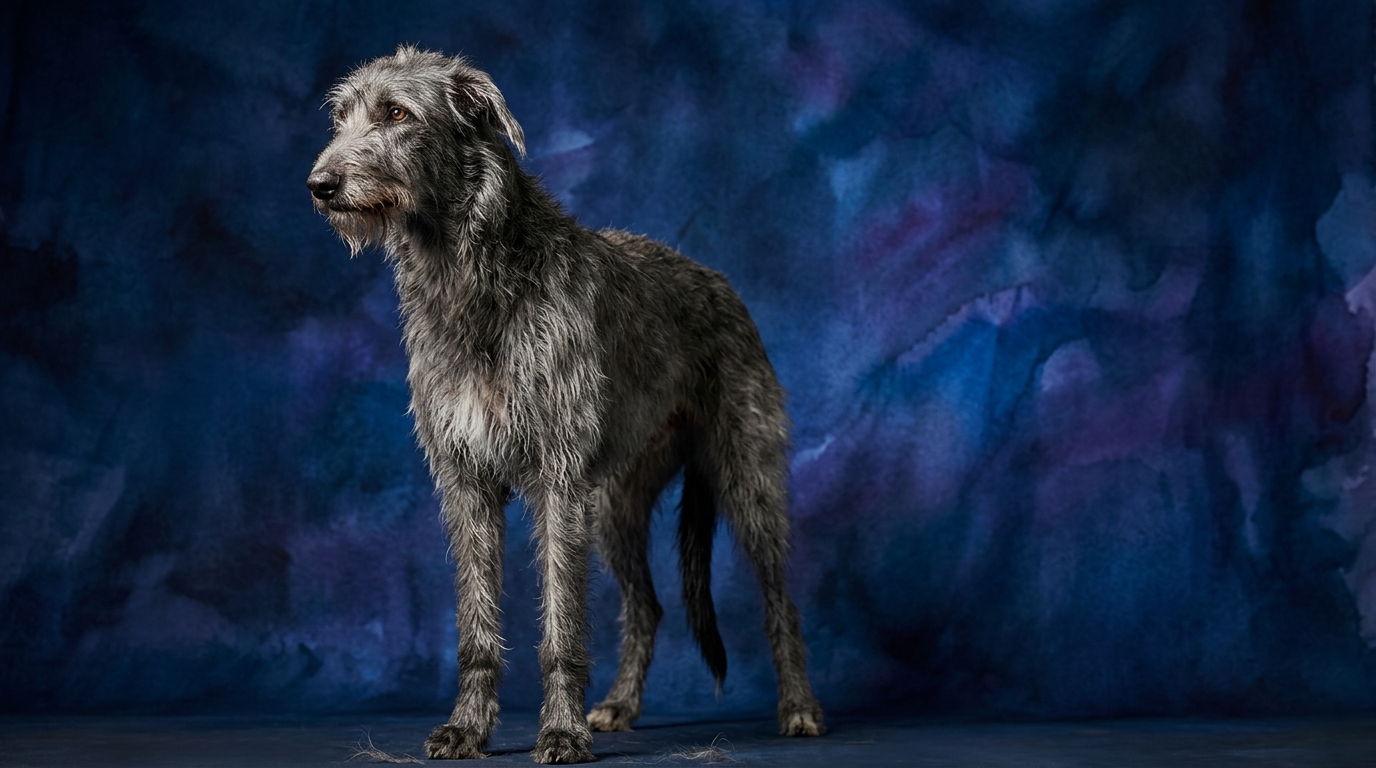
Their Instinctive Drive (3/5), while moderate, provides a distinct cognitive advantage in certain contexts. This drive is not merely about chasing; it encompasses an alert awareness of their surroundings, a keen visual acuity, and an underlying motivation to engage with the world beyond immediate human interaction. This means a Scottish Deerhound often possesses a quiet observational intelligence, capable of scanning horizons and processing environmental cues with a focus that a less instinctively driven breed might lack. Their memory (3/5) ensures they retain these observations and learned experiences, contributing to a consistent, if sometimes reserved, understanding of their environment and routines. This combination allows them to be thoughtfully independent, capable of making sensible decisions without constant human direction in familiar settings.
Training: Compliance vs. Independence
When it comes to training, the core differences in Social Intelligence and Instinctive Drive create distinct experiences for owners. The French Bulldog, with its 5/5 Social Intelligence, is often highly motivated by human approval and connection. They frequently view training as an extension of their bond with their owner, eager to please and quick to respond to positive reinforcement that emphasizes praise and shared activity. While their Training Speed is 3/5, their strong desire to interact positively with humans often translates into a perceived ease of training for basic obedience and house manners, as they are inherently inclined to cooperate and maintain close proximity.
The Scottish Deerhound, despite also scoring 3/5 in Training Speed, presents a different training dynamic due to its more moderate Social Intelligence (3/5) and higher Instinctive Drive (3/5). While capable of learning at the same pace, their motivation may stem less from an intense desire to please and more from a thoughtful consideration of the reward or the logic of the command. Their sighthound instincts mean they can be more easily distracted by visual stimuli, requiring a trainer to work harder to maintain focus in stimulating environments. Successful training often involves patience, clear communication, and finding intrinsic motivators that appeal to their independent spirit, rather than relying solely on their desire for constant human validation. They are trainable, but their training journey might feel less like a collaborative dance and more like a respectful negotiation.
Which Suits Active vs. Relaxed Owners
For the relaxed owner, the French Bulldog is an exceptional match. Their lower Instinctive Drive (2/5) means they generally have modest exercise requirements, content with short walks and indoor play. Their supreme Social Intelligence (5/5) makes them ideal companions for those who enjoy constant interaction, cuddles on the couch, and a dog deeply attuned to their emotional state. They thrive in environments where they are central to family life and can participate in relaxed social gatherings without the urge to explore independently or pursue distant stimuli. Their compact size also makes them highly adaptable to apartment living or smaller homes, further suiting a less active lifestyle.
The Scottish Deerhound, while not requiring the relentless activity of some working breeds, is better suited for owners who appreciate and can accommodate a dog with a moderate Instinctive Drive (3/5) and a need for space. While they enjoy lounging, they also benefit from regular opportunities to stretch their long legs in a secure area, allowing them to express their sighthound nature through a good run. Their more moderate Social Intelligence suggests they appreciate companionship but are also comfortable with periods of independence, making them suitable for owners who enjoy a dog with a quiet presence rather than constant demand for attention. They need owners who can provide a balance of calm companionship and structured outdoor activity, ideally with access to a securely fenced yard or safe off-leash areas for their characteristic bursts of speed.
The Verdict
Choose the French Bulldog if you prioritize an exceptionally socially intelligent, low-instinct companion who thrives on deep human connection and a relaxed indoor lifestyle.
Opt for the Scottish Deerhound if you appreciate a thoughtful, moderately independent dog with a balanced cognitive profile, offering both companionship and a graceful, athletic presence that benefits from space and regular exercise.
🧠 Find Your Pet's IQ Score
Our Pet IQ Lab assessment covers 25+ tests across 5 cognitive dimensions — personalized to your breed.
Take the Full IQ Test →Frequently Asked Questions
Are French Bulldogs and Scottish Deerhounds equally good at learning tricks?
Both breeds score 3/5 in Training Speed and Problem Solving, suggesting they have a similar capacity to learn tricks. The French Bulldog's high social intelligence might make them more eager to engage in trick training for human approval, while the Deerhound might respond better to training methods that are clear, consistent, and offer appealing rewards.
Which breed is more prone to chasing small animals?
The Scottish Deerhound, with an Instinctive Drive of 3/5, is more likely to exhibit a chase instinct compared to the French Bulldog, which scores 2/5. This sighthound heritage means a Deerhound might be more visually stimulated by movement and require careful management in areas with small prey.
Does the French Bulldog's high social intelligence make them clingy?
The French Bulldog's 5/5 Social Intelligence means they deeply value connection and interaction with their human family. While this translates to being highly affectionate and desiring closeness, it's more about being attuned and engaged than necessarily 'clingy,' as they thrive on being an integral part of their household's activities.