A Side-by-Side Look at Cognitive Profiles
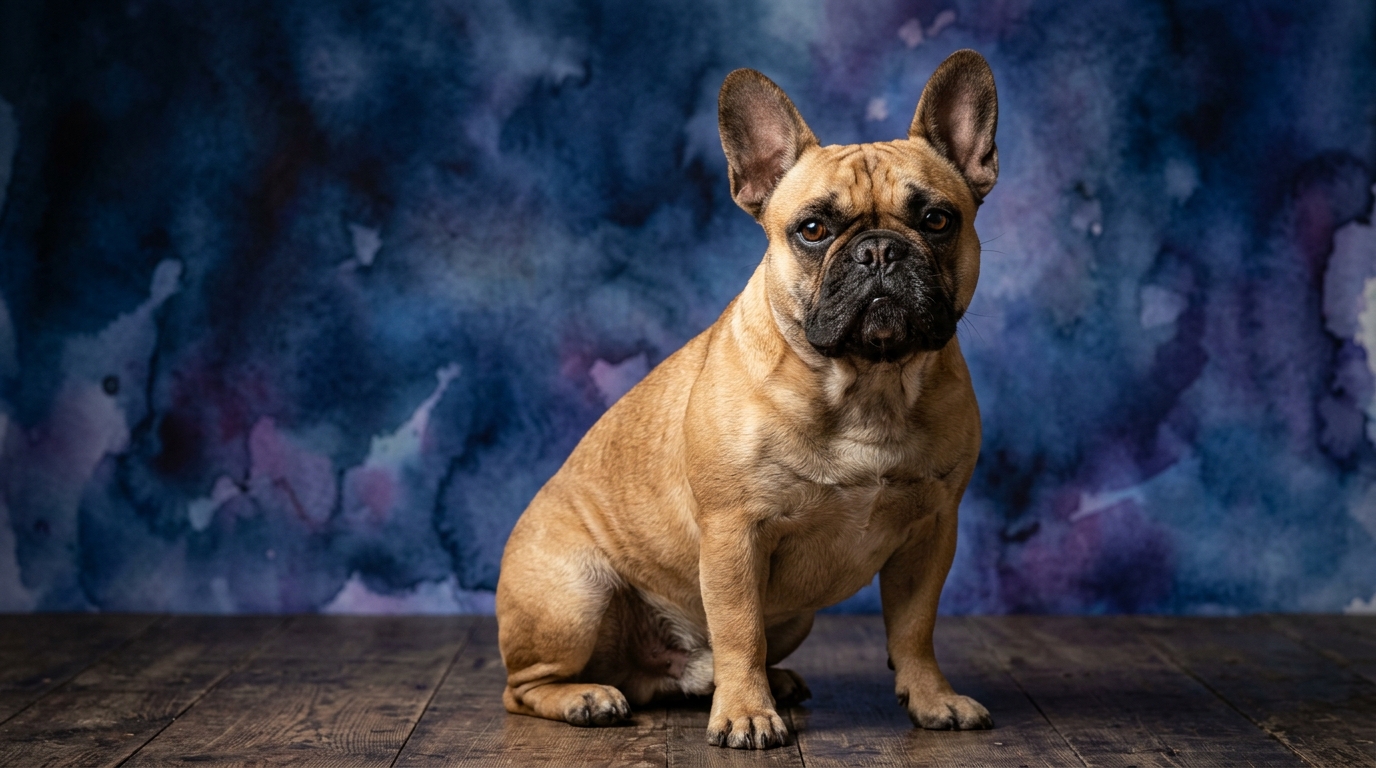
The Cosmic Pet Pet IQ Lab employs five dimensions to assess canine intelligence, offering a detailed snapshot of each breed's mental toolkit. For the French Bulldog, a Non-Sporting dog, their profile shows Problem Solving 3/5, Training Speed 3/5, Social Intelligence 5/5, Instinctive Drive 2/5, and Memory 3/5. This paints a picture of a companion animal highly attuned to human interaction.
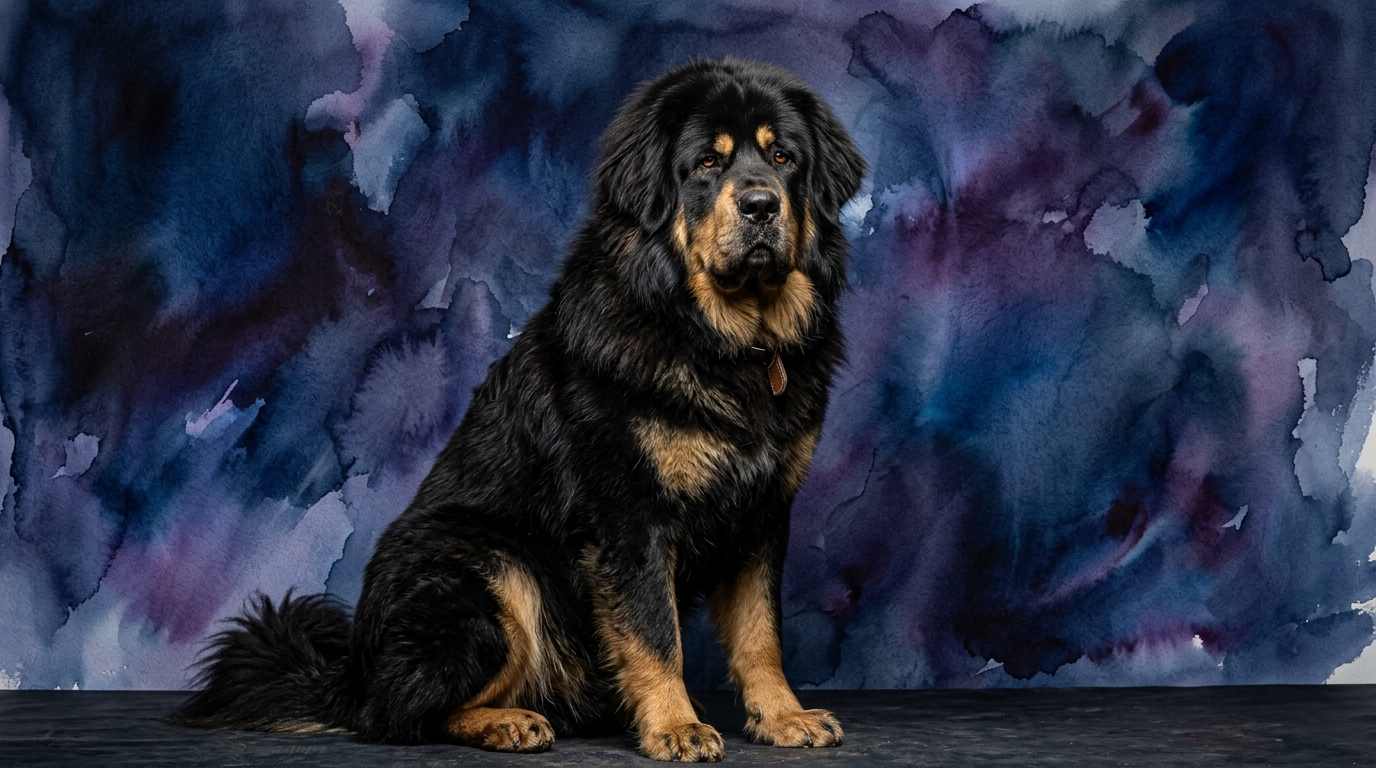
In contrast, the Working group's Tibetan Mastiff presents with Problem Solving 3/5, Training Speed 3/5, Social Intelligence 3/5, Instinctive Drive 3/5, and Memory 3/5. While sharing some numerical scores with the French Bulldog, the underlying manifestation of these cognitive traits varies significantly due to their distinct evolutionary paths and breed purposes.
Delving into the French Bulldog's specific scores, their Problem Solving at 3/5 indicates an ability to navigate familiar environments and solve straightforward puzzles, but they might not be inclined towards complex, abstract challenges. Their Training Speed of 3/5 suggests they learn at a moderate pace, responding well to consistent, positive reinforcement, particularly when motivated by attention or food. The standout 5/5 in Social Intelligence highlights their exceptional capacity to read human emotions and cues, thriving on companionship and interaction. A low Instinctive Drive of 2/5 means they possess minimal inherent motivation for traditional working tasks like guarding or hunting, preferring comfort and closeness. Their Memory at 3/5 allows them to retain routines and recall familiar people and places effectively.
For the Tibetan Mastiff, a Problem Solving score of 3/5 reflects a practical, self-directed approach, often applied to assessing their environment for security or navigating their territory, rather than engaging in intricate puzzle games. Their Training Speed, also 3/5, is influenced by their independent nature; they learn but might choose to comply based on their own assessment, requiring patience and a strong, consistent handler. A Social Intelligence of 3/5 signifies deep loyalty to their immediate family but a reserved, discerning demeanor towards strangers, driven by protective instincts rather than a universal desire to engage. Their Instinctive Drive of 3/5 is distinctly tied to their ancient role as guardians, manifesting as vigilance and territorial behavior. Finally, their Memory at 3/5 ensures they recall important people, places, and training cues, though consistent reinforcement is vital given their self-reliant character.
Where the French Bulldog Shines Cognitively
The French Bulldog's most pronounced cognitive strength lies in their exceptional Social Intelligence, scoring a perfect 5/5. This isn't merely about being friendly; it's a deep-seated ability to interpret human body language, tone, and emotional states with remarkable accuracy. They often seem to anticipate their owner's needs or moods, offering comfort or seeking engagement at opportune moments. This high social acumen makes them incredibly adaptable to family life, eager to participate in daily routines, and generally easygoing in various domestic settings.
Their strong social drive also contributes to their problem-solving in a unique way: they excel at problems that involve human interaction or require them to "work with" their people. For instance, a Frenchie might quickly learn which facial expressions signal playtime or which vocalizations lead to a treat, effectively solving the 'how do I get what I want from my human?' puzzle. This social dexterity makes them intuitive companions, creating a strong, almost telepathic bond with their owners.
Where the Tibetan Mastiff Demonstrates Cognitive Prowess
The Tibetan Mastiff's cognitive strengths are rooted in their ancestral role as guardians. Their Problem Solving, while rated 3/5, manifests differently than the French Bulldog's; it's often applied to their environment, assessing situations for potential threats or managing their territory. They are adept at strategic thinking related to security, understanding patrol routes, or identifying vulnerabilities in their surroundings. This isn't about solving a complex toy puzzle, but rather a practical, independent application of their mental faculties to protect their domain.
Their Instinctive Drive, rated 3/5, is a significant cognitive asset. This drive is not simply a raw urge but an intelligent, often calculating, predisposition towards vigilance and protection. A Tibetan Mastiff's memory and problem-solving are frequently employed in service of this drive, remembering perceived threats, recognizing patterns in their environment, and independently deciding on appropriate responses to maintain security. This self-reliance and inherent sense of duty define their unique cognitive framework, making them formidable and astute protectors.
Ease of Training: Behavioral Differences in Action
When considering ease of training, the French Bulldog generally presents a more straightforward experience due to their high Social Intelligence and moderate Training Speed. Their desire to please and their strong bond with humans mean they are often eager to engage in training sessions, motivated by praise, attention, and treats. They learn commands at a reasonable pace, and their focus on their handler makes them receptive to cues. Behavioral differences like their relatively low instinctive drive also mean fewer innate urges to override during training, leading to fewer distractions from tasks like guarding or patrolling.
The Tibetan Mastiff, with its equal 3/5 Training Speed but lower Social Intelligence and higher Instinctive Drive, requires a different approach. Their independent nature and protective instincts mean they may not always perceive a command as a request to be immediately obeyed, but rather as information to be weighed against their own assessment of the situation. Training requires immense patience, consistency, and a deep understanding of their guardian mentality. While they remember commands, their compliance is often contingent on their trust in the handler and their own judgment, making them less inclined towards rote obedience and more towards reasoned cooperation. This behavioral difference means that while a Frenchie might quickly learn 'sit' for a treat, a Tibetan Mastiff might learn 'sit' but then decide whether sitting is the most effective action in a given context.
Active vs. Relaxed Owners: Matching Cognitive Needs
The French Bulldog's cognitive profile aligns wonderfully with relaxed owners who seek a highly interactive and emotionally responsive companion. Their high Social Intelligence means they thrive in environments where they receive consistent human attention and are included in family activities. They don't demand extensive physical exercise or complex mental challenges, making them perfect for apartment living or less active households. Owners who enjoy frequent cuddles, gentle play, and a dog that is easily integrated into social settings will find the French Bulldog's cognitive makeup to be a perfect fit, as their intelligence is geared towards understanding and bonding with their people.
Conversely, the Tibetan Mastiff's independent nature, moderate social intelligence, and distinct instinctive drive necessitate an owner who is more active in a specific sense: an owner who can provide ample space, consistent leadership, and understands their need for purpose. These dogs are not for the faint of heart or those seeking a purely passive companion. Their cognitive strengths are best utilized by experienced owners who can manage their protective instincts, engage them in appropriate 'work' (even if it's just patrolling a large yard), and appreciate a dog that thinks for itself. They suit owners who are prepared for a dog that observes, assesses, and acts on its own judgment, rather than constantly seeking human direction or validation.
The Verdict
Choose the French Bulldog if you prioritize a highly socially intelligent, adaptable companion who thrives on close human interaction and fits seamlessly into a relaxed, family-oriented lifestyle. Their cognitive strengths make them intuitive and affectionate partners.
Opt for the Tibetan Mastiff if you are an experienced, patient owner with ample space, prepared to manage a dog with strong independent thought and protective instincts. Their intelligence is best appreciated by those who understand and respect a working dog's self-reliant nature and need for purpose.
🧠 Find Your Pet's IQ Score
Our Pet IQ Lab assessment covers 25+ tests across 5 cognitive dimensions — personalized to your breed.
Take the Full IQ Test →Frequently Asked Questions
Are French Bulldogs good at learning tricks?
Yes, French Bulldogs are moderately good at learning tricks, scoring 3/5 in Training Speed. Their high social intelligence makes them eager to please their owners, especially with positive reinforcement and treats, which facilitates trick training. They enjoy the interaction and attention that comes with learning new behaviors.
How does the Tibetan Mastiff's independence affect its 'smartness'?
The Tibetan Mastiff's independence means their intelligence is often self-directed rather than people-pleasing. They apply their problem-solving and memory skills to tasks like guarding and assessing their environment, making decisions based on their own judgment. This autonomy is a hallmark of their cognitive style, though it can make them seem less 'trainable' in a traditional obedience sense.
Which breed is better for first-time dog owners?
The French Bulldog is generally a better choice for first-time dog owners due to their higher social intelligence, adaptable nature, and lower instinctive drive, making them easier to manage and train. The Tibetan Mastiff's strong protective instincts and independence require a more experienced handler who understands working breeds.