A Side-by-Side Look at Their IQ Profiles
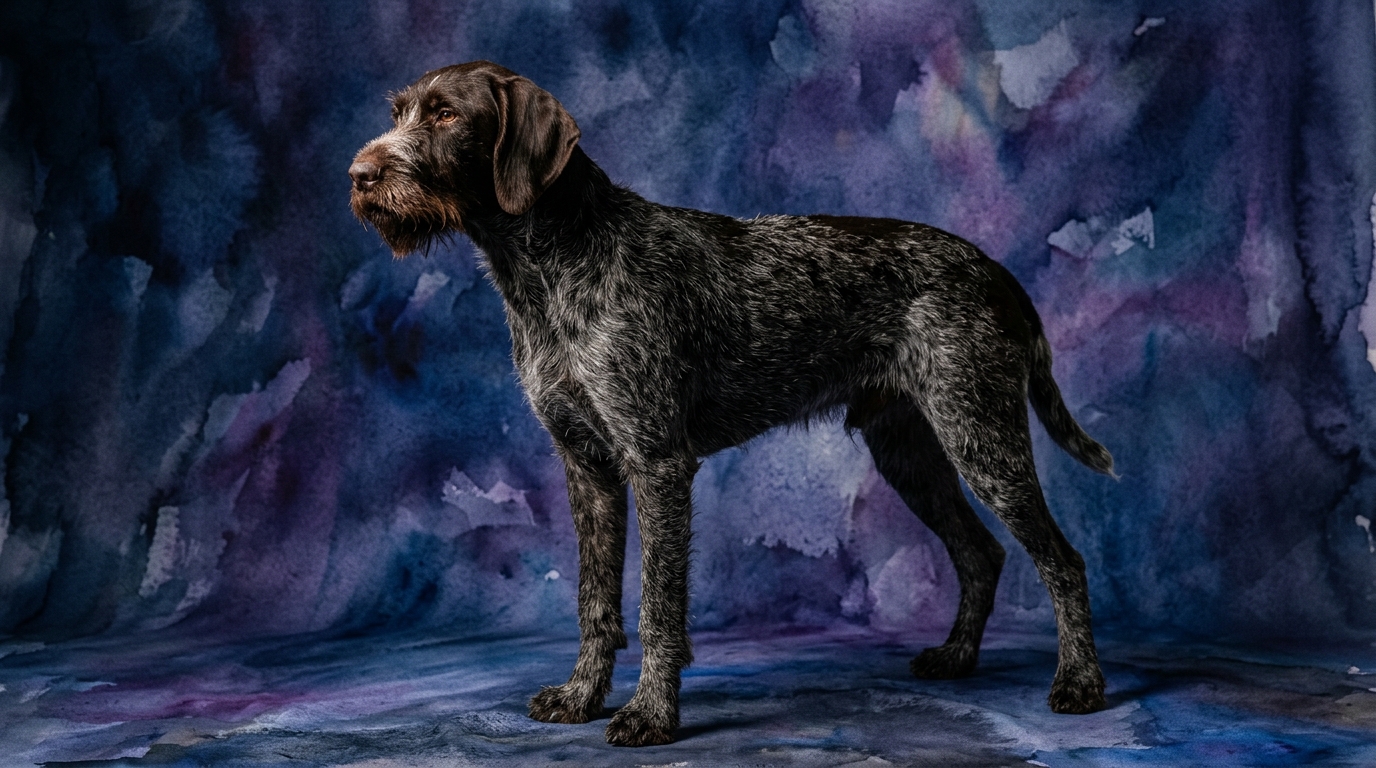
The Cosmic Pet Pet IQ Lab employs a multi-faceted approach to evaluate canine intelligence, moving beyond simple obedience to encompass various cognitive dimensions. For the German Wirehaired Pointer, a Sporting group member with a Coren rank of #28, we observe a strong cognitive profile across the board.
Their Problem Solving ability scores a robust 4 out of 5, indicating a dog capable of navigating complex situations and figuring out solutions independently, often crucial for their hunting tasks. Training Speed also registers an impressive 4 out of 5, suggesting they grasp new commands and routines with relative ease and efficiency.
Social Intelligence for the German Wirehaired Pointer is rated at 3 out of 5, reflecting a capacity to understand and respond to human cues and social dynamics, though perhaps not with the nuanced sensitivity of some companion breeds. Instinctive Drive, at 3 out of 5, underscores their inherent impulses for pointing, retrieving, and tracking, which are fundamental to their breed purpose. Finally, their Memory is strong at 4 out of 5, enabling them to retain learned behaviors, routes, and experiences over time.
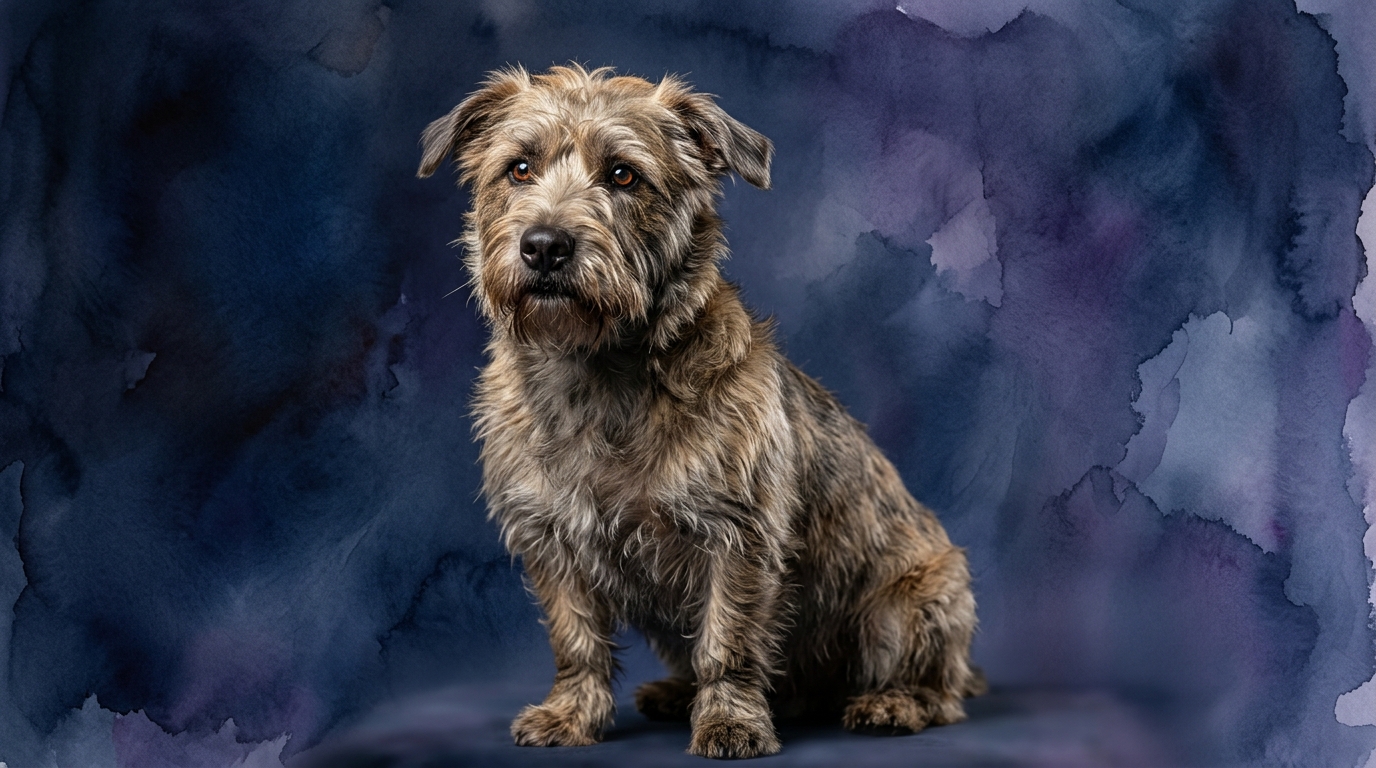
In contrast, the Glen of Imaal Terrier, a Terrier group member not ranked by Coren, presents a different cognitive blueprint. Their Problem Solving capability is rated 3 out of 5, indicating a moderate ability to tackle challenges, often with a characteristic terrier independence. Their Training Speed also stands at 3 out of 5, meaning they learn new tasks at a steady pace, but may require more consistent repetition than their Pointer counterpart.
The Glen of Imaal Terrier's Social Intelligence matches the Pointer at 3 out of 5, showing a similar capacity for understanding human interaction, albeit filtered through their often self-reliant nature. Their Instinctive Drive, also 3 out of 5, is distinctively terrier-like, geared towards digging, hunting vermin, and demonstrating formidable tenacity. Their Memory score is 3 out of 5, suggesting they retain information adequately, though perhaps with less precision or duration compared to breeds bred for complex, multi-stage tasks.
Where the German Wirehaired Pointer Shines Cognitively
The German Wirehaired Pointer distinctly leads in several cognitive areas, directly reflecting its heritage as a versatile hunting companion. Its superior Problem Solving score of 4/5 means this breed excels at tasks requiring deductive reasoning and adaptability, such as figuring out how to retrieve a challenging bird or navigating complex terrain to track scent. This isn't just about following commands; it's about making intelligent decisions in dynamic environments.
Their higher Training Speed (4/5) signifies a quicker uptake of new information and a greater eagerness to cooperate in structured learning scenarios. This cognitive advantage translates into fewer repetitions needed to solidify commands and a smoother progression through advanced training protocols, making them particularly responsive to consistent guidance. Furthermore, the Pointer's Memory score of 4/5 ensures that once a lesson is learned or an experience recorded, it sticks. This robust recall supports their ability to perform multi-stage tasks, remember complex hunting patterns, or adhere to intricate routines, making them highly reliable partners in activities demanding sequential actions and long-term retention.
Where the Glen of Imaal Terrier Holds Its Own Cognitively
While the Glen of Imaal Terrier's scores might appear numerically lower in some areas, their cognitive strengths lie in a different, equally valuable domain: independent thought and unwavering persistence, characteristic of their terrier lineage. Their Problem Solving at 3/5, combined with their instinctive drive, means they approach challenges with a unique tenacity, often devising solutions through sheer will and focused effort, particularly when it involves their quarry. They might not solve a puzzle box as quickly as a Pointer, but they'll keep trying with a singular determination that can be just as effective.
The Glen's Instinctive Drive (3/5) is a specific cognitive advantage for tasks requiring relentless focus on a target, such as scent work or vermin control, where their inherent drive overrides distractions. This isn't about broad versatility but deep, specialized persistence. Their Social Intelligence (3/5), on par with the Pointer, suggests they are capable of forming strong bonds and understanding their human companions, but often with a confident, self-assured demeanor that commands respect rather than immediate deference. This robust independence is a cognitive strength for owners who appreciate a dog with its own strong opinions and a unique approach to the world.
Which Is Easier to Train and Why?
When considering ease of training, the German Wirehaired Pointer generally holds an advantage due to its higher scores in both Training Speed (4/5) and Problem Solving (4/5). These cognitive attributes mean the Pointer is quicker to grasp new commands and concepts, requiring fewer repetitions to achieve proficiency. Their strong memory further reinforces learned behaviors, making them reliable in retaining complex sequences and responding consistently over time. Their instinctive drive, while potent, is often channeled towards cooperation in hunting and retrieving, making them highly amenable to task-oriented instruction.
The Glen of Imaal Terrier, with scores of 3/5 in Training Speed and Problem Solving, will typically require a more patient and persistent approach. Their terrier independence means they might question commands or seek to solve problems on their own terms, rather than immediately complying. Training a Glen often involves leveraging positive reinforcement and making the learning process engaging to appeal to their self-reliant nature, rather than relying on rote memorization. While they are certainly trainable, their inherent tenacity and selective hearing, born from centuries of independent work, mean that owners must be prepared for a more nuanced and sometimes challenging training journey, focusing on consistency and building a strong partnership.
Which Suits Active Owners vs. Relaxed Owners?
The German Wirehaired Pointer is unequivocally suited for active owners. Their robust instinctive drive (3/5), coupled with high problem-solving and memory capabilities, means they thrive on purpose-driven activity. These are dogs that excel in field sports, hiking, running, and complex obedience or agility challenges. Their mental and physical needs are substantial; without adequate outlets, their intelligence and energy can manifest as boredom-driven behaviors. An owner who enjoys spending significant time outdoors, engaging in structured activities, or even participating in dog sports will find the GWP an enthusiastic and capable partner.
The Glen of Imaal Terrier, while not a couch potato, is generally a better fit for owners seeking a moderately active companion. Their instinctive drive (3/5) is focused more on bursts of terrier-specific activity like digging, chasing small prey, or engaging in spirited play, rather than sustained, long-distance exertion. They appreciate a good walk, puzzle toys, and interactive games that stimulate their problem-solving skills (3/5) and tenacious spirit. While they need regular exercise to prevent boredom and maintain health, their requirements are often less demanding than a Pointer's, making them suitable for owners who enjoy daily walks and backyard play without needing to commit to extensive, high-impact activities.
The Verdict
Choose the German Wirehaired Pointer if you are an active individual or family seeking a highly trainable, versatile, and intelligent partner for outdoor adventures, field sports, or demanding dog activities. Their quick learning and strong memory make them a rewarding choice for those committed to consistent, engaging training.
Opt for the Glen of Imaal Terrier if you appreciate an independent, tenacious, and charming companion with a clever mind and a moderate activity requirement. They are ideal for owners who enjoy a dog with character, are prepared for patient, consistent training, and value a loyal, sturdy presence in their home.
🧠 Find Your Pet's IQ Score
Our Pet IQ Lab assessment covers 25+ tests across 5 cognitive dimensions — personalized to your breed.
Take the Full IQ Test →Frequently Asked Questions
Are German Wirehaired Pointers good family dogs?
Yes, with proper socialization and training, German Wirehaired Pointers can be devoted family members. Their social intelligence allows them to bond well, but their energy and need for mental stimulation mean they thrive in active households that can meet their exercise requirements.
Do Glen of Imaal Terriers bark a lot?
Glen of Imaal Terriers are not typically excessive barkers, but like many terriers, they will alert their owners to perceived threats or novelties. Their instinctive drive can lead to barking at wildlife or unfamiliar sounds, but consistent training can help manage this tendency.
Which breed is better for first-time dog owners?
The German Wirehaired Pointer, with its higher training speed and cooperative nature, might be a more manageable choice for a dedicated first-time owner willing to commit to significant exercise and training. The Glen of Imaal Terrier's independent streak can be more challenging for a novice, requiring a firm yet patient hand.