Side-by-Side IQ Profile: GWP vs. Otterhound
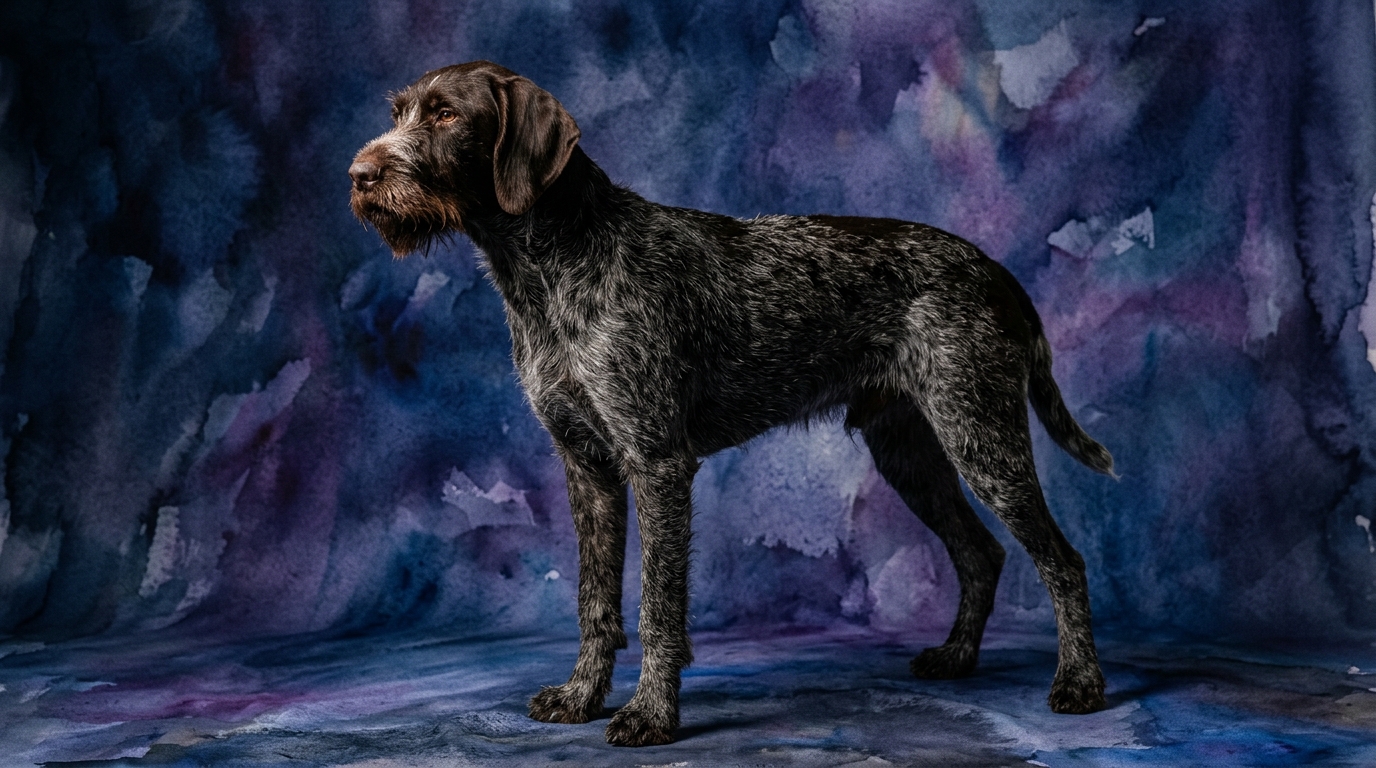
The German Wirehaired Pointer (GWP), a Sporting group member, shows a robust cognitive makeup, reflected in its Coren ranking of #28. Its Problem Solving score of 4/5 indicates a dog adept at navigating complex scenarios, typical for retrieving game across varied terrains. A Training Speed of 4/5 suggests a breed that grasps new commands and concepts with considerable alacrity, keen to collaborate. Social Intelligence stands at 3/5, demonstrating a balanced ability to interact and respond to human cues without being overly dependent or aloof. Its Instinctive Drive, also 3/5, speaks to a well-calibrated hunting instinct that can be directed. Finally, a Memory score of 4/5 allows the GWP to retain intricate patterns and learned behaviors efficiently, crucial for consistent performance in the field.
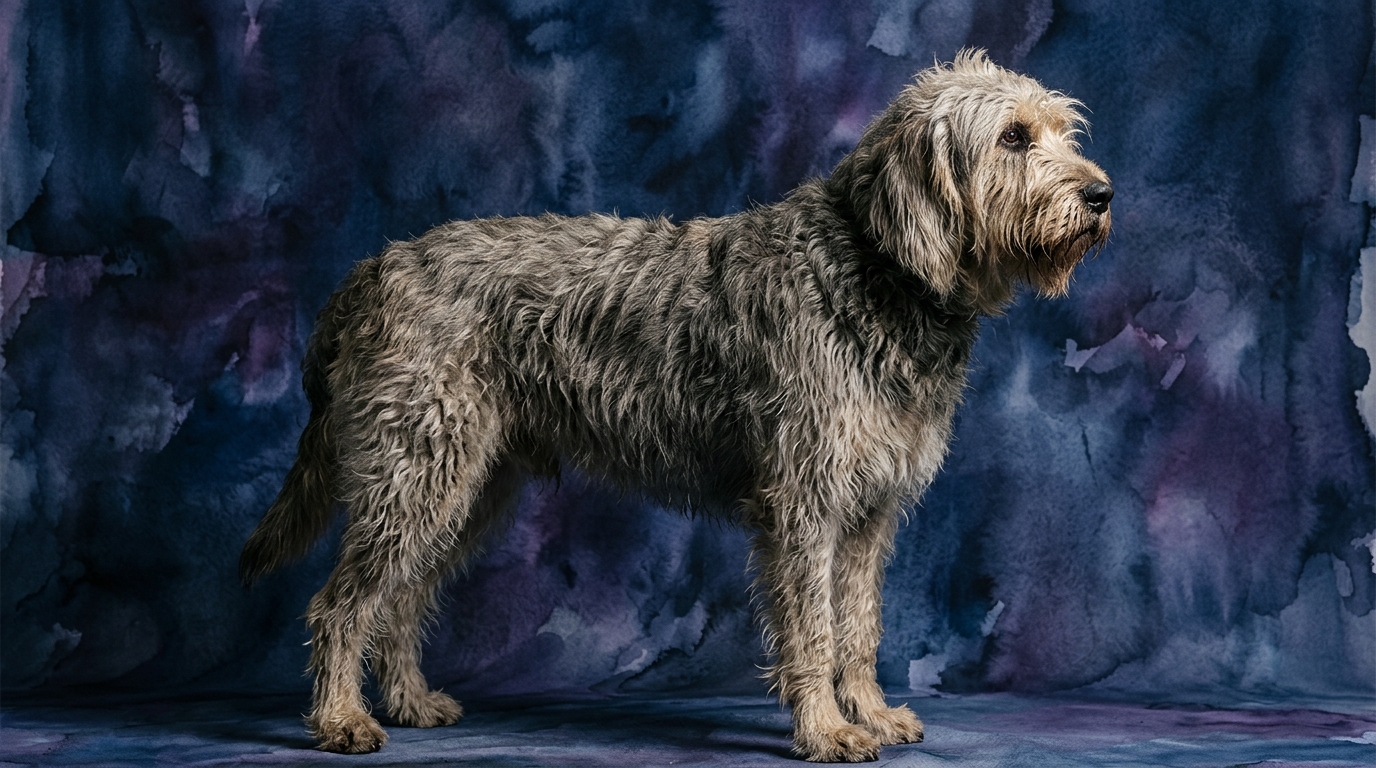
The Otterhound, a member of the Hound group, presents a different cognitive blueprint, reflecting its specialized role in tracking otter. While not Coren-ranked, The Cosmic Pet's IQ Lab scores paint a picture of enduring, focused intelligence. Its Problem Solving is rated 3/5, indicating competence in sequential tasks, particularly those involving scent trails, though perhaps less quick to adapt to novel, non-scent-related puzzles. Training Speed is 3/5, suggesting a more deliberate learning pace, typical for hounds whose primary drive is often independent scent pursuit rather than handler-focused obedience. Social Intelligence at 3/5 shows a steady, amiable nature, engaging with its human family without excessive neediness. Instinctive Drive is 3/5, a persistent, deep-seated urge to track that defines its breed purpose. Memory is 3/5, sufficient for retaining scent patterns and familiar routes, but possibly not for complex, multi-step obedience routines with the same precision as the GWP.
Where the German Wirehaired Pointer Excels Cognitively
The German Wirehaired Pointer's cognitive strengths distinctly shine in areas requiring rapid comprehension and adaptive problem-solving. Its 4/5 score in Problem Solving means a GWP is quicker to analyze and devise solutions for novel challenges, such as figuring out how to retrieve a toy from an unusual spot or navigating an agility course for the first time. This adaptability makes them excellent partners for diverse activities beyond traditional hunting, like competitive obedience or search and rescue, where quick thinking is paramount.
Furthermore, the GWP's 4/5 Training Speed is a clear advantage. They absorb new commands and routines with impressive efficiency, often requiring fewer repetitions to solidify a behavior. This cognitive agility translates into a dog that is not only eager but also genuinely quick to learn, making the training process a rewarding, dynamic exchange. Their strong memory (4/5) reinforces this, allowing them to consistently recall complex sequences of commands or retrieve locations, which is invaluable for a working dog expected to perform under varying conditions.
Where the Otterhound's Cognitive Strengths Lie
The Otterhound's cognitive profile, while differing from the GWP's, is perfectly engineered for its historical purpose. Its 3/5 in Problem Solving, combined with its 3/5 Instinctive Drive, highlights a specialized form of intelligence centered on persistent, independent pursuit. While not as quick to solve abstract puzzles as the GWP, an Otterhound excels at the sustained, methodical problem of following a cold scent trail for hours, meticulously working through distractions and environmental changes until the objective is met. This isn't about speed, but about unwavering focus and resilience in a specific cognitive domain.
The Otterhound's steady 3/5 in Social Intelligence and Instinctive Drive suggests a dog with a consistent and predictable temperament once its core needs are met. Unlike breeds that might vacillate more, the Otterhound's cognitive makeup leans towards a stable, albeit independent, demeanor. Its memory (3/5) is sufficient for retaining the nuances of scent differentiation and the geography of its environment, crucial for a hound. This breed's cognitive strength is in its specialized endurance and single-minded dedication to a task that engages its profound sensory capabilities, rather than broad, quick-fire versatility.
Which is Easier to Train and Why
Based on their respective IQ scores, the German Wirehaired Pointer is generally easier to train than the Otterhound. The GWP's 4/5 Training Speed and 4/5 Problem Solving score indicate a dog that not only learns quickly but also understands the 'why' behind commands, making them more pliable and responsive to instruction. GWPs typically possess a strong desire to work cooperatively with their handlers, a trait that directly translates to faster acquisition of obedience commands and a more willing attitude during training sessions. They are attuned to human direction, often seeking to please and readily adapting their behavior to meet expectations.
In contrast, the Otterhound's 3/5 Training Speed and 3/5 Problem Solving, coupled with its strong instinctive drive, means training requires more patience and a different approach. Otterhounds are independent thinkers, bred to follow their noses for long periods without constant human input. When a compelling scent is present, their deep-seated instinctive drive can override learned commands, making them seem less 'obedient.' Their learning process is more deliberate, and they may require more repetitions and highly motivating rewards to consistently perform commands, particularly when their senses are engaged elsewhere. This isn't a lack of ability, but a prioritization of their innate hound instincts over human directives, necessitating a trainer who appreciates their unique motivation.
Suited for Active vs. Relaxed Owners
The German Wirehaired Pointer is ideally suited for active owners who seek a highly engaged and versatile canine partner. Their robust cognitive abilities and physical stamina mean they thrive with consistent mental stimulation and ample physical exercise. Owners who enjoy activities such as hiking, hunting, running, or dog sports like agility, dock diving, or competitive obedience will find a GWP an enthusiastic and capable companion. They require an owner who is prepared to channel their considerable energy and sharp intellect into productive outlets, preventing boredom and potential behavioral issues.
The Otterhound, while possessing a deep well of stamina for scent work, is generally better suited for owners who appreciate a more relaxed, yet still engaged, companion indoors, but who can provide structured outlets for its specific drives. They are not typically high-strung but require consistent opportunities for scent exploration, whether through long sniffy walks, scent work games, or even tracking trials. Owners should be prepared for a dog with an independent spirit and a distinctive 'voice,' and be comfortable with a dog that might prioritize a fascinating scent over immediate recall. They suit owners who value a unique, affectionate, and somewhat quirky companion, and who are patient with a more deliberate training approach and enjoy providing opportunities for their dog to express its natural instincts.
The Verdict
Choose the German Wirehaired Pointer if you desire a highly trainable, versatile partner for diverse activities, valuing rapid learning and cooperative engagement. They excel with active owners ready to provide consistent mental and physical challenges.
Opt for the Otterhound if you appreciate an independent, resilient companion with a profound connection to scent, understanding their training requires patience and respect for their unique, deliberate nature. They thrive with owners who can accommodate their strong natural drives and enjoy a distinctive, affectionate presence.
🧠 Find Your Pet's IQ Score
Our Pet IQ Lab assessment covers 25+ tests across 5 cognitive dimensions — personalized to your breed.
Take the Full IQ Test →Frequently Asked Questions
Is the German Wirehaired Pointer good for first-time dog owners?
The GWP's trainability and desire to please can make them suitable for committed first-time owners, provided they are prepared for a high-energy dog requiring consistent training, socialization, and ample exercise. Their intelligence means they learn quickly, but also need mental engagement to prevent boredom.
Do Otterhounds make good family pets?
Yes, Otterhounds are generally good-natured, affectionate, and tolerant family pets, often good with children. However, their size, boisterous nature, and independent streak mean they require supervision with very young children and consistent training to manage their hound instincts.
Which breed is more prone to wander off?
The Otterhound, with its profound scenting drive and independent nature, is significantly more prone to wander off if not securely leashed or contained in a fenced area. Their instinct to follow a compelling scent can override learned recall, making a reliable fence or leash essential for their safety. The GWP, while a hunting dog, generally exhibits more handler focus.