Side-by-Side IQ Profile: German Wirehaired Pointer vs. Scottish Terrier
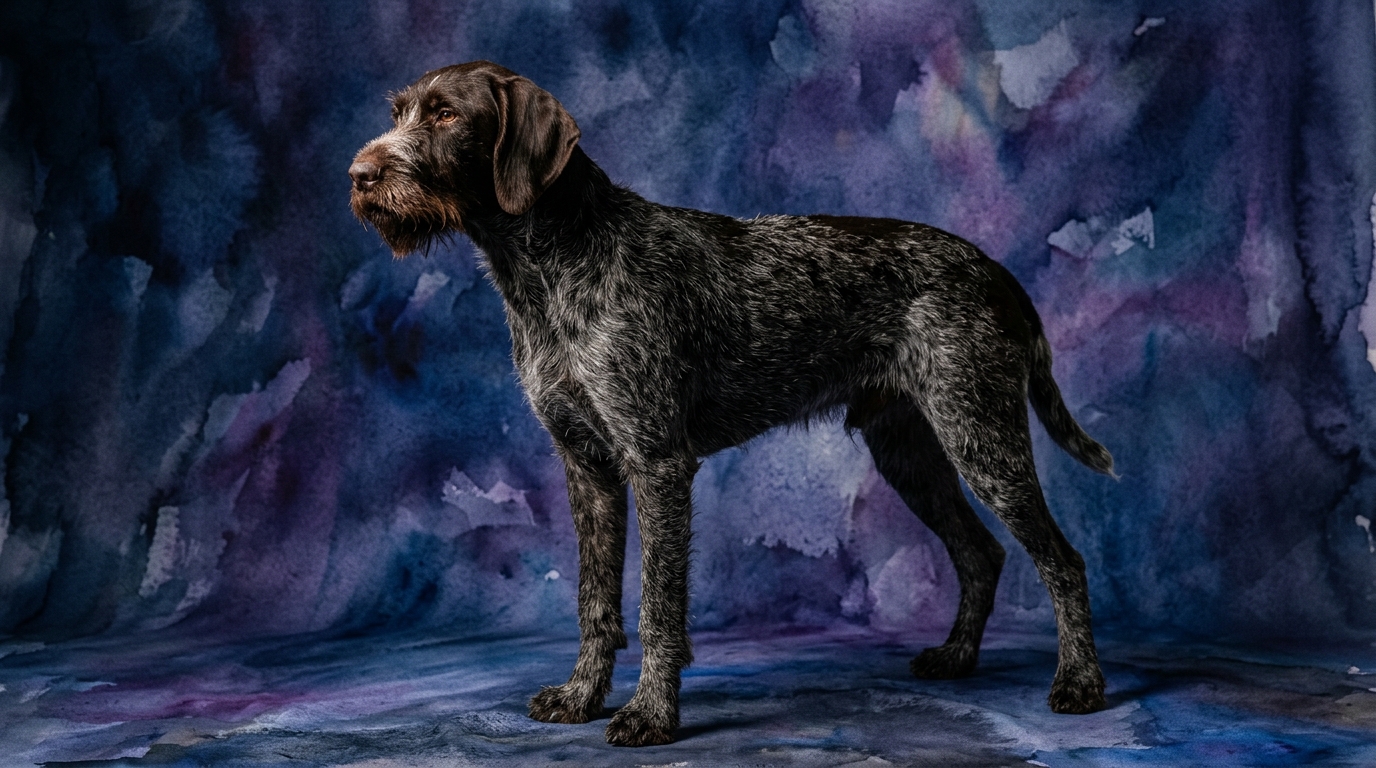
The Cosmic Pet Pet IQ Lab data provides a granular look into the cognitive strengths of these two distinct breeds. The German Wirehaired Pointer (GWP), ranked #28 by Coren, demonstrates a cognitive profile optimized for complex, collaborative work. Their Problem Solving is rated 4/5, reflecting their capacity to navigate intricate scent trails, strategize retrieves, and adapt to changing field conditions. Training Speed, also 4/5, highlights their quick grasp of new commands and sequences, thriving on instruction and eager participation. Social Intelligence at 3/5 suggests they form strong bonds with their primary handlers and family, understanding cues within their trusted circle, though they might be more reserved with strangers, prioritizing task over generalized social interaction. Their Instinctive Drive, 3/5, is a focused, purposeful hunting drive, channeled into effective partnership. Memory, a robust 4/5, enables them to recall vast amounts of information, from specific locations of fallen game to complex multi-step routines, making them exceptionally reliable in their work.
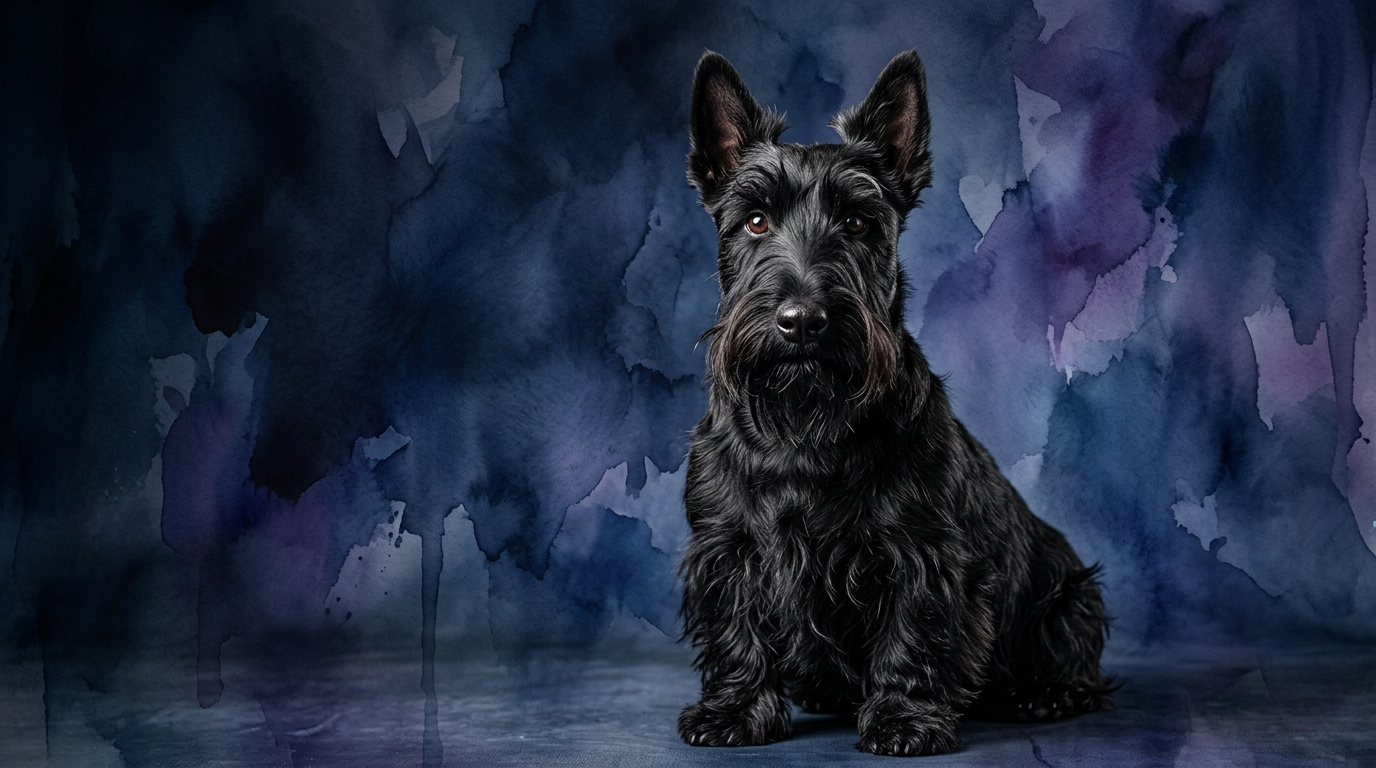
Occupying Coren's #65 spot, the Scottish Terrier (Scottie) presents a different, yet equally compelling, cognitive blueprint forged by solitary work. Their Problem Solving is rated 3/5, showcasing an ability to independently overcome obstacles, especially those related to navigating confined spaces or persistently pursuing quarry, often relying on tenacity rather than broad strategic adaptation. Training Speed, 3/5, indicates they are capable learners, but their independent nature often requires consistent, engaging motivation rather than simple repetition. Social Intelligence, 3/5, describes a deeply loyal but often reserved companion; they are adept at understanding their family's nuances but can be discerning and less overtly demonstrative with outsiders. Instinctive Drive, 3/5, manifests as a strong, self-directed prey drive and digging instinct, often requiring careful management. Their Memory, 3/5, allows them to recall routines and learned behaviors, particularly those reinforcing their independent spirit, though perhaps not with the same sequential complexity or breadth as the GWP.
Where the German Wirehaired Pointer Wins Cognitively
The German Wirehaired Pointer's cognitive strengths distinctly outshine the Scottie in areas requiring complex, multi-stage task execution and rapid, flexible learning. Their 4/5 Problem Solving score means they excel at synthesizing information from various senses—like scent, sight, and sound—to independently locate and retrieve game across diverse terrains and conditions. This involves not just following a single command, but understanding the overarching goal and adapting their approach. This ability to piece together disparate sensory input into a coherent action plan is a hallmark of their functional intelligence.
Furthermore, their superior Training Speed (4/5) allows them to acquire and retain intricate command sequences, such as “heel, sit, stay, go retrieve, come, drop,” with remarkable efficiency. This capacity for rapid skill acquisition and long-term memory (4/5) makes them highly adaptable to new scenarios and variations in their work, consistently applying learned strategies to novel challenges. They demonstrate a proactive understanding of their handler's intent, often anticipating the next step in a sequence, a clear indicator of their collaborative intelligence and cognitive readiness for partnership.
Where the Scottish Terrier Wins Cognitively
While not boasting higher raw scores across the board, the Scottish Terrier's cognitive profile presents unique advantages rooted in their historical role as independent vermin hunters. Their 3/5 Problem Solving, though numerically lower, shines in scenarios demanding self-reliance and tenacious persistence without human intervention. A Scottie is adept at figuring out how to navigate a complex burrow system or persistently work at a scent, relying on an enduring will rather than broad strategizing. This independent problem-solving often involves a singular focus, ignoring distractions that might deter a more collaborative breed, highlighting their mental fortitude.
Their Instinctive Drive, also 3/5, is particularly potent in its self-direction; once a Scottie locks onto a perceived “mission,” whether it's investigating a rustle in the bushes or a particular scent, their resolve is formidable, demonstrating a focused mental resilience. Furthermore, their social intelligence, while reserved, involves a keen discernment; they are not easily swayed and often take their time to “read” new situations and individuals, exhibiting a cautious, evaluative cognitive process that prioritizes their own assessment over eager engagement. This discernment allows them to form deep, but selective, bonds based on their own careful judgment.
Which is Easier to Train and Why
When it comes to ease of training, the German Wirehaired Pointer generally holds a clear advantage due to its inherent drive for partnership and its cognitive architecture. The GWP's 4/5 Training Speed and 4/5 Memory mean they absorb new commands and retain complex sequences with minimal repetition. They are bred to work in close cooperation with a human handler, which translates into a natural eagerness to please and a high motivation for collaborative tasks. Their focus on the handler's directives means they are less likely to become distracted by environmental stimuli during training sessions, streamlining the learning process.
Conversely, the Scottish Terrier, with its 3/5 Training Speed and strong independent streak, can present more challenges. Scotties were bred to make autonomous decisions underground, leading to a cognitive disposition where they often prioritize their own judgment or investigations over immediate obedience. Training a Scottie requires immense patience, creativity, and consistent reinforcement to overcome their tendency to “think for themselves” or to persist in an activity they find more rewarding, like scent-tracking a squirrel, rather than performing a requested “sit.” Their memory serves well for established routines, but introducing novel or complex commands might take more dedicated effort to cement, as their motivation is often internally driven.
Which Suits Active Owners vs. Relaxed Owners
The German Wirehaired Pointer is unequivocally suited for active owners who relish outdoor adventures and can provide consistent mental and physical stimulation. Their background as versatile hunting dogs means they thrive on purpose-driven activities like tracking, retrieving, hiking, or dog sports. Their high problem-solving and training speed mean they need outlets for their active minds, not just their bodies; a GWP left without engagement can become restless and may invent their own, potentially destructive, forms of mental exercise. They are ideal for individuals or families committed to incorporating their dog into a vigorous, engaged lifestyle, providing opportunities for them to use their cognitive prowess in collaborative efforts.
In contrast, the Scottish Terrier, while not a sedentary breed, can suit owners with a slightly less intense activity profile, though they still require daily exercise and mental engagement. They are not built for marathon running but enjoy brisk walks, exploring secure yards, and engaging in puzzle toys that challenge their independent problem-solving. A Scottie owner should appreciate a dog with a robust personality and be prepared to engage their terrier's instincts with consistent, thoughtful training, rather than expecting a perpetually eager-to-please companion. They fit owners who value a loyal, discerning companion that brings character and a touch of independent thought to their daily lives, and who are ready to manage a dog with a strong, self-directed will.
The Verdict
Opt for a German Wirehaired Pointer if you are an active individual or family seeking a highly trainable, versatile, and collaborative canine partner for rigorous outdoor pursuits, dog sports, or hunting, and can provide ample mental and physical engagement.
Select a Scottish Terrier if you appreciate a dog with a strong, independent spirit, a discerning social nature, and are prepared to engage a tenacious companion with consistent, patient training and thoughtful mental challenges in a less overtly high-octane lifestyle.
🧠 Find Your Pet's IQ Score
Our Pet IQ Lab assessment covers 25+ tests across 5 cognitive dimensions — personalized to your breed.
Take the Full IQ Test →Frequently Asked Questions
Are German Wirehaired Pointers good family dogs?
Yes, German Wirehaired Pointers can be excellent family dogs, especially for active families who can meet their substantial exercise and mental stimulation needs. They form strong bonds and are generally good with children when properly socialized, though their energy can be overwhelming for very young kids.
Do Scottish Terriers get along with other pets?
Scottish Terriers can coexist with other pets, especially if introduced early and properly socialized, but their strong prey drive means small, fast-moving animals like rodents or birds might be viewed as quarry. They can be selective with other dogs, often preferring to be the sole canine focus within the household.
What kind of mental stimulation do these breeds need?
German Wirehaired Pointers thrive on complex tasks like scent work, advanced obedience, puzzle toys, and learning new tricks, which utilize their problem-solving and memory. Scottish Terriers benefit from puzzle feeders, digging opportunities in designated areas, and training games that appeal to their independent nature and tenacity.