Side-by-Side IQ Profile: GWP vs. Tibetan Terrier
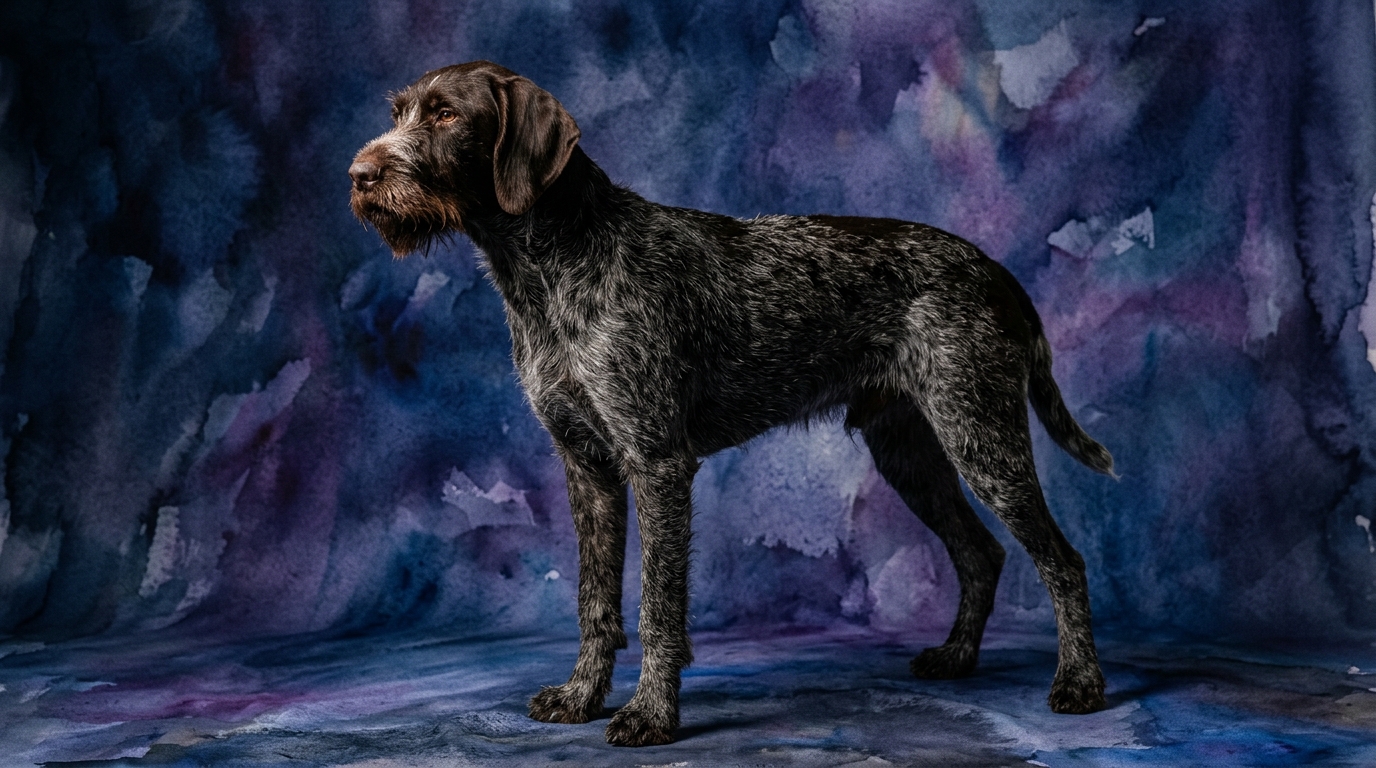
The Cosmic Pet Pet IQ Lab provides a nuanced look at canine cognition across five key dimensions. For the German Wirehaired Pointer (GWP), a Sporting breed with a Coren rank of #28, its profile reflects its working heritage: Problem Solving at 4/5, Training Speed at 4/5, Social Intelligence at 3/5, Instinctive Drive at 3/5, and Memory at 4/5. This suggests a dog with sharp mental faculties, quick to learn and retain information, and capable of independent thought, though its social and instinctive drives are balanced.
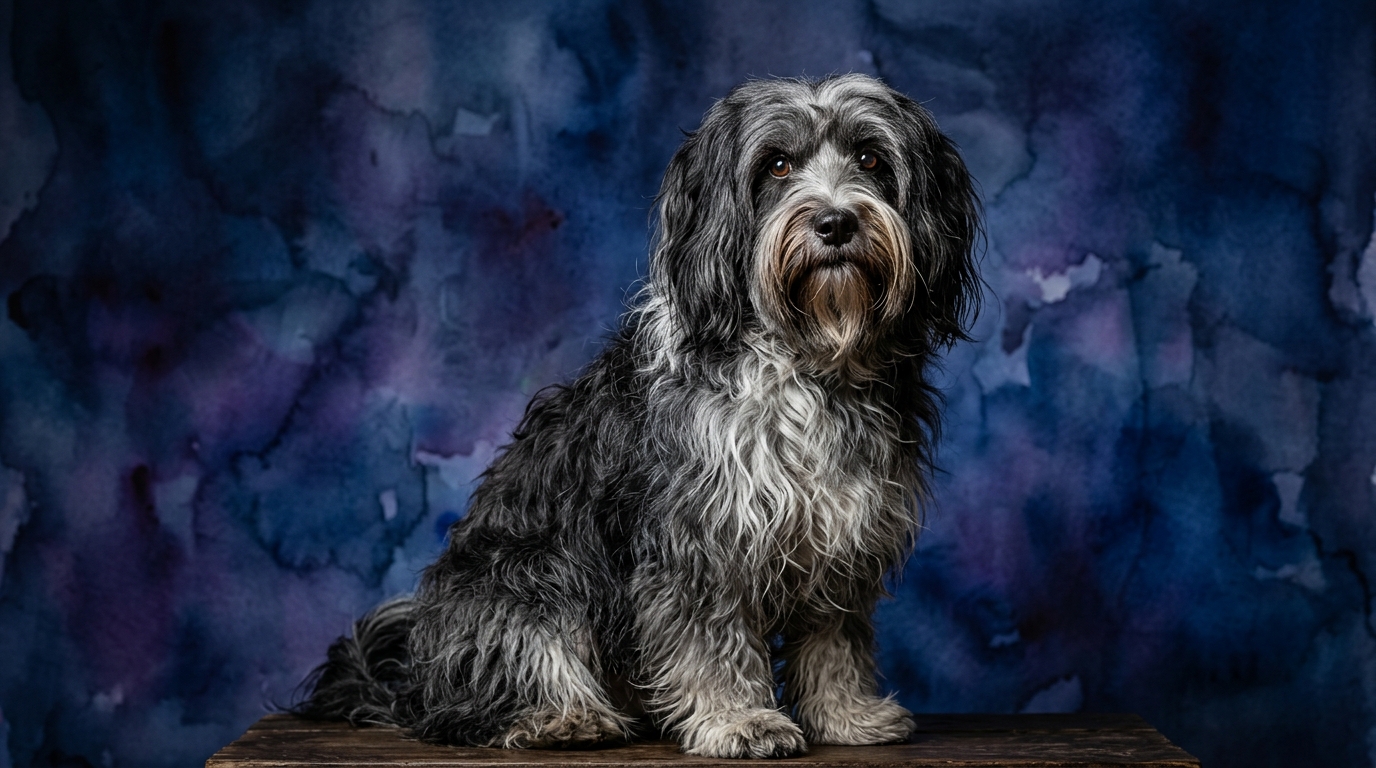
In contrast, the Tibetan Terrier (TT), a Non-Sporting breed with a Coren rank of #63, presents a more uniformly moderate cognitive picture: Problem Solving at 3/5, Training Speed at 3/5, Social Intelligence at 3/5, Instinctive Drive at 3/5, and Memory at 3/5. This breed demonstrates competence across the board, indicating a thoughtful, adaptable companion rather than a specialized worker. Its consistent scores suggest a stable and balanced cognitive approach to its environment and interactions.
Where the German Wirehaired Pointer Wins Cognitively
The GWP's cognitive strengths are evident in its superior Problem Solving (4/5), Training Speed (4/5), and Memory (4/5). This combination makes them exceptionally adept at tasks requiring quick understanding and retention. A GWP can rapidly learn multi-step retrieve commands, navigating varied terrain and remembering precise game locations. Their problem-solving acumen shines when faced with unexpected hunt obstacles, requiring independent assessment and adaptation. This breed's capacity to absorb and recall complex information means they learn swiftly and retain skills long-term, making advanced training and field work highly rewarding. Their cognitive profile is geared towards efficient, purposeful execution.
Where the Tibetan Terrier Wins Cognitively
While the GWP excels in focused, task-oriented intelligence, the Tibetan Terrier's balanced cognitive profile (consistent 3/5) offers a distinct advantage in adaptability and thoughtful independence. This breed doesn't "win" by outperforming in raw scores, but by demonstrating a versatile intelligence shining in domestic and companion roles. Their problem-solving (3/5) often navigates social nuances and home environments with quiet cleverness. The TT's moderate instinctive drive (3/5) means less frustration from unfulfilled working needs, making them inherently more adaptable. This cognitive balance allows them to be content and well-adjusted without constant, intense mental challenges, appealing to owners seeking a thinking companion who integrates seamlessly with unique, independent charm.
Which is Easier to Train and Why
Based on IQ scores, the German Wirehaired Pointer is generally easier to train. With Training Speed 4/5 and Problem Solving 4/5, GWPs grasp new commands quickly, often needing fewer repetitions. Their strong memory (4/5) ensures learned skills are retained effectively. This translates to a dog eager to please and responsive, making complex obedience, agility, or field training relatively smooth. A GWP can be taught intricate hand signals and verbal cues for retrieving different game types rapidly.
The Tibetan Terrier, with Training Speed 3/5 and Problem Solving 3/5, requires more patience and consistency. While capable, they are independent thinkers, sometimes needing more motivation or varied approaches to maintain engagement. Their moderate memory (3/5) benefits from regular reinforcement to solidify behaviors. Training a TT often involves making it fun and rewarding, appealing to their companionable nature rather than relying solely on a strong desire to work. They might take longer to master advanced commands, but with positive reinforcement, they become well-behaved, adaptable companions.
Cognitive Profiles for Active vs. Relaxed Owners
The German Wirehaired Pointer, with higher problem-solving, training speed, memory, and strong instinctive drive, is ideal for active owners. These dogs thrive on purpose and consistent mental engagement. Owners enjoying hunting, hiking, running, or dog sports like agility or field trials will find the GWP's cognitive profile perfectly suited. They need an owner channeling their considerable mental and physical energy into productive outlets and complex tasks to stimulate sharp minds. Without sufficient engagement, their intelligence can manifest as boredom or destructive behaviors.
The Tibetan Terrier, possessing a balanced, moderate cognitive profile, suits owners seeking a thoughtful yet less intensely driven companion. While requiring mental stimulation and daily walks, their needs are less demanding than the GWP's. They fit well with relaxed owners enjoying moderate daily activity, regular interactive play, and consistent but not overly rigorous training. Their social intelligence (3/5) makes them adaptable family members, content to observe and participate in household routines. They are excellent for those appreciating a dog that can be engaged without constant, high-octane mental challenge.
The Verdict
If you are an active, experienced owner seeking a highly trainable, problem-solving partner for field work, dog sports, or extensive outdoor adventures, the German Wirehaired Pointer's sharp cognitive profile is an excellent fit.
If you desire a thoughtful, adaptable companion with a moderate drive and a steady learning pace, suited for a family environment and moderate daily engagement without intense working demands, the Tibetan Terrier will thrive.
🧠 Find Your Pet's IQ Score
Our Pet IQ Lab assessment covers 25+ tests across 5 cognitive dimensions — personalized to your breed.
Take the Full IQ Test →Frequently Asked Questions
Does a higher Coren rank mean a dog is always "smarter"?
The Coren rank primarily assesses "working and obedience intelligence" or training speed, reflecting how quickly a breed learns and obeys commands. It doesn't encompass the full spectrum of canine intelligence, such as problem-solving in novel situations or social understanding, which our IQ metrics aim to capture more broadly.
Can a Tibetan Terrier participate in dog sports like agility?
Absolutely. While their training speed is rated lower than a GWP, Tibetan Terriers are agile, enjoy activity, and can excel in sports like agility or rally obedience with consistent, positive training that respects their independent nature and makes learning fun.
How important is mental stimulation for both breeds?
Mental stimulation is crucial for both, though the intensity and type differ. German Wirehaired Pointers require complex tasks and problem-solving to prevent boredom, while Tibetan Terriers benefit from varied enrichment, puzzles, and consistent training to engage their thoughtful minds and prevent complacency.