Side-by-Side IQ Profile
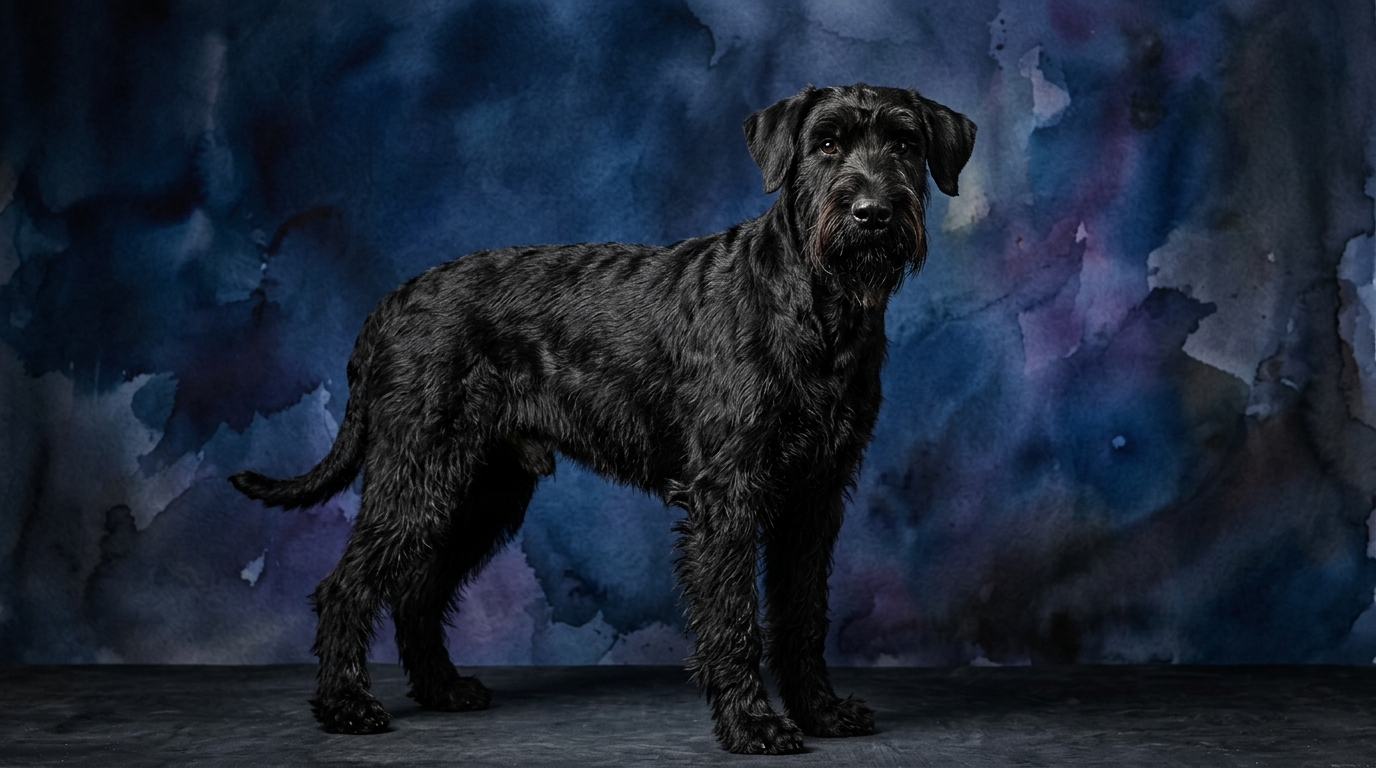
The Cosmic Pet Pet IQ Lab provides a structured framework for assessing canine intelligence across five critical dimensions. For the Giant Schnauzer, a Coren-ranked breed at #28, their cognitive profile reflects a versatile working heritage. Their problem-solving ability stands at a strong 4/5, indicating a capacity for complex thought and adaptable solutions in varied scenarios. Training speed is also rated 4/5, signifying a quick grasp of new commands and routines, often eager to engage with their handler. Social intelligence is 3/5, suggesting they understand human cues and interact well, though perhaps with a more independent or focused demeanor than some companion breeds. Their instinctive drive is 3/5, manifesting as a balanced blend of guarding, herding, or protective tendencies that can be channeled effectively. Lastly, their memory is rated 4/5, demonstrating excellent retention of learned behaviors and environmental information.
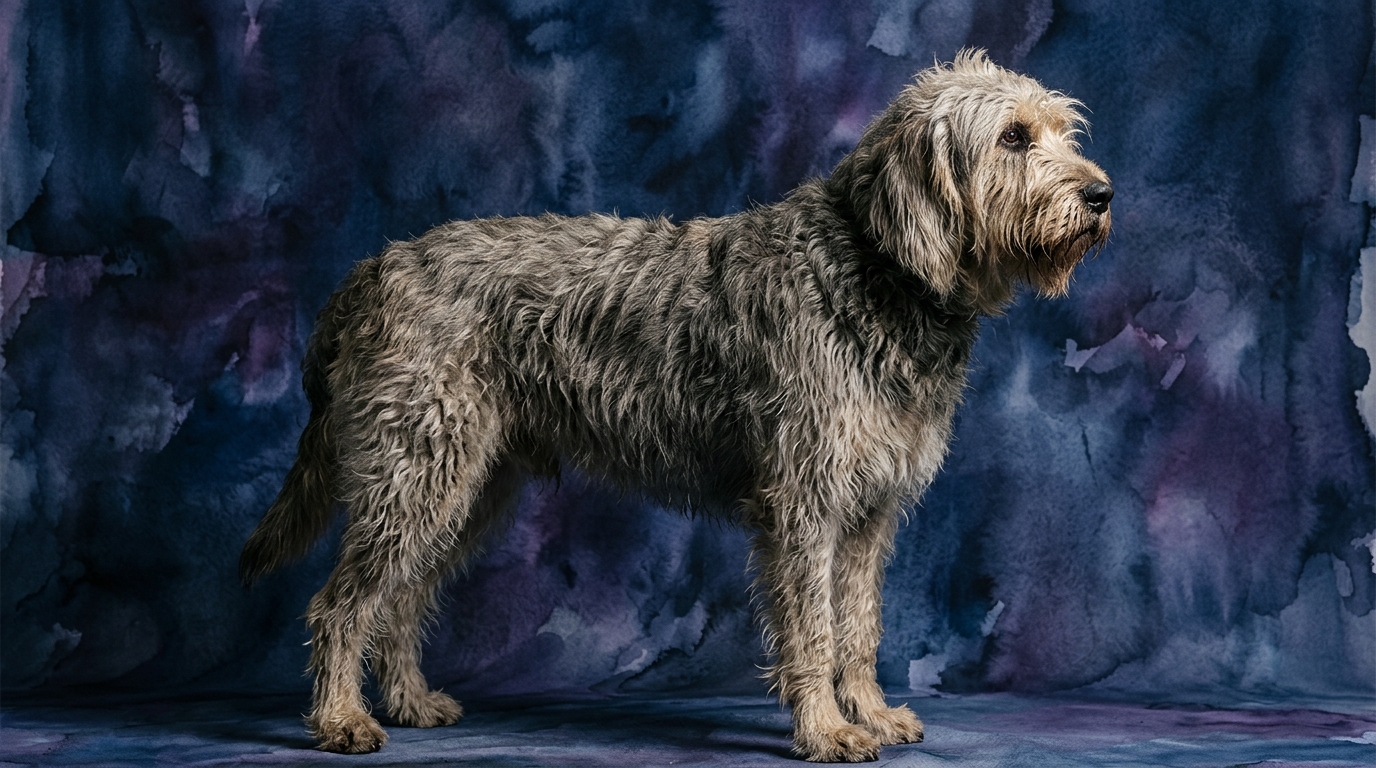
In contrast, the Otterhound, a breed not ranked by Coren but with a distinct hound lineage, presents a different cognitive blueprint. Their problem-solving ability is 3/5, indicating a practical, task-specific approach, primarily geared towards deciphering scent puzzles rather than abstract challenges. Training speed is also 3/5, meaning they learn at a moderate pace, often requiring consistent, patient reinforcement due to their independent nature. Social intelligence is 3/5, highlighting their amiable disposition towards both humans and other dogs, thriving in a cooperative environment, though perhaps less attuned to subtle human commands than a working breed. Their instinctive drive is 3/5, powerfully dominated by their exceptional scenting capabilities and an unwavering determination to follow a trail. Memory for the Otterhound is 3/5, which is effective for retaining scent paths and familiar routes, but may require more repetition for arbitrary commands.
Where Giant Schnauzer Wins Cognitively
The Giant Schnauzer exhibits clear cognitive advantages in areas demanding flexible intellect and rapid learning. Their superior 4/5 rating in problem-solving means they are adept at navigating novel situations and devising solutions that extend beyond rote behavior, a trait invaluable in diverse working roles from police work to therapy. This breed's 4/5 training speed translates into an impressive ability to acquire and refine new commands with fewer repetitions, making them highly responsive to advanced obedience or specialized skill training. Furthermore, their 4/5 memory score ensures that these complex behaviors and learned associations are retained effectively over time, allowing for the building of an extensive behavioral repertoire. This combination of quick comprehension, adaptive thinking, and durable memory positions the Giant Schnauzer as a canine that thrives on continuous mental engagement and complex tasks, distinguishing them as a versatile learner.
Where Otterhound Wins Cognitively
While the Otterhound's raw scores might appear lower, their cognitive strengths are profoundly specialized and exceptionally effective within their intended purpose. Their 3/5 instinctive drive is not just a score; it represents an unparalleled tenacity and focus on scent work, a cognitive triumph in its own right. This unwavering determination to follow a trail, often for hours over challenging terrain, showcases a specialized form of problem-solving (3/5) unique to scenthounds – the ability to interpret and follow intricate scent patterns, often ignoring distractions that would deter other breeds. Their memory (3/5) excels in recalling complex scent trails and geographical layouts, essential for successful hunting. The Otterhound's social intelligence (3/5) fosters amiable interactions within a hunting pack and with their human companions, allowing for cooperative efforts without requiring the same level of handler-centric focus seen in working breeds. Thus, the Otterhound "wins" in the domain of persistent, specialized sensory processing and the robust, independent application of their primary drive.
Which is Easier to Train and Why
When considering ease of training, the Giant Schnauzer generally presents a more straightforward path. Their higher scores in problem-solving, training speed, and memory mean they not only grasp new concepts quickly but also retain them efficiently and can apply them adaptably. This breed typically exhibits a strong desire to please their handler and thrives on structured work, making them highly receptive to traditional obedience training, complex commands, and even competitive dog sports. Their working background predisposes them to focus intently on tasks and respond consistently to guidance.
The Otterhound, while certainly trainable, typically requires a different approach and more patience. Their independent hound nature, coupled with a powerful instinctive drive for scent, means they are often more self-directed. When a compelling scent is present, their focus can shift dramatically from their handler to the trail, making consistent recall or heel work more challenging. Their 3/5 training speed indicates a moderate learning curve, often necessitating more repetition and creative motivation, frequently involving scent-based rewards or games. Training an Otterhound is less about speed and more about building a strong, trusting relationship and finding ways to channel their natural drives into desirable behaviors, requiring an owner who understands and respects the hound mentality.
Which Suits Active Owners vs. Relaxed Owners
The Giant Schnauzer is an ideal match for active owners who are prepared to provide consistent, high-level mental and physical engagement. This breed thrives when given a "job" to do, whether it's advanced obedience, protection work, agility, or competitive dog sports. Their cognitive profile demands intellectual stimulation to prevent boredom and destructive behaviors; they are not content to be simply decorative companions. Owners who enjoy structured training sessions, long hikes, and incorporating their dog into daily activities that challenge their intellect will find a loyal and capable partner in the Giant Schnauzer.
The Otterhound, conversely, suits owners who appreciate a dog with substantial physical stamina but perhaps a more relaxed approach to structured mental tasks. While they require significant daily exercise – long walks, hikes, or opportunities to explore scent-rich environments are crucial – their mental engagement is often satisfied through independent scent tracking rather than complex obedience drills. They are robust and enjoy being outdoors, making them excellent companions for owners who enjoy a slower-paced but physically demanding outdoor lifestyle. Owners should be prepared for a dog whose "active" needs are met through physical exploration and scent work, rather than constant, intricate mental exercises, and who are content with an amiable, somewhat independent companion in the home.
The Verdict
When seeking a highly capable and versatile canine partner, choose the Giant Schnauzer if you desire a dog that excels in complex training, thrives on structured mental challenges, and can reliably perform a wide range of tasks from protection to performance sports. Opt for the Giant Schnauzer if you are an owner committed to consistent engagement, advanced obedience, and providing a significant "job" for your dog.
Conversely, choose the Otterhound if you appreciate a robust, amiable companion with an extraordinary nose, are prepared for a dog whose primary motivation is scent, and enjoy long, exploratory outdoor adventures without the need for constant, intricate mental tasks. Select the Otterhound if you value an independent spirit, a unique hound personality, and are patient with training that respects their deep-seated instinctive drives.
🧠 Find Your Pet's IQ Score
Our Pet IQ Lab assessment covers 25+ tests across 5 cognitive dimensions — personalized to your breed.
Take the Full IQ Test →Frequently Asked Questions
Are Giant Schnauzers good family dogs?
Yes, with proper socialization and consistent training from a young age, Giant Schnauzers can be devoted and protective family companions. They bond strongly with their family but require clear leadership and mental stimulation to thrive in a home environment.
What are the exercise needs of an Otterhound?
Otterhounds have substantial exercise needs, requiring at least an hour or two of vigorous activity daily, such as long walks, runs, or opportunities for off-leash exploration in secure areas to satisfy their stamina and powerful scent drive.
How does a Giant Schnauzer adapt to city living compared to an Otterhound?
A Giant Schnauzer can adapt well to city living if their significant mental and physical exercise requirements are consistently met through walks, dog parks, and structured training. An Otterhound's strong scent drive and need for expansive physical activity make them generally better suited to homes with yards or easy access to large, safe outdoor spaces, though diligent city owners can manage with sufficient daily outings.