A Side-by-Side Look at Their Cognitive Profiles
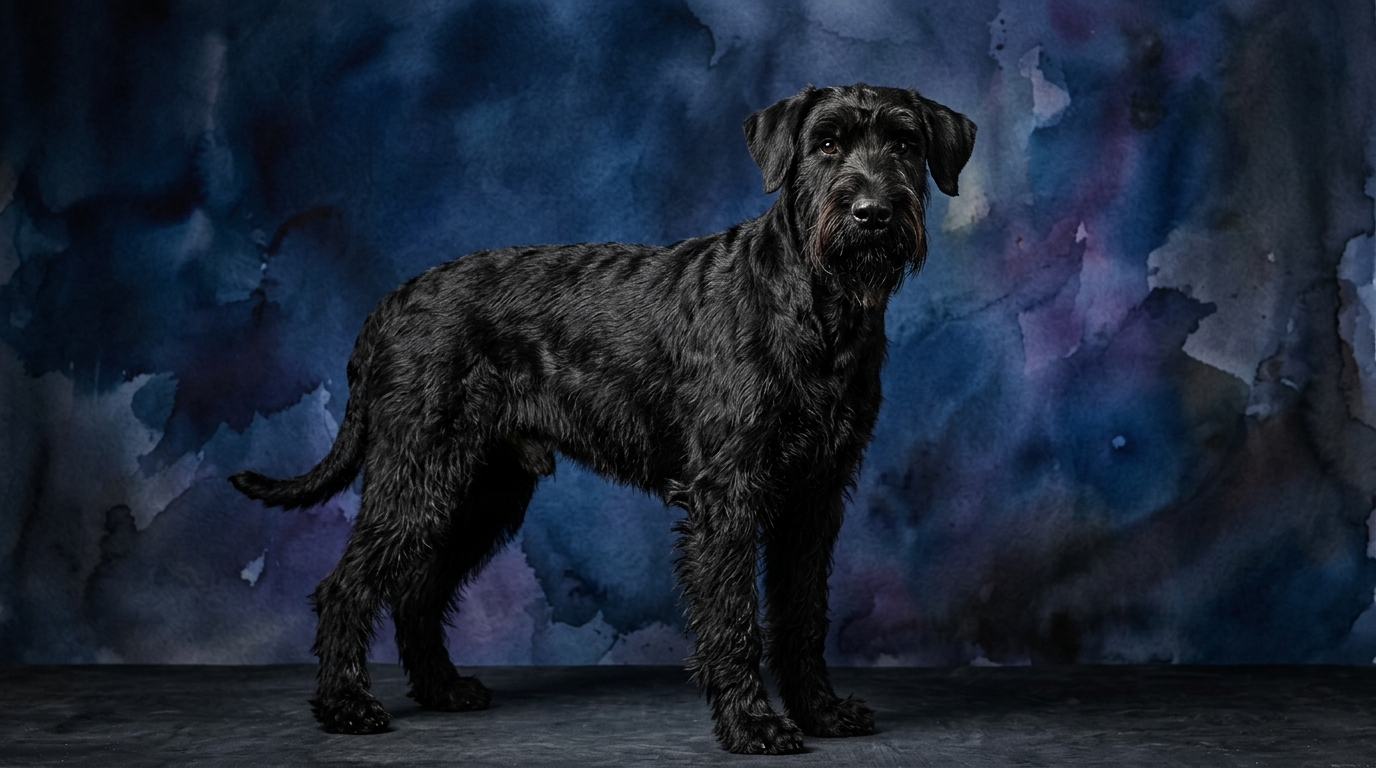
The Cosmic Pet Pet IQ Lab employs a comprehensive framework to assess canine intelligence across five key dimensions. For the Giant Schnauzer, a member of the Working group with a Coren rank of #28, its profile paints a picture of a capable and responsive companion. Its Problem Solving score of 4/5 indicates a strong capacity for independent thought and navigating complex scenarios, while a Training Speed of 4/5 suggests it grasps new commands and concepts with notable rapidity. Social Intelligence at 3/5 points to a solid understanding of human cues and interactions, though perhaps with a measure of independence. Its Instinctive Drive, also 3/5, reflects a moderate but purposeful working drive, aligning with its heritage. Finally, a Memory score of 4/5 underscores its ability to retain learned behaviors and experiences over time.
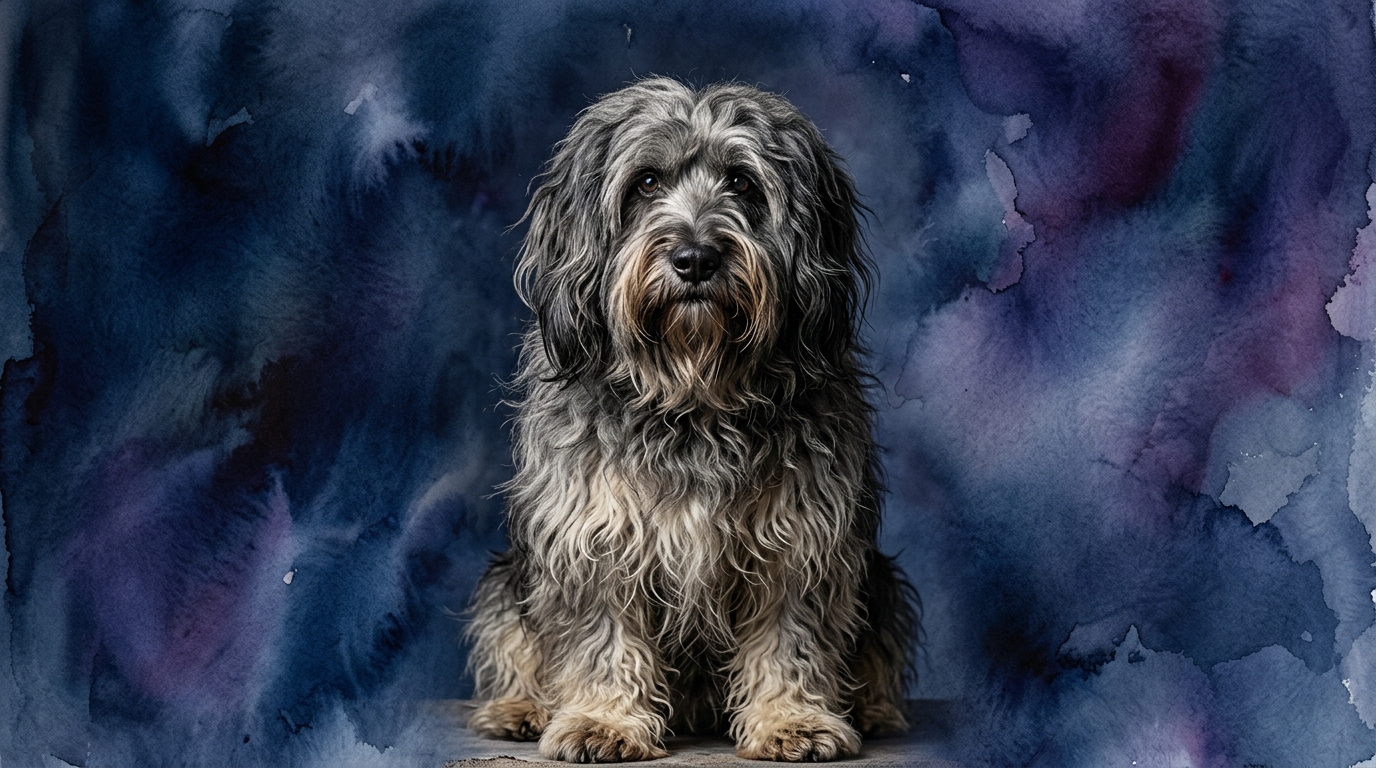
In contrast, the Polish Lowland Sheepdog, hailing from the Herding group and not Coren-ranked, presents a slightly different cognitive landscape. Its Problem Solving ability stands at 3/5, suggesting competence in familiar situations but potentially requiring more guidance for novel challenges. Training Speed, rated 3/5, indicates a steady learner who benefits from consistent, patient instruction rather than lightning-fast acquisition. Social Intelligence mirrors the Schnauzer at 3/5, denoting a good connection with its family and an awareness of its environment, though it can exhibit a reserved nature with strangers. An Instinctive Drive of 3/5 highlights its inherent herding tendencies, which can manifest as a desire to gather or control. Its Memory score of 3/5 suggests a reliable capacity to recall information, albeit potentially needing more frequent reinforcement than its Schnauzer counterpart.
Where the Giant Schnauzer Shines Cognitively
The Giant Schnauzer consistently demonstrates cognitive advantages, particularly in areas demanding quick comprehension and retention. Its Problem Solving score of 4/5 means it's adept at figuring out puzzles, navigating obstacles, or even anticipating routines, making it a valuable partner in complex tasks or competitive dog sports. This breed doesn't just follow instructions; it often understands the *why* behind them, leading to more nuanced responses. For instance, if a gate is unexpectedly closed, a Giant Schnauzer is more likely to quickly assess alternative routes or attempt to manipulate the latch rather than simply waiting.
Furthermore, the Giant Schnauzer's superior Training Speed (4/5) and Memory (4/5) are significant cognitive strengths. This combination allows for a broader and deeper repertoire of commands to be learned and reliably executed. They are quick to associate verbal cues with actions and remember those associations over long periods, reducing the need for constant reteaching. This means an owner can introduce advanced obedience, agility, or even protection work with the expectation of rapid progress and lasting recall, making it an excellent candidate for roles requiring precision and reliability under varying conditions.
Where the Polish Lowland Sheepdog Excels Cognitively
While its scores may be slightly lower in some dimensions, the Polish Lowland Sheepdog possesses distinct cognitive strengths rooted in its herding heritage. Its Problem Solving score of 3/5, combined with its Instinctive Drive of 3/5, suggests a practical, tenacious approach to challenges. Unlike the Schnauzer's more analytical problem-solving, the Polish Lowland Sheepdog often employs persistent, iterative strategies, especially when it involves managing or influencing its environment or 'flock' (which can be its human family). This can manifest as clever ways to get attention or subtly guide household activities, showcasing a different kind of operational intelligence.
The Polish Lowland Sheepdog's Social Intelligence, matching the Giant Schnauzer at 3/5, highlights its capacity for forming strong bonds and understanding family dynamics. While it might be reserved with strangers, it is deeply attuned to its immediate human companions, often displaying an intuitive understanding of their moods and intentions. This strong social connection, combined with its moderate memory, allows it to build a robust internal model of its family's expectations and emotional states, fostering a loyal and responsive partnership within its trusted circle. Its independent streak, a hallmark of herding breeds, also means it can make decisions in the absence of direct commands, a valuable trait in its original working role.
Trainability: A Tale of Two Approaches
When it comes to trainability, the Giant Schnauzer generally offers a more straightforward experience for the dedicated owner due to its higher Training Speed (4/5) and Memory (4/5). These dogs quickly absorb new commands and retain them with minimal refreshers. They often possess a strong desire to work and please their handlers, which, coupled with their cognitive quickness, makes them highly responsive to positive reinforcement and consistent methods. They are adept at generalizing learned behaviors to new environments, a key factor in achieving advanced obedience or specialized tasks. Owners will find that once a concept is understood, it is deeply ingrained, allowing for rapid progression through training levels.
The Polish Lowland Sheepdog, with its Training Speed and Memory both at 3/5, requires a more patient and nuanced training approach. While perfectly capable of learning, they are not as quick to pick up new cues and may require more repetition and consistent reinforcement to solidify behaviors. Their herding background can instill a degree of independence or even stubbornness, meaning that trainers must be engaging, fair, and persistent. Positive reinforcement is crucial, as harsh methods can easily shut them down. Owners should expect a more gradual learning curve, focusing on building a strong foundational understanding before moving to more complex tasks, and understanding that their occasional independent thought is a feature, not a bug, of their breed's cognitive make-up.
Matching Canine Cognition to Owner Lifestyles
The cognitive profiles of these two breeds suggest different ideal owner lifestyles. The Giant Schnauzer, with its high Problem Solving (4/5), Training Speed (4/5), and Instinctive Drive (3/5), thrives with active, engaged owners who can provide consistent mental and physical challenges. This breed needs more than just walks; it requires structured activities that stimulate its intellect, such as advanced obedience, agility, tracking, or protection sports. Owners who enjoy teaching complex tricks or participating in dog sports will find the Giant Schnauzer a willing and capable partner, perfectly suited for a dynamic, goal-oriented household that values a dog's active participation in daily life. Their mental sharpness means they can become bored and develop undesirable behaviors if not adequately stimulated.
The Polish Lowland Sheepdog, while also an active breed, suits owners who appreciate a more self-reliant yet devoted companion. Its Problem Solving (3/5) and Instinctive Drive (3/5) mean it needs regular engagement, but perhaps not the same intensity of complex work as the Schnauzer. Owners who enjoy consistent daily walks, moderate play, and interactive training sessions that build on established routines will find this breed fulfilling. They do well in homes where they can be integral family members, observing and participating in household activities, even if it's from a slightly more independent stance. Their reserved nature with strangers also means they can be excellent watchdogs, thriving in a home environment where their primary social circle is their human family, rather than a constant stream of new interactions.
The Verdict: When to Choose Each Intelligent Companion
The Verdict
Choose the Giant Schnauzer if you are an experienced, active owner seeking a highly trainable, problem-solving partner for advanced obedience, dog sports, or a vigilant family guardian. You should be prepared to provide consistent mental stimulation and physical activity to keep this sharp mind engaged.
Opt for the Polish Lowland Sheepdog if you appreciate a devoted, somewhat independent companion who thrives on consistent routines, moderate activity, and patient, positive training. This breed is ideal for owners who value a watchful family member deeply connected to its inner circle, even if it requires a more deliberate training approach.
🧠 Find Your Pet's IQ Score
Our Pet IQ Lab assessment covers 25+ tests across 5 cognitive dimensions — personalized to your breed.
Take the Full IQ Test →Frequently Asked Questions
Is the Giant Schnauzer good for first-time dog owners?
The Giant Schnauzer's high intelligence and strong working drive mean it benefits most from experienced owners who understand how to channel its energy and cognitive abilities. While capable, a first-time owner might find its intensity and need for consistent mental engagement challenging without proper guidance.
Do Polish Lowland Sheepdogs bark a lot?
Polish Lowland Sheepdogs can be vocal, often using their barks to alert their owners to new sights or sounds, a trait stemming from their herding and guarding instincts. Consistent training from a young age can help manage excessive barking, directing their communication appropriately.
Which breed is better with children?
Both breeds can be good with children when properly socialized from a young age and raised in a respectful environment. The Giant Schnauzer's robust nature and trainability make it a sturdy playmate, while the Polish Lowland Sheepdog's devotion to its family often extends to its younger human members, though supervision is always recommended.