Unpacking Identical Scores: A Side-by-Side IQ Profile
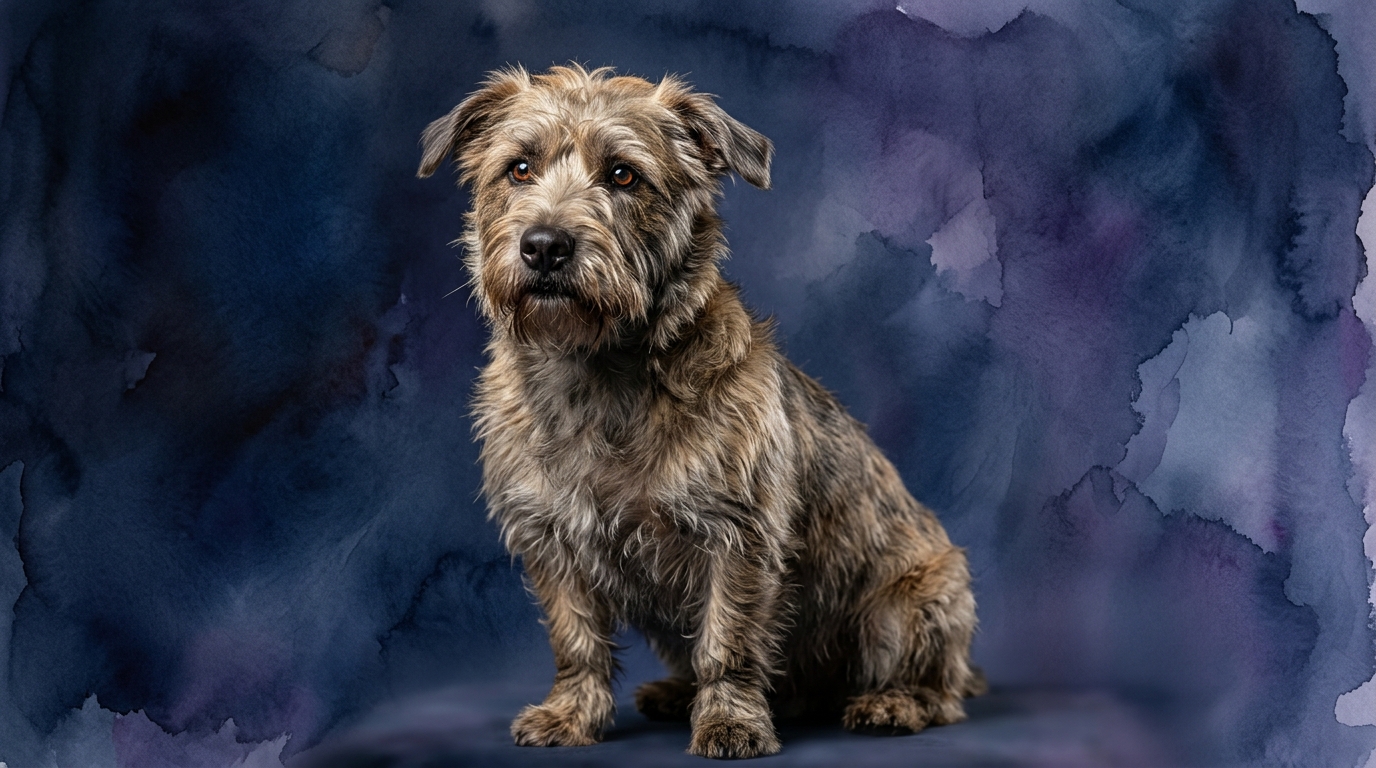
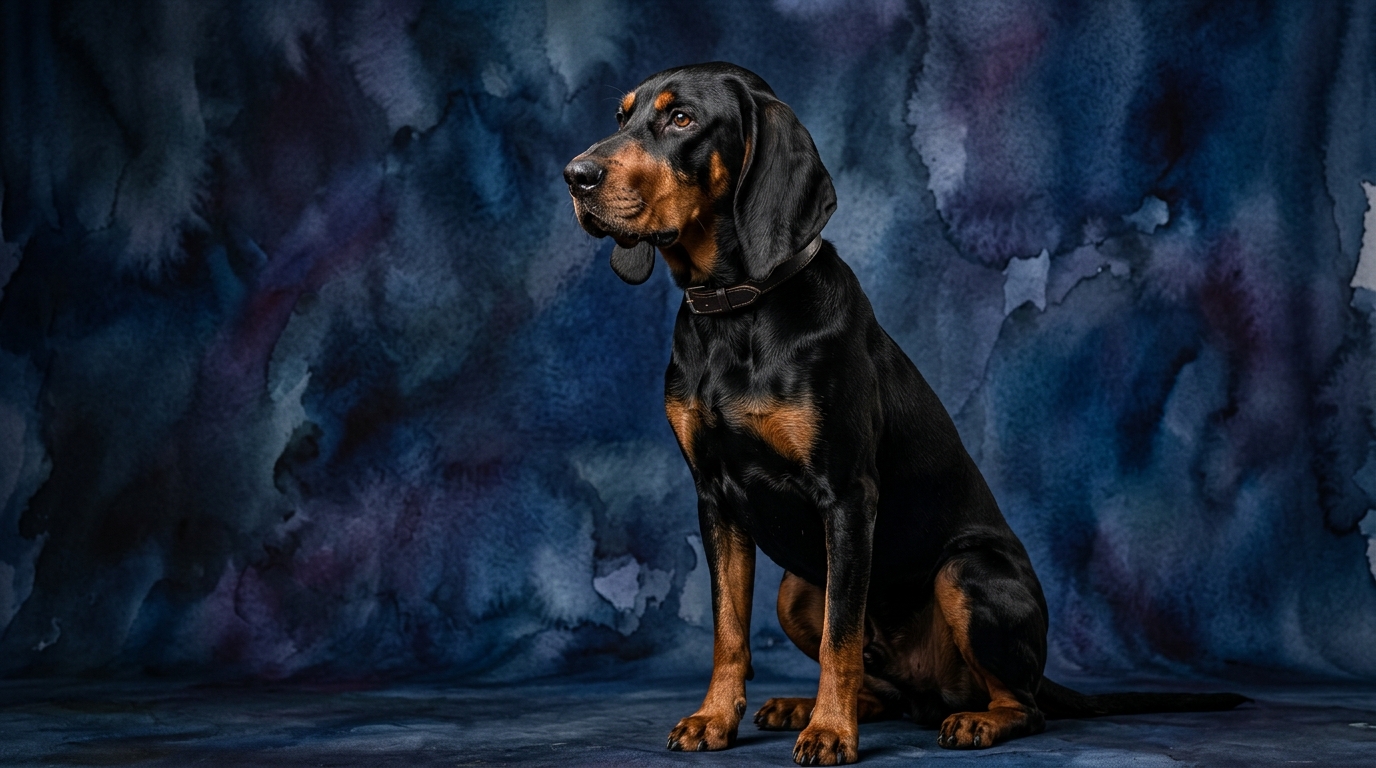
At first glance, the IQ profiles of the Glen of Imaal Terrier and the Black and Tan Coonhound present a curious parity across all five dimensions, each scoring a solid 3/5. However, these identical numbers are merely a starting point for understanding their unique cognitive strengths, reflecting how different evolutionary paths can lead to similar overall capacities expressed in distinct ways.
For Problem Solving (3/5), the Glen of Imaal Terrier typically demonstrates this through tenacious, independent efforts to achieve a goal, such as figuring out how to access a den or retrieve a hidden toy. Their problem-solving is often hands-on and persistent, reflecting their terrier heritage of working alone. In contrast, the Black and Tan Coonhound's 3/5 in problem-solving shines in its ability to follow complex, overlapping scent trails, logically piecing together environmental clues to track prey over vast and varied terrains. This involves a sustained, focused application of sensory information rather than direct manipulation of objects.
Regarding Training Speed (3/5), the Glen of Imaal Terrier can be quick to grasp new concepts when motivated, but their independent spirit and occasional stubbornness mean that consistent, engaging training methods are crucial to maintain their focus and compliance. They respond well to positive reinforcement that feels like a partnership. The Black and Tan Coonhound, while capable of learning, often faces the challenge of an overwhelming instinctive drive. Their 3/5 in training speed means they can learn routines and commands, but their powerful nose can easily override learned behaviors, especially in stimulating environments, requiring immense patience and a high-value reward system.
Social Intelligence (3/5) in the Glen of Imaal Terrier is often expressed through a deep bond with their immediate family, reading subtle cues and moods within their trusted circle. They can be reserved with strangers but are attuned to their human companions' emotional states. The Black and Tan Coonhound's 3/5 social intelligence manifests as a generally amiable and tolerant disposition, often thriving in a 'pack' environment, whether with other dogs or their human family. Their social awareness is often geared towards cooperative effort, reading handler signals during a hunt, and maintaining group cohesion.
Instinctive Drive (3/5) is where the functional differences become most apparent. For the Glen of Imaal Terrier, this drive is rooted in their vermin-hunting past, expressed through digging, a strong prey drive for small, furry creatures, and alert vocalizations. These instincts are powerful motivators and require appropriate outlets. The Black and Tan Coonhound's 3/5 instinctive drive is almost entirely dominated by their unparalleled olfactory senses and an inherent need to track. This manifests as a relentless pursuit of scent, often accompanied by their characteristic baying, and is the core of their being, demanding extensive opportunities for scent work.
Finally, Memory (3/5) for the Glen of Imaal Terrier involves recalling routines, boundaries, and past interactions with specific individuals or situations, enabling them to navigate their domestic environment with confidence. For the Black and Tan Coonhound, memory is intimately tied to their primary instinct: remembering complex scent trails, the locations of past prey, and learned behaviors or cues associated with their hunting tasks. Their memory is robust for information relevant to their drive.
Where Glen of Imaal Terriers Excel Cognitively
Despite identical scores, the Glen of Imaal Terrier often demonstrates a unique cognitive edge in scenarios demanding independent thought and tenacious, physical problem-solving in confined or challenging spaces. Their 3/5 problem-solving isn't just about figuring things out; it's about a persistent, hands-on approach, often involving digging or maneuvering obstacles with determination. This breed excels at tasks requiring intricate manipulation or sustained effort to reach a goal, such as escaping a slightly ajar crate or meticulously uncovering a buried toy. Their social intelligence, while rated 3/5, allows them to subtly interpret family dynamics and adapt to household routines with an understated perceptiveness, often appearing to anticipate their owner's next move within the home environment, which can be particularly useful for companion roles where reading human cues is beneficial.
Where Black and Tan Coonhounds Shine Cognitively
The Black and Tan Coonhound's cognitive strengths, while also rated 3/5, lie in their extraordinary sensory processing and the sustained application of that information over vast distances and durations. Their 3/5 problem-solving is unparalleled in its specific domain: navigating intricate, ever-changing scent environments to track a target. This isn't merely following a trail; it involves complex decision-making based on scent intensity, age, and environmental factors like wind and terrain. This specialized cognitive function allows them to perform feats of tracking that few other breeds can match. Their memory, also 3/5, is particularly robust for recalling specific scent patterns and the locations associated with them, making them exceptionally adept at revisiting areas or remembering the 'signature' of a particular animal. This deep-seated, sensory-driven intelligence makes them incredibly effective at their intended purpose.
Training Dynamics: Nuances of a 3/5 Training Speed Score
Determining which breed is 'easier' to train when both score 3/5 in Training Speed is less about inherent capacity and more about managing their distinct intrinsic motivations and challenges. The Glen of Imaal Terrier, with its independent terrier spirit, can be a delight to train if the sessions are engaging, varied, and leverage their natural curiosity and desire to work alongside their human. However, their stubborn streak means they might choose not to comply if they don't see the immediate value or if the training becomes monotonous. They require an owner who understands how to make training feel like a collaborative game, offering consistent, fair, and positive reinforcement to overcome their occasional willfulness. Their 3/5 training speed means they learn, but *compliance* is often a test of the trainer's creativity and patience.
The Black and Tan Coonhound, conversely, presents a different set of training challenges, despite the same 3/5 score. Their overwhelming instinctive drive for scent can make them notoriously difficult to train for reliable recall or off-leash obedience in stimulating environments. A scent passing by is often more compelling than any command, regardless of how well-practiced. Their 3/5 training speed means they *can* learn commands, but the *application* of these commands reliably, especially when their nose is engaged, demands extraordinary patience, high-value rewards, and a deep understanding of hound motivation. While they can learn quickly in a low-distraction environment, generalizing that learning to the real world, particularly overcoming the siren call of a compelling scent, requires an owner dedicated to consistent, long-term effort, often leveraging their love of scent work *into* training.
Matching Lifestyles: Active vs. Relaxed Owners
When considering owner lifestyles, the practical manifestations of their identical IQ scores diverge significantly. The Glen of Imaal Terrier, while possessing a 3/5 instinctive drive, is generally well-suited for owners who appreciate a dog that can be an energetic companion outdoors but also content to relax indoors. They require consistent mental stimulation, structured play, and opportunities to dig or engage their prey drive in a controlled manner. An owner who enjoys moderate daily walks, engages in puzzle toys, and provides consistent, varied training will find a fulfilling partnership. They are not necessarily for purely 'relaxed' owners in the sense of minimal engagement, but they can be adaptable to a calmer home life if their cognitive and physical needs are met with focused, quality interaction.
The Black and Tan Coonhound, with its potent 3/5 instinctive drive for scent, is unequivocally better suited for active owners. Their need for extensive physical exercise, coupled with ample opportunities to engage their powerful nose, is non-negotiable. Owners who enjoy long hikes, scent work, or even participate in tracking sports will find the Coonhound thrives. They are not dogs that can simply be walked around the block; their cognitive and physical well-being depends on satisfying their innate desire to track. A relaxed owner who cannot commit to hours of outdoor activity and mental engagement through scent will likely find a Coonhound frustrated, potentially leading to undesirable behaviors like excessive baying or destructive chewing. Securely fenced yards are paramount, as their drive to follow a scent can override all other considerations, making them prone to wandering.
The Verdict
Choose the Glen of Imaal Terrier if you appreciate an independent yet deeply loyal companion who thrives on focused mental challenges and enjoys a balance of active play and calm indoor companionship, and you are prepared for a dog with a tenacious, self-directed approach to problem-solving and training.
Opt for the Black and Tan Coonhound if you are an active, outdoors-oriented individual or family dedicated to providing extensive opportunities for scent work and long physical excursions, understanding that their profound olfactory intelligence and unwavering tracking drive will be their defining characteristic and primary motivator.
🧠 Find Your Pet's IQ Score
Our Pet IQ Lab assessment covers 25+ tests across 5 cognitive dimensions — personalized to your breed.
Take the Full IQ Test →Frequently Asked Questions
Do Glen of Imaal Terriers get along with other pets?
Glen of Imaal Terriers, with their 3/5 social intelligence, can coexist peacefully with other pets, especially if introduced early. However, their 3/5 prey drive for small animals means careful supervision and training are essential, particularly with smaller, non-canine pets.
Are Black and Tan Coonhounds good family dogs?
Black and Tan Coonhounds, scoring 3/5 in social intelligence, are generally amiable and tolerant, making them good family dogs. They typically get along well with children and other dogs, thriving in a 'pack' environment where they feel included in family activities.
What kind of mental stimulation do these breeds need given their 3/5 problem-solving?
Both breeds benefit from mental stimulation, but differently. Glen of Imaal Terriers need puzzle toys, digging opportunities, and varied training to engage their independent problem-solving. Black and Tan Coonhounds require extensive scent work, tracking games, and long walks where they can 'read' the world with their nose to satisfy their specialized cognitive drive.