Side-by-Side IQ Profile: Unpacking the 3/5
At first glance, the Cosmic Pet Pet IQ Lab scores for both the Glen of Imaal Terrier and the German Pinscher present a uniform picture: a consistent 3/5 across all five cognitive dimensions. However, these identical scores belie a nuanced difference in how these breeds apply their cognitive abilities, deeply influenced by their historical roles and breed groups. A 3/5 for a tenacious Terrier manifests differently from a 3/5 for a vigilant Working dog.
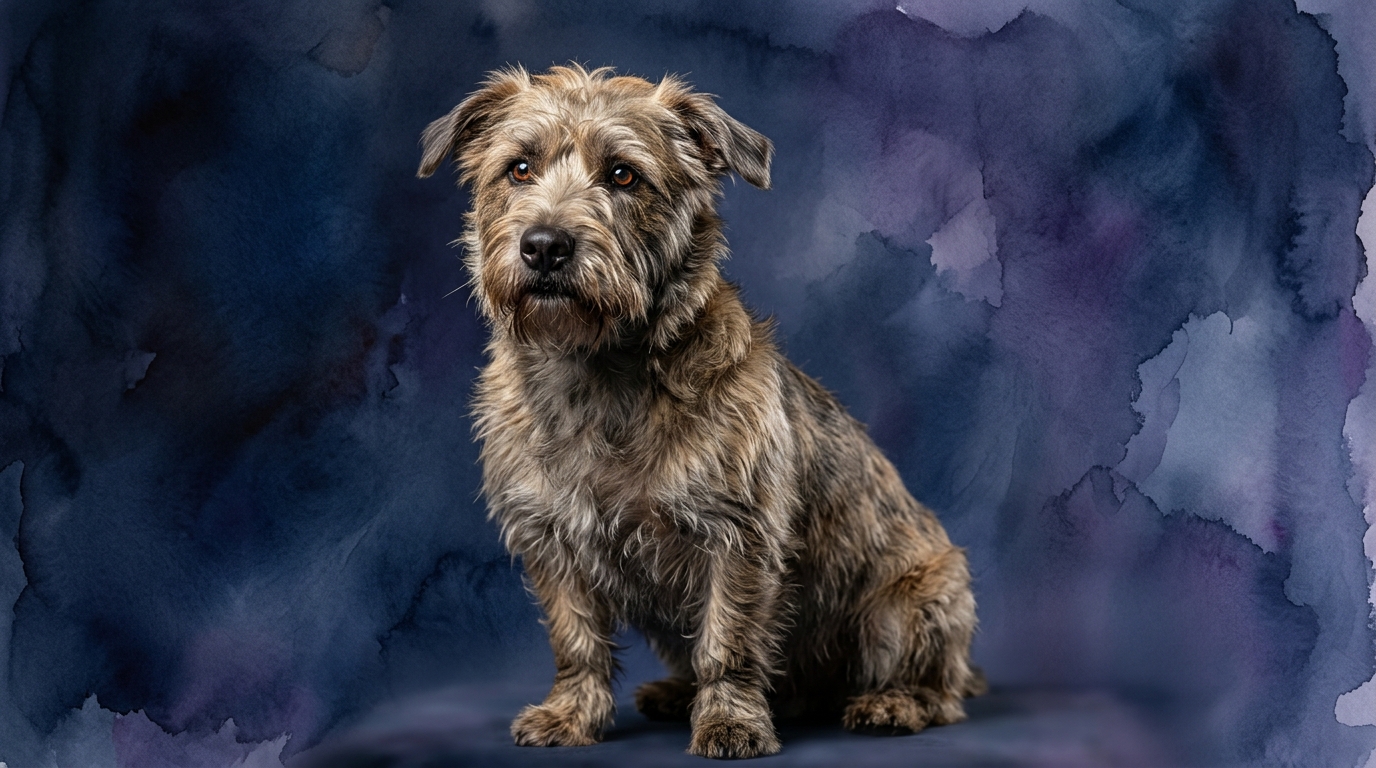
For the **Glen of Imaal Terrier** (Terrier Group): Their cognitive profile is a testament to their independent, resourceful nature. Their **Problem Solving (3/5)** skills are honed for practical, self-motivated tasks, particularly those involving navigating tight spaces or outwitting small prey. They exhibit a resourceful independence, often devising their own methods to achieve a goal, such as retrieving a toy from a difficult spot or exploring a new scent trail with focused determination. While capable of quickly grasping new commands, their inherent Terrier spirit means their **Training Speed (3/5)** is often balanced with a strong sense of self-interest; they learn efficiently when motivated by high-value rewards and engaging methods, but their compliance is conditional on them seeing the value, rather than an inherent desire to please. Glen of Imaal Terriers form deep bonds with their immediate family, demonstrating an astute ability to read their owners' moods and routines, yet their **Social Intelligence (3/5)** is often more discerning; they can be reserved or indifferent towards strangers and other dogs, preferring to observe before engaging, rather than seeking universal approval. This breed carries a robust **Instinctive Drive (3/5)**, particularly for digging, scent tracking, and a strong prey drive towards small animals; their tenacity is a hallmark, meaning once they commit to an instinct-driven task, they are remarkably persistent, often oblivious to distractions. Glens possess a solid **Memory (3/5)** for commands, routines, and past experiences, recalling both positive and negative associations with people, places, and training exercises, which contributes to their consistent behavior patterns and helps them learn from prior encounters.
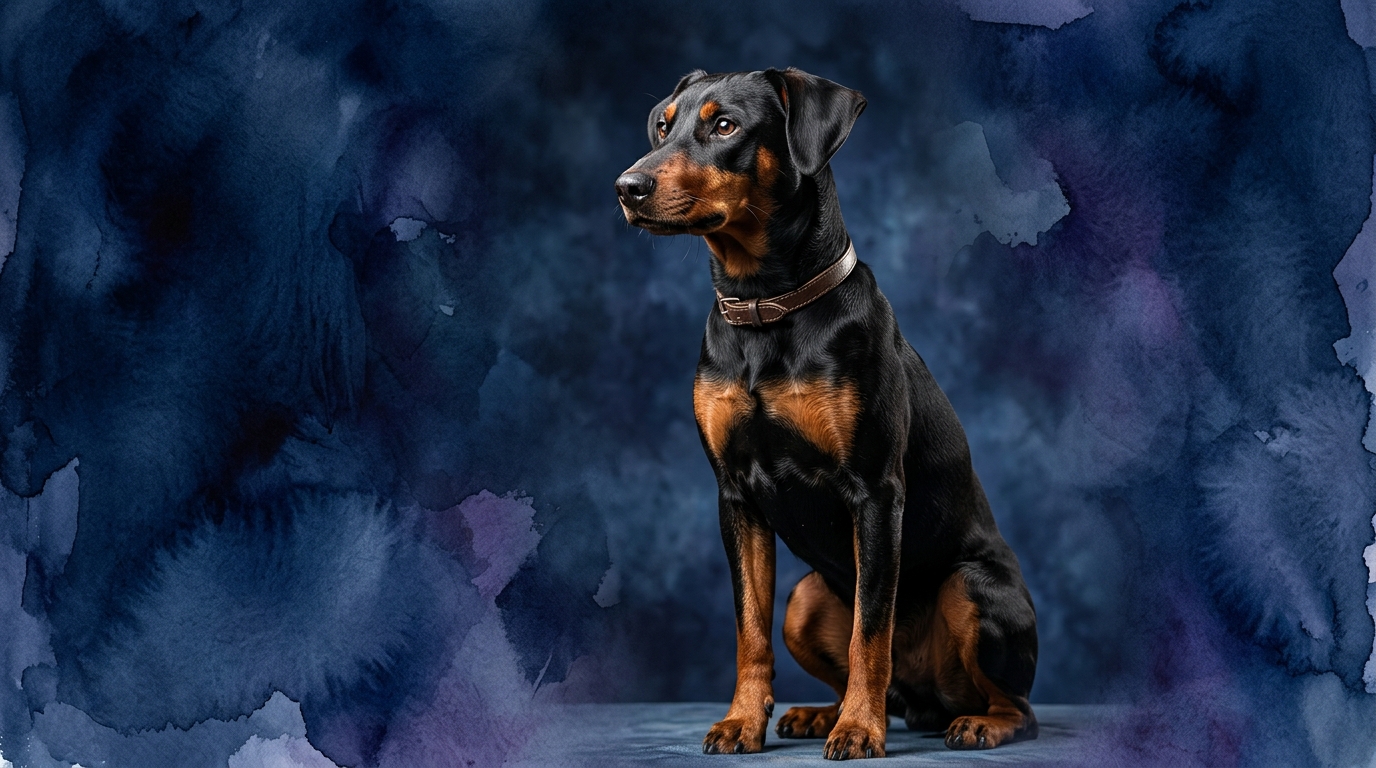
For the **German Pinscher** (Working Group): This breed's cognitive strengths are rooted in vigilance, loyalty, and a drive to protect. Their **Problem Solving (3/5)** is typically geared towards situational awareness and protection; they excel at assessing their environment, identifying potential threats, and understanding complex social dynamics, often strategizing how best to protect their family or property, which isn't about digging for prey, but rather about vigilance and proactive assessment. German Pinschers generally demonstrate a commendable **Training Speed (3/5)**, eager to learn and perform tasks for their handler; their working heritage fosters a desire for purpose and structure, allowing them to pick up new commands and complex sequences efficiently, especially when training is consistent, clear, and rewards their cooperative nature. These dogs exhibit strong **Social Intelligence (3/5)** within their family unit, being highly attuned to their owners' cues, emotions, and intentions, using this understanding to fulfill their role as devoted companions and vigilant guardians, responding appropriately to subtle shifts in household dynamics or external stimuli. Their **Instinctive Drive (3/5)** is primarily focused on protection, territoriality, and a strong sense of duty; while they can have a prey drive for vermin, their core motivation is to secure their environment and family, manifesting as alertness, watchfulness, and a readiness to act when they perceive a threat. German Pinschers possess an excellent **Memory (3/5)**, vital for their role as guardians and companions, reliably recalling commands, boundaries, and the distinction between accepted visitors and potential intruders; this strong memory ensures consistent behavior, reinforces learned responses, and contributes to their reliability in various situations.
Where Glen of Imaal Terrier Wins Cognitively
The Glen of Imaal Terrier's cognitive strengths shine in areas demanding self-reliance and persistent exploration. Their **Problem Solving (3/5)** is uniquely geared towards resourceful independence, making them adept at navigating challenging terrains or uncovering hidden objects (or 'prey' in a modern context), often without direct human instruction.
Coupled with their **Instinctive Drive (3/5)**, this results in an unyielding tenacity. A Glen, once focused on a task it deems important, will apply its cognitive energy with remarkable determination, often trying multiple approaches or demonstrating stubborn persistence until its goal is achieved, whether that's getting to a desired toy or investigating a compelling scent.
Where German Pinscher Wins Cognitively
The German Pinscher's cognitive advantages are most evident in their acute awareness and handler-oriented approach. Their **Problem Solving (3/5)** and **Social Intelligence (3/5)** combine to create exceptional situational awareness and vigilance, allowing them to quickly assess their environment and the intentions of others, making them superb natural guardians.
Furthermore, their problem-solving, while equally rated, often features a collaborative edge. The German Pinscher frequently looks to its handler for guidance or approval, and their **Training Speed (3/5)** benefits from this desire to work together, enabling them to excel in complex obedience or protection tasks that require a keen understanding of human direction.
Which is Easier to Train and Why
When considering ease of training, the **German Pinscher** generally presents a more straightforward experience. Their working dog heritage instills a strong desire to please and a clear sense of purpose when given a job, which directly impacts their **Training Speed (3/5)**. Their **Social Intelligence (3/5)** means they are highly attuned to their handler's expectations, often expressing their learning ability through enthusiastic cooperation and a readiness to follow commands. They thrive on structure and consistency, responding well to clear, firm, but fair leadership.
The **Glen of Imaal Terrier**, while also having a **Training Speed (3/5)**, can be more challenging due to their independent and self-directed nature. Their **Problem Solving (3/5)** and **Instinctive Drive (3/5)** are often directed by their own agenda, meaning they need to be convinced that training is mutually beneficial or engaging enough to capture their interest. Training a Glen requires creativity, high-value rewards, and immense patience to channel their natural tenacity into desired behaviors, rather than attempting to suppress their deeply ingrained terrier instincts.
Which Suits Active Owners vs Relaxed Owners
Both breeds require engagement, but the *type* of activity they thrive on differs, making them suitable for varying degrees of owner activity. The **German Pinscher** is well-suited for active owners who enjoy structured activities like obedience, agility, or protection sports; they truly thrive on having a 'job' and consistent mental stimulation that involves working *with* their owner. Their inherent vigilance means they are always somewhat 'on,' requiring an owner who can provide consistent leadership and clear boundaries to manage their protective instincts.
The **Glen of Imaal Terrier** is ideal for owners who appreciate a robust, independent companion and enjoy activities that tap into their natural instincts, such as earthdog trials, scent work, or long hikes where they can explore. They need outlets for their digging and hunting drives, but their overall exercise needs are moderate compared to many working breeds, making them suitable for active but not necessarily high-octane owners who can provide specific instinctual outlets without needing constant, intense physical output. Neither breed is truly suited for a purely 'relaxed' or hands-off owner, as both require consistent mental engagement and companionship to prevent boredom or behavioral issues.
The Verdict
Choose the Glen of Imaal Terrier if you appreciate a robust, independent companion with a tenacious spirit and a knack for self-directed exploration, and are prepared to engage their unique terrier drives with creative, consistent training.
Choose the German Pinscher if you seek a vigilant, devoted partner eager to work alongside you, thriving on structure and purpose, and you can provide clear leadership and consistent mental and physical challenges.
🧠 Find Your Pet's IQ Score
Our Pet IQ Lab assessment covers 25+ tests across 5 cognitive dimensions — personalized to your breed.
Take the Full IQ Test →Frequently Asked Questions
Do Glen of Imaal Terriers bark a lot?
Glen of Imaal Terriers are not typically excessive barkers, but they will alert to perceived threats or novelties with a distinctive, deep bark, especially when their protective instincts are engaged to signal something amiss.
Are German Pinschers good with children?
German Pinschers can be excellent family dogs, often forming strong bonds with children, but they require early socialization and supervision due to their strong protective instincts and sometimes boisterous play style with younger family members.
What kind of mental stimulation do these breeds need?
Both breeds benefit from puzzle toys, regular training sessions, and opportunities to use their senses; the Glen thrives on scent work and digging outlets, while the German Pinscher enjoys obedience, agility, and 'guarding' tasks that provide purpose.