Side-by-Side IQ Profile: Interpreting Identical Scores
At first glance, the IQ metrics for both the Glen of Imaal Terrier and the Xoloitzcuintli appear to paint a picture of parity, with each breed scoring 3 out of 5 across all five dimensions: Problem Solving, Training Speed, Social Intelligence, Instinctive Drive, and Memory. However, these identical numerical values belie a rich tapestry of cognitive expression that is deeply rooted in their breed histories and inherent dispositions. A '3/5' in Problem Solving for a Glen will look very different from a '3/5' for a Xolo.
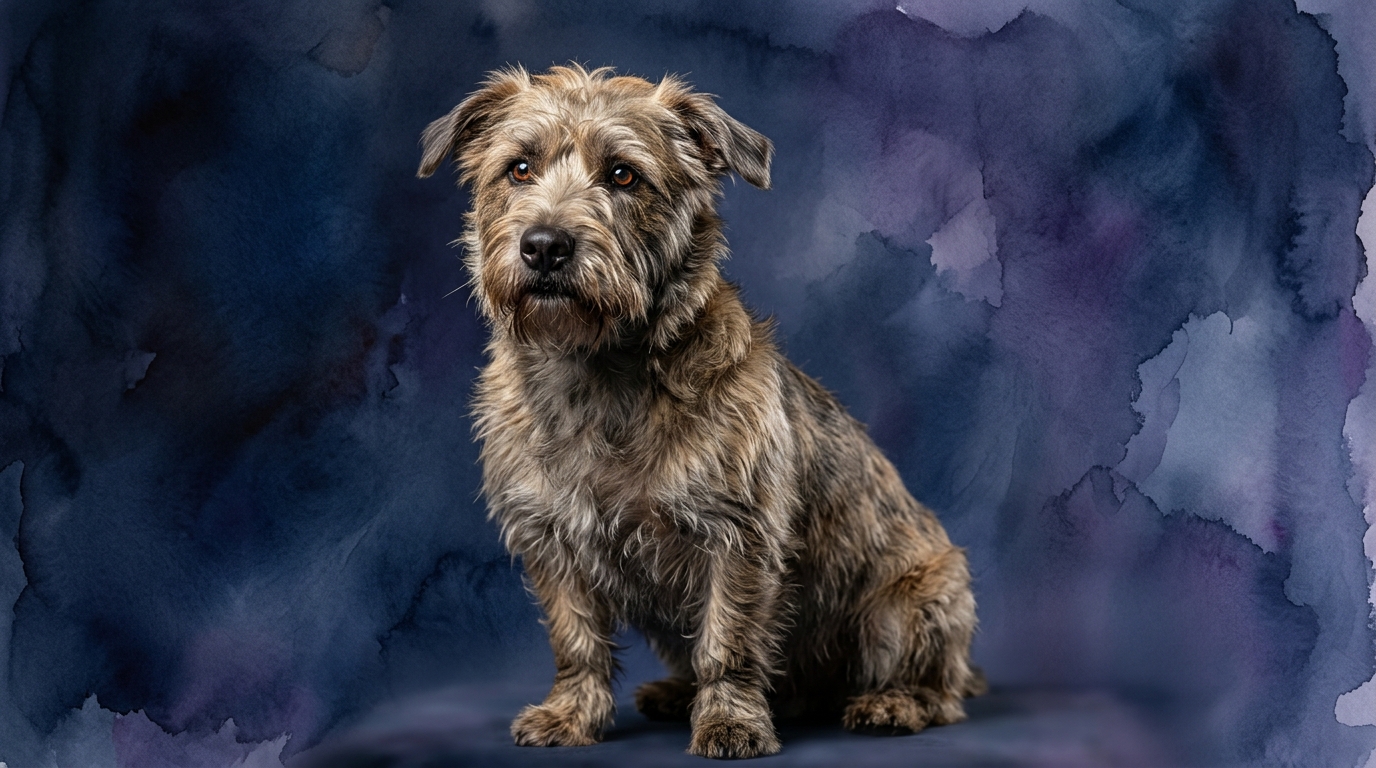
For the **Glen of Imaal Terrier**, a '3/5' in Problem Solving signifies a dog capable of independent thought, particularly when it comes to overcoming obstacles in pursuit of a goal, often related to their badger-hunting heritage. This isn't about complex abstract reasoning, but practical, persistent application of learned solutions to physical barriers. Their '3/5' Training Speed means they absorb commands at a moderate pace, but their terrier independence often means they weigh the utility of compliance against their own desires. Social Intelligence at '3/5' suggests they understand human cues and social dynamics within their pack, but they are not overtly people-pleasing; they observe and react rather than constantly seek interaction. An Instinctive Drive of '3/5' is strongly tied to their working past – a persistent drive to dig, chase, and explore. Finally, a '3/5' in Memory indicates a capacity to retain learned behaviors and spatial information, crucial for navigating complex environments or remembering where a 'prey' item might be hidden.
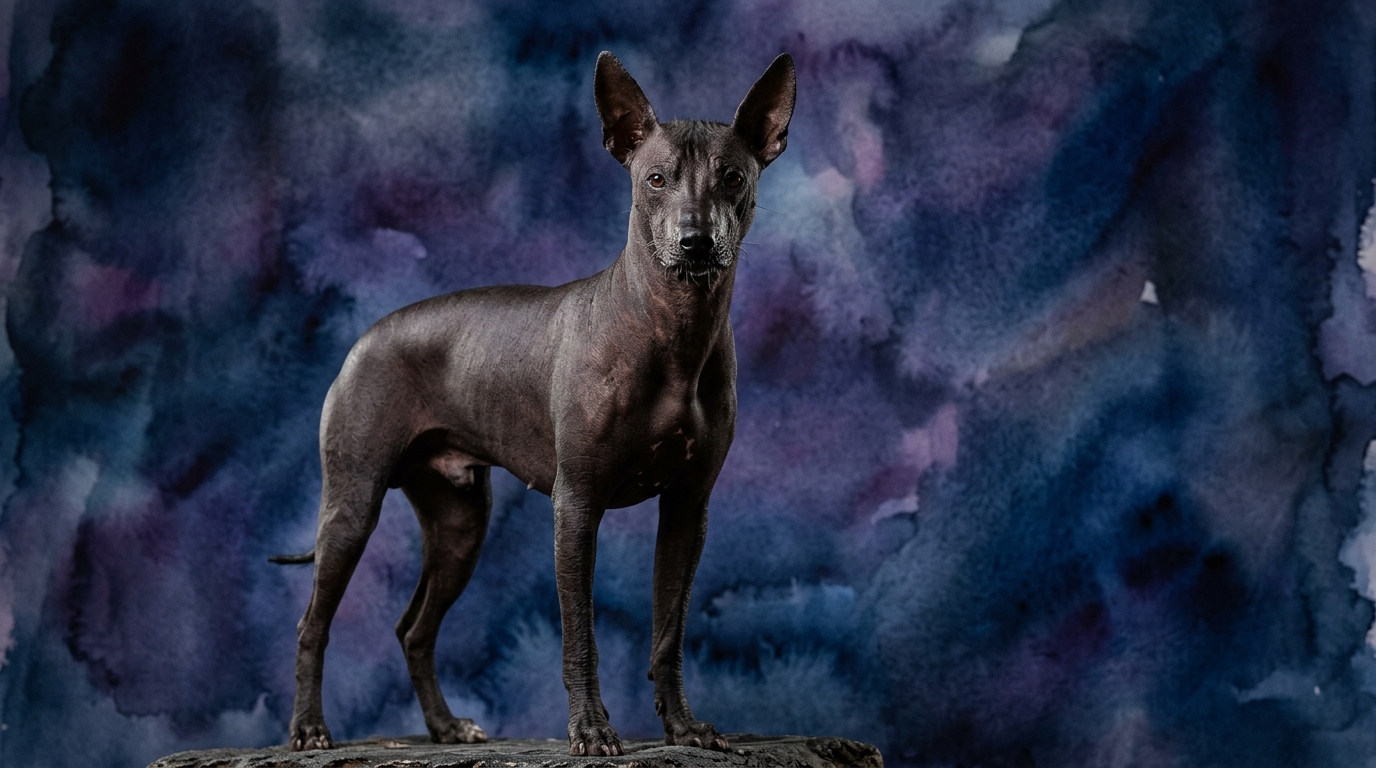
The **Xoloitzcuintli**, with the same '3/5' scores, expresses these cognitive traits through a different lens. Their '3/5' Problem Solving often manifests in understanding complex household routines, anticipating human actions, or finding comfortable, warm spots. It's less about overcoming physical barriers and more about navigating social and environmental comfort strategically. A '3/5' Training Speed for a Xolo is influenced by their sensitivity and deep bond with their primary caretaker; they learn quickly through positive reinforcement and trust, but can be resistant to harsh methods or unfamiliar trainers. Their Social Intelligence, also '3/5', is often expressed as profound loyalty and an almost empathic understanding of their family's moods, making them highly attuned companions, though sometimes aloof with strangers. An Instinctive Drive of '3/5' for a Xolo is typically geared towards guarding their home and family, and a strong desire for physical closeness and warmth, rather than overt prey drive. Their '3/5' Memory allows them to recall routines, people, and past interactions with remarkable accuracy, contributing to their consistent companion nature.
Where the Glen of Imaal Terrier Excels Cognitively
While their numerical scores are identical, the Glen of Imaal Terrier's cognitive strengths lean into their tenacious, independent working spirit. Their Problem Solving, rated 3/5, is particularly robust when it comes to hands-on, physical challenges. Imagine a Glen faced with a puzzle toy designed to simulate finding prey; their persistence, rooted in centuries of digging and finding quarry, means they will methodically work through the challenge, using their paws, nose, and teeth until a solution is found. This isn't about elegant, quick solutions, but rather a relentless, focused application of effort.
Their Instinctive Drive (3/5) perfectly complements this problem-solving style. It’s a powerful, self-directed impulse that fuels their persistence. A Glen's memory (3/5) for locations, scents, and successful strategies for overcoming barriers is a significant asset here. They remember which routes led to success, which digging spots yielded interesting smells, or which methods worked to extract a treat from a dispenser. This combination allows them to operate with a high degree of self-sufficiency, making decisions and executing plans without constant human direction, a trait invaluable in their original role.
Where the Xoloitzcuintli Excels Cognitively
The Xoloitzcuintli's cognitive strengths, despite identical scores, lie in their nuanced social awareness and sensitivity, reflecting their ancient role as companions and guardians. Their Social Intelligence (3/5) manifests as a deep attunement to their human family's emotional states and routines. A Xolo might anticipate a family member's return home based on subtle changes in the environment or time of day, or offer comfort when sensing distress. This isn't just about reading body language; it's about forming profound, almost intuitive, bonds.
Their Problem Solving (3/5) often manifests in understanding complex human environments and social cues. They excel at figuring out how to gain access to a favorite blanket, navigate household dynamics to secure the best sunbeam spot, or subtly 'herd' their humans towards a desired activity, like a walk. This is a more 'social' or 'comfort-oriented' form of problem-solving compared to the Glen's physical tenacity. Their Memory (3/5) is excellent for remembering specific human habits, preferred sleeping spots, and the nuances of family interactions, which further enhances their ability to integrate seamlessly and intimately into a household.
Which Is Easier to Train and Why?
When considering ease of training, both breeds present unique challenges that stem from their intrinsic natures, even with identical 3/5 Training Speed scores. The **Glen of Imaal Terrier** is often described as independent and possessing a strong will. While they are certainly capable of learning commands quickly, their innate terrier drive means they are not always inclined to obey if they perceive a more interesting or pressing task at hand, such as investigating a scent or digging. Their problem-solving ability, while a strength, can also be a hurdle in training; they are adept at figuring out how to circumvent rules or find alternative solutions to avoid an undesirable command. Training a Glen requires patience, creativity, and convincing them that compliance is more rewarding than pursuing their own agenda. They respond best to engaging, varied sessions that appeal to their working drive, rather than repetitive drills.
The **Xoloitzcuintli**, despite the same 3/5 Training Speed, approaches learning from a different perspective. They are sensitive dogs that thrive on consistency and positive reinforcement within a trusted relationship. Their social intelligence means they are highly attuned to their owner's emotions and desires, which can make them eager to please their primary caretaker. However, their sensitivity also means they can shut down if training methods are harsh or inconsistent. They can also be aloof with strangers, which can make group training classes challenging unless they are comfortable with the environment and the instructor. Their strong attachment to their family means they learn best when their human is actively involved, making the training process a bonding experience rather than a strict lesson. While they may not have the stubborn 'what's in it for me' attitude of a terrier, their initial shyness and sensitivity can require a gentler, more patient approach to build confidence and trust in new situations.
Which Suits Active Owners vs. Relaxed Owners?
The distinction between active and relaxed ownership is nuanced for both breeds, despite their shared IQ metrics. The **Glen of Imaal Terrier**, though low to the ground, is a working terrier with a substantial need for mental and physical engagement. Their 3/5 Instinctive Drive means they require outlets for digging, scent work, and problem-solving. An active owner for a Glen doesn't necessarily mean a marathon runner, but rather someone who enjoys engaging their dog in activities like earthdog trials, obedience, agility, or long, varied walks that allow for exploration and sniffing. They thrive with owners who appreciate an independent spirit and are willing to channel that energy into constructive activities, preventing boredom-driven behaviors. They are not 'couch potatoes' by nature, even if they enjoy a good nap after a stimulating session.
The **Xoloitzcuintli** can appear more adaptable to a relaxed lifestyle, often described as 'lounge lizards' indoors, enjoying warmth and proximity to their family. However, their primitive nature and sighthound-like build mean they still require regular, vigorous exercise. A Xolo needs daily opportunities for running, brisk walks, or secure off-leash play to burn off energy. Their 3/5 Social Intelligence means they deeply value companionship, making them suitable for relaxed owners who are present and enjoy quiet evenings, but who also prioritize consistent, structured outdoor activity. They are not typically suited for solitary confinement or owners who cannot commit to their physical needs. So, while they might appear more 'relaxed' in their demeanor indoors, their underlying physiological and social needs demand an owner who is both present and committed to their exercise.
The Verdict: When to Choose Each Breed
Deciding between a Glen of Imaal Terrier and a Xoloitzcuintli ultimately comes down to an owner's lifestyle, expectations, and what type of canine partnership they envision. Both breeds offer unique rewards, despite their identical IQ scores, which manifest in distinct behavioral patterns.
Choose the **Glen of Imaal Terrier** if you are an owner who appreciates an independent, tenacious partner with a strong will and a penchant for hands-on problem-solving. You should be prepared to engage their instinctive drives through structured activities like earthdog, agility, or extensive scent work, and find satisfaction in a dog that thinks for itself while still being a loyal family member. They thrive with owners who enjoy a spirited, resilient companion who isn't afraid to get dirty and approach challenges with unwavering determination.
Opt for the **Xoloitzcuintli** if you seek a deeply loyal, sensitive companion who thrives on close family bonds and offers an almost intuitive understanding of human emotions. You should be prepared to provide consistent, gentle training, meet their need for vigorous daily exercise, and appreciate a dog that is both a calm, affectionate presence indoors and an energetic explorer outdoors. They are ideal for owners who value a unique, ancient breed whose social intelligence and protective instincts make them devoted, albeit sometimes reserved, family members.
The Verdict
Choose the Glen of Imaal Terrier if you appreciate an independent, tenacious partner for engaging in problem-solving activities, earthdog sports, or a dog that thinks for itself and thrives on physical and mental challenges.
Choose the Xoloitzcuintli if you seek a deeply loyal, sensitive companion who thrives on close family bonds, enjoys both quiet companionship and energetic bursts of play, and appreciates a dog with an almost empathic understanding of family dynamics.
🧠 Find Your Pet's IQ Score
Our Pet IQ Lab assessment covers 25+ tests across 5 cognitive dimensions — personalized to your breed.
Take the Full IQ Test →Frequently Asked Questions
Are Glen of Imaal Terriers difficult to train?
Glen of Imaal Terriers are not necessarily difficult to train, but their strong independence and instinctive drives mean they learn best with engaging, varied sessions that appeal to their working nature. Consistency and positive reinforcement are key, as they need to be convinced that compliance is more rewarding than their own pursuits.
Do Xoloitzcuintli dogs get along with strangers?
Xoloitzcuintli dogs are known for their profound loyalty to their family but can be reserved or aloof with strangers. Early socialization is crucial to help them develop confidence and comfort in new situations, though they may always prefer the company of their trusted inner circle.
Which breed is better for apartment living?
Both breeds can adapt to apartment living if their exercise and mental stimulation needs are met. The Xoloitzcuintli might appear more suited due to their 'lounge lizard' tendencies indoors, but still requires vigorous daily exercise. The Glen, despite its size, needs significant mental and physical engagement to prevent boredom-driven behaviors, making consistent outdoor activity vital for both.