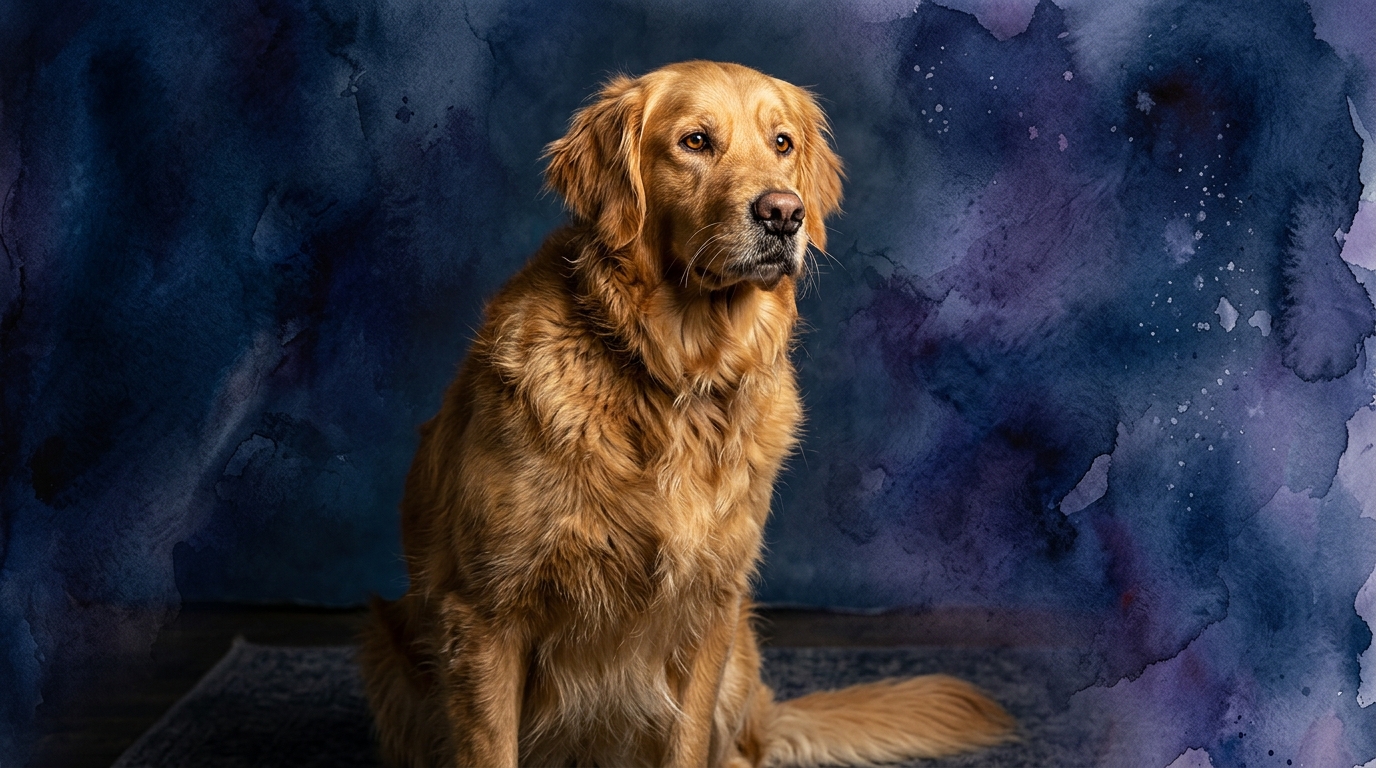
Side-by-Side IQ Profile: Golden Retriever
The Golden Retriever, ranking #4 on the Coren scale, presents a cognitive profile optimized for cooperative partnership. Their problem-solving ability (4/5) enables them to navigate complex tasks like scent work or multi-step retrievals with ease. A remarkable training speed (5/5) means they rapidly grasp new commands and routines, eager to comply. Their social intelligence (5/5) is exceptionally high, allowing them to keenly interpret human emotions and cues, fostering deep bonds. An instinctive drive (4/5) for retrieving and carrying objects, coupled with a solid memory (4/5) for learned behaviors and familiar faces, rounds out their adaptable intellect.
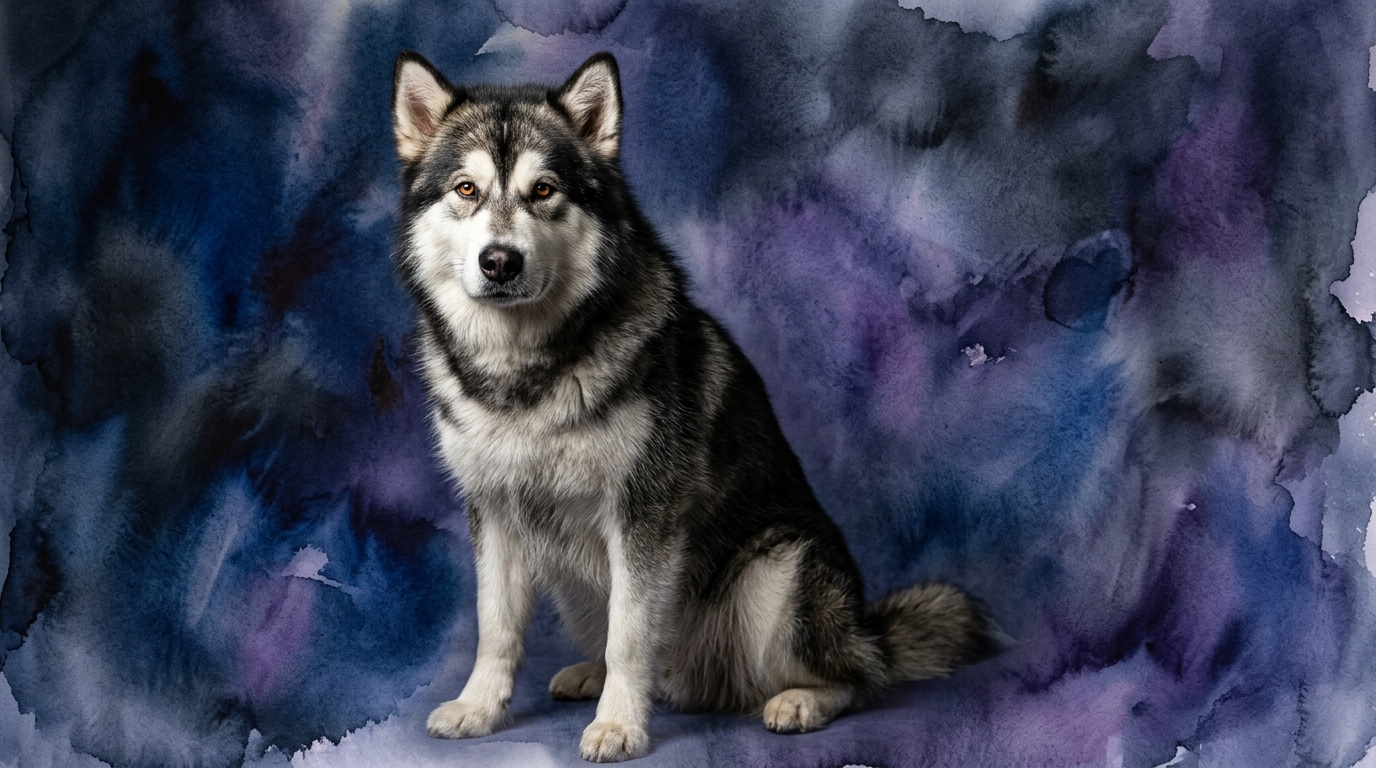
Side-by-Side IQ Profile: Alaskan Malamute
In contrast, the Alaskan Malamute, with a Coren rank of #50, exhibits an intelligence shaped by its demanding working heritage. Their problem-solving capacity (4/5) shines in independent situations, such as navigating challenging terrain or figuring out how to achieve self-directed goals. However, their training speed (2/5) is notably slower, reflecting a powerful independent streak and a tendency to question commands. Social intelligence (3/5) is present but often manifests as understanding pack dynamics rather than an eager desire to please. A dominant instinctive drive (5/5) for endurance, pulling, and self-preservation, combined with a strong memory (4/5) for experiences and routines, defines their resilient cognitive makeup.
Where the Golden Retriever Wins Cognitively
The Golden Retriever's cognitive strengths distinctly outshine the Malamute's in domains demanding rapid assimilation of information and profound social connection. Their exceptional training speed (5/5) allows them to internalize new commands and complex sequences of actions with minimal repetition, making them highly adaptable to diverse roles from obedience competition to assistance work. This rapid learning is synergistically amplified by their superior social intelligence (5/5), which enables them to accurately read human intentions, emotions, and subtle body language, fostering an almost intuitive understanding between dog and handler. This combination results in a dog that not only learns quickly but also genuinely desires to cooperate and maintain harmony within its human pack, making them remarkably responsive and easy to direct.
Where the Alaskan Malamute Wins Cognitively
Conversely, the Alaskan Malamute demonstrates cognitive superiority in areas requiring robust independence and an unwavering drive to overcome physical challenges. Their unparalleled instinctive drive (5/5) for endurance, pulling, and navigating arduous environments is a testament to their heritage, allowing them to perform sustained, arduous work that few breeds can match. This drive fuels their problem-solving abilities (4/5), which are often self-directed and highly resourceful; a Malamute will cleverly assess an obstacle, like a fence or a puzzle toy, and devise a solution based on its own internal motivations rather than waiting for human instruction. This powerful blend of instinct and independent thought makes them exceptional at tasks requiring self-reliance, resilience, and the ability to make sound judgments in challenging, unsupervised situations, where a Golden Retriever might rely more on human guidance.
Which Is Easier to Train, and Why?
Without question, the Golden Retriever is significantly easier to train, a difference largely attributable to their divergent training speed scores and underlying motivations. With a training speed of 5/5, Golden Retrievers eagerly absorb new commands, forming strong associations between actions and desired outcomes almost instantly. Their desire to please their handler and their high social intelligence make them inherently cooperative, thriving on positive reinforcement and clear communication. In stark contrast, the Alaskan Malamute's training speed of 2/5 reflects their deeply ingrained independence and self-willed nature. They learn, but often on their own terms and at their own pace, requiring immense patience, consistency, and a deep understanding of their motivations. While a Golden Retriever might instinctively retrieve a dropped item, a Malamute might observe, then decide if retrieving it aligns with their current interest, or perhaps even decide to keep it. This behavioral difference is crucial: one actively seeks handler direction, the other evaluates it.
Which Suits Active Owners vs. Relaxed Owners
The choice between these breeds heavily depends on an owner's lifestyle and capacity for engagement. Alaskan Malamutes are unequivocally suited for highly active owners who can meet their immense physical and mental demands, driven by their 5/5 instinctive drive for exertion and independent problem-solving. These owners must be prepared for long daily excursions, potentially activities like sledding or competitive weight pulling, and consistent mental challenges to prevent boredom and destructive behaviors. Conversely, while Golden Retrievers also benefit from activity, their 5/5 social intelligence and 5/5 training speed make them more adaptable to varied family dynamics. They thrive with owners who enjoy interactive play, consistent training, and integrating their dog into daily life, offering companionship and mental stimulation through shared activities and social engagement. A truly 'relaxed' owner who offers minimal interaction would struggle with either breed, but the Golden Retriever would fare better in a moderately active household compared to the Malamute's intense requirements.
The Verdict
Choose a Golden Retriever if you prioritize a highly cooperative companion eager to learn, deeply attuned to your social cues, and capable of adapting seamlessly into a structured family life. Their rapid training speed and strong social intelligence make them ideal for roles requiring close partnership and responsiveness.
Opt for an Alaskan Malamute if you are an experienced owner prepared for an independent, robust working dog with a powerful drive for endurance and problem-solving, thriving on challenging physical and mental engagement. They are best suited for those who appreciate a resourceful, self-reliant canine partner.
🧠 Find Your Pet's IQ Score
Our Pet IQ Lab assessment covers 25+ tests across 5 cognitive dimensions — personalized to your breed.
Take the Full IQ Test →Frequently Asked Questions
Is a Golden Retriever or an Alaskan Malamute better for a first-time dog owner?
A Golden Retriever is generally a better choice for first-time owners due to their high trainability and eagerness to please, making the learning process for both dog and owner smoother and more rewarding. Alaskan Malamutes, with their independent nature and strong will, require more experience, consistency, and a deep understanding of primitive dog behavior from their handlers.
Do Alaskan Malamutes really have lower intelligence than Golden Retrievers?
The Coren rank and training speed reflect differences in *obedience intelligence* or willingness to comply with human commands, not overall cognitive capacity. Malamutes possess formidable problem-solving skills and instinctive drives crucial for their original working roles, which manifest as independent thought and resourcefulness rather than an eager desire to please, making their intelligence expressed differently.
How do the breeds' memory scores impact their daily lives?
Both breeds score 4/5 for memory, indicating good retention for learned behaviors, routines, and experiences. This means both will remember commands and household rules, but a Malamute might remember a perceived unfair correction or a successful escape attempt just as well as a positive training outcome, influencing future cooperation, while a Golden Retriever's memory more consistently reinforces their desire to please.