Side-by-Side IQ Profile: Golden Retriever vs. Great Pyrenees
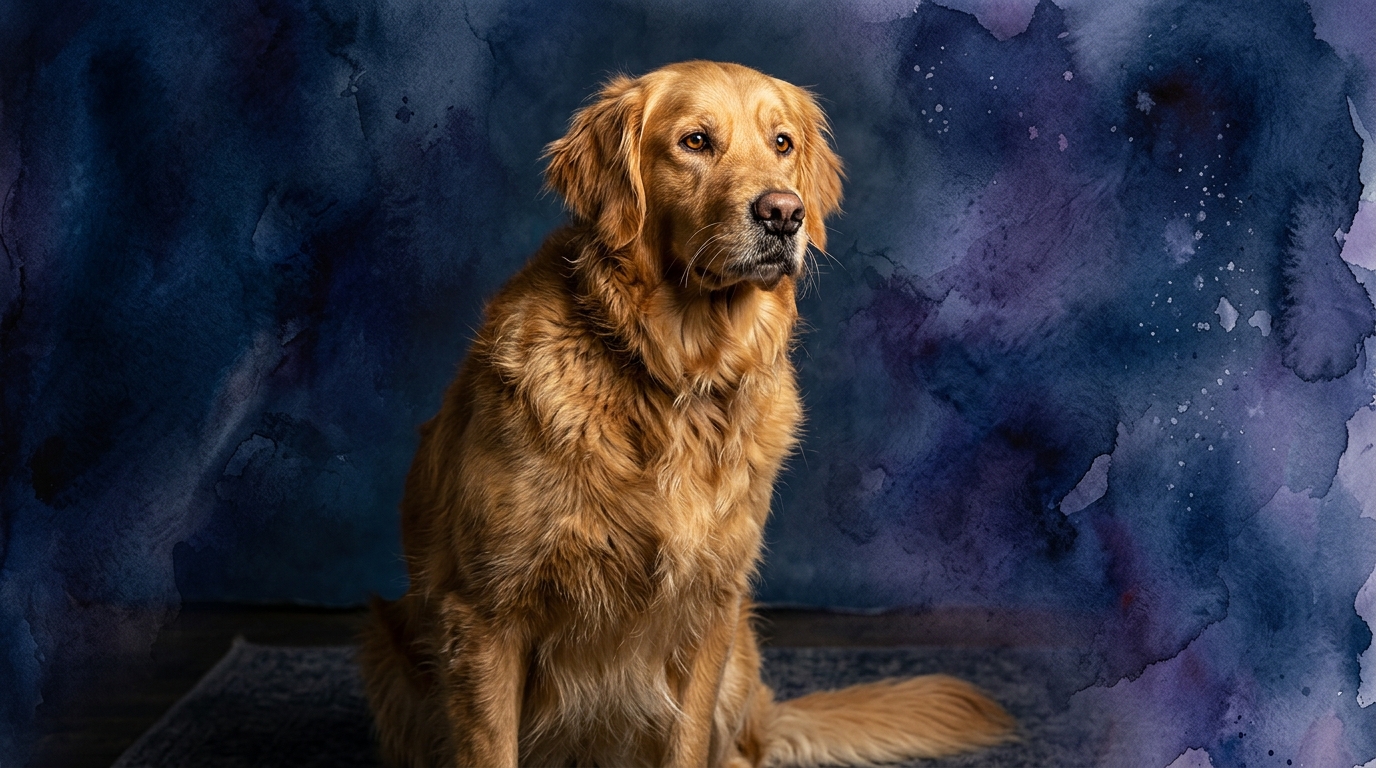
**Golden Retriever (Sporting Group)**: Ranked #4 by Coren, this breed demonstrates exceptional working and obedience intelligence. Their Problem Solving is rated 4/5, indicating a strong ability to navigate novel situations and figure out solutions, often by applying learned concepts. Training Speed is a perfect 5/5, showcasing outstanding capacity for rapid acquisition of new commands and routines, eager to please and highly responsive. Social Intelligence, also 5/5, means they possess a profound understanding of human cues, emotions, and social structures, making them highly attuned companions. Their Instinctive Drive is 4/5, exhibiting strong natural predispositions for retrieving, carrying, and collaborative work, stemming from their gundog heritage. Memory is 4/5, displaying robust recall for learned behaviors, commands, and familiar people or places, retaining information effectively.
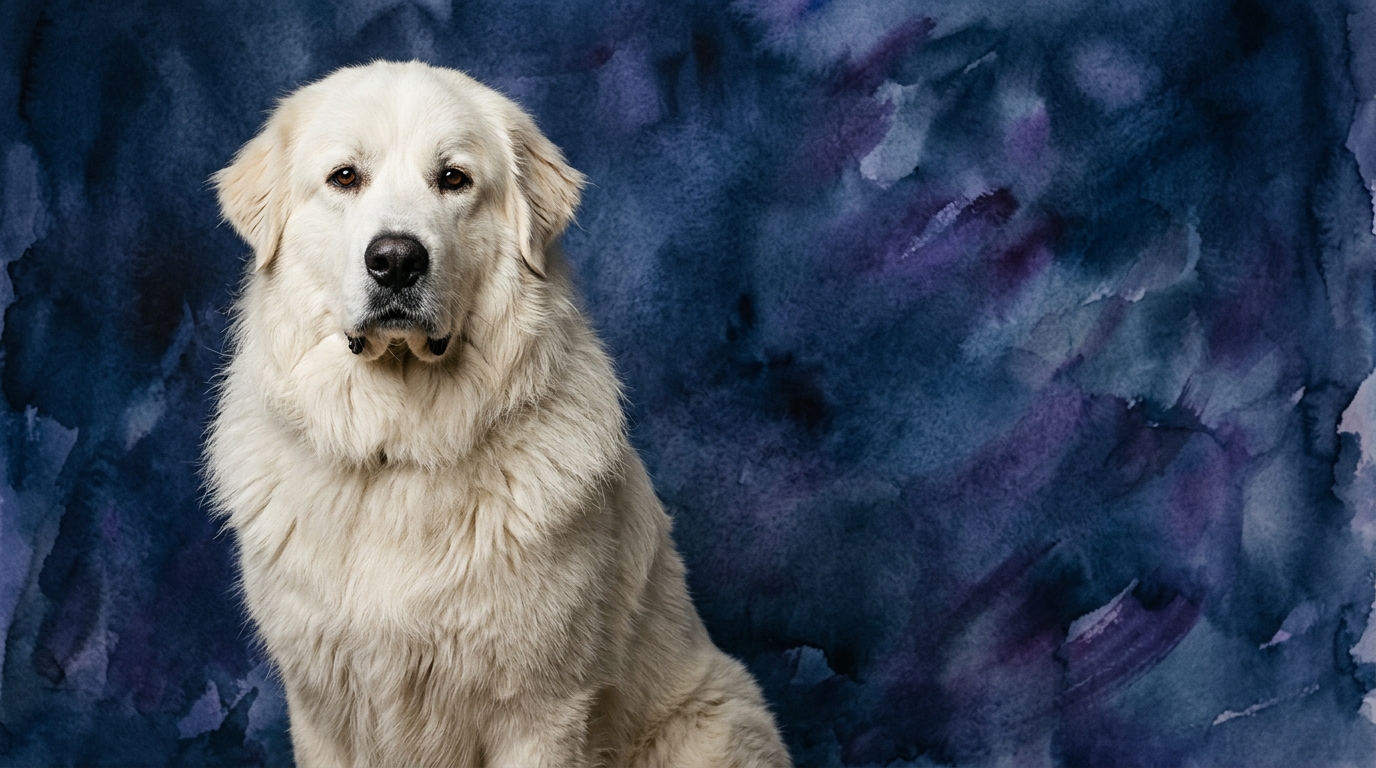
**Great Pyrenees (Working Group)**: Ranked #64 by Coren, placing them in the category of fair working and obedience intelligence, suggesting a different approach to learning. Their Problem Solving is 3/5, showing a moderate ability to solve problems, often preferring independent decision-making based on guardian instincts rather than seeking human guidance. Training Speed is 3/5, indicating a more deliberate pace in learning new commands, requiring repetition and motivation aligned with their inherent purpose. Social Intelligence is 3/5, meaning they possess a functional understanding of social cues, particularly within their "flock," but are less overtly concerned with human approval. Their Instinctive Drive is 3/5, primarily focused on ancient guarding instincts, including surveying territory and protecting charges. Memory is 3/5, exhibiting reliable recall for territory, routines, and the individuals they protect, serving their guardian role effectively.
Where the Golden Retriever Wins Cognitively
The Golden Retriever's cognitive strengths distinctly shine in areas demanding collaborative problem-solving and rapid information assimilation. Their 4/5 problem-solving means they adeptly process novel situations, often looking to human partners for cues. With a perfect 5/5 in training speed, Goldens absorb commands remarkably swiftly, making them exceptionally trainable for complex tasks like service work or competitive obedience. Their 5/5 social intelligence allows them to deeply interpret human emotions and intentions, fostering a profound bond and enabling anticipation of needs, a trait less pronounced in a breed bred for solitary vigilance. Their 4/5 instinctive drive is channeled towards cooperative tasks like retrieving, demonstrating a focused purpose easily directed by human partnership. This suite of abilities makes the Golden Retriever an exceptional student and an intuitive partner.
Where the Great Pyrenees Wins Cognitively
The Great Pyrenees demonstrates a unique set of cognitive strengths rooted in its independent guardian heritage. Their 3/5 problem-solving is applied differently: autonomous assessment and decision-making in the field, often without human input. They excel at analyzing environmental threats and taking appropriate action to protect their flock, a complex cognitive task demanding situational awareness and self-reliance. Their 3/5 instinctive drive overwhelmingly focuses on protection, leading to an innate understanding of territory and potential dangers. Their memory, also 3/5, is highly efficient at retaining information crucial to their guarding role, such as territory layout and family members. The Pyrenees' social intelligence, while 3/5, is highly specialized, allowing strong, protective bonds and discerning friend from foe with quiet, watchful discernment. Their cognitive profile is a testament to functional, independent intelligence.
Training Aptitude: Which is Easier and Why?
The Golden Retriever is undeniably easier to train due to several key cognitive factors. Their 5/5 training speed signifies an eagerness to learn and a quick grasp of new concepts, coupled with a strong desire to please human companions. This intrinsic motivation makes them highly responsive to positive reinforcement. Goldens also possess 5/5 social intelligence, meaning they are acutely attuned to human cues, allowing them to interpret instructions with greater clarity. Their 4/5 problem-solving skills help them figure out what is being asked. In contrast, the Great Pyrenees, with 3/5 training speed and social intelligence, approaches training with an independent mindset. Bred for autonomous decisions, they may question command necessity if it doesn't align with their guardian instincts. This translates to a slower learning curve and a need for immense patience, consistency, and understanding of their unique breed psychology. They are less driven by human approval.
Matching Lifestyles: Active Owners vs. Relaxed Owners
For active owners seeking a canine partner for adventures, sports, or consistent engagement, the Golden Retriever is the natural fit. Their 4/5 instinctive drive for cooperative work, coupled with high energy levels, makes them ideal for hiking, running, or dog sports. They thrive on having a "job" and appreciate regular mental and physical stimulation. Conversely, the Great Pyrenees suits more relaxed owners who appreciate a calm, watchful presence. While requiring regular, moderate exercise, their energy expenditure is often found in patrolling or observing, not high-intensity activities. Owners who enjoy quiet companionship, a strong sense of protection, and a dog valuing independence over constant human-directed activity will find a rewarding relationship. Their 3/5 instinctive drive is geared towards vigilance, not endless games of fetch.
The Verdict
Choose a Golden Retriever if you desire a highly trainable, eager-to-please companion deeply attuned to human interaction, ready for collaborative activities and a strong bond.
Opt for a Great Pyrenees if you value an independent, watchful guardian with a quiet dignity, comfortable making its own decisions and providing a calm, protective presence without constant instruction.
🧠 Find Your Pet's IQ Score
Our Pet IQ Lab assessment covers 25+ tests across 5 cognitive dimensions — personalized to your breed.
Take the Full IQ Test →Frequently Asked Questions
Are Golden Retrievers good at learning tricks?
Yes, Golden Retrievers excel at learning tricks due to their 5/5 training speed and 4/5 problem-solving abilities. Their strong desire to please and high social intelligence make them quick studies for a wide variety of complex behaviors and commands.
How does the Great Pyrenees' guarding instinct affect its behavior?
The Great Pyrenees' 3/5 instinctive drive for guarding means they are naturally watchful, territorial, and protective of their family or perceived "flock." This can manifest as barking at strangers and patrolling boundaries, requiring early socialization and consistent boundaries.
Can a Great Pyrenees be trained for obedience?
While a Great Pyrenees can be trained for obedience, it requires significant patience and understanding due to their 3/5 training speed and independent nature. They respond best to positive reinforcement and commands that align with their practical, guardian mindset.