Side-by-Side IQ Profile: Golden Retriever vs. Irish Wolfhound
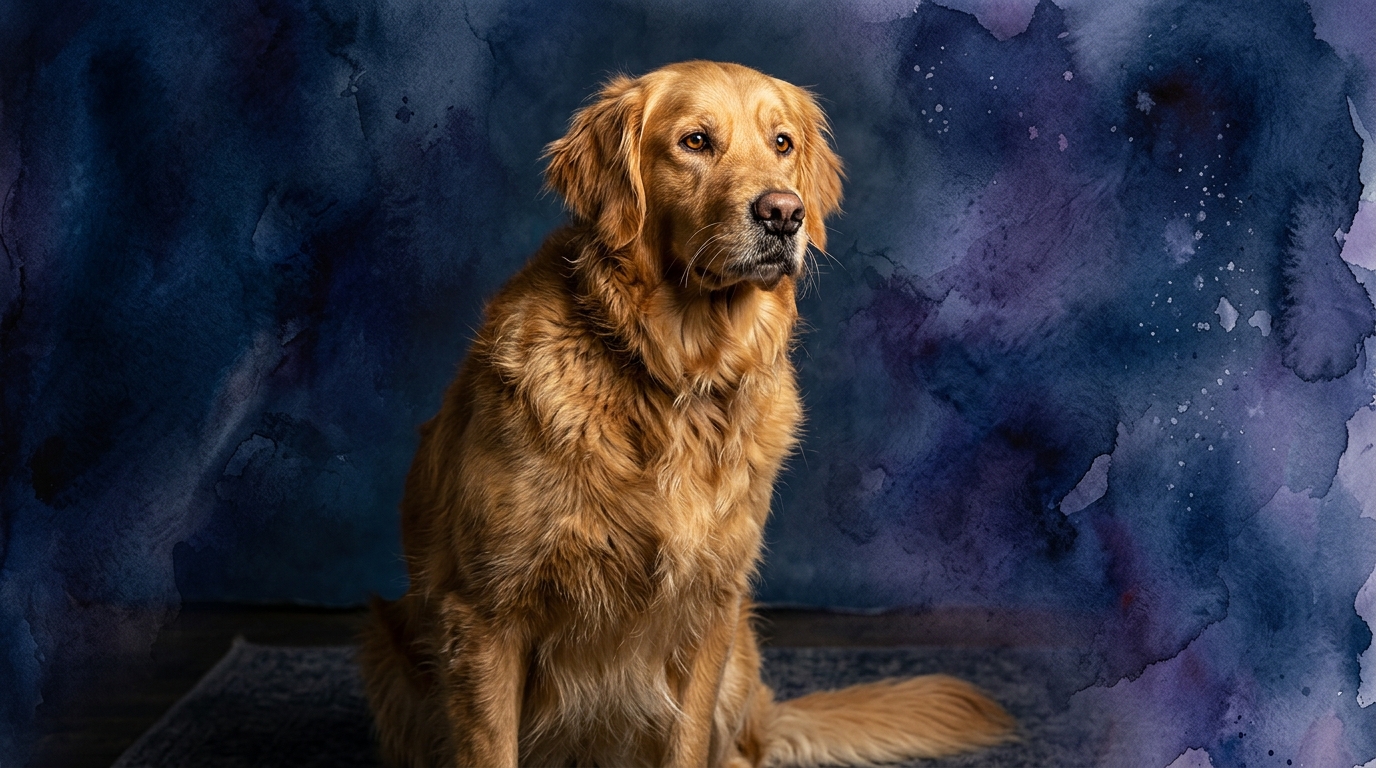
The Cosmic Pet Pet IQ Lab assesses canine intelligence across five critical dimensions, revealing distinct cognitive blueprints for each breed. For the Golden Retriever, ranked #4 by Coren, their profile reflects a strong aptitude for cooperative learning and social engagement. Their Problem Solving score of 4/5 indicates an ability to navigate moderately complex tasks, such as figuring out how to retrieve a toy from an enclosed space or manipulating latches. An impressive Training Speed of 5/5 highlights their eagerness to learn and retain commands rapidly, making them exceptionally responsive to instruction. Social Intelligence, also at 5/5, underscores their deep capacity to read human cues and emotions, fostering strong communicative bonds. Their Instinctive Drive of 4/5 is primarily geared towards retrieving and working alongside people, while a Memory score of 4/5 ensures consistent recall of training and routines.
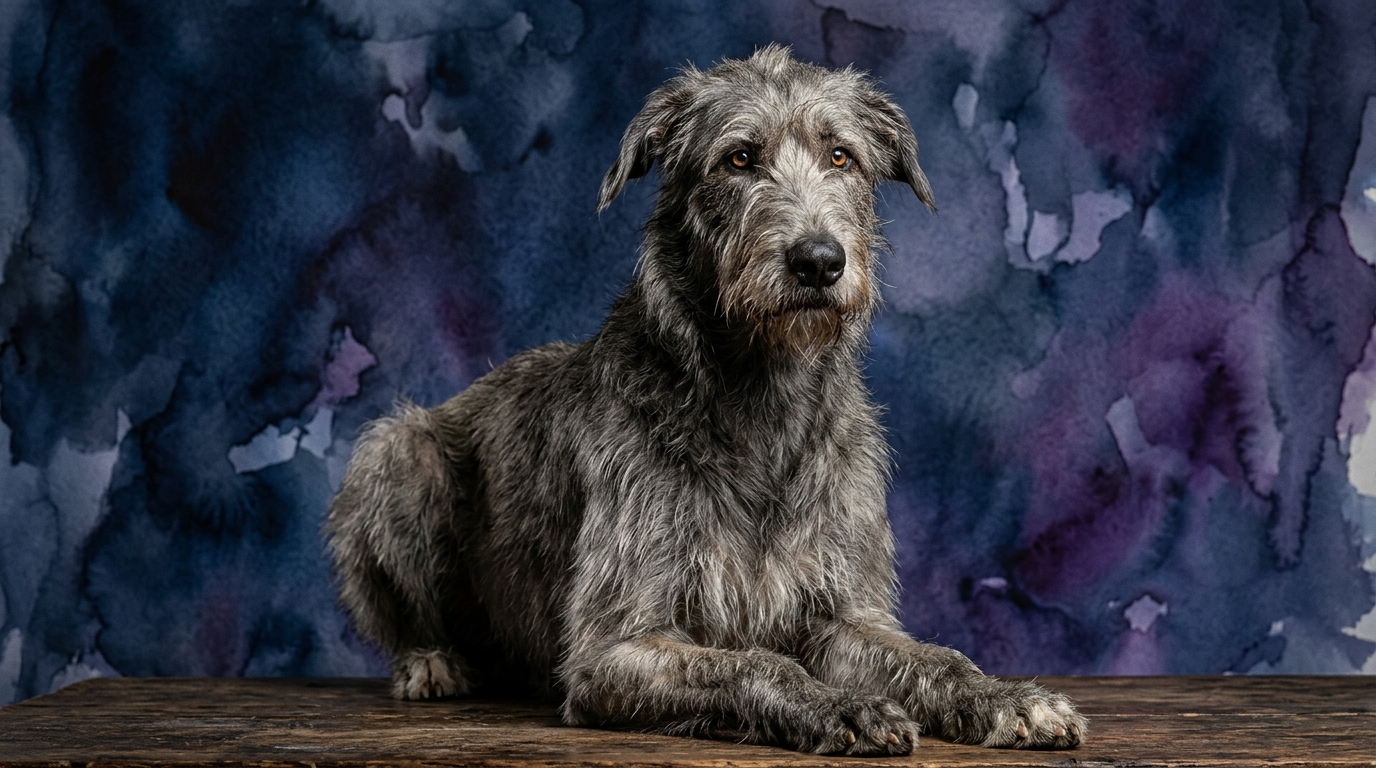
The Irish Wolfhound, a distinguished member of the Hound group, presents a different cognitive emphasis. With a Problem Solving score of 3/5, they are capable of finding solutions to direct challenges but may not exhibit the same innovative approach as more intensely driven working breeds. Their Training Speed, rated at 3/5, suggests they learn at a more deliberate pace, often requiring more repetition and patient, engaging methods to solidify commands. A Social Intelligence score of 3/5 indicates they form profound bonds with their immediate family but might be more reserved or less overtly expressive in broader social settings. Their Instinctive Drive, also 3/5, is rooted in their sighthound heritage, primarily focused on visual tracking and pursuit, rather than cooperative tasks. Finally, their Memory score of 3/5 allows them to retain essential information and routines, though complex sequences might require more consistent reinforcement over time.
Where the Golden Retriever Excels Cognitively
The Golden Retriever's cognitive strengths lie profoundly in their capacity for cooperative intelligence and adaptability, reflected in their high Coren ranking. Their superior Training Speed (5/5) and Social Intelligence (5/5) make them exceptionally proficient at understanding and executing human directives. This isn't just about obedience; it's about a deep desire to engage and perform tasks with their human companions. They excel in scenarios requiring nuanced communication, such as service work, therapy roles, or complex obedience trials, where interpreting subtle body language and vocal cues is paramount. Their problem-solving often manifests in 'how can I achieve this task for you?' rather than purely self-serving endeavors, making them invaluable partners in various activities. This collective cognitive profile ensures they are not only quick to learn but also eager to apply their knowledge in a shared context, thriving on purposeful interaction and positive feedback.
Where the Irish Wolfhound Exhibits Unique Cognitive Strengths
While not measured by traditional 'working' intelligence metrics like the Golden Retriever, the Irish Wolfhound possesses a distinct set of cognitive strengths rooted in their independent sighthound heritage. Their cognitive prowess shines in their observational acuity and situational awareness. They excel at processing visual stimuli rapidly, allowing them to detect and react to distant movements with remarkable precision – a trait honed for spotting game. Their Problem Solving (3/5), though not as high as a Golden's, often involves independent decision-making in their environment, rather than seeking human guidance for every challenge. They possess a calm, thoughtful presence, processing information at their own pace, which can translate into a quiet confidence and a less reactive disposition in novel situations. This independent thought process and keen sensory perception represent a different, yet equally valid, form of canine intelligence, prioritizing self-reliance and environmental awareness.
Training Dynamics: Ease and Approach
When it comes to trainability, the Golden Retriever presents a significantly easier experience for most owners. Their 5/5 Training Speed is coupled with an inherent desire to please and a high social intelligence, meaning they actively seek to understand and comply with commands. They thrive on positive reinforcement, quickly associating actions with rewards and handler approval. This makes them highly adaptable to various training methodologies, from basic obedience to complex agility or scent work, consistently demonstrating a willingness to engage and learn new skills. Their retrieving drive can also be easily channeled into structured training, making 'fetch' a foundation for more advanced tasks.
The Irish Wolfhound, with a 3/5 Training Speed, requires a different approach. Their sighthound independence means they are less inherently driven by human approval for every action and may question the necessity of repetitive tasks. Training must be consistent, patient, and, crucially, engaging to maintain their interest. They respond best to methods that are fair, clear, and avoid harsh corrections, which can make them shut down. Owners might find that while they understand commands, their execution can be more deliberate or even optional if they don't perceive a compelling reason. Their focus on visual stimuli means distractions in training environments need careful management, and sessions should be kept relatively short and varied to prevent boredom.
Matching Breeds to Owner Lifestyles
The cognitive and temperamental differences between these two breeds mean they are suited for distinct owner lifestyles. The Golden Retriever is an ideal companion for active owners who relish structured engagement. Their high cognitive drive demands regular mental stimulation alongside physical exercise, making them perfect for families who enjoy activities like long hikes, running, organized dog sports such as agility or obedience, and even field work. They thrive when given a 'job' and genuinely enjoy interactive play and learning sessions, flourishing in environments where their intelligence and cooperative nature are consistently challenged and rewarded. An owner who enjoys teaching new tricks or participating in dog sports will find a Golden Retriever to be an enthusiastic and capable partner.
Conversely, the Irish Wolfhound is better suited for owners who appreciate a more relaxed, yet consistent, companionship. While they require significant exercise, often in the form of powerful, short bursts of running, their daily life within the home is typically calm and serene. They are not constant demanders of interactive games or complex tasks, preferring to observe and be present with their family. An owner who enjoys quiet evenings, long walks, and understands the need for independent space will find the Irish Wolfhound to be a gentle, thoughtful companion. They need a home that respects their natural dignified demeanor and provides comfort without constant pressure for performance, valuing their calm presence over exuberant participation.
The Verdict: When to Choose Each Magnificent Breed
The Verdict
If you seek a highly cooperative, eager-to-please companion for active pursuits, family integration, and diverse training challenges, the Golden Retriever's adaptable cognitive profile will be a perfect match. They excel when given a purpose and thrive on shared activities and clear communication.
Opt for the Irish Wolfhound if you appreciate a calm, independent giant who offers quiet companionship, requires patient, engaging training, and thrives in a home that respects their thoughtful, sometimes reserved nature. Their unique blend of gentle presence and instinctual awareness makes them a distinctive family member.
🧠 Find Your Pet's IQ Score
Our Pet IQ Lab assessment covers 25+ tests across 5 cognitive dimensions — personalized to your breed.
Take the Full IQ Test →Frequently Asked Questions
Are Irish Wolfhounds difficult to train?
Irish Wolfhounds can be more challenging to train than some breeds due to their independent sighthound nature and lower training speed score. They require patient, consistent, and positive reinforcement methods, often needing more repetition and motivation to engage fully.
Do Golden Retrievers need a lot of mental stimulation?
Yes, Golden Retrievers absolutely thrive on mental stimulation alongside physical activity. Their high problem-solving and social intelligence scores mean they benefit greatly from training, puzzle toys, and interactive games to keep their minds engaged and prevent boredom.
Which breed is better with children?
Both breeds can be good with children, but in different ways. Golden Retrievers, with their high social intelligence and eagerness to please, are often more outwardly playful and tolerant of boisterous family life. Irish Wolfhounds, while gentle giants, tend to be calmer and more reserved, requiring children to respect their space due to their sheer size.