Side-by-Side IQ Profile: A Cognitive Snapshot
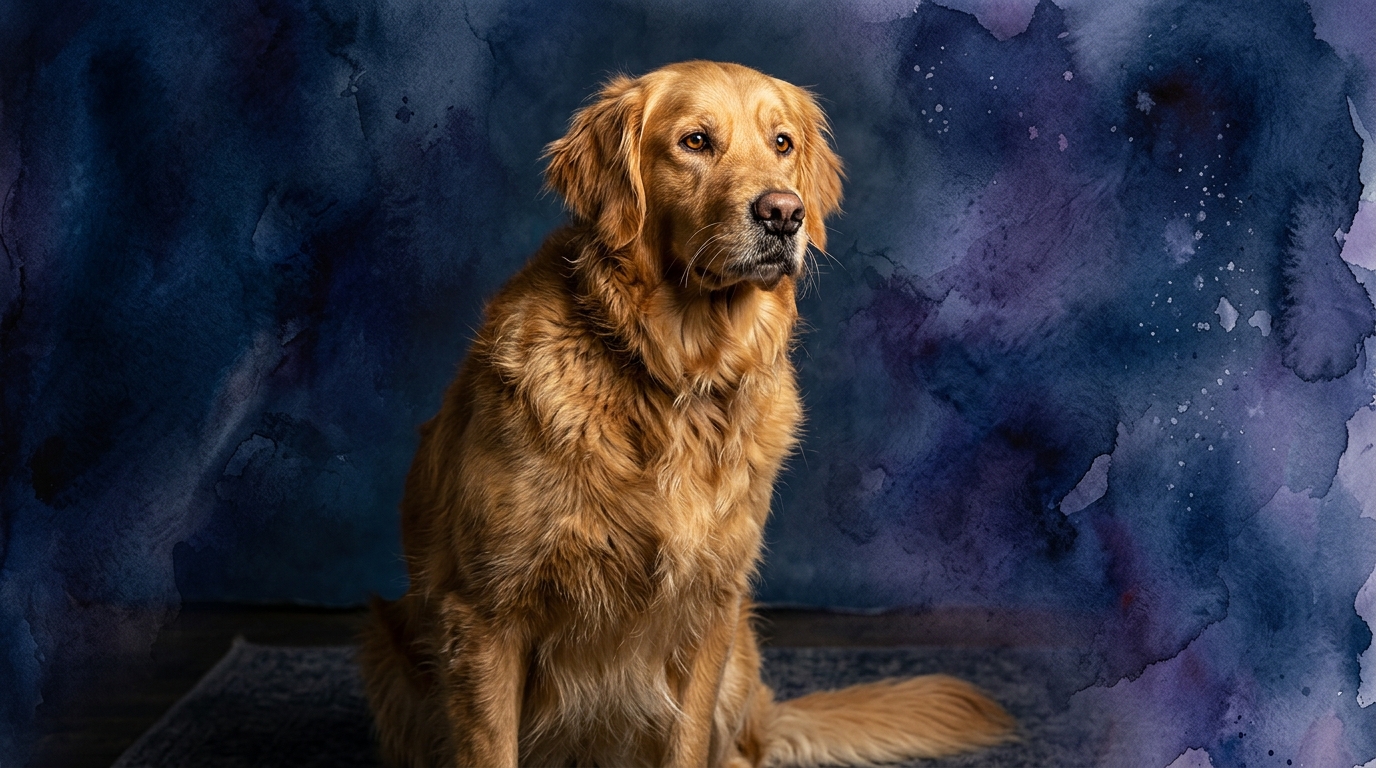
The Cosmic Pet Pet IQ Lab employs a multi-dimensional framework to assess canine intelligence, moving beyond simple obedience to encompass a broader spectrum of cognitive functions. For the Golden Retriever, a Sporting group dog with a Coren rank of #4, its profile paints a picture of robust and balanced intellect. Their Problem Solving ability is rated at 4/5, indicating a strong capacity to independently figure out novel situations, such as navigating complex scent trails or manipulating puzzle toys. Training Speed stands at an impressive 5/5, suggesting they grasp new commands and routines with remarkable alacrity, often requiring fewer repetitions than many other breeds. Social Intelligence, at 5/5, highlights their exceptional ability to interpret human cues, understand social hierarchies, and adapt their behavior within a family unit. Instinctive Drive, rated 4/5, reflects their strong natural urges for retrieving, swimming, and working alongside humans, which can be channeled into productive tasks. Finally, their Memory is solid at 4/5, enabling them to retain learned behaviors and recall specific locations or individuals over time.
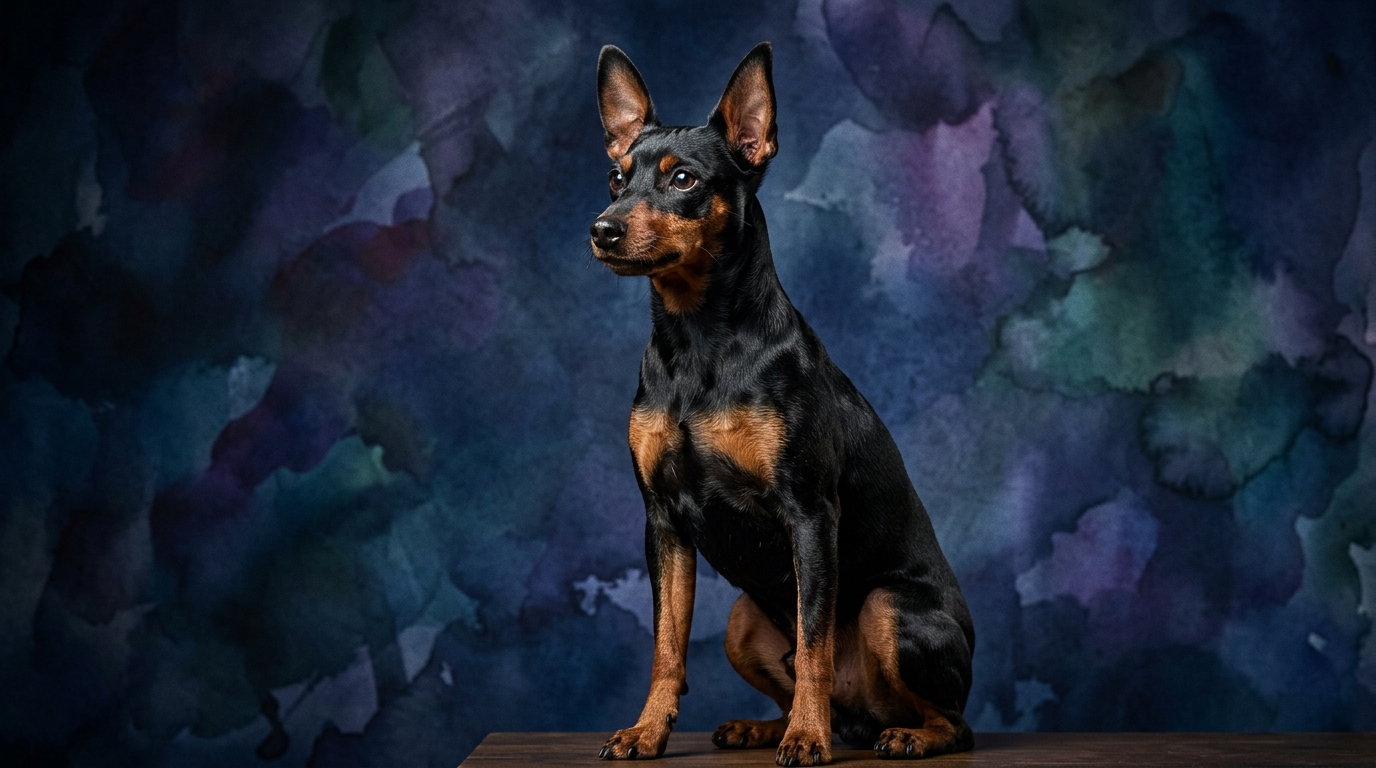
In contrast, the Miniature Pinscher, a spirited Toy group dog not included in Coren's top rankings, presents a different cognitive blueprint. Their Problem Solving scores 3/5, meaning they can resolve moderate challenges but might require more guidance or trial-and-error than their Golden counterparts. Training Speed is also rated 3/5, indicating they are trainable but may require more consistent, patient instruction and a more varied approach to maintain engagement. Social Intelligence, at 3/5, suggests they can understand social dynamics and human intentions, but might exhibit more independence or selective engagement compared to the Golden Retriever's eager-to-please nature. Their Instinctive Drive, also 3/5, leans towards alertness, territoriality, and a desire to chase small prey, rather than cooperative work. Memory, at 3/5, confirms they learn and retain information, though perhaps not with the same immediate recall or long-term precision as a Golden Retriever in complex scenarios.
Where the Golden Retriever Excels Cognitively
The Golden Retriever's cognitive prowess shines brightest in areas requiring collaboration, complex sequencing, and emotional attunement. Their 5/5 Social Intelligence means they are exceptionally adept at reading human body language, tone of voice, and even subtle shifts in mood, making them highly responsive companions and effective service animals. This translates into an intuitive understanding of household rules and a remarkable ability to comfort or engage with family members appropriately. Their superior Training Speed (5/5) allows them to quickly master intricate multi-step commands, such as those used in agility, obedience trials, or search and rescue operations, often requiring only a handful of repetitions before a behavior is cemented. Furthermore, their 4/5 Problem Solving, combined with a strong Instinctive Drive for tasks, equips them to independently navigate complex environments to retrieve specific items or follow extended scent trails, showcasing an impressive blend of analytical thinking and purposeful action. They are adept at learning routines and anticipating events, demonstrating a strong grasp of temporal sequencing in their daily lives.
Where the Miniature Pinscher Demonstrates Unique Strengths
While the Miniature Pinscher's IQ scores are generally lower than the Golden Retriever's, their cognitive profile reveals specific strengths tailored to their heritage and size. Their 3/5 Problem Solving often manifests as clever resourcefulness in navigating their environment, such as finding creative ways to access favored toys or observe their surroundings from elevated perches. This isn't about complex, multi-stage tasks, but rather efficient, immediate solutions to their personal objectives. Their Instinctive Drive, while rated 3/5, is particularly focused on alertness and vigilance. This translates into a keen awareness of their surroundings, making them excellent, albeit sometimes vocal, sentinels for the home. They possess a sharp, discerning memory (3/5) for specific people, places, and routines that matter to them, often remembering which family member is most likely to offer a treat or which neighbor offers a friendly scratch. Their Social Intelligence (3/5) allows them to form strong, often singular bonds, demonstrating a deep understanding of their chosen human's habits and preferences, even if they aren't as broadly people-pleasing as a Golden Retriever.
Training Dynamics: Ease and Engagement
When it comes to training, the differences between these two breeds are quite pronounced, largely stemming from their inherent cognitive profiles and motivations. The Golden Retriever, with its 5/5 Training Speed and 5/5 Social Intelligence, is generally much easier to train. Their strong desire to please, coupled with their ability to quickly understand and execute commands, means they respond well to positive reinforcement and consistent guidance. They thrive on collaborative tasks and are eager partners in learning, making them highly receptive to new cues and complex sequences. Real behavioral differences include their natural inclination to retrieve and their lower threshold for frustration during learning, making them persistent and adaptable students. They often enjoy the process of training itself, viewing it as a bonding activity.
The Miniature Pinscher, with its 3/5 Training Speed and 3/5 Social Intelligence, presents a different training experience. While certainly trainable, they require more patience, creativity, and consistency. Their independent streak and more selective social engagement mean they are less inherently driven to please a human and more motivated by their own immediate interests, such as food rewards or chasing. Real behavioral differences include a tendency to test boundaries more frequently and a potentially shorter attention span for repetitive drills. Trainers often need to make sessions shorter, more engaging, and incredibly rewarding to maintain a Min Pin's focus. Their strong instinctive drive for vigilance can also mean they are easily distracted by environmental stimuli, requiring a more controlled training environment.
Suitability for Active vs. Relaxed Owners
The cognitive and temperamental differences between Golden Retrievers and Miniature Pinschers naturally align them with different owner lifestyles. Golden Retrievers, with their high Social Intelligence, strong Instinctive Drive, and robust Problem Solving abilities, are an excellent match for active owners who enjoy engaging in structured activities. They thrive with owners who can provide ample mental stimulation through training, dog sports like agility or obedience, and practical tasks such as retrieving. Their need for consistent interaction and their cooperative nature mean they integrate seamlessly into families looking for a companion to participate in hikes, swims, or even just extended play sessions in the park. They are at their best when given a 'job' and the opportunity to use their full cognitive capacity.
Miniature Pinschers, while energetic, are often a better fit for owners who appreciate a more independent companion but are still prepared for consistent, stimulating engagement. Their vigilance and clever problem-solving, though not as overtly collaborative, mean they benefit from puzzle toys and opportunities to explore safely, often preferring to patrol their territory rather than participate in extended, structured group activities. They can adapt to more relaxed home environments but still require regular, engaging play and mental challenges to prevent boredom, which can manifest as undesirable behaviors. Owners who understand and respect their independent spirit, and are prepared to engage them on their own terms, will find a rewarding companion in the Miniature Pinscher. They are well-suited for owners who appreciate a dog with a distinct personality and a sharp, albeit sometimes stubborn, mind.
The Verdict
Choose a Golden Retriever if you seek a highly cooperative, eager-to-please companion who thrives on collaborative tasks and extensive social interaction, excelling in rapid learning and complex problem-solving alongside you.
Opt for a Miniature Pinscher if you appreciate a clever, vigilant, and independent spirit that offers unique companionship and thrives on focused, engaging activities, requiring a patient and consistent training approach.
🧠 Find Your Pet's IQ Score
Our Pet IQ Lab assessment covers 25+ tests across 5 cognitive dimensions — personalized to your breed.
Take the Full IQ Test →Frequently Asked Questions
Is a Golden Retriever generally easier to house-train than a Miniature Pinscher?
Yes, Golden Retrievers typically house-train more quickly due to their higher Training Speed and strong desire to please their owners, making them more receptive to learning routines and boundaries. Miniature Pinschers can be house-trained successfully but may require more consistent reinforcement and patience, sometimes exhibiting a more independent approach to their toileting habits.
Which breed is better at learning complex tricks or commands?
The Golden Retriever generally excels at learning complex tricks and multi-step commands, thanks to their 5/5 Training Speed, 4/5 Problem Solving, and strong Memory. Their cooperative nature and focus on human cues make them adept at mastering intricate sequences, often enjoying the challenge. Miniature Pinschers can learn tricks but may require more repetition, higher motivation, and shorter, more engaging training sessions.
Do these breeds have different approaches to problem-solving?
Yes, Golden Retrievers (4/5 Problem Solving) often approach problems systematically and collaboratively, relying on learned behaviors and human guidance to achieve goals, like finding a hidden object. Miniature Pinschers (3/5 Problem Solving) tend to be more resourceful and independent in their solutions, often using their keen senses and quick thinking to navigate immediate challenges, such as figuring out how to reach a treat or observe from a new vantage point.