Side-by-Side IQ Profile: Golden Retriever vs. Norwegian Elkhound
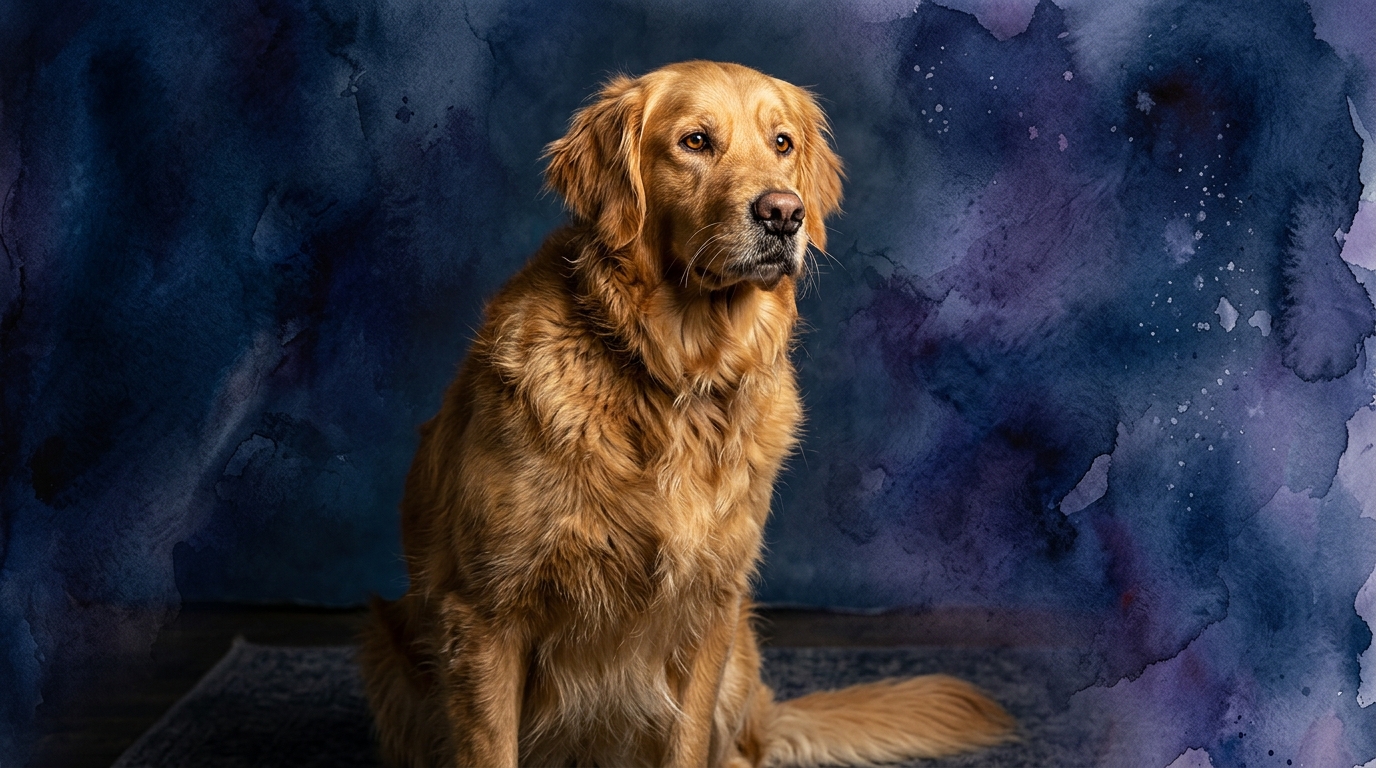
At The Cosmic Pet Pet IQ Lab, we analyze canine intelligence across five critical dimensions to provide a detailed understanding of each breed's cognitive strengths. For the Golden Retriever, a Sporting breed ranked #4 by Coren, their profile highlights a remarkable aptitude for cooperative tasks and social engagement. Their Problem Solving score is 4/5, indicating a strong ability to learn complex sequences and adapt to new challenges, particularly when working alongside humans. Training Speed is an impressive 5/5, reflecting their eagerness to please and quick grasp of commands. Social Intelligence also scores 5/5, showcasing their exceptional ability to interpret human cues and form deep, collaborative bonds. An Instinctive Drive of 4/5 points to their inherent desire to retrieve and work, while their Memory at 4/5 means they retain learned behaviors and associations effectively.
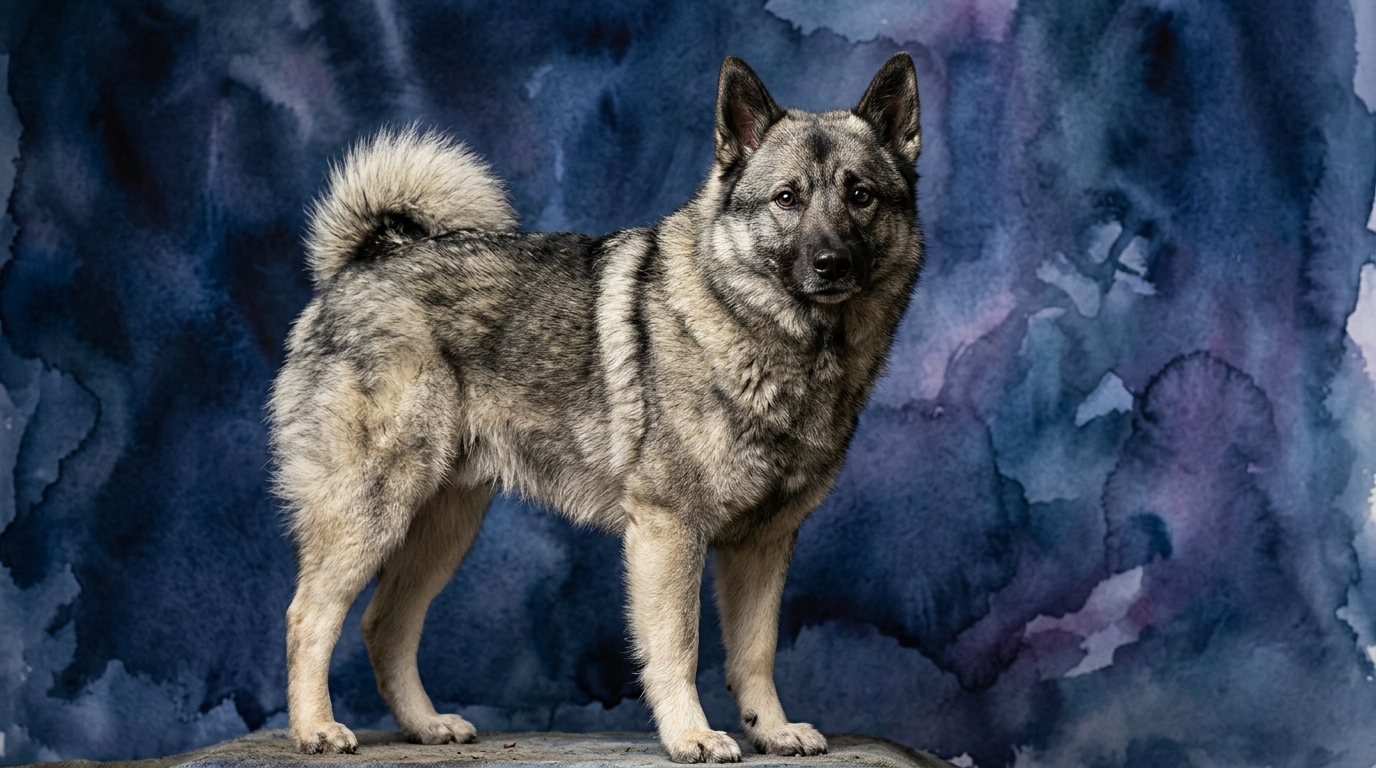
The Norwegian Elkhound, a Hound breed ranked #36 by Coren, presents a different, yet equally compelling, cognitive blueprint. Their Problem Solving is rated 4/5, mirroring the Golden Retriever, but this often manifests as independent decision-making in challenging environments rather than cooperative problem-solving. Training Speed is 4/5, indicating a quick learner, though their independent nature might require more consistent motivation. Their Social Intelligence is 3/5, showing strong bonds with their family but a more reserved demeanor with strangers and less reliance on constant human direction. An Instinctive Drive of 3/5 reflects their strong prey drive and tracking abilities, which are less focused on human-directed tasks like retrieving. Finally, their Memory is 4/5, adept at recalling scent trails and navigating familiar territories, crucial for their historical role as a hunting dog.
Where the Golden Retriever Excels Cognitively
The Golden Retriever’s cognitive strengths shine particularly in areas of social engagement and rapid skill acquisition. With a perfect 5/5 in Social Intelligence, they possess an unparalleled ability to read and respond to human body language, vocalizations, and emotional states. This acute social awareness makes them exceptional partners in any activity, from complex obedience routines to therapeutic roles where empathy is paramount. Their cognitive framework is geared towards collaboration, allowing them to anticipate human intentions and adjust their behavior accordingly. This isn't merely about obedience; it's about a sophisticated understanding of social dynamics that fosters a deep, communicative bond.
Complementing their social intelligence is their 5/5 Training Speed. This high score isn't just about quick learning; it reflects an inherent desire to engage and please their human companions. Golden Retrievers absorb new commands and routines with remarkable efficiency, often requiring fewer repetitions than many other breeds. Their problem-solving (4/5) is often channeled through this cooperative lens, making them adept at tasks that involve multiple steps and require human guidance. For instance, they can learn complex retrieving patterns or intricate agility courses because their cognitive processing is optimized for structured learning and working in tandem with a handler, making them highly adaptable to various training methodologies and environments.
Where the Norwegian Elkhound Excels Cognitively
While the Norwegian Elkhound shares a 4/5 Problem Solving score with the Golden Retriever, the nature of their problem-solving is distinctly different, reflecting their heritage as independent hunters. Elkhounds excel at autonomous decision-making and navigating complex, often solitary, tasks. Their cognitive strength lies in their ability to assess situations, follow a scent trail for extended periods, and devise solutions without constant human intervention. This self-reliance is a hallmark of their intelligence, allowing them to track game over vast distances, find their way back, or independently overcome natural obstacles in a challenging environment. Their problem-solving is less about pleasing a handler and more about achieving an objective through their own initiative.
The Elkhound’s 4/5 Memory score is also highly specialized, geared towards spatial recall and acute scent recognition. This cognitive trait is crucial for their historical role, enabling them to remember intricate scent patterns, navigate complex terrain, and retain knowledge of hunting grounds. While their Social Intelligence (3/5) is lower than the Golden's, it underscores a different kind of bond – one built on mutual respect and partnership rather than constant interdependence. This means they are capable of forming strong, loyal connections, but their cognitive processing prioritizes independent thought and action, making them robust and resilient thinkers when faced with challenges requiring self-reliance.
Which Is Easier to Train and Why?
When it comes to ease of training, the Golden Retriever generally holds an advantage due to its cognitive profile. Their 5/5 Training Speed and 5/5 Social Intelligence mean they are inherently motivated to work with people and find satisfaction in cooperative tasks. Golden Retrievers are remarkably attuned to human feedback, making positive reinforcement highly effective. Their desire to engage and their quick understanding of human expectations translate into faster learning and a more eager participation in training sessions. Real behavioral differences, such as their strong 'soft mouth' retrieve instinct and their natural inclination to stay close to their handler, make them highly amenable to structured lessons.
The Norwegian Elkhound, with a 4/5 Training Speed, learns quickly but often requires a more nuanced approach. Their 3/5 Social Intelligence and independent nature mean they may prioritize their own interests or scent distractions over human directives if not adequately motivated. While intelligent, their hound instincts mean they can be easily sidetracked by interesting smells, demanding more focused and consistent training to maintain attention. Training an Elkhound often requires patience, clear communication, and a strong understanding of their independent spirit, rather than relying solely on their desire to please. They respond best to training that makes sense to them and offers a clear reward, rather than simply performing for approval.
Suitability for Active vs. Relaxed Owners
Both Golden Retrievers and Norwegian Elkhounds are breeds that benefit significantly from active owners, though their ideal activities differ based on their cognitive and physical drives. Golden Retrievers thrive with owners who enjoy collaborative pursuits such as hiking, swimming, fetch, and dog sports like agility or obedience. Their cooperative spirit and physical stamina mean they excel in activities where they can work closely with their human companions, channeling their instinctive drive into structured, engaging tasks. These dogs appreciate mental stimulation that involves interaction and problem-solving alongside their people, making them excellent companions for owners who want a true partner in adventure.
Norwegian Elkhounds, with their history as resilient hunting dogs, require owners who understand and cater to their endurance and desire for exploration. They are best suited for individuals or families who enjoy long, vigorous walks, hiking over varied terrain, scent work, or even activities like skijoring. Their independent problem-solving and stamina mean they need ample opportunities to engage their minds and bodies in a way that respects their self-reliant nature. While a truly 'relaxed' owner might find both breeds challenging, the Golden Retriever might adapt slightly better to a less intensely active household, provided they receive consistent mental stimulation and abundant social interaction. The Elkhound's independent nature and high energy levels make them less suited for a purely sedentary lifestyle, as unmet physical and mental needs can lead to restless or destructive behaviors. They require consistent engagement to prevent boredom and ensure their cognitive needs are met.
The Verdict
If you seek a highly cooperative companion eager for shared activities, easily trained, and deeply attuned to your emotional and physical cues, the Golden Retriever is an excellent match.
Opt for the Norwegian Elkhound if you appreciate an independent, resourceful companion with robust stamina for outdoor adventures and a strong, self-reliant spirit.
🧠 Find Your Pet's IQ Score
Our Pet IQ Lab assessment covers 25+ tests across 5 cognitive dimensions — personalized to your breed.
Take the Full IQ Test →Frequently Asked Questions
Do Golden Retrievers bark a lot?
Golden Retrievers are not typically excessive barkers, but they will use their voice to alert their owners to visitors or unusual sounds, and may bark during play or when excited. Consistent training can help manage any unwanted vocalizations.
Are Norwegian Elkhounds good with children?
Norwegian Elkhounds can be good with respectful children, especially if raised with them, showing a loyal and protective nature. However, their independent streak means they may not tolerate rough play as readily as some more overtly social breeds, so supervision is always recommended with any dog and child.
What kind of mental stimulation do these breeds need?
Golden Retrievers thrive on puzzles, obedience training, scent work, and interactive games that involve their human companions. Norwegian Elkhounds benefit from activities like tracking, advanced obedience, agility, and puzzle toys that challenge their independent problem-solving skills and allow them to 'hunt' for rewards.