Side-by-Side IQ Profile
At The Cosmic Pet Pet IQ Lab, we evaluate canine intelligence across five key dimensions, moving beyond simple obedience to understand a dog's nuanced mind. Comparing the profiles of the Golden Retriever, a prominent Sporting group member, with the Norwegian Lundehund, a distinct Non-Sporting breed, offers a remarkable study in cognitive divergence.
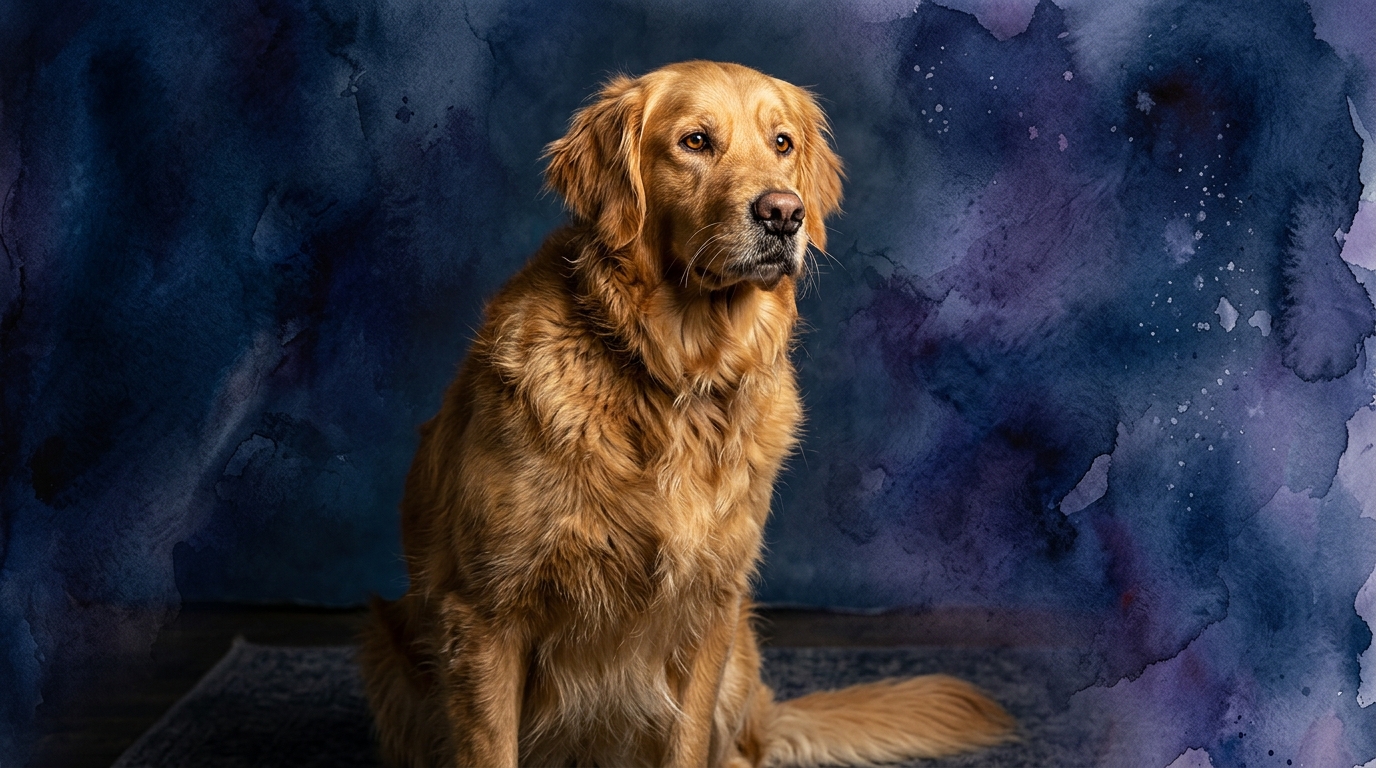
The Golden Retriever, ranked #4 by Coren for working and obedience intelligence, embodies a cognitive profile geared towards cooperative partnership. Their Problem Solving is 4/5, indicating an adaptive mind capable of complex tasks like retrieving specific items or navigating obstacles. Training Speed is an exceptional 5/5, reflecting quick command grasp and an eager-to-please nature. Social Intelligence, also 5/5, highlights their profound ability to read human cues, empathize, and form strong bonds. An Instinctive Drive of 4/5 points to strong retrieving instincts and a desire to work alongside humans. Memory at 4/5 ensures consistent retention of learned behaviors and associations.
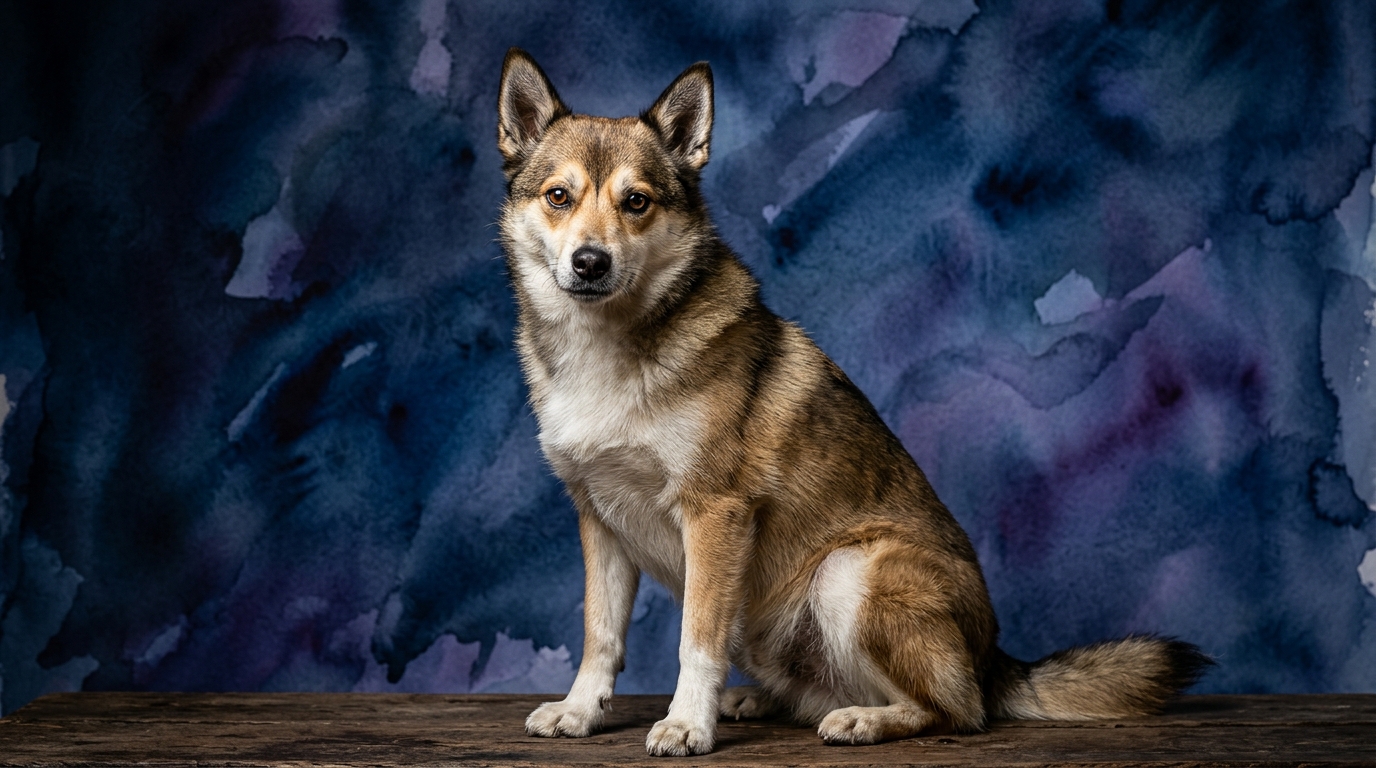
In contrast, the Norwegian Lundehund, unranked by Coren, presents a different cognitive blueprint, shaped by centuries of independent work. Their Problem Solving is 3/5, suggesting capability for independent thought and creative solutions, often pursuing their own objectives over human-directed tasks. Training Speed is 3/5, indicating moderate learning pace, requiring patience and consistent, motivational approaches due to their independent streak. Social Intelligence, rated 3/5, means they form deep attachments within their immediate family but can be reserved with strangers. An Instinctive Drive of 3/5 reflects a strong, specialized puffin hunting drive, fostering self-reliance. Their Memory, also 3/5, supports independent drives, retaining information pertinent to their environment and personal experiences.
Where Golden Retriever Wins Cognitively
The Golden Retriever's cognitive strengths lie in their capacity for nuanced cooperation and profound social attunement. Their Coren ranking of #4 underscores their exceptional working intelligence, a direct result of their 5/5 Training Speed and 5/5 Social Intelligence. This combination allows them to grasp complex commands rapidly and anticipate human intent, making them extraordinarily responsive partners.
For instance, a Golden can quickly learn multi-step retrieval sequences, demonstrating superior cognitive flexibility in adapting to new commands and contexts. Their high social intelligence enables them to interpret subtle shifts in human tone or body language, offering comfort or adjusting behavior proactively. This empathetic understanding and consistent desire for collaborative engagement positions them as top performers in roles requiring intricate human-animal teamwork.
Where Norwegian Lundehund Wins Cognitively
While the Golden Retriever excels cooperatively, the Norwegian Lundehund demonstrates distinct cognitive superiority in areas demanding independent problem-solving and specialized physical dexterity. Their history as puffin hunters on rugged cliffs sculpted a mind capable of navigating unique environmental challenges with ingenuity. Their Problem Solving score of 3/5 reflects a capacity for self-directed solutions, achieving individual objectives rather than solely following commands.
The Lundehund's physical adaptations—like turning their head almost 180 degrees, flexible shoulder joints, and six toes—are intertwined with their cognitive approach. Their instinctive drive (3/5) powers persistent exploration and maneuvering through tight spaces, requiring specific spatial reasoning and tenacity. This breed's triumphs lie in independently assessing and overcoming physical barriers, showcasing a unique cognitive resilience honed by centuries of solitary hunting.
Which is Easier to Train and Why
Without question, the Golden Retriever is significantly easier to train, a direct consequence of their cognitive architecture. Their 5/5 Training Speed is driven by an inherent eagerness to please and a strong desire to work alongside humans. They are highly motivated by positive reinforcement, respond quickly to cues, and generalize learned behaviors rapidly. Their high Social Intelligence (5/5) means they are constantly attuned to their handler's instructions, making communication highly efficient. This breed thrives on structured learning and finds satisfaction in successful collaboration.
The Norwegian Lundehund, with its 3/5 Training Speed and independent Instinctive Drive (3/5), presents a different training journey. While capable of learning, they aren't inherently driven by the same desire for human approval. Their historical role fostered self-reliance, prioritizing their own agenda like exploring scents. Training a Lundehund requires immense patience, creativity, and understanding of their unique motivations. They may appear 'stubborn' because their cognitive focus is often elsewhere, requiring trainers to make learning intrinsically rewarding and relevant to their natural drives. Consistency and engaging, varied sessions are crucial to maintain their interest.
Which Suits Active Owners vs Relaxed Owners
The Golden Retriever is an ideal match for active owners who relish engagement, outdoor adventures, and consistent companionship. Their cognitive profile, marked by high social intelligence and a cooperative drive, means they thrive when given a 'job' and integrated fully into family activities. They need regular physical exercise and mental stimulation through training or puzzle toys. Owners who enjoy teaching new tricks, participating in dog sports, or having a highly interactive and attentive companion will find the Golden Retriever an incredibly fulfilling partner.
The Norwegian Lundehund, while requiring exercise, suits owners who appreciate a dog with a more independent spirit. Their cognitive strengths lean towards self-directed exploration, meaning they might not always seek constant interactive play. Owners who enjoy observing unique instincts, providing opportunities for scent work or independent exploration in a secure environment, and are comfortable with a companion that isn't always 'underfoot' will find joy. They still need mental challenges, but these are better met with intelligent toys, novel environments, or short, engaging training sessions tailored to their independent nature.
The Verdict
Choose the Golden Retriever if you seek a highly trainable, socially perceptive, and consistently cooperative companion eager to participate in all aspects of family life and activities.
Opt for the Norwegian Lundehund if you value a unique, independent-minded companion with ancient, specialized instincts, and are prepared for a nuanced approach to training and socialization.
🧠 Find Your Pet's IQ Score
Our Pet IQ Lab assessment covers 25+ tests across 5 cognitive dimensions — personalized to your breed.
Take the Full IQ Test →Frequently Asked Questions
Do Golden Retrievers need a lot of mental stimulation?
Yes, their high problem-solving and memory scores mean they benefit greatly from puzzles, training games, and engaging activities to prevent boredom. Consistent mental challenges are crucial for their well-being.
Is the Norwegian Lundehund good with children?
While they form deep bonds with their family, their social intelligence score of 3/5 suggests they might be more reserved than a Golden Retriever. Careful introductions and supervision are recommended, especially with younger children, to ensure positive interactions.
What makes the Lundehund's physical adaptations unique?
Their ability to tip their head backward to touch their spine, flexible shoulders allowing limbs to extend sideways, and six toes on each foot are remarkable. These adaptations were essential for navigating rocky terrain and retrieving puffins from narrow crevices, reflecting their ancient hunting heritage.