Side-by-Side Cognitive Profile: Golden Retriever vs. Shetland Sheepdog
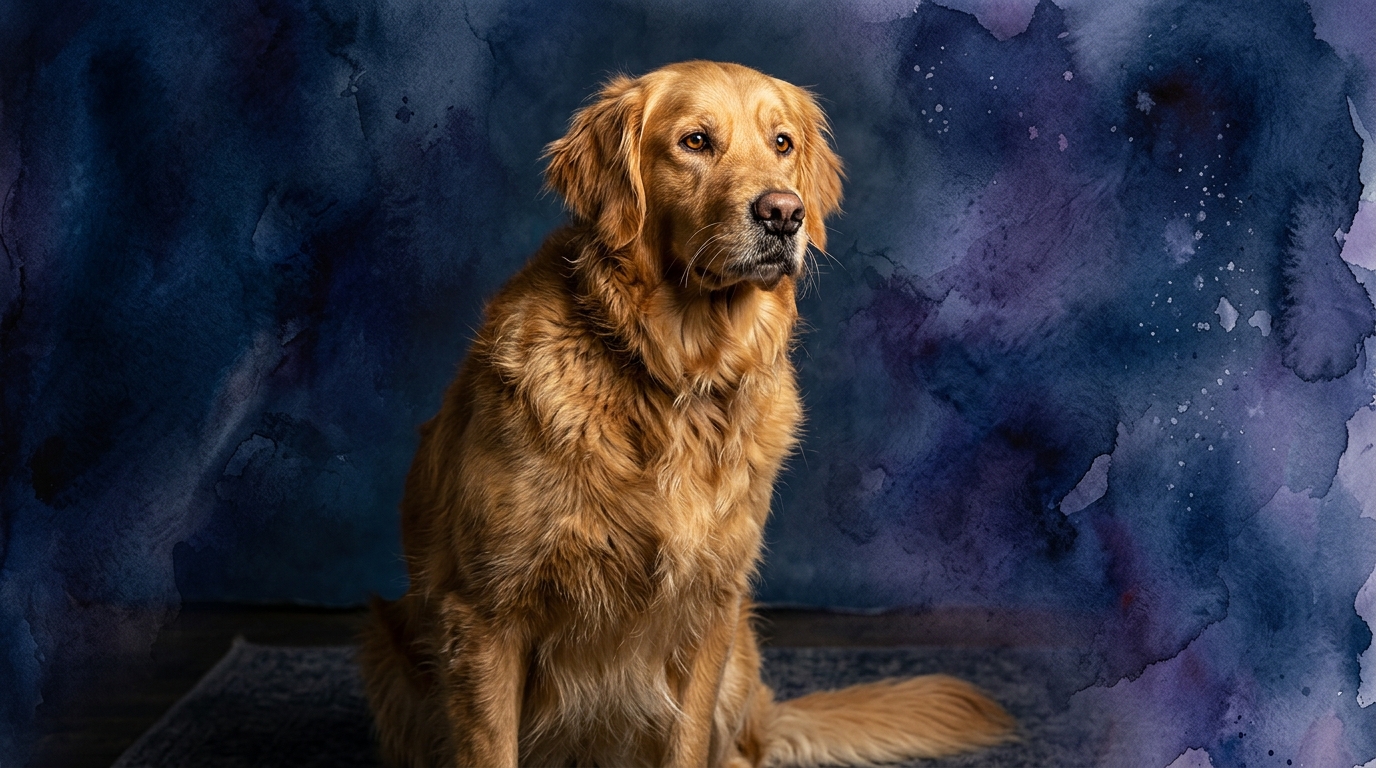
The Cosmic Pet Pet IQ Lab delves into five key cognitive dimensions to provide a detailed understanding of each breed's mental framework. For the Golden Retriever, a Sporting breed ranked #4 by Coren, our profile reveals a balanced yet socially-oriented intellect. Their problem-solving is rated 4/5, demonstrating practical ingenuity in novel situations, often with a clear reward-driven focus. Training speed is a perfect 5/5, reflecting their profound eagerness to please and collaborative spirit. Social intelligence stands out at 5/5, indicating an exceptional ability to read and respond to human emotions and group dynamics. Their instinctive drive is 4/5, primarily centered around retrieving and companionship, exhibiting a gentle yet purposeful engagement. Memory is rated 4/5, showing a solid capacity to retain learned behaviors and routines over time.
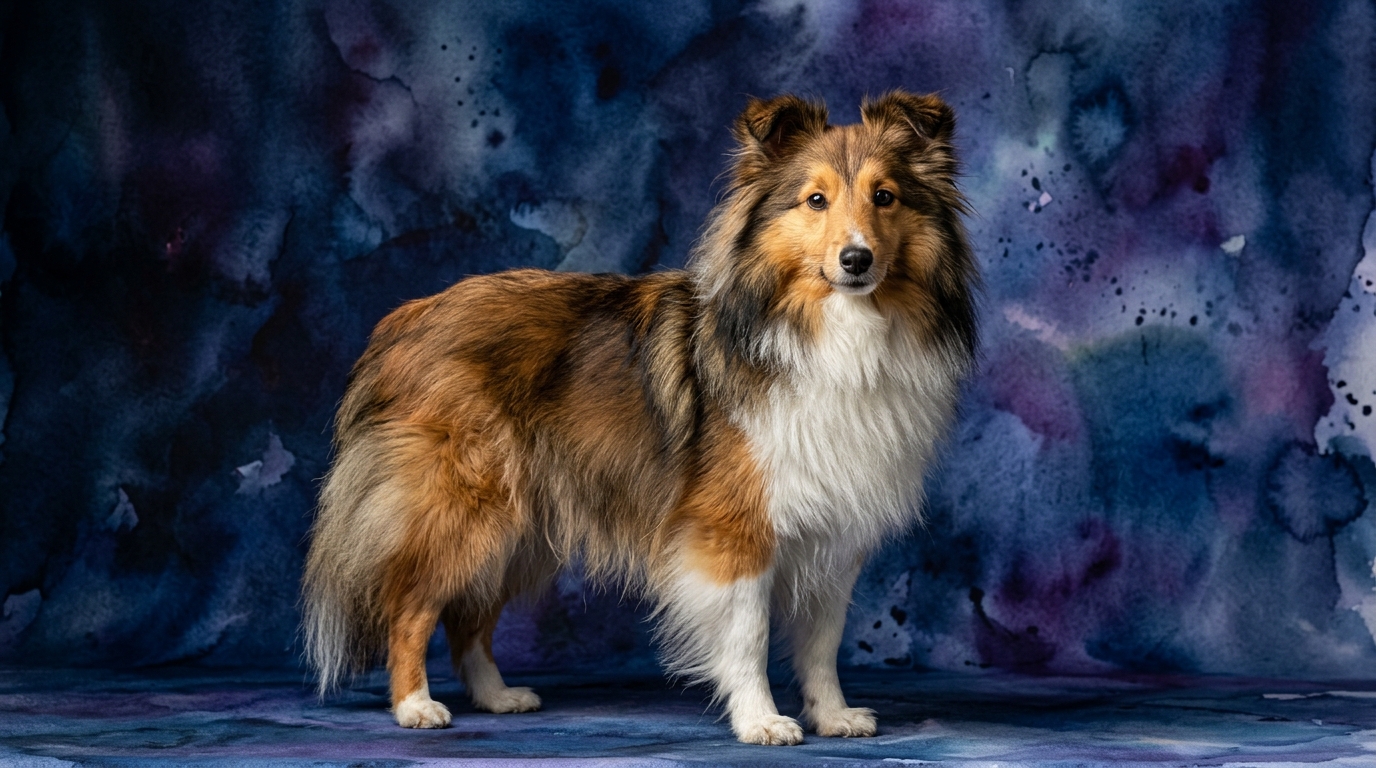
The Shetland Sheepdog, a Herding breed ranked #6 by Coren, presents a profile marked by intense focus and remarkable recall. Their problem-solving capability is also 4/5, often applied to dynamic scenarios requiring quick analysis and strategic movement, a clear echo of their herding past. Training speed mirrors the Golden at 5/5, highlighting their sharp comprehension and desire to perform tasks with precision. Social intelligence is 4/5, indicating deep bonds within their immediate family but often a reserved approach to strangers. Their instinctive drive is a robust 5/5, manifesting as a powerful urge to gather, control, and observe their 'flock.' Memory is where the Sheltie truly excels with a perfect 5/5, showcasing an extraordinary ability to recall complex sequences and past experiences with remarkable accuracy.
Where the Golden Retriever Cognitively Excels
The Golden Retriever truly shines in the realm of social intelligence, earning a perfect 5/5. This isn't merely about friendliness; it's a sophisticated capacity to interpret human emotions and intentions, adapting their behavior to foster harmonious interactions. A Golden will often intuit a family member’s distress and offer comfort without prompting, a testament to their deep understanding of social dynamics. Their strong desire to cooperate and please, combined with this social acumen, makes them uniquely suited for roles requiring nuanced interaction, such as therapy work or assistance dog tasks, where empathy and responsiveness to human needs are paramount. While their problem-solving is robust, it is often channeled through a lens of collaboration, seeking solutions that involve or benefit their human counterpart.
Where the Shetland Sheepdog Cognitively Excels
The Shetland Sheepdog's cognitive strengths distinctly tilt towards their profound instinctive drive and exceptional memory, both rated 5/5. Their herding lineage imbues them with an innate ability to perceive and manage movement, making them masters of spatial reasoning and predictive behavior. This isn't just about chasing; it's about anticipating trajectories and influencing outcomes, a complex form of problem-solving applied to dynamic environments. Their superior memory allows them to recall intricate sequences, whether it's an agility course with dozens of obstacles or a series of learned behaviors, with incredible precision over time. This makes them formidable competitors in canine sports and highly dependable in tasks requiring sequential execution and long-term retention of detailed information.
Which Is Easier to Train and Why
Both breeds share a top rating of 5/5 for training speed, indicating a high capacity for learning new commands swiftly. However, the nature of their trainability differs slightly. Golden Retrievers are driven by an overwhelming desire to please their owners and a deep social bond. This means they often respond well to positive reinforcement, praise, and the sheer joy of working alongside their human. Their eagerness to engage and their forgiving nature make the training process feel inherently collaborative and joyful, often making them a highly rewarding breed for novice trainers. They thrive on positive interaction and reciprocal affection, which fuels their motivation to learn and perform.
Shetland Sheepdogs, while equally fast learners, are often propelled by their intense focus and instinctive drive. They thrive on structure, clear directives, and tasks that engage their natural herding instincts, such as retrieving specific items or navigating obstacle courses. Their precision and attention to detail make them excel in complex training scenarios where exact execution is key. While both are highly trainable, a Golden's training experience might feel more like a friendly partnership, relying heavily on mutual affection, whereas a Sheltie's might involve harnessing and directing their intense, focused energy towards a specific, often intricate, goal. They respond well to handlers who provide consistent guidance and opportunities for mental stimulation.
Suitability for Active vs. Relaxed Owners
For active owners, both breeds present compelling options, though for different reasons. An active owner seeking a constant companion for outdoor adventures like hiking, swimming, or long fetch sessions would find the Golden Retriever a superb match. Their moderate instinctive drive and high social intelligence mean they revel in shared experiences and thrive on companionship during physical activity. They are generally adaptable to various forms of exercise and appreciate being an integral part of family outings, often happy to participate in whatever their human companions are doing. Their robust build and joyful demeanor make them excellent partners for a wide range of physical activities.
Conversely, an active owner who enjoys structured canine sports such as agility, obedience trials, or rally would likely find the Shetland Sheepdog an exceptional partner. Their superior instinctive drive and memory make them phenomenal competitors, requiring mental engagement alongside physical exertion. They excel when given a 'job' that taps into their herding intelligence and precision, thriving on the challenge of mastering complex tasks and demonstrating their agility. For more relaxed owners, the Golden Retriever's adaptable nature and strong social intelligence make them a more universally suitable choice. They are content with moderate daily exercise and thrive on companionship, often happy to simply be near their people. While Shelties also bond closely, their intense drive and need for mental stimulation mean they can become restless or exhibit herding behaviors without sufficient outlets, potentially making them less ideal for a truly relaxed, low-activity lifestyle where mental engagement is minimal.
The Verdict
Choose the Golden Retriever if your priority is a highly sociable companion who intuitively understands family dynamics and thrives on collaborative interaction, excelling in roles like therapy work or as an empathetic family member.
Opt for the Shetland Sheepdog if you seek a focused, driven partner for canine sports or tasks requiring exceptional memory and precise execution, particularly valuing their independent problem-solving derived from strong herding instincts.
🧠 Find Your Pet's IQ Score
Our Pet IQ Lab assessment covers 25+ tests across 5 cognitive dimensions — personalized to your breed.
Take the Full IQ Test →Frequently Asked Questions
Do Golden Retrievers and Shetland Sheepdogs bark a lot?
Golden Retrievers tend to be moderate barkers, typically vocalizing to alert or express excitement. Shetland Sheepdogs, however, are known for being more vocal, often using barking as a communication tool stemming from their herding lineage to manage flocks, and can be quite alert barkers.
Which breed requires more grooming, Golden Retriever or Shetland Sheepdog?
Both breeds have double coats and require regular grooming. Golden Retrievers typically need weekly brushing to manage shedding and prevent mats, with more frequent brushing during seasonal shedding. Shetland Sheepdogs also require consistent brushing, often multiple times a week, to maintain their dense undercoat and prevent tangles in their longer outer coat, particularly around the mane and feathering.
Are Golden Retrievers and Shetland Sheepdogs good with children?
Golden Retrievers are renowned for their patience and gentle nature, making them excellent family dogs and generally very good with children, especially when properly socialized and supervised. Shetland Sheepdogs can also be good with children, particularly those within their immediate family, but their herding instincts might lead them to 'herd' active children, requiring supervision and early training to manage this behavior effectively.