Side-by-Side IQ Profile: A Cognitive Blueprint
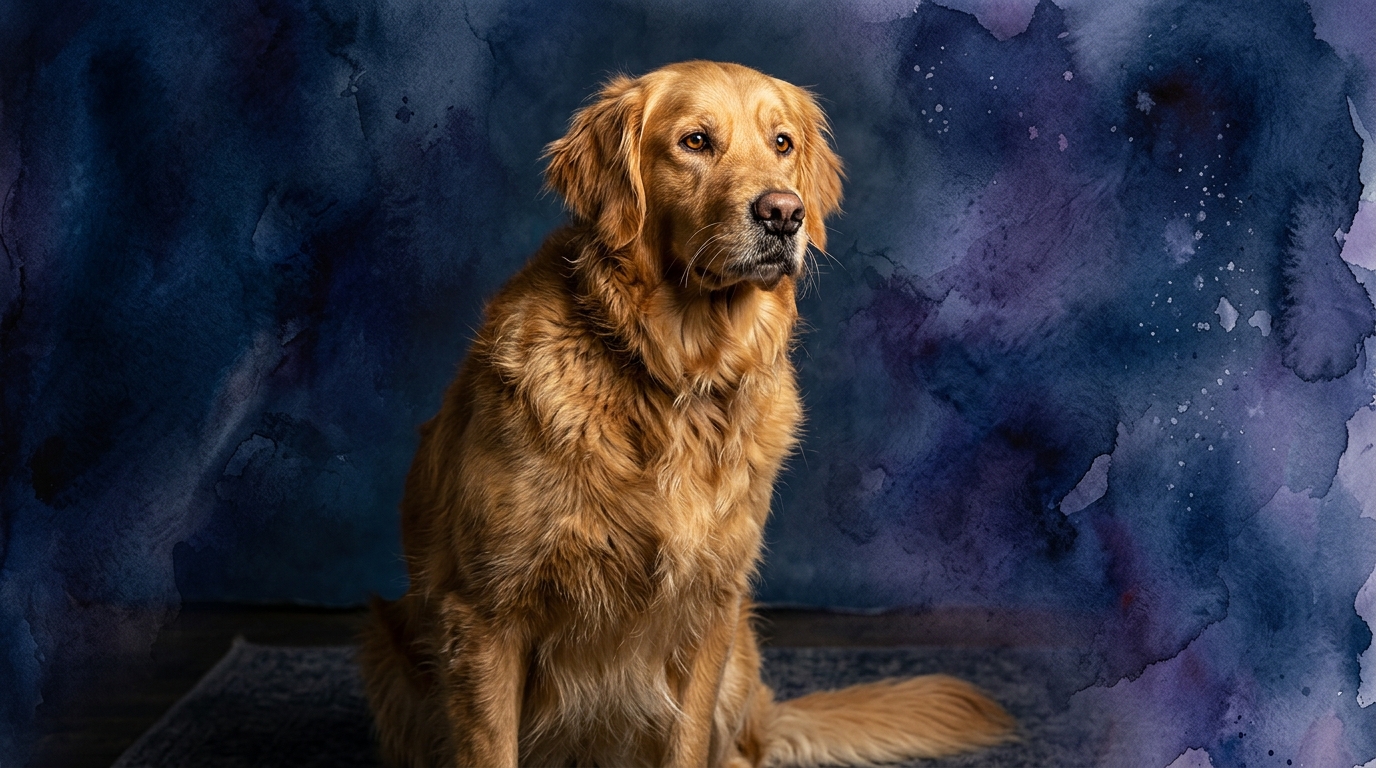
A breed celebrated for its affable nature, the Golden Retriever's cognitive profile paints a picture of a highly adaptable and cooperative companion. Their Problem Solving at 4/5 indicates a capacity for understanding complex tasks and navigating novel situations with relative ease, often seeking human guidance in the process. With a stellar Training Speed of 5/5, they absorb new commands and routines with remarkable quickness, eager to please and respond to instruction. Social Intelligence, also at 5/5, highlights their exceptional ability to read human emotions, adapt to social cues, and integrate smoothly into family dynamics, thriving on interaction. An Instinctive Drive of 4/5 points to their strong inherent urges for retrieving, companionship, and activity, making them keen participants in various tasks. Finally, their Memory at 4/5 ensures they retain learned behaviors and social experiences effectively, contributing to their consistent and reliable temperament.
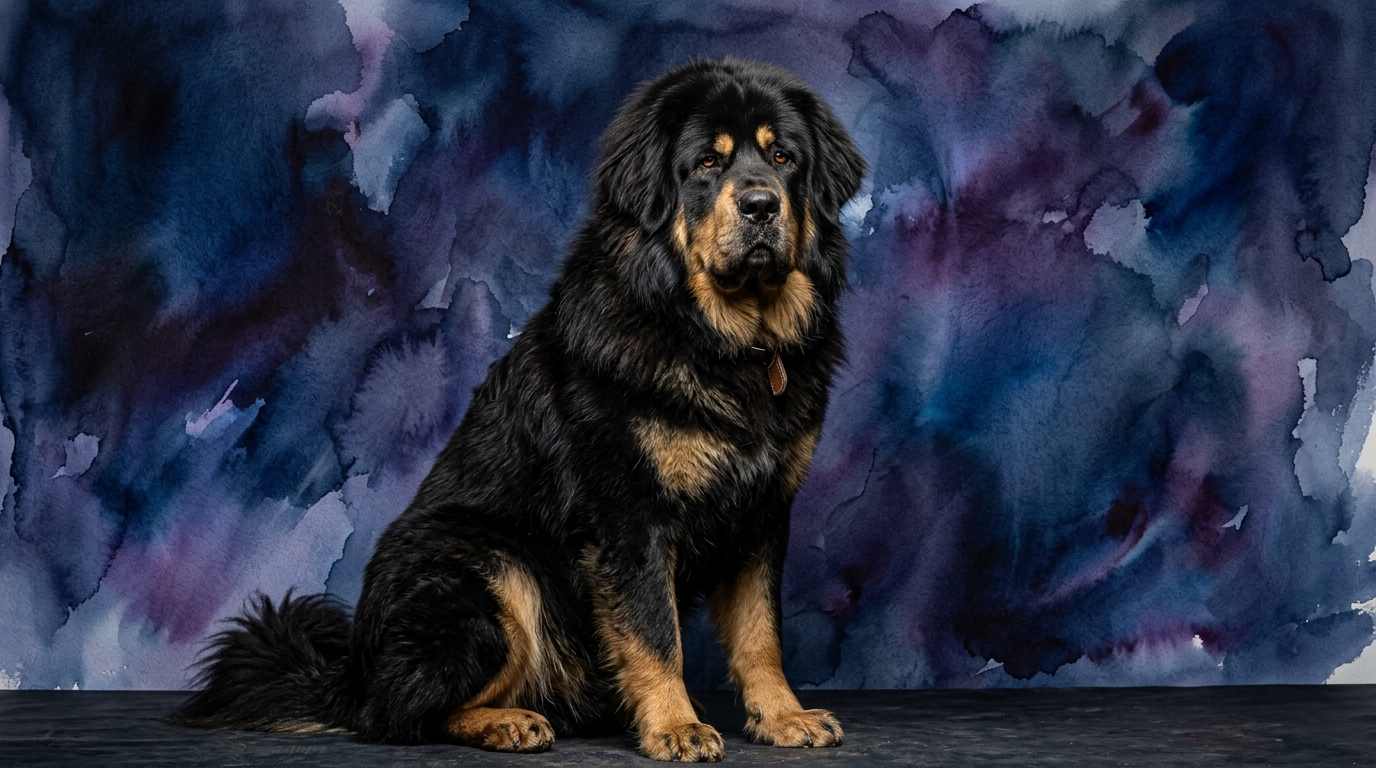
Hailing from the Himalayas, the Tibetan Mastiff's cognitive makeup reflects its ancient role as a formidable guardian. Their Problem Solving at 3/5 suggests a capacity for independent thought, often geared towards assessing and managing their environment, though they may not always seek human input for solutions. A Training Speed of 3/5 indicates that while capable of learning, they process commands at a more deliberate pace and require consistent, patient reinforcement, often prioritizing their own judgment. Their Social Intelligence, also at 3/5, implies a more reserved and discerning approach to social interactions; they are often deeply loyal to their family but can be wary of strangers and less inclined to overt social displays. An Instinctive Drive of 3/5 is deeply rooted in their protective nature, driving them to guard their territory and family, often with a strong sense of self-preservation. Their Memory at 3/5 means they retain experiences and learned boundaries, contributing to their consistent guarding behaviors, though perhaps less prone to remembering intricate sequences of commands.
Where the Golden Retriever Wins Cognitively
The Golden Retriever's cognitive strengths shine particularly in areas demanding cooperation, rapid learning, and nuanced social engagement. Their superior Training Speed (5/5) means they grasp new commands almost effortlessly, often requiring fewer repetitions than many other breeds. This makes them exceptionally amenable to advanced obedience, intricate tricks, and specialized working roles such as service or therapy tasks. Their remarkable Social Intelligence (5/5) allows them to seamlessly integrate into diverse social settings, intuitively understanding human moods and intentions, and adjusting their behavior accordingly. This acute social awareness fosters deep bonds and makes them highly empathetic companions. Furthermore, their Problem Solving (4/5) is often directed towards collaborative tasks, like figuring out how to retrieve a specific item or navigate an agility course, where they actively seek to work with their human handler. This combination of traits equips them to excel in environments where responsiveness and a desire to please are paramount.
Where the Tibetan Mastiff Wins Cognitively
While the Tibetan Mastiff's IQ scores might appear lower across the board, their cognitive profile is perfectly tailored for their ancestral purpose, revealing distinct wins in areas of independent decision-making and territorial vigilance. Their Problem Solving (3/5) is often applied to assessing potential threats and making autonomous judgments in the absence of direct human command, a critical trait for a guardian animal. This isn't about solving puzzles for a treat, but rather about independently determining if a situation requires intervention. Their Instinctive Drive (3/5) is channeled into a profound sense of responsibility for their domain and family, manifesting as an unwavering protective instinct that requires minimal prompting. This self-reliant cognitive processing means they are less reliant on constant human direction for their primary function. Their more reserved Social Intelligence (3/5) can be interpreted not as a deficit, but as a selective and discerning social strategy, allowing them to maintain a watchful distance while forming deep, unwavering bonds with their immediate family, distinguishing friend from potential foe with a keen, intrinsic understanding.
Which is Easier to Train and Why
The Golden Retriever stands out as significantly easier to train, primarily due to their exceptional Training Speed (5/5) and high Social Intelligence (5/5). They possess an innate eagerness to please their human companions, making them highly receptive to positive reinforcement and praise. Their strong desire for interaction means they view training as a collaborative activity, often anticipating commands and responding with enthusiasm. They thrive on consistency and clear communication, quickly associating actions with rewards, which accelerates the learning process for basic obedience, complex tasks, and even competitive dog sports.
In contrast, the Tibetan Mastiff presents a more challenging training experience, largely influenced by their lower Training Speed (3/5) and Social Intelligence (3/5), coupled with a strong independent streak. These guardians were bred to make autonomous decisions, not to blindly obey. They are not inherently motivated by human approval in the same way a Golden is, often requiring more patience, creativity, and understanding of their unique motivations. Training a Tibetan Mastiff often involves convincing them that a command is their idea or beneficial to their perceived role, rather than simply demanding compliance. This breed excels with experienced handlers who can provide consistent, firm, but fair guidance, establishing trust and respect rather than relying solely on traditional obedience methods. Their inherent drive for protection means that early and extensive socialization is crucial to channel their instincts appropriately.
Which Suits Active Owners vs Relaxed Owners
For owners seeking an active, engaged companion, the Golden Retriever is an ideal match. Their strong Instinctive Drive (4/5) for activity, combined with their high Social Intelligence (5/5) and problem-solving abilities, means they thrive on consistent physical and mental stimulation. They excel in activities like long hikes, swimming, retrieving games, agility, and obedience, requiring daily outlets for their energy and cooperative spirit. Owners who enjoy integrating their dog into a wide range of family activities and outdoor adventures will find a Golden Retriever to be an enthusiastic and willing participant, always ready for the next shared experience.
The Tibetan Mastiff, while requiring significant space and consistent management, is better suited for owners who appreciate a more independent and watchful companion, rather than a constantly interactive one. Once mature, these dogs are often calm and reserved indoors, but their lower training speed and social intelligence scores mean they are not seeking constant interaction or complex games. Their 'relaxed' nature in this context refers to their self-sufficient presence, not a lack of needs. They demand owners who are prepared for their strong guarding instincts, requiring secure containment and diligent socialization to ensure they differentiate between welcome guests and potential threats. They suit owners who understand and respect their independent decision-making and are content with a dog that is less outwardly effusive but deeply loyal to its inner circle, preferring to observe and protect rather than constantly participate in high-energy activities.
The Verdict
Opt for the Golden Retriever if you seek a highly cooperative, socially responsive, and versatile companion eager to engage in various activities and training challenges alongside you.
Choose the Tibetan Mastiff if you are an experienced owner prepared for a deeply loyal, independent guardian, valuing their self-reliant protective nature and distinct, deliberate companionship.
🧠 Find Your Pet's IQ Score
Our Pet IQ Lab assessment covers 25+ tests across 5 cognitive dimensions — personalized to your breed.
Take the Full IQ Test →Frequently Asked Questions
Do Golden Retrievers need a lot of mental stimulation?
Absolutely. With their high problem-solving (4/5) and social intelligence (5/5), Golden Retrievers thrive on consistent mental engagement, including training games, puzzle toys, and interactive play. This prevents boredom and channels their eagerness to work constructively, fostering a well-adjusted companion.
Are Tibetan Mastiffs suitable for first-time dog owners?
Generally, no. Their independent nature, lower training speed (3/5), and strong guarding instincts require an experienced owner capable of consistent, patient leadership and extensive socialization. First-time owners may find their unique cognitive profile and behavioral tendencies challenging to manage effectively.
How does social intelligence impact their interactions with children and other pets?
A Golden Retriever's 5/5 social intelligence typically means they are highly adaptable and generally good-natured with children and other pets, often seeking harmonious interactions. A Tibetan Mastiff's 3/5 social intelligence suggests they might be more reserved, potentially tolerant of family members but requiring careful, supervised introductions and management around strangers or unfamiliar animals due to their discerning nature.