Side-by-Side Cognitive Profiles
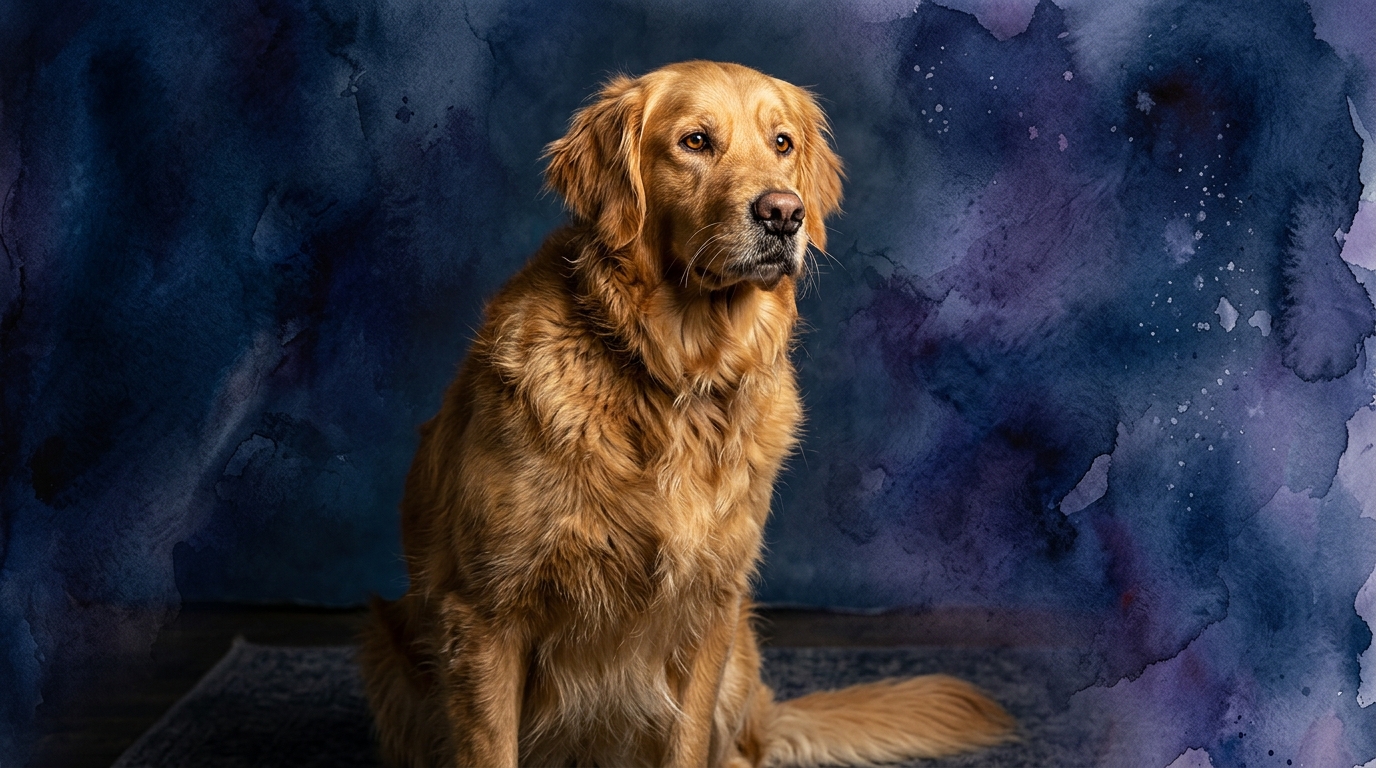
The Cosmic Pet Pet IQ Lab assesses canine intelligence across five key dimensions, offering a nuanced view beyond simple obedience. For the Golden Retriever, a prominent Sporting Group member and Coren rank #4, their profile reflects a breed designed for collaborative work. Their Problem Solving is rated 4/5, indicating a strong capacity to figure out novel situations and adapt. Training Speed scores a perfect 5/5, signifying exceptional quickness in grasping new commands. Social Intelligence also hits 5/5, highlighting their profound ability to connect with and respond to human cues. An Instinctive Drive of 4/5 underpins their natural inclination for retrieving and activity, while Memory at 4/5 ensures reliable retention of learned behaviors.
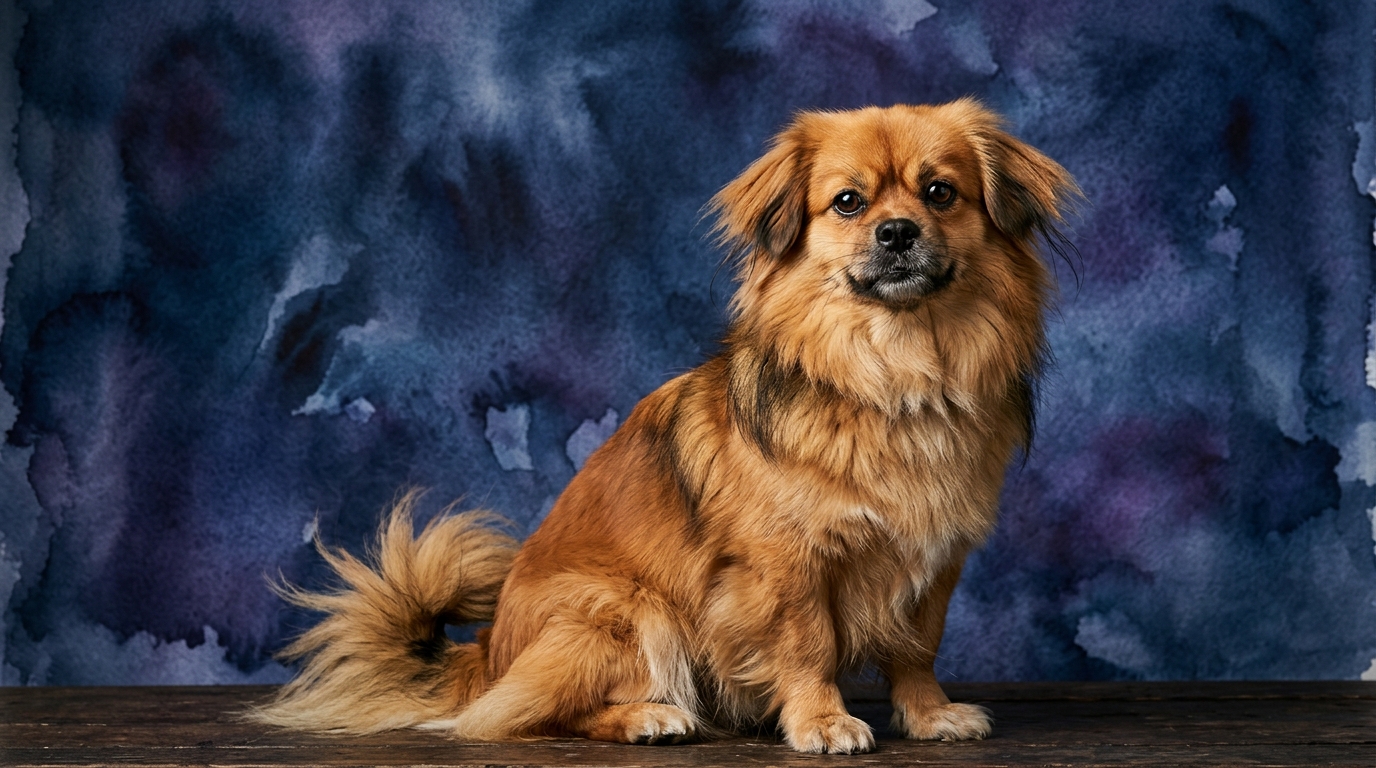
In contrast, the Tibetan Spaniel, a Non-Sporting breed without a Coren ranking, presents a profile geared towards companionship and watchfulness rather than strenuous work. Their Problem Solving is rated 3/5, suggesting a moderate capacity for independent thought. Training Speed also stands at 3/5, implying a more deliberate pace in learning new routines. Social Intelligence is 3/5, indicating an attentiveness to their human companions, though perhaps with a more reserved or selective interaction style. Their Instinctive Drive is 3/5, reflecting a moderate natural inclination for specific tasks, often centered around alert barking and observation. Finally, their Memory is 3/5, suggesting that consistent reinforcement is particularly beneficial for retaining information.
Where the Golden Retriever Excels Cognitively
The Golden Retriever's cognitive strengths make them exceptionally versatile and responsive partners. Their Training Speed of 5/5 is a clear standout; they absorb new commands and routines with remarkable efficiency, often requiring minimal repetition. This rapid acquisition of skills translates into an accelerated and rewarding training experience for both dog and owner, making them highly adaptable to various disciplines from obedience to complex service tasks.
Their Social Intelligence, also at 5/5, allows them to profoundly interpret human body language, vocal tones, and emotional states. This deep empathetic connection enables them to anticipate needs and respond with an almost intuitive understanding, fostering incredibly strong bonds and making them exceptional therapy or assistance animals. Furthermore, their Problem Solving at 4/5 means they possess a robust capacity to navigate novel situations, figure out puzzles, and apply learned behaviors to new contexts with greater ingenuity than many breeds. This cognitive flexibility allows them to independently assess and resolve challenges, whether it's figuring out a new game or adapting to a changing environment. Their 4/5 Instinctive Drive, rooted in their sporting heritage, fuels an eagerness for engaging activities and structured tasks, making them highly motivated participants in collaborative endeavors.
Where the Tibetan Spaniel's Cognitive Profile Shines
While the Tibetan Spaniel's IQ scores may be moderate compared to the Golden Retriever, their cognitive profile offers distinct advantages for specific lifestyles. Their 3/5 Problem Solving often manifests as a self-reliant approach; they might not solve puzzles with the same speed, but their solutions are frequently independent, reflecting a charmingly individualistic streak rather than a constant need for direction. This can be a 'win' for owners who appreciate a dog that isn't always seeking human intervention for entertainment.
The Tibetan Spaniel's 3/5 Instinctive Drive translates into a naturally lower demand for intense physical or mental stimulation. They are generally content with a more relaxed daily routine, requiring less structured 'work' to prevent boredom compared to breeds with higher drives. This cognitive characteristic makes them excellent companions for those seeking a dog that thrives on quiet companionship rather than constant high-energy engagement. Their Social Intelligence at 3/5, combined with their historical role as watchdogs, often translates into a keen observational intelligence. They are attentive to their surroundings and their human's presence, processing the environment with a quiet discernment, making them excellent, alert observers without being overly intrusive or demanding of attention. This focus on observation over active participation is a unique cognitive strength for a companion animal.
Which is Easier to Train and Why
Based on their cognitive profiles, the Golden Retriever is unequivocally easier to train. Their 5/5 Training Speed means they pick up commands and complex sequences with remarkable swiftness, requiring fewer repetitions and less time investment from the owner. Their 5/5 Social Intelligence makes them exceptionally eager to please and highly responsive to human cues, meaning they actively seek to understand and cooperate. This deep desire for collaboration, coupled with their 4/5 Instinctive Drive, means they are inherently motivated to participate in training and excel in various dog sports and working roles. They thrive on positive reinforcement and the opportunity to engage collaboratively with their human.
The Tibetan Spaniel, with a 3/5 Training Speed, requires a more patient and consistent approach. They are capable of learning, but their process is more deliberate, often needing more repetitions and varied motivation to solidify new behaviors. Their 3/5 Social Intelligence means they might be less overtly driven by a desire to please and more inclined to make independent decisions, which can sometimes be perceived as 'stubbornness.' Their 3/5 Instinctive Drive is not geared towards traditional obedience in the same way, so trainers must find highly rewarding and engaging methods to maintain their interest. While intelligent, their cognitive makeup suggests they prefer to do things on their own terms, making training a nuanced and sometimes prolonged endeavor that benefits from creativity and understanding of their independent nature.
Which Suits Active Owners vs. Relaxed Owners
For active owners, the Golden Retriever is an ideal match. Their 4/5 Instinctive Drive, combined with their 4/5 Problem Solving and 5/5 Training Speed, means they thrive on structured activities and physical engagement. They excel in dog sports like agility, obedience, and scent work, and are enthusiastic companions for hiking, running, swimming, or long walks. Their high social intelligence ensures they genuinely enjoy shared experiences and collaborative endeavors, making them perfect partners for an owner who wants a dog deeply involved in their active lifestyle.
Relaxed owners will find a wonderful companion in the Tibetan Spaniel. Their 3/5 Instinctive Drive and moderate scores across other cognitive dimensions mean they are perfectly content with a more leisurely pace of life. While they enjoy daily walks and playtime, they do not require intense, sustained mental or physical stimulation to prevent boredom or destructive behaviors. Their moderate problem-solving and social intelligence allow them to be observant, affectionate companions who appreciate quiet time at home and shorter, focused bursts of activity rather than constant, high-energy demands. They are well-suited to apartment living or homes where the emphasis is less on strenuous outdoor adventures and more on calm companionship.
The Verdict
Choose the Golden Retriever if you seek an exceptionally biddable, highly social, and active companion eager to engage in collaborative learning, sports, or assistance work. They thrive with owners who can provide consistent training, ample mental stimulation, and shared experiences.
Opt for the Tibetan Spaniel if you desire an independent, observant, and moderately active companion who appreciates a more relaxed lifestyle and can entertain themselves. They suit owners who value quiet companionship and are patient with a dog that learns at its own pace and maintains a distinct individualistic streak.
🧠 Find Your Pet's IQ Score
Our Pet IQ Lab assessment covers 25+ tests across 5 cognitive dimensions — personalized to your breed.
Take the Full IQ Test →Frequently Asked Questions
Are Golden Retrievers good for first-time dog owners?
Yes, Golden Retrievers are often recommended for first-time owners due to their high trainability (5/5 Training Speed) and eagerness to please. Their strong social intelligence helps them form deep bonds and makes them highly responsive to guidance.
Do Tibetan Spaniels bark a lot?
Tibetan Spaniels, historically used as temple watchdogs, do have an inherent tendency to be alert barkers. While they can be trained to moderate this, their instinctive drive for observation (3/5 Instinctive Drive) means they often vocalize to alert their owners to new sights or sounds.
What kind of mental exercise do Tibetan Spaniels need?
Tibetan Spaniels benefit from moderate mental stimulation, such as puzzle toys, short daily training sessions focusing on fun tricks, and varied walking routes to engage their senses. Their 3/5 Problem Solving means they enjoy figuring things out at their own pace without needing overly complex or demanding cognitive tasks.