Side-by-Side Cognitive Profiles
The Cosmic Pet Pet IQ Lab provides a detailed lens through which to compare these two distinct breeds, evaluating them across five key dimensions of intelligence.
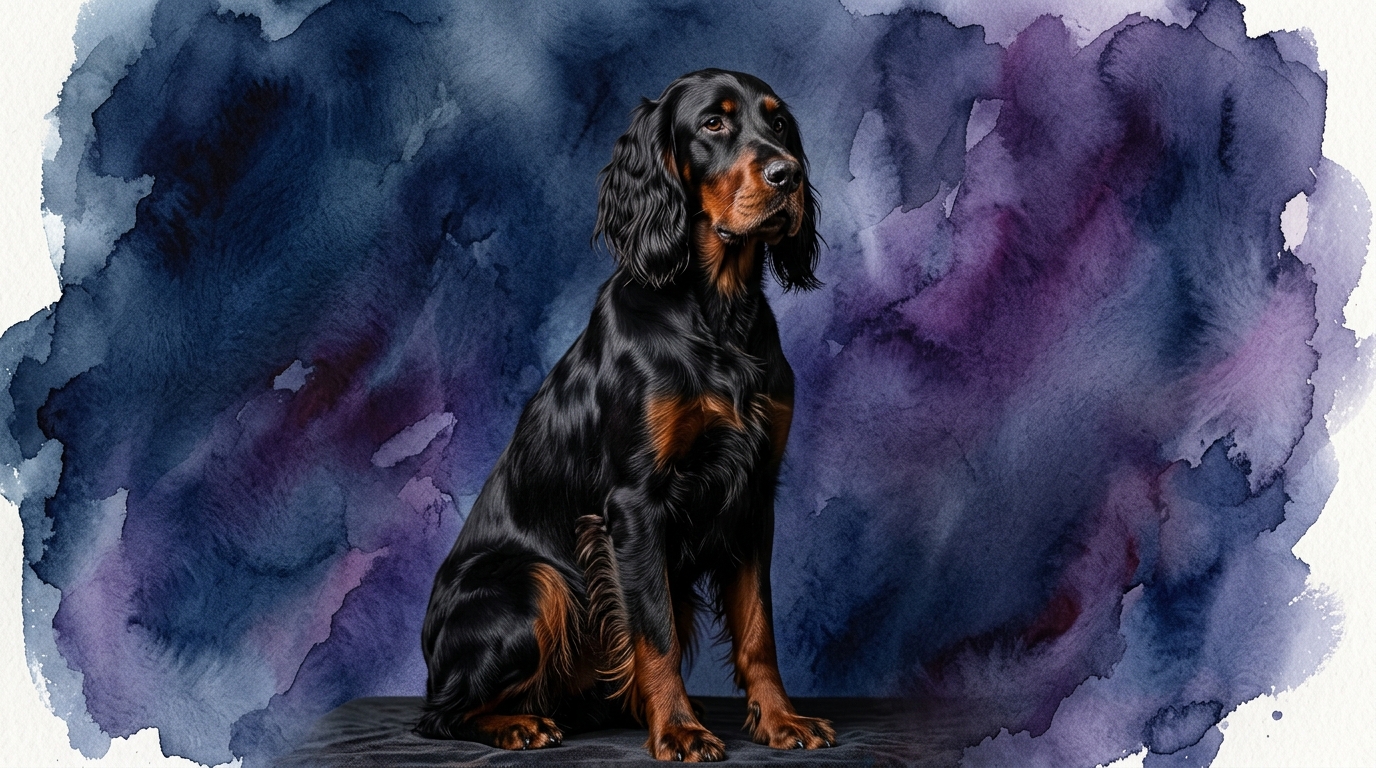
**Gordon Setter (Sporting Group, Coren Rank #39):** This breed’s cognitive strengths are rooted in its purpose-bred history as a discerning bird dog. Its Problem Solving is rated 4/5, indicating a strong capacity for figuring out complex tasks, particularly those involving spatial reasoning or sequential steps in a hunting context, often demonstrating persistence in tracking and retrieving. Training Speed is also 4/5, meaning these dogs grasp new commands and routines quickly, often requiring fewer repetitions than many breeds due to their eagerness to please and focus. Social Intelligence stands at 3/5; while generally amiable, their social cognition leans towards understanding their human handler's cues and intentions rather than navigating intricate multi-dog social dynamics with extreme finesse, often being reserved with strangers. Instinctive Drive is 3/5, a moderate but focused drive for scent work and retrieving, characteristic of a sporting dog, which is manageable and channelable. Memory is 4/5, exhibiting excellent recall for commands, learned routes, and the location of game, showcasing an ability to retain complex sequences of actions over time.
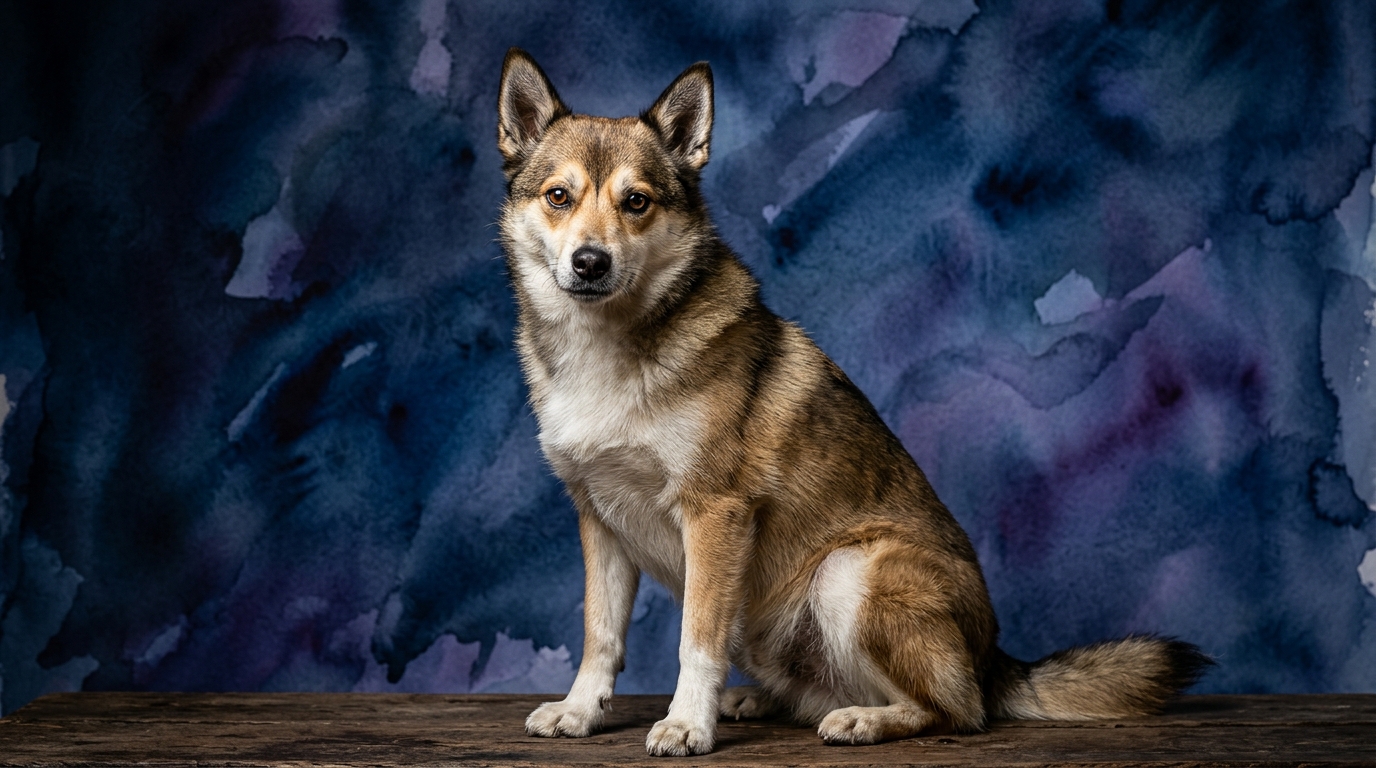
**Norwegian Lundehund (Non-Sporting Group, Not Coren-Ranked):** This ancient breed's intelligence reflects its unique history as a puffin hunter in rugged terrain. Its Problem Solving is 3/5, showing a respectable ability to navigate challenges, often employing ingenuity to achieve goals, especially when it involves accessing tight spaces or manipulating objects, with their unique physical adaptations often informing their approach. Training Speed is 3/5, indicating they learn at a steady pace, requiring consistent and patient instruction, capable of mastering a wide range of commands with positive reinforcement. Social Intelligence is 3/5; they generally form strong attachments to their primary family members, displaying a keen awareness of their moods, but can be wary or reserved with unfamiliar people or animals. Instinctive Drive is 3/5, possessing a moderate, yet distinct, drive for exploration and climbing, reflecting their historical role, often expressed through curiosity and a desire to investigate their surroundings. Memory is 3/5, capable of retaining commands and routines, though perhaps not with the same precision or long-term retention of highly specialized working breeds, remembering people and places well.
Where the Gordon Setter Excels Cognitively
The Gordon Setter's cognitive strengths distinctly shine in areas demanding rapid assimilation of information and precise application of learned behaviors. Their 4/5 rating in Training Speed means they pick up complex sequences and new commands with remarkable efficiency, often requiring fewer repetitions than the Lundehund. This isn't just about speed; it's about the depth of their comprehension, allowing them to progress quickly through advanced obedience or field training. Furthermore, their 4/5 in Problem Solving is particularly evident in tasks requiring strategic thinking and sustained focus, such as navigating intricate scent trails or executing multi-step retrieving scenarios. This aptitude for analytical thought, coupled with a superior 4/5 Memory, enables them to recall detailed instructions and past experiences, building a robust behavioral repertoire. For instance, a Gordon Setter can learn a series of hand signals and verbal commands for different types of retrieves and consistently execute them, remembering the nuances of each task over extended periods. Their cognitive architecture is geared towards collaborative, goal-oriented work, making them adept at understanding and fulfilling human directives with precision and enthusiasm.
Where the Norwegian Lundehund Shines Cognitively
While not outscoring the Gordon Setter in raw “IQ” metrics, the Norwegian Lundehund's cognitive profile reveals a unique set of strengths rooted in their specialized history. Their 3/5 in Problem Solving, though numerically lower, manifests differently. Lundehunds excel at independent, often physically intricate, problem-solving, like navigating challenging terrains or finding creative ways to access hidden spaces. Their physical flexibility and natural agility are often intertwined with their cognitive approach to obstacles. For example, they might figure out how to climb furniture or squeeze into tight spots that other breeds wouldn't attempt, demonstrating a resourceful and independent streak. Their Social Intelligence at 3/5, similar to the Setter, is characterized by a deep, almost intuitive, understanding of their immediate family's emotional states, often displaying a nuanced sensitivity to their environment. Their Instinctive Drive, also 3/5, is geared towards exploration and independent foraging, which translates into a keen observational intelligence and an ability to assess their surroundings for opportunities, rather than waiting for human direction. This self-reliant cognitive style means they can be remarkably adaptable in novel environments, capable of assessing and responding to situations without constant prompting.
Which is Easier to Train and Why
The Gordon Setter is demonstrably easier to train, primarily due to its higher scores in Training Speed (4/5) and Memory (4/5), coupled with its collaborative nature. Gordon Setters possess a strong desire to work alongside their human partners, absorbing new commands and concepts with efficiency. Their sporting background has ingrained a responsiveness to direction and a focused work ethic. For example, teaching a Gordon Setter a complex retrieve, such as retrieving a specific item from a group, often requires fewer repetitions and they retain the skill for longer periods. Their problem-solving abilities are often applied to understanding and executing human requests. In contrast, the Norwegian Lundehund, with 3/5 in both Training Speed and Memory, requires more patience and consistency. While capable of learning, their independent nature and historical role as self-sufficient hunters mean they may question commands or prefer to figure things out on their own terms. Lundehunds can be prone to “selective deafness” if they don't see the immediate value in a command, often demanding more creative, reward-based motivation. Teaching a Lundehund a similar complex retrieve might take more time, require breaking down steps more thoroughly, and necessitate greater reinforcement to ensure long-term retention, as their problem-solving tends to be self-directed rather than handler-directed.
Active Owners vs. Relaxed Owners: A Cognitive Fit
The Gordon Setter is an ideal match for active owners who relish engaging in structured activities and training. Their moderate instinctive drive and high trainability mean they thrive with consistent mental and physical stimulation, such as field trials, obedience, agility, or extensive hiking. An active owner can channel their problem-solving and memory skills into advanced tasks, providing the fulfilling mental engagement these dogs crave. Their collaborative nature means they enjoy working *with* their owner, making them excellent partners for shared adventures. Conversely, a relaxed owner might find the Gordon Setter's need for engagement overwhelming, potentially leading to boredom-induced behaviors. The Norwegian Lundehund, with its independent problem-solving and moderate instinctive drive for exploration, also suits active owners, but of a different kind. Owners who appreciate a dog with a unique, self-directed curiosity and are willing to accommodate their climbing and exploring tendencies will find a great companion. They enjoy varied adventures, but might not always be as focused on handler-directed tasks. A more relaxed owner could potentially manage a Lundehund if they provide ample opportunities for independent exploration in a secure environment and understand that training might require more creativity and patience, rather than expecting immediate, eager compliance. Their need for physical activity is present, but their mental stimulation often comes from investigating their surroundings rather than strictly following complex commands.
The Verdict
Opt for a Gordon Setter if you seek a highly trainable, collaborative companion eager to engage in structured activities, advanced obedience, or field work, thriving on shared intellectual challenges and consistent partnership.
Select a Norwegian Lundehund if you appreciate a uniquely independent, resourceful problem-solver with a strong exploratory drive, valuing a companion that offers distinct charm and requires patient, creative engagement.
🧠 Find Your Pet's IQ Score
Our Pet IQ Lab assessment covers 25+ tests across 5 cognitive dimensions — personalized to your breed.
Take the Full IQ Test →Frequently Asked Questions
Do Gordon Setters need a lot of mental stimulation?
Yes, Gordon Setters benefit significantly from regular mental stimulation due to their high problem-solving and memory scores. Engaging them in puzzles, advanced training, or scent work helps prevent boredom and keeps their sharp minds content. This stimulation is as vital as their physical exercise.
Are Norwegian Lundehunds difficult to house train?
Norwegian Lundehunds can sometimes present a challenge in house training, often due to their independent nature. Consistency, positive reinforcement, and a structured routine are crucial. Their preference for figuring things out themselves means owners need to be patient and make the “right” choice the most rewarding one.
Which breed is better for a first-time dog owner?
The Gordon Setter is generally more suitable for a dedicated first-time owner willing to commit to consistent training, given their higher trainability and desire to please. The Norwegian Lundehund's independent streak and unique needs might be more challenging for someone new to dog ownership, requiring a deeper understanding of canine behavior.