Side-by-Side Cognitive Profiles: Gordon Setter vs. Scottish Deerhound
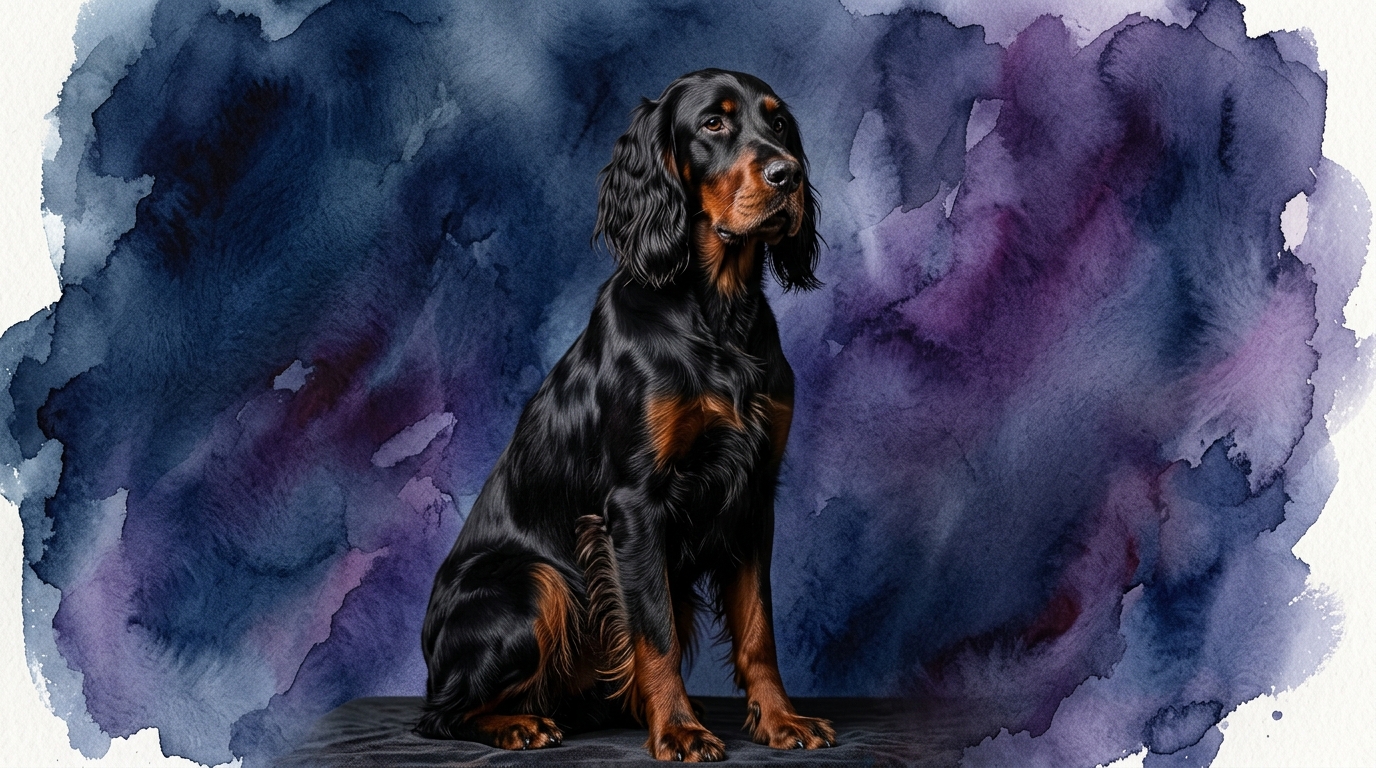
The Gordon Setter, a Coren-ranked #39 working dog, demonstrates a robust cognitive profile tailored for collaboration and complex tasks. Their Problem Solving (4/5) indicates an aptitude for intricate situations, often showing initiative. Training Speed (4/5) reflects their eagerness to learn and grasp new commands quickly, making them responsive partners. Social Intelligence (3/5) suggests attunement to human cues, forming deep bonds. Their Instinctive Drive (3/5) is geared towards bird work, manifesting as focused scent pursuit and retrieval. A Memory score of 4/5 highlights their ability to recall learned behaviors and routines consistently.
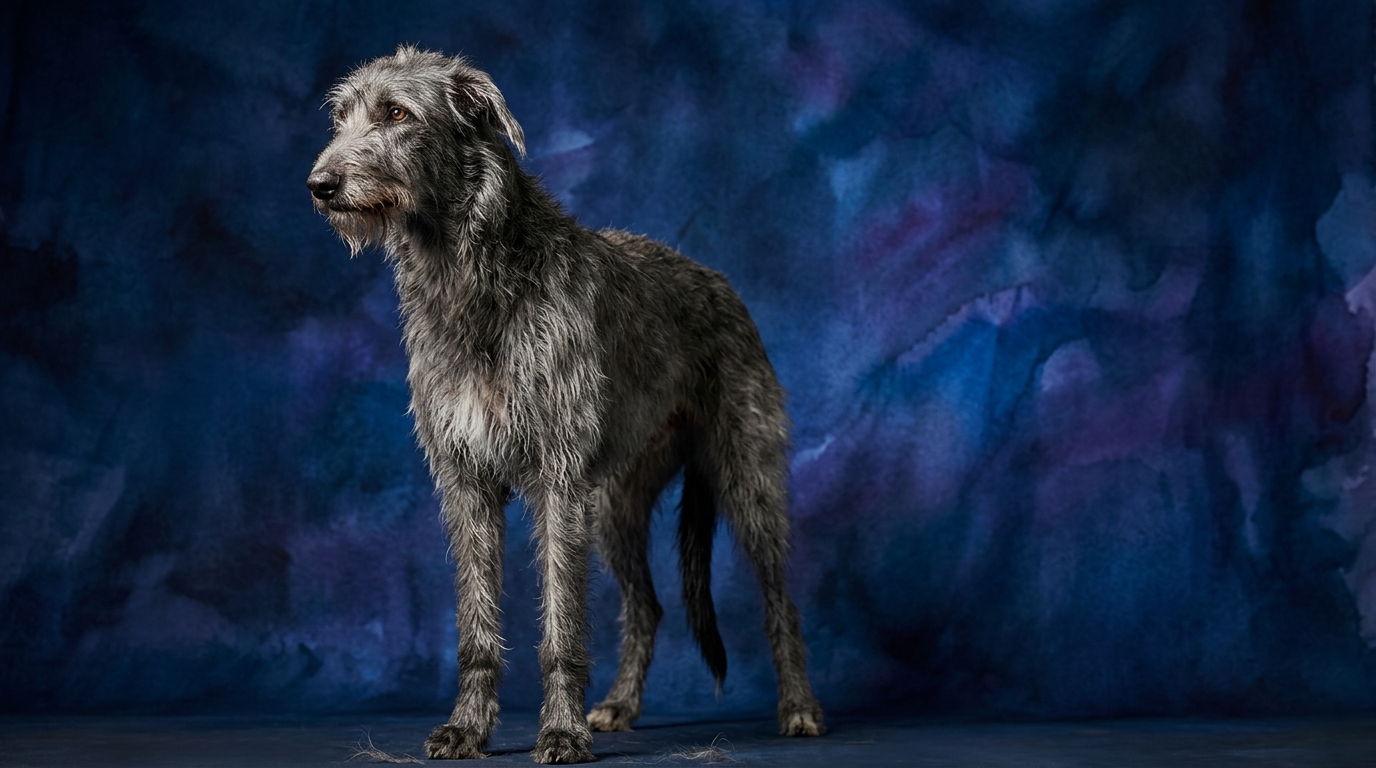
The Scottish Deerhound, a breed with its own unique intellectual strengths, presents a cognitive makeup designed for independent action and keen observation. Their Problem Solving (3/5) indicates capacity for issues, though with less intrinsic motivation for human-devised puzzles, preferring straightforward solutions. Training Speed (3/5) means they learn at a moderate pace, thriving with patient, positive reinforcement. Social Intelligence (3/5) allows them to form profound connections with family, often reserved with strangers. Their Instinctive Drive (3/5) is a powerful sighthound impulse, driving pursuit of fast-moving objects. Memory (3/5) suggests reliable retention, though perhaps requiring more consistent reinforcement.
Where the Gordon Setter Exhibits Cognitive Advantages
The Gordon Setter truly shines in areas demanding active partnership and structured cognitive engagement. Their superior Problem Solving (4/5) means they are more inclined to actively seek solutions to challenges posed by their handler, whether navigating an obstacle course or retrieving from a tricky spot. This proactive mental approach is a direct asset in activities requiring nuanced understanding and independent decision-making within a directed framework. Furthermore, their Training Speed (4/5) highlights a cognitive advantage in acquiring new skills efficiently. They possess a greater intrinsic motivation to cooperate and understand human requests, translating into a quicker learning curve for complex command sequences and intricate routines. This responsiveness, coupled with their 4/5 Memory, allows them to build a vast repertoire of learned behaviors, making them exceptionally adept at dog sports like obedience, agility, or field trials, built for sustained, collaborative mental effort.
Where the Scottish Deerhound Exhibits Distinct Cognitive Strengths
While the Scottish Deerhound’s individual cognitive scores are consistently 3/5, their intelligence is uniquely specialized, reflecting their historical role. Their strengths lie in keen observational processing and autonomous decision-making in vast environments. The Deerhound’s Problem Solving (3/5) is particularly effective when assessing a situation for the most efficient path during a chase or navigating varied terrain. This isn't about solving human-centric puzzles, but rather rapid, instinctive assessment and execution in dynamic, high-stakes scenarios. Their Instinctive Drive (3/5) is a profound cognitive specialization, involving exceptional visual acuity to spot distant movement, lightning-fast processing to initiate pursuit, and the endurance to maintain focus over long distances. This combination of visual intelligence and predatory focus allows them to operate independently and effectively, making split-second judgments without direct human instruction. Their social intelligence (3/5) translates into a dignified, calm presence, discerning subtle emotional cues and offering quiet companionship.
Ease of Training: A Tale of Two Cognitive Approaches
When evaluating ease of training, the Gordon Setter holds a clear advantage due to its higher Training Speed (4/5) and Problem Solving (4/5). These qualities mean the Gordon Setter is generally more eager to engage with training, quicker to understand commands, and more inclined to work collaboratively. Their gundog background necessitates a strong desire to please and an ability to follow complex instructions. For instance, a Gordon Setter is likely to pick up a "stay" command or a multi-step retrieve sequence with fewer repetitions, often anticipating expectations due to cognitive flexibility and memory. They thrive on positive reinforcement and mental challenges, viewing training as an engaging partnership.
The Scottish Deerhound, with a Training Speed of 3/5, requires a more nuanced approach. Their independent sighthound nature means they might not always see the immediate value in performing a command if it doesn't align with their strong instinctive drives, particularly their powerful chase instinct. While capable of learning, their attention might be more easily diverted by distant movement. Training a Deerhound demands immense patience, consistency, and understanding of their motivations. Achieving a reliable off-leash recall requires significantly more effort and environmental management than with a Gordon Setter, as the thrill of a chase often overrides learned obedience. Lessons must be kept short, positive, and varied to maintain interest, making training a steady, long-term commitment.
Matching Cognitive Needs to Owner Lifestyles
The Gordon Setter is an ideal companion for owners who lead an active lifestyle and are keen to involve their dog in daily adventures and structured activities. Their robust physical endurance and mental acuity mean they thrive with regular, vigorous exercise beyond a simple walk. Owners who enjoy long hikes, trail running, or participating in dog sports like agility, obedience, or scent work will find a highly engaged and enthusiastic partner. They require consistent mental stimulation through training, puzzle toys, and new experiences to prevent boredom. A Gordon Setter will eagerly join in outdoor excursions, demonstrating stamina and problem-solving abilities.
The Scottish Deerhound, despite its impressive size, can surprisingly adapt to a more "relaxed" owner in terms of daily activity intensity, provided their specific needs for bursts of speed are met. While they require regular opportunities to gallop at full speed in a securely fenced area, they are known for being calm, quiet, and dignified indoors, often content to lounge gracefully after exercise. They are not a breed that requires constant "busy" work or continuous mental challenges in the same way a Setter might. Owners who appreciate a serene canine presence but have access to a large, safe space for their dog to stretch their legs a few times a week will find a good match. Their exercise isn't about sustained effort but intense, short-duration sprints, followed by long periods of rest.
The Verdict
Choose a Gordon Setter if you seek an active, collaborative canine partner eager for consistent training, mental challenges, and participation in dog sports or extensive outdoor adventures.
Opt for a Scottish Deerhound if you appreciate a calm, dignified indoor companion, possess a secure, expansive area for their essential high-speed sprints, and are prepared for patient, consistent training that respects their independent spirit.
🧠 Find Your Pet's IQ Score
Our Pet IQ Lab assessment covers 25+ tests across 5 cognitive dimensions — personalized to your breed.
Take the Full IQ Test →Frequently Asked Questions
Are Gordon Setters suitable for first-time dog owners?
While intelligent and eager to please, their energy levels and need for consistent mental stimulation mean they thrive best with owners prepared for an active lifestyle and dedicated training.
Can Scottish Deerhounds live in apartments?
Due to their large size and critical need for regular, high-speed running, apartment living is generally not suitable unless owners have exceptional access to a large, secure, fenced area daily.
How do Gordon Setters and Scottish Deerhounds interact with other pets?
Gordon Setters generally get along well with other dogs and cats if socialized early. Scottish Deerhounds, while usually gentle, possess a strong prey drive that might pose a challenge with very small, fast-moving pets.