Side-by-Side Cognitive Profiles
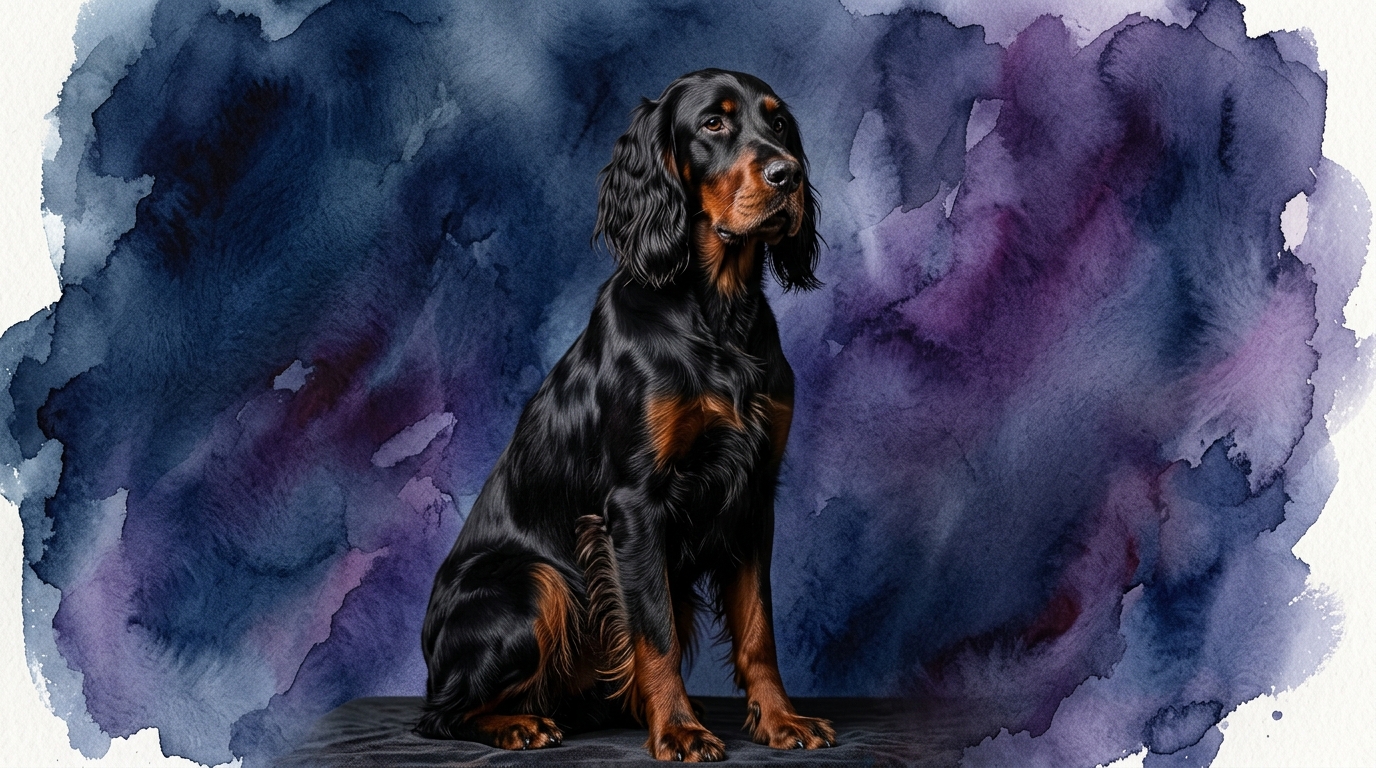
**Gordon Setter (Sporting Group):** This breed, ranked #39 by Coren for working and obedience intelligence, exhibits robust cognitive capabilities honed for field work. Their Problem Solving is rated 4/5, indicating an aptitude for dissecting environmental challenges, such as tracking elusive game or navigating varied terrain with purpose. Training Speed stands at 4/5, reflecting their capacity to absorb and execute complex sequences of commands rapidly, often linking actions to desired outcomes efficiently. Social Intelligence, at 3/5, suggests a moderate awareness of pack dynamics and handler cues, typically in a working partnership context. Their Instinctive Drive, also 3/5, points to a moderate but persistent desire to pursue natural behaviors like scenting and retrieving, which can be channeled effectively. Memory, rated 4/5, underscores their ability to retain learned behaviors, recall specific locations, or remember complex scent patterns over time.
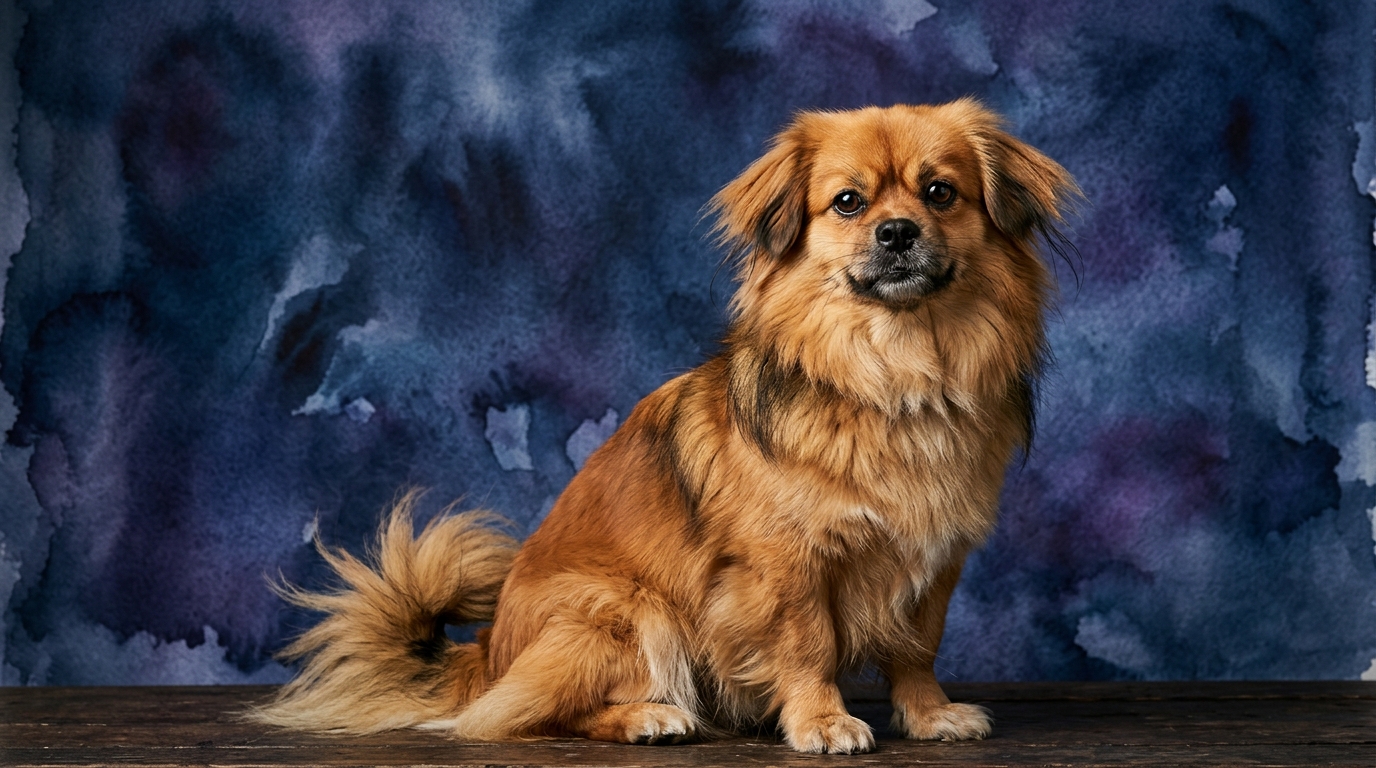
**Tibetan Spaniel (Non-Sporting Group):** While not Coren-ranked, the Tibetan Spaniel possesses a distinct intelligence tailored for companionship and vigilance. Their Problem Solving is rated 3/5, often manifesting as clever strategies for navigating their domestic environment or communicating their desires to their human companions, rather than complex external tasks. Training Speed, at 3/5, suggests a steady learning pace; they absorb commands reliably but may require more repetition or motivation to solidify new behaviors. Social Intelligence, also 3/5, highlights their keen observational skills regarding human moods and household routines, allowing them to integrate seamlessly into family life. An Instinctive Drive of 3/5 indicates a moderate inclination towards natural dog behaviors, such as surveying their surroundings from a high perch or exhibiting watchfulness, without an overwhelming prey drive. Memory, rated 3/5, means they retain experiences and learned associations well, recalling favored people, places, and routines with consistency.
Where the Gordon Setter Excels Cognitively
The Gordon Setter's cognitive strengths are deeply rooted in their heritage as a gundog, making them a standout in specific mental domains. Their Problem Solving score of 4/5 means they are adept at processing information and making decisions in dynamic environments. For instance, a Gordon Setter can independently strategize the most efficient path to retrieve a dropped item across varying terrain, or quickly ascertain the correct sequence of actions required to open a tricky gate. This isn't merely rote learning, but an active engagement with their surroundings to achieve a goal. Coupled with a 4/5 Training Speed, they absorb multi-step commands with remarkable efficiency. This allows for the rapid development of sophisticated skill sets, whether in advanced obedience, agility, or field trials, where they must execute precise movements and retrieve objects under varied conditions. Their 4/5 Memory further solidifies these advantages, enabling them to recall vast repertoires of commands, remember complex scent trails over extended periods, or retain the location of specific items even after distractions. This strong memory is crucial for consistency in performance, allowing them to build upon past experiences and apply learned solutions to new, similar challenges. The Coren ranking of #39 for working and obedience intelligence serves as an objective marker of their superior capacity for structured learning and task execution, distinguishing them in areas requiring focused mental effort and sustained application.
Where the Tibetan Spaniel Shines Cognitively
While the Tibetan Spaniel's IQ scores of 3/5 across the board might seem modest compared to a working breed, their cognitive profile represents a nuanced form of intelligence perfectly adapted to their role as companions and watchful observers. Their 3/5 Problem Solving often manifests as a keen ability to interpret human behavior and manipulate their environment for comfort or attention. For example, a Tibetan Spaniel might subtly nudge a hand for petting, or strategically place themselves between a human and the door to signal a desire for a walk, demonstrating a practical, social form of problem-solving. Their 3/5 Social Intelligence is not about pack leadership but about an acute sensitivity to the emotional states of their human family. They are exceptional at reading subtle cues, understanding changes in household routines, and offering comfort or companionship precisely when needed. This makes them highly attuned family members who can anticipate needs and react with empathy. Furthermore, their moderate Instinctive Drive (3/5) is a distinct advantage in a companion setting. Unlike breeds with an overpowering prey drive, Tibetan Spaniels are less likely to bolt after a squirrel or become overly fixated on external stimuli, making them more manageable and content in a domestic environment. Their observational memory, rated 3/5, ensures they recall specific household habits, preferred sleeping spots, and the schedules of their human companions, contributing to their seamless integration into family life. They "win" by excelling in the art of living harmoniously with humans, demonstrating a subtle yet profound understanding of social dynamics and domestic life.
Which is Easier to Train and Why
When considering ease of training, the Gordon Setter generally presents a more straightforward path for owners committed to structured instruction. With a Training Speed of 4/5 and Memory of 4/5, Gordon Setters absorb new commands and retain them efficiently. They thrive on having a purpose, and their moderate Instinctive Drive (3/5) can be effectively channeled into learning tasks like retrieving, scent work, or advanced obedience. They respond well to consistent, positive reinforcement methods that provide clear guidance and allow them to understand the logical progression of a task. Their higher Problem Solving (4/5) means they are capable of understanding complex sequences and adapting learned behaviors to new contexts without excessive repetition. For example, once they grasp the concept of "stay," they are more likely to apply it across different locations and distractions.
The Tibetan Spaniel, with a Training Speed and Memory of 3/5, requires a different approach. They learn at a steady pace but may not be as eager to please through strict obedience. Their problem-solving (3/5) often involves finding the easiest path for themselves, which can sometimes translate into "selective hearing" if they perceive a command as unnecessary or unrewarding. Training a Tibetan Spaniel often involves more creativity, patience, and a focus on making learning fun and highly rewarding. They are intelligent observers, and their 3/5 Social Intelligence means they are aware of their owner's mood, but they might choose to comply based on their own assessment of the situation rather than simply following orders. Real behavioral differences include the Gordon Setter's inherent desire to work collaboratively on a task versus the Tibetan Spaniel's more independent, companion-oriented mindset. While a Gordon Setter might be motivated by the satisfaction of a job well done in a working context, a Tibetan Spaniel is often more motivated by comfort, food, or close interaction with their beloved human. This means training success with a Tibetan Spaniel relies heavily on building a strong bond and using high-value rewards to make compliance their preferred choice.
Which Suits Active Owners vs. Relaxed Owners
The cognitive and physical needs of these two breeds naturally align them with different owner lifestyles. The Gordon Setter, a member of the Sporting Group with a Coren ranking of #39 and high scores in Problem Solving (4/5), Training Speed (4/5), and Memory (4/5), is an ideal match for active owners. These dogs possess a considerable amount of energy and a keen mind that requires consistent engagement. They thrive in environments where they can participate in daily vigorous exercise, such as long runs, hiking, or field work. Their cognitive abilities make them excellent candidates for advanced obedience, agility, or competitive dog sports, which provide both physical exertion and mental stimulation. Owners who enjoy structured training sessions, outdoor adventures, and have the time and dedication to channel a purposeful dog's instincts will find a Gordon Setter a rewarding companion. Neglecting their need for mental and physical outlets can lead to boredom and undesirable behaviors, as their intelligent minds and moderate instinctive drive (3/5) will seek their own forms of engagement.
In contrast, the Tibetan Spaniel, a Non-Sporting breed with consistent 3/5 scores across all IQ dimensions, is better suited for more relaxed owners. While they are not couch potatoes and enjoy regular walks and playtime, their exercise requirements are significantly lower than a Gordon Setter's. Their cognitive strengths are geared towards companionship and observation, thriving on close interaction with their human family rather than demanding complex tasks or extensive outdoor excursions. They are adaptable to various living situations, including apartments, provided they receive sufficient mental enrichment through interactive toys, short training sessions, and plenty of social interaction. Owners seeking a devoted, watchful companion who is content with moderate activity, enjoys cuddling, and appreciates a quiet home life will find the Tibetan Spaniel an excellent fit. Their independent problem-solving (3/5) and social intelligence (3/5) mean they are content to observe and participate in family life without constant direction, making them a less demanding cognitive partner for owners who prefer a calmer pace.
The Verdict
For those seeking a highly trainable, energetic partner eager for structured tasks and outdoor adventures, the Gordon Setter, with its robust problem-solving and training speed, is an ideal choice.
Conversely, if you desire a devoted, observant companion who excels in nuanced social interaction and thrives in a more relaxed domestic setting, the charming Tibetan Spaniel will provide enriching companionship.
🧠 Find Your Pet's IQ Score
Our Pet IQ Lab assessment covers 25+ tests across 5 cognitive dimensions — personalized to your breed.
Take the Full IQ Test →Frequently Asked Questions
Is the Tibetan Spaniel less intelligent because it's not Coren-ranked?
Not at all; Coren's ranking primarily assesses working and obedience intelligence, a domain where companion breeds like the Tibetan Spaniel are not typically evaluated. Their intelligence manifests differently, focusing on social acumen and adapting to human family life.
Do Gordon Setters require constant mental stimulation?
Yes, Gordon Setters possess a 4/5 problem-solving ability and 4/5 memory, meaning they thrive on regular mental challenges like puzzle toys, advanced training, or scent work to prevent boredom and destructive behaviors.
Can a Tibetan Spaniel be trained for agility or other dog sports?
While a Tibetan Spaniel's 3/5 training speed means they learn steadily, they can certainly participate in dog sports like agility or rally, especially with patient, positive reinforcement that makes the activities fun and rewarding for their companion-oriented nature.