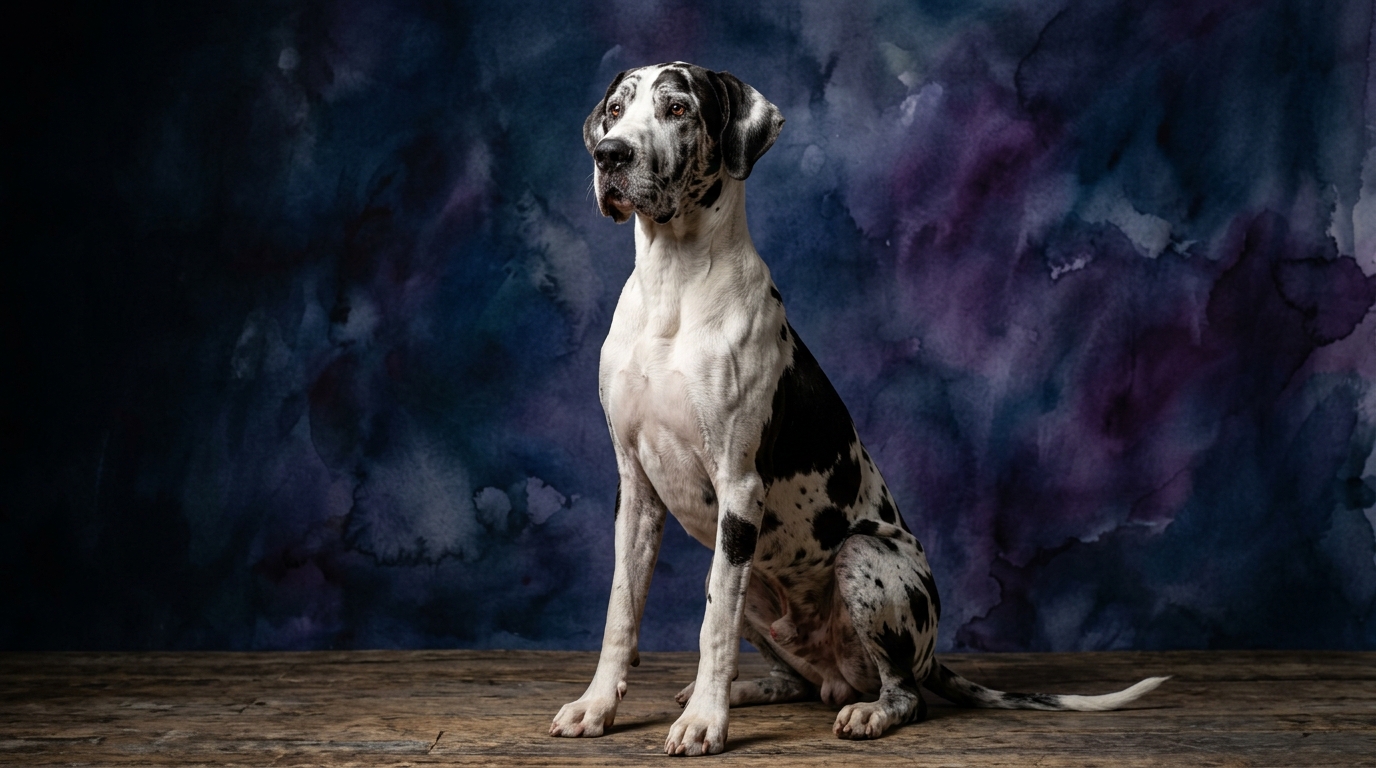
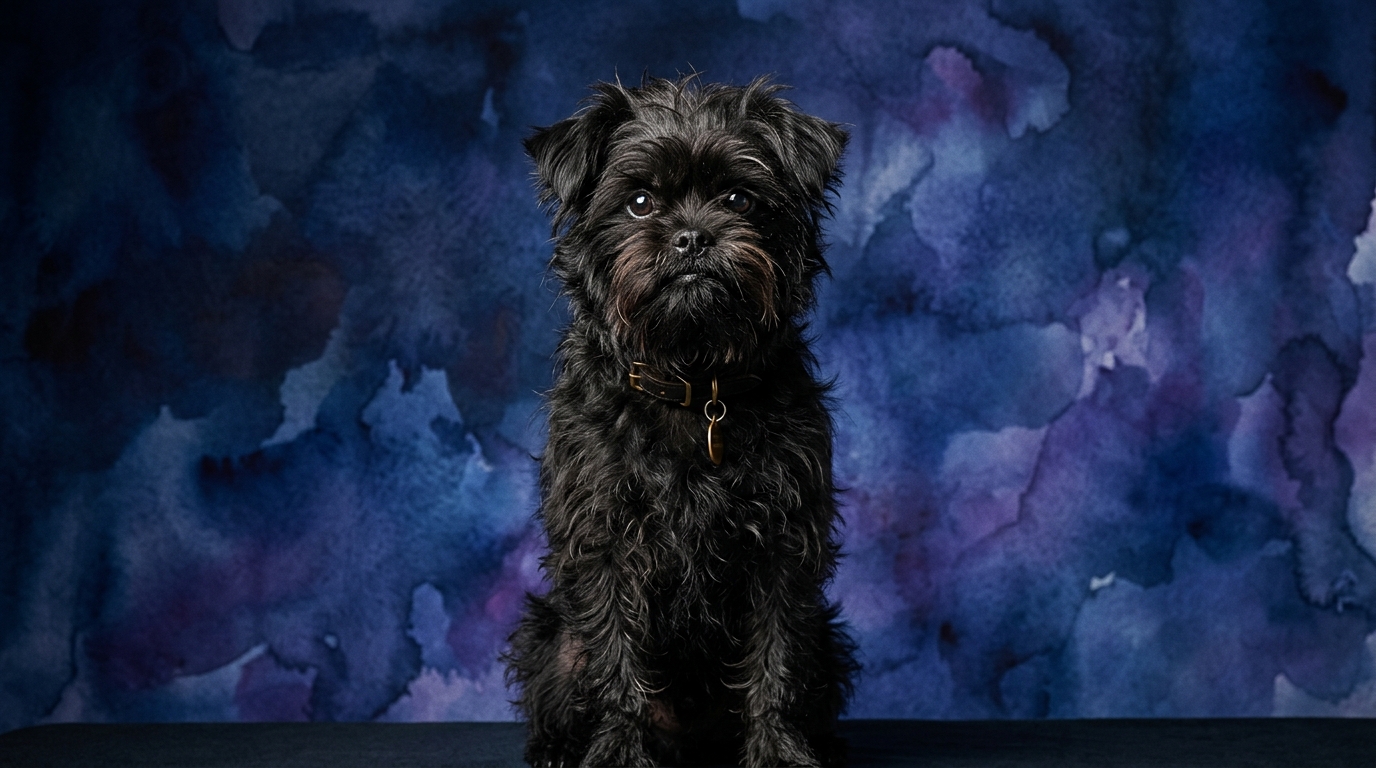
Side-by-Side Cognitive Profiles: Dane vs. Affenpinscher
Delving into The Cosmic Pet Pet IQ Lab data, we find both the Great Dane and the Affenpinscher present intriguing cognitive blueprints. The Great Dane, a Working breed ranked #48 by Coren, demonstrates a solid foundation across most metrics. Its Problem Solving is rated 3/5, indicating an ability to handle moderately complex tasks, often with direct and practical solutions. Training Speed also sits at 3/5, suggesting a steady learning curve that benefits from consistent, positive reinforcement. Where the Great Dane truly shines is in Social Intelligence, scoring a notable 4/5, reflecting a deep attunement to human emotions and social dynamics. Its Instinctive Drive and Memory both register at 3/5, pointing to a balanced intrinsic motivation and a reliable recall of experiences and learned behaviors.
The Affenpinscher, a Toy breed without a Coren ranking, presents a remarkably similar numerical profile across several dimensions, yet these scores manifest differently in a smaller package. Its Problem Solving is 3/5, indicating an aptitude for navigating challenges pertinent to its size and environment, often through persistent exploration. Training Speed is also 3/5; while capable, their independent streak means engagement and variety are key to successful learning. Social Intelligence is 3/5, showing a good connection with their inner circle but perhaps less nuanced interpretation of broader social cues. Like the Dane, its Instinctive Drive is 3/5, often manifesting as a keen, watchful alertness, and Memory also stands at 3/5, supporting their ability to learn routines and remember specific interactions.
Where the Great Dane's Cognition Excels
The Great Dane exhibits a clear cognitive advantage in the realm of social intelligence, scoring 4/5 compared to the Affenpinscher's 3/5. This isn't merely about friendliness; it reflects a profound capacity to read and respond to human emotional states and complex social cues. A Great Dane often displays a remarkable empathy, sensing a family member's distress and offering comfort through gentle nudges or leaning. This nuanced understanding extends beyond immediate family, allowing them to adapt gracefully to new people and situations with a sophisticated grasp of social etiquette, making them exceptionally attuned companions in varied social environments. Their willingness to engage and adapt to their human family's emotional landscape is a distinct cognitive strength, fostering deep bonds and harmonious coexistence. Their consistent Coren ranking, while a broad measure, also suggests a generally reliable cognitive framework for obedience and adaptive behavior within a structured environment.
Where the Affenpinscher's Cognition Shines
While the Great Dane might possess a slight advantage in social nuance, the Affenpinscher demonstrates a unique cognitive resilience rooted in its historical purpose and compact size. Their problem-solving ability, rated 3/5, often manifests in a tenacious and clever approach to overcoming obstacles relevant to their environment. An Affenpinscher might ingeniously navigate tight spaces to retrieve a lost toy or persistently "work" a puzzle feeder until successful, showcasing a focused determination that belies their small stature. This independence, while sometimes a training challenge, also speaks to a capacity for self-directed thought and ingenuity when faced with a task. Their instinctive drive, also 3/5, is a well-honed alertness that, in a compact package, can make them surprisingly effective at spotting and reacting to novel stimuli in their environment, a cognitive strength for a small companion animal that retains its ratter heritage.
Training Dynamics: Great Dane vs. Affenpinscher
The training experience for both breeds, while rated equally at 3/5 for speed, diverges due to inherent temperamental traits and their specific cognitive leanings. Great Danes, with their higher social intelligence, often possess a strong desire to please their human companions, making them generally eager participants in training sessions. They respond well to positive reinforcement and clear, consistent commands, often viewing training as a cooperative activity that strengthens their bond. Their patience and steady temperament mean they can tolerate longer sessions and are less prone to distraction if the trainer is engaging, making them relatively straightforward to guide through basic obedience and more complex tasks.
Affenpinschers, while also capable learners, can exhibit a more independent and sometimes stubborn streak. Their 'monkey-like' personality means they might test boundaries or become bored with repetitive drills. Successful training with an Affenpinscher often requires creativity, shorter, more engaging sessions, and a playful approach to keep them focused and prevent their inherent mischievousness from overshadowing their learning potential. Their moderate instinctive drive means they can occasionally be distracted by environmental stimuli, requiring a trainer to maintain focus and make learning feel like a rewarding game rather than a chore. Consistency is paramount, but so is understanding their spirited nature.
Lifestyle Suitability: Active vs. Relaxed Owners
Great Danes, despite their imposing size, often suit a balance of active and relaxed lifestyles. While they require regular exercise to maintain their physical health and mental well-being, they are also content to lounge with their family, leveraging their high social intelligence to be calm, comforting presences indoors. Owners who enjoy moderate daily walks, consistent outdoor playtime, and appreciate a large, gentle companion who is deeply integrated into family life will find a Great Dane an excellent fit. Their moderate instinctive drive means they are generally amenable to various activities without excessive demands, making them adaptable companions for many family settings.
Affenpinschers, conversely, can appeal to owners who appreciate a compact but spirited companion. Their moderate instinctive drive and independent spirit mean they thrive with owners who enjoy engaging them in playful activities, short bursts of energetic play, and mental stimulation through toys and puzzles. While they don't demand extensive physical exertion like some working breeds, they do benefit from consistent interaction and can be quite active indoors. They suit owners who appreciate a dog with a distinct personality, who might enjoy dog sports like agility or rally at a beginner level, and who are prepared for a lively, sometimes opinionated, companion in a smaller package that requires consistent, engaging attention.
The Verdict
Choose the Great Dane if you seek a deeply empathetic, socially attuned companion who integrates seamlessly into family life and offers a balanced temperament for both activity and quiet companionship.
Opt for the Affenpinscher if you desire a spirited, tenacious, and independent small dog who thrives on engaging play and offers a unique, lively personality in a compact form.
🧠 Find Your Pet's IQ Score
Our Pet IQ Lab assessment covers 25+ tests across 5 cognitive dimensions — personalized to your breed.
Take the Full IQ Test →Frequently Asked Questions
Do Great Danes understand human emotions better than Affenpinschers?
Yes, Great Danes score higher in social intelligence (4/5) compared to Affenpinschers (3/5). This suggests they are generally more attuned to human emotional states and subtle social cues, often displaying greater empathy and responsiveness to family moods.
Are Affenpinschers harder to train because they aren't Coren-ranked?
Not necessarily. Both breeds have a 3/5 training speed. Affenpinschers can be more independent and require creative, engaging methods, but their lack of a Coren rank doesn't inherently make them more difficult than other breeds; it simply means their specific cognitive profile hasn't been extensively studied in that ranking system.
Which breed is better for a first-time dog owner?
The Great Dane, with its higher social intelligence and generally eager-to-please nature, might be slightly more forgiving for a first-time owner willing to manage a large dog. Affenpinschers, due to their independent streak, can present more of a challenge in consistent training, though their smaller size can be less intimidating.